
The image of swaying palm trees silhouetted against a brilliant sunset is perhaps the quintessential symbol of Florida. From postcards to promotional videos, these iconic plants instantly evoke the Sunshine State’s tropical allure, beckoning travelers from across the globe to its sun-drenched beaches and vibrant cities. But as ubiquitous as they are, a curious question often arises among visitors and residents alike: are palm trees truly native to Florida, or are many of them welcomed transplants? The answer is a fascinating blend of both, reflecting Florida’s rich ecological history and its evolution as a premier travel destination. While a significant number of palm species have indeed been introduced over centuries to enhance the state’s aesthetic and contribute to its resort-like atmosphere, a proud collection of indigenous palms have graced its landscapes for millennia, playing a vital role in its natural ecosystems and cultural heritage. Understanding this distinction enriches any traveler’s appreciation for Florida’s diverse flora and its unique identity, offering a deeper perspective on the natural beauty that defines its appeal.
The True Floridians – Native Palm Species
Florida’s position as the southernmost state in the United States places it within a subtropical to tropical climate zone, making it a natural habitat for a variety of palm species. Long before developers began planting rows of ornamental palms around luxury resorts and bustling avenues, several resilient species thrived in the state’s varied ecosystems, from coastal dunes to inland swamps. These native palms are not just picturesque; they are integral components of Florida’s natural heritage, supporting local wildlife and shaping the very landscape. They stand as a testament to the state’s wild, untamed beauty, offering a glimpse into what the region looked like before extensive human development. For those interested in eco-tourism and exploring authentic natural landmarks, seeking out these indigenous palms provides a unique and rewarding experience.
Iconic Native Palms and Their Habitats
Among the approximately twelve truly native palm species found in Florida, a few stand out for their widespread presence and ecological significance. The most famous, by far, is the Sabal Palm (Sabal palmetto), also known as the Cabbage Palm. This stately palm holds the distinguished title of Florida’s official state tree, a recognition of its ubiquitous presence and historical importance. Sabal Palms can be found throughout the entire state, flourishing in various environments from wetlands to dry uplands, and often form dense stands in forests and along waterways. Its adaptability and resilience are remarkable, making it a cornerstone of Florida’s natural landscape. Early settlers and indigenous populations utilized almost every part of the Sabal Palm for food, shelter, and tools, cementing its place in the state’s cultural history.
Another incredibly common and recognizable native palm is the Saw Palmetto (Serenoa repens). Unlike the towering Sabal Palm, the Saw Palmetto typically grows as a low-lying, shrub-like plant, forming dense thickets across vast areas, particularly in pine flatwoods and scrub habitats. Its fan-shaped leaves and distinctive saw-toothed petioles make it easy to identify. Despite its modest stature, the Saw Palmetto is a crucial component of Florida’s ecosystem, providing food and shelter for numerous wildlife species, including deer, bears, and various birds. Its berries are an important food source, and historically, various parts of the plant have been used for medicinal purposes.
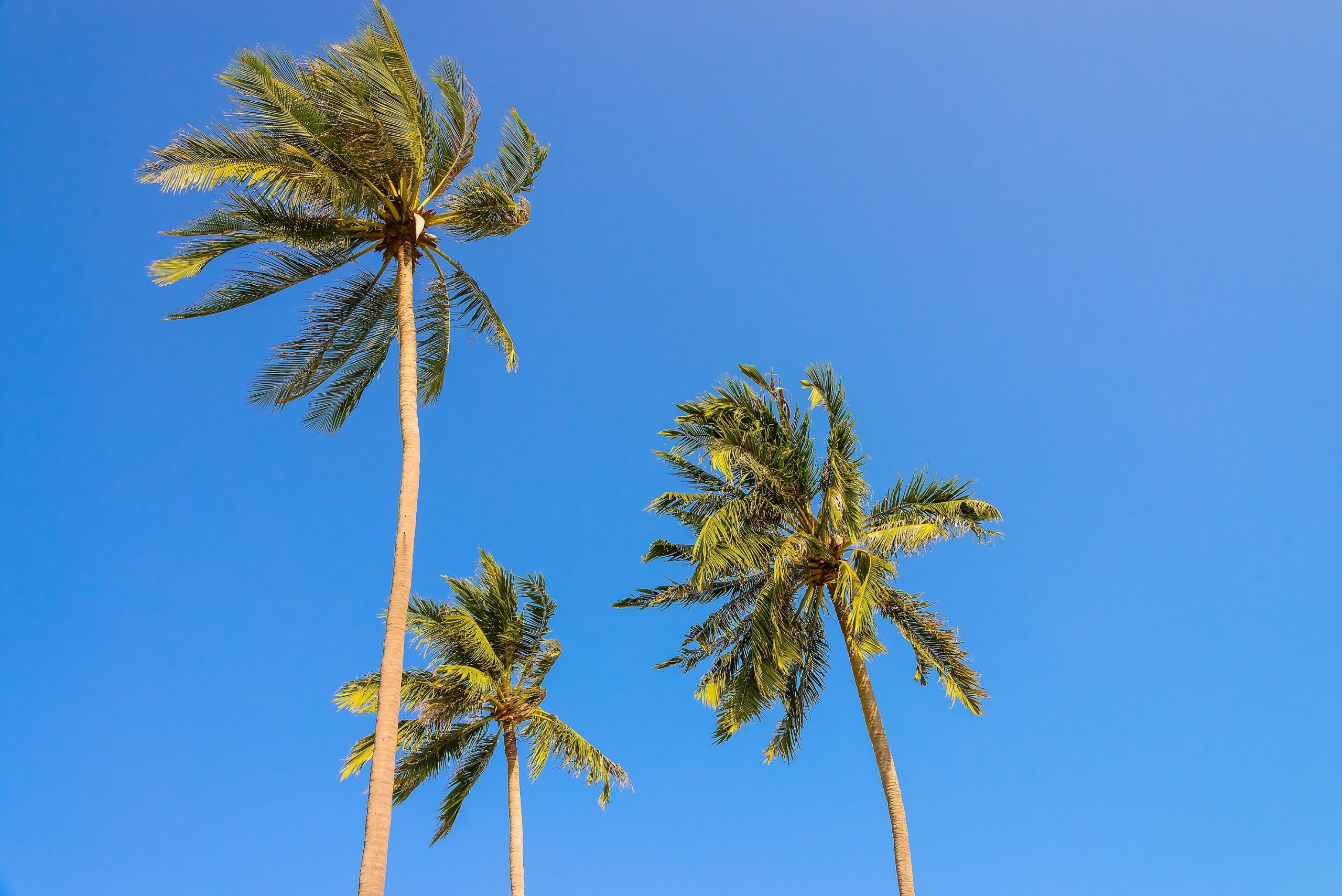
While often associated with grand avenues and resort entrances, the Florida Royal Palm (Roystonea regia) is indeed native, though its natural range in Florida is limited to specific wetland areas in the southern part of the state, such as in the Everglades National Park and the Big Cypress National Preserve. This majestic palm, characterized by its smooth, grey trunk and a dramatic crown of feathery fronds, is a true spectacle. Its imposing height and regal appearance make it a favorite for landscaping in cities like Miami and Fort Lauderdale, extending its presence far beyond its natural habitat. Other less common but equally native palms include the Florida Thatch Palm, Silver Palm, and the Scrub Palmetto, each adapted to specific niches within Florida’s diverse environment.
Beyond the Beach – Where to Find Florida’s Indigenous Palms
For travelers eager to connect with Florida’s authentic natural beauty, venturing beyond the manicured beaches and theme parks is essential. Several natural landmarks and protected areas offer unparalleled opportunities to observe native palms in their undisturbed glory.
The Everglades National Park, a vast wetland wilderness, is perhaps the best place to witness the Florida Royal Palm in its natural habitat, standing tall amidst cypress swamps and sawgrass marshes. A visit to the Everglades provides not only a chance to see these towering palms but also to experience a unique ecosystem teeming with diverse wildlife. Similarly, the Big Cypress National Preserve offers expansive landscapes where Saw Palmettos form dense undergrowth beneath towering pines, providing critical habitat for various species.
Numerous Florida State Parks across the state are dedicated to preserving natural environments and often feature extensive stands of native palms. For instance, parks along the central ridge, like Highlands Hammock State Park, showcase diverse ecosystems where Sabal Palms thrive. Coastal parks, especially in areas less developed, will often feature native palms adapted to sandy soils and saltwater spray. Botanical gardens, such as the Fairchild Tropical Botanic Garden in Coral Gables near Miami, offer curated collections that highlight Florida’s native flora alongside international varieties, providing educational experiences for those interested in botany and conservation. Exploring these sites offers a deeper understanding of Florida’s ecological richness and reinforces the importance of sustainable tourism that respects and protects these irreplaceable natural treasures.
The Allure of the Tropics – Introduced Palm Species and Their Impact
While native palms contribute significantly to Florida’s natural identity, a substantial number of the palm trees adorning its urban centers, coastal roads, and luxurious resorts are not indigenous. These introduced species, brought from various parts of the world, have played a crucial role in shaping the aesthetic and overall “tropical paradise” image that Florida so successfully projects to the world. Their introduction began centuries ago with early Spanish settlers and accelerated dramatically in the 20th century as Florida boomed as a tourist destination and a haven for those seeking a warm-weather lifestyle. The decision to plant these non-native palms was often driven by their ornamental appeal, rapid growth, and ability to thrive in Florida’s climate, contributing to the lush, exotic ambiance that visitors expect.
A Global Gathering – Popular Non-Native Palms in Florida
Florida has become a melting pot for palm species from around the globe, with many becoming so commonplace that they are often mistaken for natives. One of the most recognizable is the Coconut Palm (Cocos nucifera), which, despite its iconic status on Florida beaches, is largely considered naturalized rather than truly native to the mainland United States. Its origin lies in the Indo-Pacific region, and it thrives in coastal environments, making it a perfect fit for Florida’s extensive coastline, particularly in areas like Key West and South Beach in Miami.
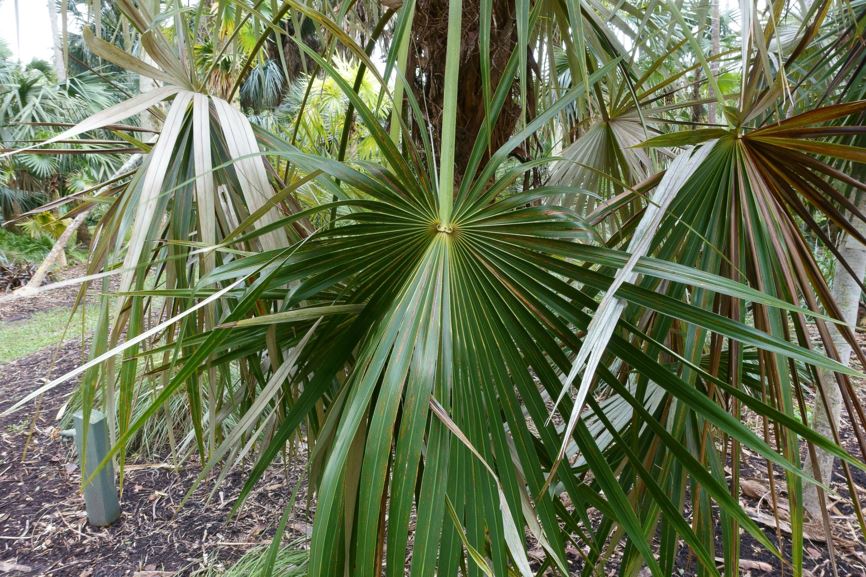
The Date Palm (Phoenix dactylifera) and its relatives, such as the Canary Island Date Palm (Phoenix canariensis), are frequently seen along boulevards and in prominent landscapes. Originating from the Middle East and North Africa, these robust palms are cherished for their grand appearance and stately presence. Another dominant species is the Washingtonia Palm (Washingtonia robusta and filifera), often referred to as the Mexican Fan Palm or California Fan Palm. While native to Mexico and the southwestern United States (specifically parts of California), these tall, slender palms with their characteristic “petticoats” of old fronds are widely planted throughout Florida for their dramatic height and quick growth, particularly in commercial areas and along highways.
The elegant Queen Palm (Syagrus romanzoffiana), a native of South America, is another popular choice, known for its graceful arching fronds and relatively fast growth. It adds a sophisticated touch to residential and commercial properties alike. Other notable introduced species include the Chinese Fan Palm, Bismarck Palm, and various types of Fishtail Palms, each contributing to the rich tapestry of palm diversity that now defines Florida’s modern landscape. This extensive collection of non-native palms creates an exotic, almost fantastical environment, making Florida feel distinctively tropical, even when compared to other warm regions.
Shaping the Sunshine State’s Image – Palms in Urban and Resort Settings
The strategic planting of introduced palm species has been instrumental in crafting Florida’s iconic image as a sun-soaked paradise. From the vibrant energy of Miami Beach to the family-friendly allure of Orlando‘s theme parks, palms are meticulously integrated into urban planning and landscape architecture. Luxury hotels and resorts, such as The Breakers Palm Beach or Fontainebleau Miami Beach, invest heavily in creating stunning palm-lined entrances, poolside oases, and garden pathways that epitomize upscale Florida living. The presence of these towering, majestic plants instantly elevates the ambiance, signaling a sense of luxury travel and escape.
In cities like Tampa, Sarasota, and St. Petersburg, palms line scenic waterfront drives and adorn public squares, contributing to the relaxed, vacation-like atmosphere. Even in central Florida, around major attractions like the Walt Disney World Resort and Universal Orlando Resort, carefully selected palm species enhance the themed environments, transporting visitors to imagined tropical realms. The aesthetic impact is undeniable: these palms frame picturesque views, provide shade in sunny plazas, and create a visually appealing backdrop for everything from a casual stroll to a high-end business stay. Their presence is a deliberate choice, reinforcing Florida’s brand as a destination where leisure, beauty, and a touch of the exotic seamlessly intertwine.

Palms, Tourism, and the Florida Experience
It’s impossible to discuss Florida’s tourism industry without acknowledging the starring role of palm trees. They are more than just plants; they are living landmarks and crucial elements of the state’s marketing strategy, forming an indelible part of the “Florida experience.” For millions of tourists each year, the sight of a palm tree immediately signifies vacation, warmth, and relaxation, setting the stage for the adventures and memories that await. This powerful association is cultivated through decades of branding and has shaped global perceptions of what a Florida getaway entails.
From Postcards to Paradise – Palms as a Symbol of Florida Travel
Palms are the ultimate shorthand for Florida in popular culture and tourism promotion. They grace every brochure, website banner, and social media post designed to entice visitors to the Sunshine State. This visual language is incredibly effective because it taps into a universal desire for tropical escapism. The gentle sway of palm fronds in a sea breeze suggests tranquility, while their elegant forms imply a sophisticated yet laid-back lifestyle. For many, a trip to Florida isn’t complete without a photograph featuring a quintessential palm backdrop, whether it’s on a sandy beach in Naples, a bustling street in Miami, or near a tranquil waterway in Jacksonville.
This widespread imagery reinforces visitor expectations, creating a cycle where the presence of palms becomes synonymous with an authentic Florida experience. They transform ordinary landscapes into exotic vistas, turning simple walks into memorable excursions. The perception of Florida as a tropical haven, a lifestyle choice, and a premier destination for both family trips and luxury travel, is inextricably linked to these captivating plants. From the historic streets of St. Augustine to the vibrant nightlife of South Beach, palms provide the consistent visual theme that unifies the diverse attractions of the state.
Planning Your Palm-Lined Getaway – Accommodation and Attractions
When planning a trip to Florida, choosing accommodation that embraces the state’s lush, palm-filled aesthetic can significantly enhance the overall experience. Many resorts and hotels, ranging from budget-friendly options to opulent five-star properties, prominently feature palms in their landscaping, creating a serene and inviting atmosphere. Consider staying at resorts like a Ritz-Carlton property in Sarasota or Naples, or the Loews Portofino Bay Hotel in Orlando, which often boast meticulously designed grounds featuring a rich array of palm species. Even boutique hotels and vacation rentals frequently incorporate palms to provide that quintessential Florida feel, perfect for a romantic escape or a comfortable family trip.
Beyond simply admiring palms at your accommodation, numerous attractions offer immersive experiences. For a deep dive into Florida’s native flora, a visit to the Everglades National Park or the Big Cypress National Preserve allows you to explore the wilder side of the state, where native Sabal and Royal Palms thrive. Alternatively, for a curated experience of both native and exotic palms, the Fairchild Tropical Botanic Garden near Miami offers extensive collections and educational tours. Scenic drives, particularly along coastal routes in areas like Palm Beach or the Florida Keys, are naturally enhanced by the sight of endless palm groves. Whether you’re seeking adventure, relaxation, or cultural immersion, integrating palms into your travel itinerary will connect you more deeply with the spirit of Florida.
Preserving the Legacy – Conservation and Sustainable Tourism
The widespread planting of non-native palm species, while contributing to Florida’s iconic aesthetic, also brings into focus the importance of conservation. While many introduced palms are harmless, some can become invasive, outcompeting native vegetation and altering natural habitats. This distinction highlights the ongoing efforts by environmental organizations and responsible tourism initiatives to preserve Florida’s unique ecological balance.
Sustainable tourism plays a crucial role in supporting these efforts. By choosing to visit and support Florida State Parks, national preserves like Biscayne National Park or Dry Tortugas National Park, and botanical gardens focused on native plants, travelers contribute directly to the protection of indigenous palm species and their associated ecosystems. Learning about native flora and fauna not only enriches the travel experience but also fosters a deeper appreciation for the delicate balance of Florida’s natural environment. Supporting local businesses that prioritize eco-friendly practices and choosing accommodations that demonstrate a commitment to environmental stewardship are further ways to ensure that future generations can enjoy both the cultivated beauty and the wild grandeur of Florida’s palm-filled landscapes. Recognizing the ecological significance of native palms alongside the aesthetic appeal of introduced varieties is key to understanding and preserving the true spirit of the Sunshine State.
In conclusion, the answer to “Are palm trees native to Florida?” is a resounding yes, but with an important caveat. While several species like the Sabal Palm and Saw Palmetto have been an integral part of Florida’s natural landscape for millennia, many of the towering, graceful palms that define its resort towns and urban areas are introduced species from the Caribbean, South America, Mexico, and beyond. This dual reality paints a vivid picture of a state that expertly blends its rich natural heritage with a cultivated tropical fantasy, perfectly designed to captivate visitors.
Whether you’re exploring the wild, untouched hammocks of the Everglades to find a native Royal Palm or lounging by a pool framed by majestic Date Palms in Palm Beach, the presence of these iconic trees is fundamental to the Florida experience. They are more than just botanical specimens; they are landmarks, symbols of a sought-after lifestyle, and silent witnesses to Florida’s journey as a global travel destination. So, on your next visit, take a moment to appreciate the incredible diversity of palms around you, understanding that each one, native or introduced, contributes to the unparalleled charm of the Sunshine State, from its capital city of Tallahassee to its southernmost tip in Key West.