
For many pet owners, embarking on a journey means bringing their beloved canine companions along for the adventure. Planning a trip to a vibrant city like Denver, Colorado often involves checking out pet-friendly accommodations, parks, and attractions. However, for those with specific breeds like Pitbulls, an additional layer of planning involves understanding local breed-specific legislation (BSL). The question, “Are Pitbulls illegal in Denver, Colorado?” is a critical one for travelers and potential residents alike, and the answer has evolved significantly over the years. This comprehensive guide aims to demystify Denver’s pet laws, particularly concerning Pitbulls, and provide essential insights for ensuring a smooth and enjoyable trip with your four-legged friend in the Mile High City.
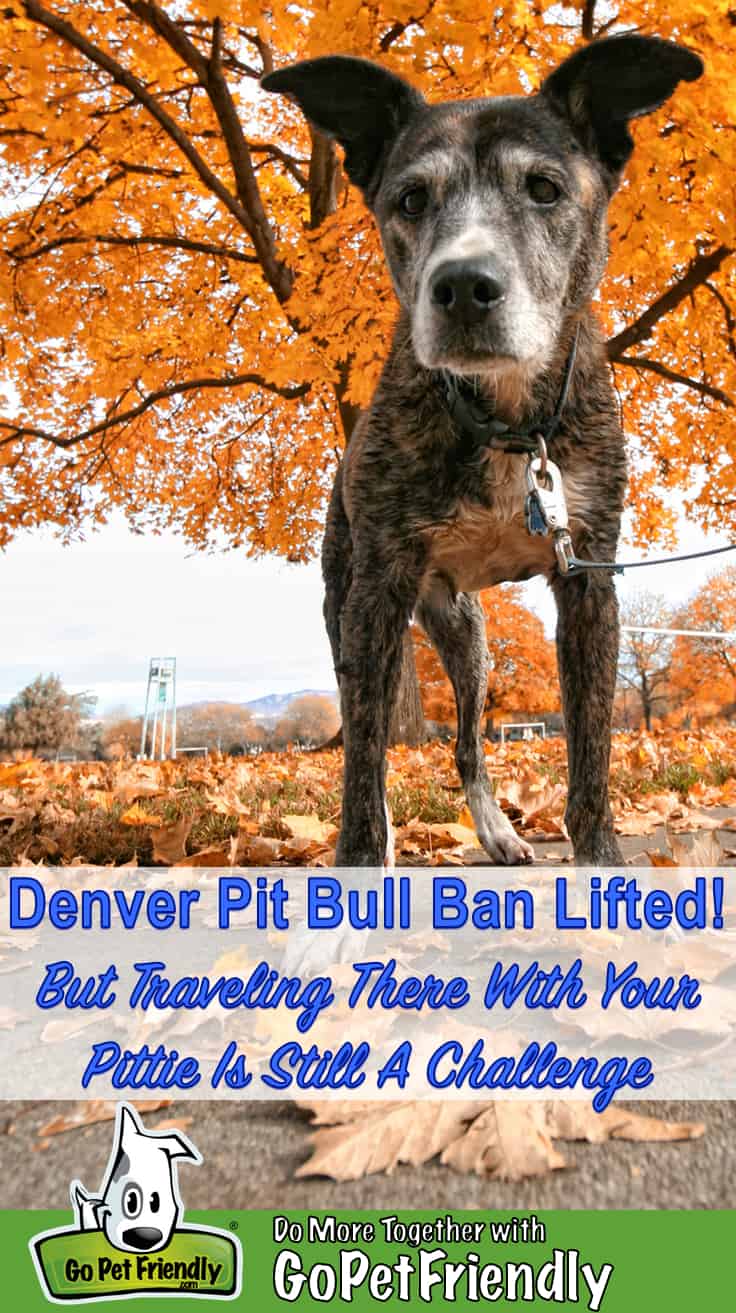
The Legal Landscape: Pitbulls in Denver
Understanding the current legal status of Pitbulls in Denver, Colorado requires a look back at its history of animal control ordinances and how public perception and legislative efforts have shaped the present rules. For decades, Denver was known for its strict stance on certain dog breeds, creating challenges for pet owners and impacting the travel experience for many.
A Look Back: Denver’s Breed-Specific Legislation
For over 30 years, Denver, Colorado enforced a breed-specific ban that prohibited the ownership of certain dog breeds, commonly categorized as “Pitbulls.” This ban, implemented in 1989, targeted American Pit Bull Terriers, American Staffordshire Terriers, and Staffordshire Bull Terriers, as well as any dog exhibiting characteristics substantially similar to these breeds. The ordinance was a response to public safety concerns following a series of dog attacks, a common trigger for BSL across the United States. Under the ban, these dogs were deemed dangerous and largely unwelcome within city limits, leading to heartbreaking choices for residents and making travel with these breeds virtually impossible. Many advocates for breed-neutral legislation argued that such bans were ineffective, discriminatory, and failed to address the root causes of dog aggression, focusing instead on breed stereotypes rather than individual dog behavior and responsible ownership. This long-standing prohibition was a significant point of contention and a defining feature of Denver’s animal control policies for decades.
Current Status: The Road to Repeal and New Regulations
The landscape for Pitbulls in Denver underwent a dramatic shift in 2020. After years of advocacy from animal welfare groups and a growing understanding of dog behavior, Denver voters overwhelmingly approved a ballot measure to repeal the breed-specific ban. This landmark decision paved the way for a new, permit-based system. As of early 2021, Pitbulls are no longer outright illegal in Denver. Instead, owners (including new residents) must obtain a “breed-restricted” license for their dog.
The new regulations require owners of Pitbulls to adhere to specific conditions, including:
- Microchipping: All dogs must be microchipped for identification.
- Spay/Neuter: Dogs must be spayed or neutered.
- Vaccinations: Up-to-date vaccinations are mandatory.
- Permit Application: Owners must apply for and receive a breed-restricted permit from Denver Animal Protection.
- Proof of Residency: The regulations are primarily aimed at residents.
While this change represents a significant victory for breed advocates, it’s crucial to understand that it is not a complete deregulation. The city maintains the right to re-evaluate permits based on a dog’s behavior and potential incidents. This nuanced approach focuses more on responsible pet ownership and individual animal behavior rather than blanket breed prohibitions, aligning Denver with a growing number of cities that have moved away from BSL.
What “Breed-Specific” Really Means for Visitors
For travelers planning a short-term visit to Denver with a Pitbull, the updated laws create a slightly different, though still important, consideration. The breed-restricted permit system is primarily designed for residents of Denver and Colorado who intend to keep their dogs in the city on an ongoing basis. Short-term visitors typically fall into a gray area as the requirements for residency might not apply. However, it is always recommended to carry proof of your dog’s vaccinations, spay/neuter status, and microchip information.
Crucially, while the ban has been lifted, individual businesses, hotels, and landlords still retain the right to set their own pet policies, including breed restrictions. This means that even if Denver law permits your Pitbull within city limits, the Hyatt Regency Denver at Colorado Convention Center or a specific rental property may still have a “no Pitbull” rule. Always confirm directly with your chosen accommodation or attraction beforehand. Ignorance of these policies can lead to frustrating and costly last-minute issues, so proactive communication is key to a stress-free travel experience.
Traveling to Denver with Your Pitbull: What You Need to Know
With the legal landscape clarified, the next step for any pet parent is to plan the practicalities of a trip to Denver. From finding suitable places to stay to exploring the city’s attractions, careful preparation will ensure both you and your Pitbull have a memorable and comfortable visit.
Finding Pet-Friendly Accommodation in Denver
Denver boasts a wide array of pet-friendly accommodations, ranging from luxury hotels to cozy vacation rentals, reflecting its reputation as an outdoor-loving city. However, the caveat about individual breed restrictions remains paramount. When booking your stay, always inquire specifically about their policy regarding Pitbulls or similar breeds. Don’t assume that “pet-friendly” automatically means “all breeds welcome.”

Many hotel chains, such as the Kimpton Hotel Born or Hotel Indigo Denver Downtown, are generally very welcoming to all breeds and sizes, often providing amenities like dog beds, bowls, and treats. Boutique hotels like The Paw Palace Downtown (a fictional example but illustrative of a potential dedicated pet-friendly option) might even specialize in catering to pets. For longer stays, consider extended-stay hotels like Staybridge Suites Denver Downtown or vacation rentals, which can offer more space and amenities like kitchens, making travel with a pet more comfortable. Always ask about pet fees, deposit requirements, and any specific rules regarding leaving your dog unattended in the room.
If you’re unable to find suitable accommodation or prefer to leave your dog in expert hands for certain activities, Denver also offers reputable pet boarding facilities like Mile High Pet Resort, which can provide a safe and engaging environment for your dog while you explore areas where pets aren’t permitted.
Exploring Denver’s Attractions with Your Dog
Denver is an incredibly dog-friendly city when it comes to outdoor spaces. Many parks welcome leashed dogs, offering ample opportunities for walks and exercise.
- City Park: One of Denver’s largest and most popular urban parks, City Park is perfect for a stroll with your dog, though specific areas like the Denver Zoo and Denver Museum of Nature & Science do not allow pets.
- Washington Park: Another beautiful urban oasis, ideal for leashed walks and enjoying the scenery.
- Cherry Creek State Park: This park features a fantastic off-leash dog area, requiring a small fee and a valid dog license, making it a perfect spot for your Pitbull to stretch its legs and socialize.
- Red Rocks Amphitheatre: While concerts are typically no-dog events, the park trails around Red Rocks Amphitheatre are generally dog-friendly during non-event hours, offering breathtaking views and a great workout.
- Rocky Mountain National Park: Located a scenic drive from Denver, this iconic National Park has strict pet regulations. Dogs are generally only allowed on established roads, campgrounds, and parking areas, not on trails or in the backcountry. Always check the official park website for the latest rules.
Many outdoor patio restaurants and breweries across Denver are also dog-friendly, particularly in neighborhoods like Highlands or RiNo Arts District. Look for “dogs welcome” signs or call ahead to confirm. Places like the Denver Botanic Gardens and most indoor attractions, however, will typically have a no-pet policy, with the exception of service animals.
Transportation and Public Spaces
Navigating Denver with your Pitbull requires understanding local transportation rules. While personal vehicles are the most flexible option, if you plan to use public transport, be aware of the rules. Denver’s RTD light rail and bus system generally allow service animals but prohibit pets unless they are small enough to be carried in a secure container. This restriction means most Pitbulls would not be permitted on public transit.
For ride-sharing services, you must explicitly select a “pet-friendly” option (if available) or contact the driver directly after booking to confirm they are willing to transport your dog. Always have your dog leashed and under control, and consider bringing a blanket or towel to protect the vehicle’s interior.
When out and about in public spaces, regardless of breed, always keep your dog on a leash, especially in areas like the 16th Street Mall or around Union Station. Observe all posted signs regarding pet access, and always clean up after your dog. Adhering to these basic rules of etiquette ensures a positive experience for everyone and reinforces Denver’s reputation as a welcoming city for responsible pet owners.
Ensuring a Smooth Trip: Tips for Responsible Pet Owners
Traveling with a pet, especially one that has been subject to historical breed-specific legislation, requires extra diligence and preparation. By being a responsible pet owner, you contribute to a positive perception of your dog and help ensure a stress-free experience for both of you.
Health and Safety Considerations
Before you even leave for Denver, ensure your Pitbull is healthy and up-to-date on all vaccinations. Carry copies of vaccination records and a health certificate from your veterinarian, especially if traveling across state lines. Denver’s altitude can affect dogs, just as it affects humans. Be mindful of dehydration and strenuous activity, especially during warmer months. Always have fresh water available, take frequent breaks, and watch for signs of heatstroke. If flying into Denver International Airport, ensure your dog is comfortable with crate travel and check airline pet policies well in advance. Consider microchipping your dog if not already done, and ensure your contact information is current. Having an ID tag with your cell number is also crucial, providing immediate contact in case your dog gets lost.
Local Resources and Emergency Services
It’s always wise to know where to find local resources in case of an emergency. Before your trip, research veterinary clinics in Denver that offer emergency services. Keep their numbers handy. In addition, familiarizing yourself with the contact information for Denver Animal Protection can be beneficial for any questions related to local ordinances or if you encounter a lost pet. Pet supply stores are plentiful in Denver, so you’ll easily find food, treats, or any other necessities you might have forgotten. Online forums and local social media groups for Denver pet owners can also be a valuable resource for recommendations and local insights.

Respecting Local Etiquette
Being a respectful traveler and pet owner goes a long way. Always keep your dog on a leash in public unless you are in a designated off-leash dog park like the one at Cherry Creek State Park. Clean up after your dog immediately and properly dispose of waste; this is non-negotiable. Be mindful of other park users and pedestrians, and ensure your dog is well-behaved and not disruptive. Even though breed-specific legislation has been repealed, some individuals may still harbor anxieties or prejudices. Demonstrating responsible ownership and having a well-trained dog can help change perceptions and ensure a positive experience for everyone involved. Your actions contribute to the reputation of all dog owners, especially those with breeds that have historically faced stigma.
In conclusion, the answer to “Are Pitbulls illegal in Denver, Colorado?” is no, not anymore. The city has made significant progress in adopting more humane and effective animal control policies. However, travelers with Pitbulls still need to be diligent in their planning, thoroughly researching accommodation policies, understanding public access rules, and practicing exemplary responsible pet ownership. By doing so, you can confidently enjoy all the amazing travel experiences Denver has to offer with your cherished canine companion by your side.
LifeOutOfTheBox is a participant in the Amazon Services LLC Associates Program, an affiliate advertising program designed to provide a means for sites to earn advertising fees by advertising and linking to Amazon.com. Amazon, the Amazon logo, AmazonSupply, and the AmazonSupply logo are trademarks of Amazon.com, Inc. or its affiliates. As an Amazon Associate we earn affiliate commissions from qualifying purchases.