
For years, the question of whether Pitbulls were legal in Denver, Colorado, was met with a resounding “no.” A longstanding breed-specific ban kept these dogs out of the Mile-High City, creating significant challenges for residents and travelers alike. However, the landscape has dramatically shifted, marking a new era for Pitbull owners considering a visit or a move to this vibrant Rocky Mountain metropolis. This article delves into the updated legislation, offering a comprehensive guide for navigating Denver with your Pitbull, integrating practical advice for travel, accommodation, and lifestyle within the city.
The changes in Denver’s approach to Pitbulls reflect a broader national conversation about breed-specific legislation, moving towards more nuanced policies focused on individual dog behavior rather than blanket bans based on breed. For those planning a trip or contemplating a new home in Denver, understanding these changes is paramount to ensuring a smooth and enjoyable experience for both you and your canine companion. From finding the perfect pet-friendly hotel to discovering accessible parks and attractions, the city now offers more opportunities than ever for Pitbull owners.
A Comprehensive Guide to Denver’s Evolving Pitbull Legislation
For decades, Denver was one of many cities across the United States with breed-specific legislation (BSL) targeting Pitbulls. This meant that specific breeds, primarily American Pit Bull Terriers, American Staffordshire Terriers, and Staffordshire Bull Terriers, were prohibited within city limits. The rationale behind such bans was often rooted in public safety concerns, though their effectiveness and fairness have long been subjects of intense debate. Animal welfare advocates, veterinarians, and many dog owners argued that BSL was discriminatory, ineffective, and often led to the euthanasia of otherwise well-behaved dogs. The scientific consensus among animal behaviorists tends to lean against BSL, emphasizing that a dog’s behavior is more influenced by individual temperament, training, and environment than by breed alone.
This contentious issue came to a head in Denver in recent years, leading to a significant shift in policy. The journey from a strict ban to the current regulated allowance is a testament to persistent advocacy and evolving public opinion. Understanding this historical context provides crucial insight into the current legal framework.
From Ban to Ballot: A Brief History
The breed-specific ban on Pitbulls in Denver was enacted in 1989. For over 30 years, this legislation remained firmly in place, classifying Pitbull-type dogs as inherently dangerous and subject to removal from the city. This created a challenging environment for residents who owned these breeds, often forcing them to relocate or surrender their beloved pets. Travelers with Pitbulls also faced significant hurdles, needing to be acutely aware of Denver’s strict rules to avoid legal complications. The ban was a significant point of contention for animal lovers and a practical concern for anyone involved in pet care or animal services within the city.
However, the tide began to turn with increasing pressure from local animal welfare groups and a growing understanding of dog behavior. In 2020, the Denver City Council passed an ordinance to repeal the ban, replacing it with a permit system. This decision, however, was vetoed by then-Mayor Michael Hancock, citing public safety concerns. Undeterred, proponents of repealing the ban gathered enough signatures to place the issue directly on the ballot for Denver voters.
In November 2020, Denver residents overwhelmingly approved Proposition 202, effectively overturning the 31-year-old ban. This landmark decision signaled a new era for Pitbulls in the city, shifting the focus from breed prohibition to responsible ownership and individual animal assessment. The passage of Prop 202 was a victory for animal rights advocates and a progressive step for a city that prides itself on being forward-thinking.
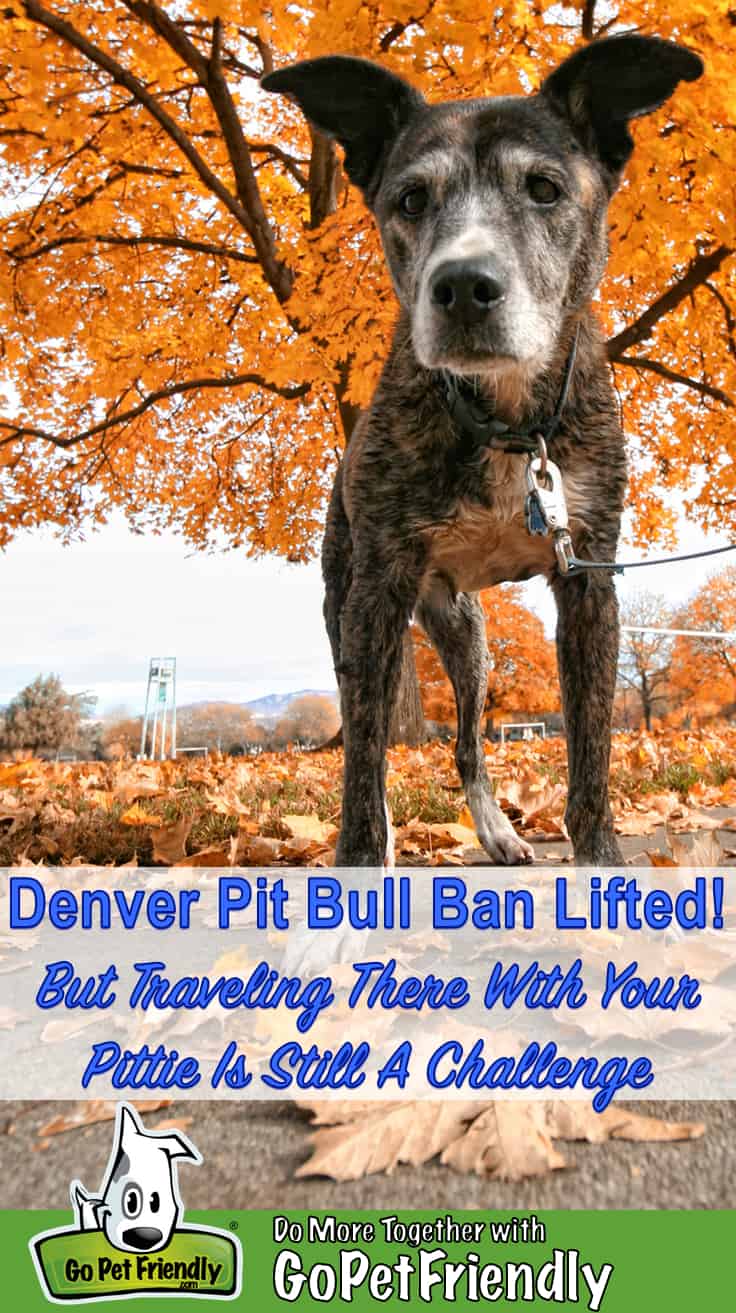
The Current Status: Conditions for Pitbull Ownership in Denver
As of 2021, Pitbulls are indeed legal in Denver, Colorado, but not without certain conditions. The new legislation establishes a permitting system designed to ensure responsible ownership and public safety. This system requires owners of American Pit Bull Terriers, American Staffordshire Terriers, and Staffordshire Bull Terriers to obtain a special “Pit Bull license.”
The requirements for this license typically include:
- Microchipping: The dog must be microchipped for identification purposes.
- Proof of Vaccination: Up-to-date rabies vaccinations are mandatory.
- Spaying/Neutering: The dog must be spayed or neutered.
- No Prior Dangerous History: The dog must not have a history of aggression or dangerous behavior.
- Specific Number of Pets: Owners must adhere to the city’s general pet limits (typically three dogs per household, though exceptions can exist).
Initially, there was also a requirement for a provisional permit for three years, during which owners had to report any aggressive behavior. After this period, if no incidents occurred, a permanent license could be issued. It’s crucial for both residents and those planning an extended stay in Denver to check the most current regulations with Denver Animal Protection (DAP), as local ordinances can be subject to amendments. These rules apply to anyone bringing a Pitbull-type dog into the city, regardless of whether they are a permanent resident or a tourist.

Navigating Denver with Your Pitbull: What Travelers Need to Know
For travelers, the change in Denver’s Pitbull legislation opens up new possibilities for bringing their beloved companions along. Denver is a fantastic destination for pet owners, boasting numerous parks, trails, and pet-friendly establishments. However, despite the repeal of the ban, there are still practical considerations and potential challenges that Pitbull owners should be aware of when planning their trip. The key is thorough planning and understanding that while the city itself is more accommodating, individual businesses or properties might still have their own restrictions.
Pet-Friendly Accommodation in Denver
Finding suitable accommodation is often the first and most critical step for travelers with pets. Denver offers a wide array of pet-friendly hotels, resorts, apartments, and villas. However, some establishments may still enforce their own breed-specific policies or weight limits, even if the city’s ban has been lifted. It’s imperative to always contact the hotel or accommodation provider directly and explicitly state that you will be bringing a Pitbull-type dog.
Many popular chains like Kimpton Hotels, Loews Hotels, and some Marriott and Hilton properties are generally pet-friendly, often welcoming all breeds and sizes. Boutique hotels or vacation rentals listed on platforms like Airbnb or Vrbo can also be excellent options, but again, direct communication is key. Be prepared to provide details about your dog’s temperament, training, and vaccination records. Some hotels might charge a pet fee or require a damage deposit. Planning ahead, booking well in advance, and having all your dog’s documentation ready will make the process much smoother. Look for hotels that not only allow pets but also offer amenities like dog beds, bowls, or even special pet menus, enhancing your travel experience.

Exploring Denver’s Attractions with Your Canine Companion
Denver is an incredibly outdoor-oriented city, and many of its best attractions and landmarks are dog-friendly. From sprawling parks to bustling outdoor markets, there’s plenty to explore with your Pitbull.
- Parks and Open Spaces: Denver boasts numerous off-leash dog parks and miles of trails perfect for walking or hiking. Popular spots include Cherry Creek State Park Dog Off-Leash Area, Berkeley Lake Park, and parts of City Park. Always ensure your dog is leashed in designated on-leash areas and that you pick up after them, adhering to local etiquette.
- Outdoor Patios: Many restaurants and breweries in Denver welcome dogs on their outdoor patios. It’s always a good idea to call ahead to confirm their current pet policy, especially if you have a larger breed.
- Public Transportation: While the RTD (Regional Transportation District) allows small dogs in carriers on buses and light rail, larger dogs, including Pitbulls, are generally not permitted unless they are service animals. Plan for car travel or ride-sharing services that accommodate pets.
- Shopping and Markets: Some outdoor markets, like the Denver Farmers Market (check specific locations and dates), are often dog-friendly. Many independent pet supply stores and even some larger retailers welcome well-behaved dogs inside.
- Mountain Excursions: Being so close to the Rocky Mountains, Denver offers incredible access to hiking trails. While many trails are dog-friendly, always check the specific rules of National Forests, State Parks, and Wilderness Areas, as some may have restrictions on dogs or require them to be leashed at all times.
Remember, responsible pet ownership is key to a positive experience. Ensure your Pitbull is well-socialized, trained, and comfortable in various environments. Carrying a leash, waste bags, and water for your dog is essential wherever you go. Being a good ambassador for Pitbull owners will help foster a welcoming environment for all dogs in Denver.
Living the Denver Lifestyle with Your Pitbull
For those considering a move to Denver or an extended long-term stay with their Pitbull, understanding the local nuances of pet ownership beyond just legality is crucial. The Denver lifestyle is very much about enjoying the outdoors and fostering a sense of community, and your canine companion can certainly be a part of that, provided you adhere to local regulations and responsible practices. This shift from prohibition to regulated allowance reflects a maturing perspective on how cities integrate pets into urban living, moving towards a framework that prioritizes behavior over breed.
Licensing and Local Responsibilities
If you’re becoming a Denver resident, obtaining the necessary “Pit Bull license” is a fundamental step. This involves registering your dog with Denver Animal Protection and fulfilling all the specified requirements: microchipping, current vaccinations, and spaying/neutering. This isn’t just a bureaucratic hurdle; it’s a way for the city to track its pet population, ensure public health, and encourage responsible pet ownership. Neglecting these requirements can result in fines or other legal consequences, so it’s essential to prioritize compliance upon arrival.
Beyond the specific Pitbull licensing, all dog owners in Denver are expected to adhere to general animal control laws. These include leash laws in public areas (unless specifically designated off-leash), cleaning up after your dog, and ensuring your pet doesn’t become a public nuisance (e.g., excessive barking). Understanding these regulations is key to seamlessly integrating your Pitbull into your new Denver life. It also contributes to the overall positive perception of Pitbulls within the community, reinforcing the idea that responsible owners lead to responsible dogs.
Community Integration and Pet Services
Denver offers a wealth of pet services and a vibrant community for dog owners. From numerous doggy daycares and groomers to specialized veterinarians and trainers, you’ll find ample support for your Pitbull’s needs. Many local businesses, especially in trendy neighborhoods like RiNo (River North Art District) or Highlands, embrace a dog-friendly culture, with water bowls outside shops and patrons often accompanied by their furry friends.
Joining local dog owner groups or online communities can also be beneficial for finding pet-friendly events, resources, and connecting with other Pitbull owners. This social aspect of pet ownership can greatly enhance your lifestyle in Denver, turning casual strolls into opportunities for connection and shared experiences. Moreover, contributing positively to these communities helps dispel any lingering stereotypes about Pitbulls, demonstrating their capacity to be loving, well-behaved family members.
When considering housing, be aware that while the city government has changed its stance, individual landlords, homeowner associations (HOAs), and apartment complexes may still have their own breed or weight restrictions. It is absolutely crucial to clarify these policies before signing a lease or purchasing a property. Many will have strict policies on pet deposits, monthly pet rent, or even breed exclusions, so always read the fine print and communicate openly about your Pitbull. This careful approach ensures that your move or long-term stay in Denver is as smooth and stress-free as possible for both you and your loyal companion.
In conclusion, the answer to “Are Pitbulls legal in Denver, Colorado?” is now a qualified yes. The city has moved from a prohibitive ban to a regulated licensing system, reflecting a more progressive approach to animal welfare and responsible pet ownership. This change opens up a world of possibilities for Pitbull owners to experience all that Denver has to offer, from its stunning natural beauty to its vibrant urban lifestyle. By understanding and adhering to the current legislation and local customs, you and your Pitbull can enjoy a fulfilling and memorable time in this dynamic Colorado city. The journey of Denver’s Pitbull legislation is a prime example of how advocacy and public engagement can lead to meaningful change, fostering a more inclusive environment for all residents and visitors, furry ones included.
LifeOutOfTheBox is a participant in the Amazon Services LLC Associates Program, an affiliate advertising program designed to provide a means for sites to earn advertising fees by advertising and linking to Amazon.com. Amazon, the Amazon logo, AmazonSupply, and the AmazonSupply logo are trademarks of Amazon.com, Inc. or its affiliates. As an Amazon Associate we earn affiliate commissions from qualifying purchases.