
Yes, polar bears absolutely call Alaska home, making the state one of the most remarkable frontiers for wildlife enthusiasts and intrepid travelers. These majestic apex predators are synonymous with the remote, icy landscapes of the Arctic, and a visit to Alaska’s northern reaches offers one of the planet’s most extraordinary wildlife viewing experiences. For those dreaming of an unforgettable encounter with these magnificent creatures in their natural habitat, Alaska presents a truly unparalleled opportunity, blending raw natural beauty with the thrill of expeditionary travel.
Venturing into the Alaskan Arctic is more than just a trip; it’s an immersive journey into a world defined by extreme conditions, breathtaking vistas, and a delicate ecosystem unlike any other. It’s a destination that appeals to those seeking authentic experiences, a deeper connection with nature, and the satisfaction of exploring regions few ever see. Our guide will navigate the fascinating presence of polar bears in Alaska, highlighting prime viewing locations, optimal travel times, and essential tips for planning a responsible and memorable adventure.

The Icy Domain: Where Polar Bears Thrive in Alaska
Alaska’s vast wilderness provides critical habitat for polar bears, primarily along its northern and western coasts. These magnificent carnivores are intimately tied to the presence of sea ice, which serves as their hunting platform for seals, a crucial component of their diet. Consequently, their range in Alaska is concentrated along the shores of the Chukchi Sea and the Beaufort Sea, both marginal seas of the Arctic Ocean.
There are two distinct polar bear subpopulations that frequent Alaskan waters: the Chukchi Sea population and the Southern Beaufort Sea population. The Chukchi Sea population, shared with Russia, is generally considered robust and stable, benefiting from highly productive waters. The Southern Beaufort Sea population, shared with Canada, has faced more significant challenges, largely due to ongoing changes in sea ice dynamics linked to climate change. Understanding these distinctions is key for travelers, as it underscores the importance of responsible tourism and supporting conservation efforts.
The life cycle of these bears is inextricably linked to the seasonal ebb and flow of the sea ice. During winter, when the ice cover is extensive, polar bears roam far out into the Arctic Ocean, hunting seals and sometimes coming ashore to den. As summer approaches and the ice retreats, some bears follow the ice pack northward, while others become stranded on land, particularly along barrier islands or coastal areas. It is during this latter period, especially in late summer and fall, that land-based viewing opportunities become more prevalent as bears await the return of the ice.
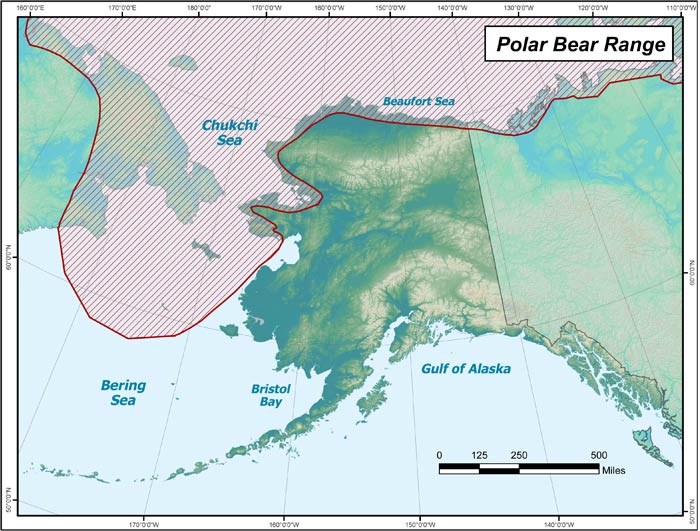
Key Habitats and Geographic Range
The primary areas where polar bears are found include:
- The Beaufort Sea Coast and Arctic National Wildlife Refuge (ANWR): This vast, pristine wilderness is crucial for polar bear denning. The coastal plain of the ANWR is particularly vital, offering land-based denning sites when sea ice conditions are unfavorable for maternal dens on ice.
- The Chukchi Sea Coast: Stretching from Point Hope to Barrow (Utqiagvik), this region is characterized by extensive coastal lagoons and barrier islands. While bears primarily hunt on sea ice, they will come ashore along this coastline.
- Barrier Islands: Islands like Barter Island near Kaktovik are critical staging grounds for bears during the ice-free season, especially when they can feed on whale carcasses left by subsistence hunts.
For travelers, reaching these remote locations requires careful planning and often involves small plane charters, contributing to the adventurous nature of the trip. The raw, untamed beauty of the Alaskan Arctic, with its sweeping tundra, rugged coastlines, and endless skies, is a destination in itself, making the journey to see polar bears an all-encompassing experience.
Planning Your Arctic Expedition: Best Times and Places for Viewing
Witnessing a polar bear in the wild is a privilege, requiring not just luck but meticulous planning to maximize your chances and ensure a safe, responsible journey. The timing of your trip is paramount, as polar bear visibility is highly seasonal and dependent on ice conditions.
Optimal Seasons for Polar Bear Encounters
The best window for land-based polar bear viewing in Alaska is typically late summer and fall, specifically from late August through October. During this period, the sea ice has retreated far north, and many bears come ashore along the Arctic Coast to wait for the ice to return. This is particularly true in areas where subsistence whaling occurs, as the discarded whale carcasses provide a temporary food source, attracting bears to specific coastal locations.
- Late Summer (August-September): As ice recedes, bears begin to congregate near the coast. Weather is relatively milder, and daylight hours are still long, offering ample viewing time. This is also a good time for combining bear viewing with other Arctic wildlife observations like migratory birds.
- Fall (October): This is often considered the prime viewing month, particularly in places like Kaktovik. Temperatures drop significantly, and the first snows may dust the landscape, creating stunning photographic opportunities against a stark white backdrop. Bears are generally more visible as they gather, eagerly awaiting the sea ice formation.
While winter offers the romantic idea of a polar bear on endless ice, accessing these areas is significantly more challenging and requires specialized expedition cruises or extremely remote, multi-day tours. Most accessible polar bear viewing tours are focused on the land-based congregations in late summer and fall.
Premier Polar Bear Viewing Destinations
For travelers determined to see polar bears, two Alaskan communities stand out:
- Kaktovik (on Barter Island):
- The undisputed capital of Alaskan polar bear viewing. Located within the Arctic National Wildlife Refuge (ANWR), Kaktovik is a small Inupiat village that has become famous for its reliable polar bear sightings. In late summer and fall, bears are attracted to the remains of bowhead whale carcasses provided by the local subsistence hunt, which are carefully placed on the barrier islands for polar bear consumption after the Inupiat community has harvested the necessary portions.
- Viewing Experience: Guided boat tours take visitors out into the lagoon, allowing for close-up, yet safe, viewing of bears on the barrier islands. This offers incredible photographic opportunities and a chance to observe bears interacting, resting, and occasionally sparring.
- Travel Logistics: Access to Kaktovik is primarily by small aircraft from Fairbanks or Anchorage. Accommodation is limited to simple guesthouses or lodges, often booked far in advance due to high demand.
- Lifestyle & Accommodation: Expect basic, functional accommodations rather than luxury resorts. The focus here is on the immersive wildlife experience. Meals are often home-cooked, offering a taste of local Alaskan hospitality. Booking a tour package that includes flights, lodging, and guided excursions is highly recommended.

- Utqiagvik (formerly Barrow):
- As the northernmost city in the United States, Utqiagvik also offers opportunities for polar bear sightings, though they can be less consistent than in Kaktovik. Bears are occasionally seen on the sea ice or along the coastline, particularly during migratory periods or when searching for food.
- Viewing Experience: Sightings here are generally less structured than Kaktovik, often relying on local guides who know where to look. It can involve driving along coastal roads or venturing onto the early sea ice (with extreme caution and expertise).
- Travel Logistics: Utqiagvik is accessible by commercial flight from Anchorage or Fairbanks. It offers a few hotels and guesthouses, providing a more established, albeit still remote, tourism infrastructure.
- Local Culture & Activities: Beyond polar bears, Utqiagvik provides a deep dive into Inupiat culture and history, with museums, cultural centers, and local crafts. This offers a rich cultural tourism experience alongside wildlife viewing.
For serious expedition travelers, some niche operators offer longer, more intense journeys into areas like the Gates of the Arctic National Park or extended Arctic coastal treks. These are typically multi-day wilderness expeditions, requiring significant preparation, robust gear, and an acceptance of unpredictable conditions.
Responsible Tourism and Conservation in the Arctic
Traveling to the Alaskan Arctic to see polar bears is not just about personal adventure; it’s an opportunity to engage in responsible tourism that supports conservation and local communities. Polar bears are listed as a threatened species under the United States Endangered Species Act and are classified as “Vulnerable” on the International Union for Conservation of Nature (IUCN Red List), primarily due to the ongoing threat of habitat loss from climate change.
Ensuring a Safe and Ethical Wildlife Encounter
- Choose Reputable Operators: Select tour companies that prioritize bear safety, employ experienced guides, and adhere to strict wildlife viewing protocols. They should maintain appropriate distances, minimize disturbance, and educate guests on ethical practices. Local guides, often members of the Inupiat community, offer invaluable insights into the land and its inhabitants, and choosing them supports the local economy.
- Respect Wildlife Distances: Never approach a polar bear. Follow your guide’s instructions regarding safe viewing distances, which are mandated by federal regulations. Remember, these are wild, powerful animals.
- Minimize Your Footprint: Practice “Leave No Trace” principles. Pack out everything you pack in. Be mindful of waste, particularly plastics, which can harm delicate Arctic ecosystems.
- Support Local Communities: Your visit can provide vital economic support to remote Inupiat villages. Purchase local crafts, dine at local eateries, and respectfully engage with residents. Learn about their subsistence lifestyle and deep connection to the land and its wildlife.
- Understand Arctic Protocols: Be prepared for strict safety regulations, especially concerning food storage and waste disposal, to prevent attracting bears into communities. The United States Fish and Wildlife Service plays a critical role in managing human-polar bear interactions in these areas.
The Role of Tourism in Conservation
By traveling responsibly to see polar bears, you contribute to their conservation in several ways:
- Awareness: Your firsthand experience can deepen your understanding of the challenges facing polar bears and inspire advocacy for climate action.
- Funding: Fees from reputable tours often contribute to local conservation initiatives, research, and community programs aimed at protecting polar bear habitats.
- Economic Incentive: Sustainable tourism provides an economic alternative to industries that might otherwise pose a greater threat to Arctic ecosystems, such as resource extraction. It demonstrates the value of living polar bears.
Beyond the Polar Bear: Experiencing Alaska’s Northern Lifestyle
While the quest for polar bears is undeniably the main draw, an Alaskan Arctic adventure offers a wealth of other experiences, transforming a wildlife trip into a comprehensive cultural and natural journey. The focus on travel, tourism, and lifestyle extends far beyond just spotting an animal.
Immersing in Inupiat Culture
The indigenous Inupiat people have thrived in the Alaskan Arctic for thousands of years, developing a rich culture deeply intertwined with the land, sea, and wildlife. Visiting communities like Utqiagvik or Kaktovik provides an invaluable opportunity to learn about their traditions, art, and resilience.
- Local Cuisine: Experience traditional Alaskan Native foods, which often include whale, caribou, and fish. While not always available for tourists, some lodges and guesthouses might offer local dishes, providing a unique culinary experience that speaks to the subsistence lifestyle.
- Art and Crafts: Explore local shops for authentic Inupiat carvings, baleen etchings, and traditional clothing made from local materials. These unique souvenirs offer a tangible connection to the region’s heritage.
- Cultural Centers: Many Arctic communities have cultural centers or small museums that tell the story of their history, traditions, and connection to the environment. These are excellent places to deepen your understanding of the local way of life.
Other Arctic Wildlife and Natural Wonders
The Arctic is a biodiversity hotspot, offering sightings of other remarkable species:
- Marine Mammals: Depending on the season and location, you might spot bowhead whales, beluga whales, seals (ringed, bearded, spotted), and walruses in the waters of the Bering Sea and Arctic Ocean.
- Birds: The Arctic tundra comes alive with migratory birds during summer, including various species of geese, ducks, shorebirds, and raptors like snowy owls.
- Land Mammals: Keep an eye out for caribou, muskoxen, Arctic foxes, and snowshoe hares on land.
Beyond wildlife, the sheer grandeur of the Alaskan Arctic landscape is a landmark in itself. The endless expanse of tundra, the dramatic coastline, and the stunning sunsets and sunrises over the frozen horizon create a landscape of unparalleled beauty. If your trip extends further south into Alaska, destinations like Denali National Park or the glaciers near Anchorage offer contrasting but equally captivating natural wonders.
Accommodation and Travel Tips for the Arctic Enthusiast
Traveling to the Alaskan Arctic demands a different approach to accommodation and logistics compared to mainstream travel.
- Accommodation in Remote Areas: As mentioned, hotels and resorts in Arctic villages are typically basic but clean and comfortable. Expect simple guesthouses or small lodges. Amenities might be limited, but the hospitality is often warm and genuine. Booking well in advance is crucial, especially for peak polar bear viewing season.
- Packing Essentials: Layered clothing is non-negotiable. Even in fall, temperatures can drop significantly. Essential items include waterproof outer layers, insulated boots, warm hats, gloves, and thermal underwear. Good quality binoculars and a camera with a telephoto lens are also highly recommended.
- Health and Safety: Be prepared for potential medical emergencies by carrying a comprehensive first-aid kit and informing your tour operator of any medical conditions. Understand that medical facilities are extremely limited in remote Arctic communities.
- Connectivity: Internet and cell service can be spotty or non-existent in many Arctic regions. Embrace this opportunity to disconnect and immerse yourself fully in the experience.
- Cost Considerations: An Arctic expedition is an investment. Flights to remote villages are expensive, and specialized tours command premium prices. Consider this a once-in-a-lifetime luxury travel experience, where the value lies in the unparalleled encounter with nature.
In conclusion, polar bears are indeed a significant part of Alaska’s incredible wildlife tapestry, inhabiting its remote northern coastlines. For the discerning traveler seeking adventure, profound natural encounters, and a chance to engage with a unique culture, an expedition to the Alaskan Arctic offers an unparalleled and deeply rewarding experience. It’s a journey that challenges, inspires, and leaves an indelible mark, reminding us of the majestic beauty and fragility of our planet’s wild places.
LifeOutOfTheBox is a participant in the Amazon Services LLC Associates Program, an affiliate advertising program designed to provide a means for sites to earn advertising fees by advertising and linking to Amazon.com. Amazon, the Amazon logo, AmazonSupply, and the AmazonSupply logo are trademarks of Amazon.com, Inc. or its affiliates. As an Amazon Associate we earn affiliate commissions from qualifying purchases.