
Planning a sun-soaked getaway to Florida means anticipating pristine beaches, thrilling theme parks, and vibrant cities. Whether you’re navigating the bustling streets of Miami, cruising down to the Florida Keys, or heading to the magical resorts of Orlando, driving is an integral part of the Florida experience. For many travelers, especially those accustomed to using radar detectors in other states, a crucial question arises: “Are radar detectors legal in Florida?” Understanding the state’s regulations regarding these devices is essential for a smooth and ticket-free vacation, ensuring your focus remains on enjoying all the Sunshine State has to offer, from its diverse attractions to its unique local culture.
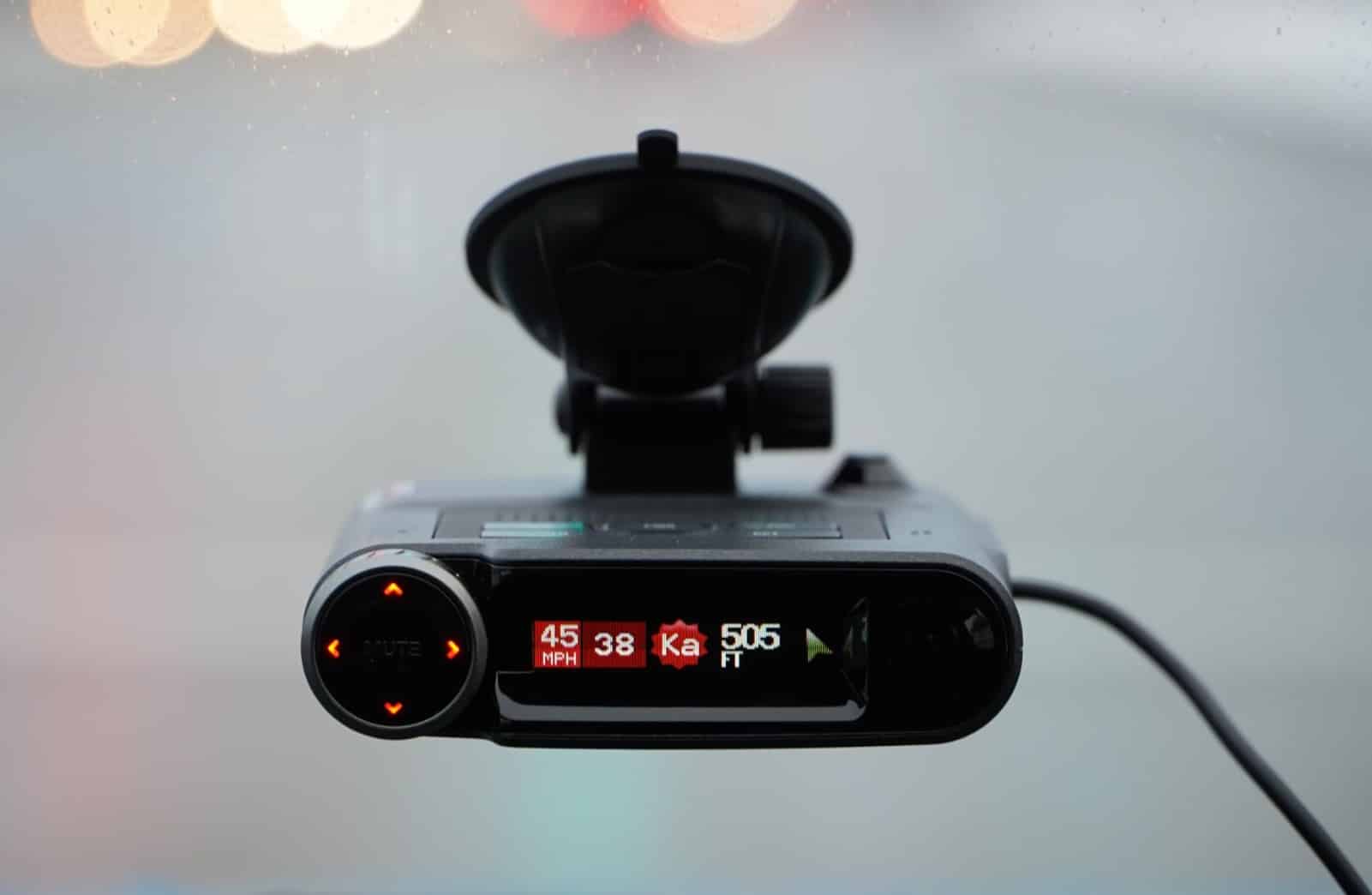
This guide will delve into the legalities surrounding radar detectors for private and commercial vehicles in Florida, provide practical advice for drivers, and offer insights into how these rules might impact your travel plans. Our aim is to equip you with the knowledge to make informed decisions, allowing you to drive confidently and responsibly while exploring Florida’s many wonders.
Understanding the Legal Landscape for Radar Detectors in Florida
The legality of radar detectors in the United States can be a patchwork of federal and state laws, leading to confusion for drivers, particularly those traveling across state lines. In Florida, the regulations are relatively straightforward, but it’s crucial to understand the nuances, especially concerning different vehicle types.
Federal vs. State Regulations: A Dual Perspective
At the federal level, radar detectors are generally permitted for use in private passenger vehicles across the United States. This federal stance, however, doesn’t preclude individual states from enacting their own, more restrictive laws. Most states defer to the federal allowance for private cars, but a few have chosen to prohibit them. Florida falls into the category of states that largely align with federal allowances for non-commercial vehicles.
The federal prohibition specifically targets commercial motor vehicles (CMVs). The use of radar detectors in any vehicle weighing 10,000 pounds or more, or any vehicle transporting hazardous materials or a specified number of passengers for compensation, is strictly prohibited by the Federal Motor Carrier Safety Administration (FMCSA). This is a critical distinction for truck drivers, bus operators, and certain large RVs, irrespective of the state they are traveling through. Violations can lead to significant fines and penalties for both the driver and the carrier.
Private Vehicle Use: Generally Permitted in Florida
For the vast majority of tourists and residents driving standard passenger cars, the news is good: radar detectors are legal for use in private vehicles throughout the state of Florida. There are no specific state laws in Florida that prohibit their purchase, possession, or operation in non-commercial passenger vehicles. This means if you’re driving your personal car, an SUV for a family trip, or a rental car (as long as you comply with the rental agreement terms regarding modifications or accessories), you can legally use a radar detector on Florida’s roads.
This legality extends to all parts of the state, from the northern Panhandle to the southernmost tip of Key West. However, legality does not equate to invincibility. It’s important to remember that a radar detector is merely a tool to detect police radar signals; it does not grant you permission to exceed posted speed limits or drive recklessly. Law enforcement officers in Florida are vigilant, and while a detector might give you an early warning, it’s not a foolproof shield against speeding tickets or, more importantly, the dangers of unsafe driving.
Commercial Vehicle Restrictions: A Strict Federal Ban
As mentioned, the federal ban on radar detectors in commercial motor vehicles (CMVs) applies nationwide, and Florida is no exception. If you are operating a CMV—which includes anything from large freight trucks traversing Interstate 95 to charter buses transporting tourists to Walt Disney World Resort or Universal Orlando Resort—you are strictly forbidden from using a radar detector. The penalties for violating this federal regulation can be severe, including substantial fines for the driver and the motor carrier, and potential negative impacts on commercial driving records. This federal rule is consistently enforced, and commercial drivers passing through Florida must adhere to it without exception.
Why Travelers Should Care: Beyond Mere Legality
While the legality of radar detectors for private vehicles in Florida is clear, travelers should consider the broader implications of using such devices. Your goal for any trip to Florida is to enjoy the journey and the destination, not to spend your precious vacation time dealing with traffic stops or unexpected fines.
The Purpose of Radar Detectors: A Double-Edged Sword
Radar detectors are designed to alert drivers to the presence of police radar guns, which are used to measure vehicle speed. The primary purpose for most users is to avoid speeding tickets by being forewarned of speed traps, thus allowing them to adjust their speed accordingly. For many, this translates to saving money on fines, insurance premium increases, and avoiding points on their driving record. In a state like Florida, where speed enforcement can be prevalent on major highways and around popular tourist destinations, the appeal of a radar detector is understandable.
However, relying solely on a radar detector can be a double-edged sword. While it might offer an early warning, it can also foster a false sense of security, potentially encouraging drivers to push speed limits until an alert sounds. This approach undermines road safety and can lead to dangerous driving habits, shifting focus from responsible driving to evading detection.
The Risks of Relying Solely on Detectors: Limitations and Liabilities
Despite their capabilities, radar detectors have limitations. They are effective against conventional police radar, but not always against all forms of speed enforcement.
- Laser Guns (Lidar): Many modern police units utilize laser guns (Lidar), which emit a narrow, focused beam that is extremely difficult for radar detectors to detect in time. By the time a laser detector alerts you, your speed has usually already been clocked.
- “Instant-On” Radar: Police can use “instant-on” radar, where the gun is only activated for a brief moment to clock a single vehicle. This makes it challenging for detectors to pick up a signal before you’re already caught.
- False Alarms: Radar detectors can often pick up signals from automatic door openers at gas stations, grocery stores, and other commercial establishments, leading to frequent false alarms. This can be annoying and can desensitize drivers to actual warnings.
- Safety Implications: The most significant risk is that a radar detector might encourage aggressive driving behavior. Pushing the speed limit and relying on a device to avoid getting caught puts yourself, your passengers, and other road users at risk. An unexpected stop by law enforcement, even if legal, can still disrupt your travel plans and add stress to your vacation.
Safety and Responsibility: Prioritizing Your Trip
Ultimately, the most effective “detector” for avoiding speeding tickets and ensuring a safe journey through Florida is responsible driving. Adhering to posted speed limits, being aware of your surroundings, and driving defensively are not just legal requirements but fundamental principles for safe travel.
- Adhere to Speed Limits: Florida’s speed limits are clearly posted and are designed to ensure safety on various types of roadways.
- Stay Alert: Pay attention to road signs, traffic patterns, and the presence of law enforcement.
- Avoid Distractions: Put away your phone, focus on the road, and keep your hands on the wheel.
- Plan Your Route: Use GPS for navigation, but always keep an eye out for changes in speed limits or road conditions.

By prioritizing safety and responsible driving, you can enjoy all that Florida has to offer without the worry of unexpected traffic stops, fines, or accidents. Your trip should be about making memories, not legal skirmishes.
Practical Tips for Driving in Florida
Navigating Florida’s diverse roadways requires awareness, not just of the legalities of radar detectors, but of general driving practices. Here are some practical tips to ensure a pleasant and trouble-free driving experience during your visit.
Speed Limits and Enforcement: Know the Rules
Florida enforces its speed limits rigorously, especially in areas with high traffic volumes, construction zones, and around school zones.
- Interstates and Expressways: Speed limits on major interstates like I-75 and I-4 typically range from 65 to 70 mph.
- State Roads: On state roads and major arteries, limits are often 55 mph.
- Urban and Residential Areas: Expect limits to drop significantly to 30-45 mph in urban areas like downtown Tampa or Jacksonville, and as low as 20-25 mph in residential neighborhoods and school zones.
- Construction Zones: Always reduce your speed in marked construction zones, as fines are often doubled in these areas.
Law enforcement agencies, including the Florida Highway Patrol, county sheriffs, and local police departments, use a variety of methods for speed enforcement, including marked and unmarked vehicles, radar guns, and laser guns. They often patrol areas where speed limits change suddenly, on long stretches of highway where drivers might be tempted to speed, and near popular attractions.
Alternatives to Radar Detectors: Smart Driving Tools
Instead of relying on a device designed to detect law enforcement, consider leveraging modern technology that promotes safer and more informed driving:
- GPS Apps with Speed Trap Warnings (e.g., Waze): Community-based navigation apps like Waze provide real-time traffic updates, accident alerts, and often notify users of reported speed traps. These apps rely on crowdsourced information, offering warnings that don’t violate any laws.
- Adaptive Cruise Control and Lane-Keeping Assist: Many modern rental cars or personal vehicles are equipped with advanced driver-assistance systems (ADAS). While not speed trap detectors, features like adaptive cruise control help maintain a safe following distance and speed, promoting a relaxed and safer driving experience, especially on long stretches. Lane-keeping assist helps prevent unintentional lane departures.
- Traffic and Weather Apps: Staying informed about traffic congestion, road closures, and weather conditions can help you plan your route more effectively and avoid situations where speeding might be tempting due to delays.
- Good Old-Fashioned Vigilance: The most reliable “alternative” is simply to pay attention to your speedometer, observe traffic laws, and be aware of your surroundings.
What to Do if Pulled Over: Rights and Responsibilities
Even with the best intentions, you might find yourself pulled over by law enforcement. Knowing how to react can make a significant difference in the outcome:
- Pull Over Safely: As soon as you realize an officer is signaling you, pull over to the right side of the road safely and signal your intentions.
- Remain Calm: Stay in your vehicle, keep your hands visible (e.g., on the steering wheel), and avoid any sudden movements.
- Be Polite and Cooperative: Present your driver’s license, vehicle registration, and proof of insurance when requested. Answer questions truthfully and respectfully.
- Know Your Rights: You have the right to remain silent, and you do not have to consent to a search of your vehicle unless there is probable cause. However, be respectful in asserting your rights.
- Understand Consequences: If you receive a ticket, understand the fine amount, the number of points it might add to your license, and your options for payment or contesting the ticket. Many tickets can be paid online, but some may require a court appearance or enrolling in a traffic school to avoid points.
Florida’s Unique Driving Environment for Tourists
Florida’s allure lies in its vast diversity, which also translates to a varied driving environment. Understanding these unique aspects can enhance your travel experience and prepare you for what to expect on the road.
Diverse Roadways: From Coasts to Everglades
Driving in Florida offers a kaleidoscope of landscapes and road types. You might find yourself on:
- Urban Expressways: Bustling multi-lane highways like the Palmetto Expressway in Miami-Dade County or I-4 cutting through Orlando, often crowded with commuters and tourists.
- Scenic Coastal Routes: Iconic drives like U.S. 1 down to the Florida Keys, offering breathtaking views of the Atlantic Ocean and Gulf of Mexico. These roads can have varying speed limits and are often patrolled for scenic safety.
- Rural Roads: Exploring areas like Everglades National Park or the vast agricultural heartland involves driving on two-lane roads with less traffic but also fewer services.
- Historic Districts: Navigating the narrow, cobblestone streets of St. Augustine requires slow speeds and careful attention to pedestrians.
Each environment presents its own driving challenges and requires different levels of vigilance. Tourists often underestimate the sheer size and driving distances within Florida, making proper planning crucial.
Popular Tourist Destinations: Navigating the Crowds
Florida is home to some of the world’s most visited attractions, and driving to and from these spots often means dealing with heavy traffic and focused speed enforcement.
- Theme Parks in Orlando: Areas around Walt Disney World Resort, Universal Orlando Resort, and SeaWorld Orlando are known for high traffic volumes and diligent speed enforcement, particularly on approach roads and exits.
- Beaches: Driving to popular beach destinations like South Beach in Miami, Clearwater Beach, or the white sands of the Panhandle also means navigating congested coastal roads and parking areas.
- Major Cities: Miami, Orlando, Tampa, and Jacksonville all have their unique traffic patterns and local law enforcement strategies. Be especially mindful of urban speed limits and pedestrian zones.
When driving in these areas, defensive driving and adherence to speed limits are far more effective than relying on a radar detector, which may give late warnings in complex urban environments.

Rental Cars and Detector Use: A Note of Caution
If you’re planning to rent a car in Florida, there are a few extra considerations regarding radar detectors:
- Rental Agreement: Always review your rental car agreement. While using a radar detector might be legal for private vehicles, some rental companies may have clauses restricting the installation or use of aftermarket devices in their vehicles. Attaching devices to the windshield might also be prohibited in certain areas or by the rental agency.
- Damage Concerns: Improper installation or removal of a radar detector could potentially damage the rental car’s interior or electronics, for which you would be liable.
- No Integrated Detectors: Rental cars typically do not come with integrated radar detectors, so you would need to bring your own and install it.
It’s generally simpler and safer to rely on your smartphone’s navigation apps and responsible driving habits than to deal with the potential hassle of installing and removing a radar detector in a rental vehicle.
In conclusion, while radar detectors are generally legal for private passenger vehicles in Florida, their effectiveness and necessity are debatable for travelers. The real key to an enjoyable and stress-free driving experience in the Sunshine State lies in responsible driving, adherence to traffic laws, and an awareness of the unique driving conditions Florida presents. Focus on the beauty and excitement of your destination, and let safe driving guide you there.
LifeOutOfTheBox is a participant in the Amazon Services LLC Associates Program, an affiliate advertising program designed to provide a means for sites to earn advertising fees by advertising and linking to Amazon.com. Amazon, the Amazon logo, AmazonSupply, and the AmazonSupply logo are trademarks of Amazon.com, Inc. or its affiliates. As an Amazon Associate we earn affiliate commissions from qualifying purchases.