
Embarking on a journey through the vast and diverse landscapes of Texas, whether for business or pleasure, offers an unforgettable experience. From the bustling metropolitan hubs of Houston and Dallas to the historic charm of San Antonio and the vibrant culture of Austin, the Lone Star State beckons millions of travelers annually. As visitors plan their itineraries, considering everything from accommodation options to local attractions and culinary delights, a common question arises for those who rely on technology to navigate the roads: are radar detectors legal in Texas? Understanding the nuances of state and federal laws regarding these devices is crucial for a smooth and lawful travel experience.

The answer to this question isn’t a simple yes or no, as it largely depends on the type of vehicle you are operating. For the vast majority of private drivers and tourists exploring Texas in their personal vehicles, radar detectors are generally permitted. However, the law takes a distinctly different stance when it comes to commercial motor vehicles (CMVs). This distinction is vital for anyone planning a road trip, a business journey, or simply passing through the state. Navigating the open roads of Texas responsibly means not only adhering to speed limits and traffic laws but also being aware of the regulations surrounding auxiliary devices like radar detectors. This guide aims to clarify the legal landscape, provide essential insights for travelers, and offer a broader perspective on safe and enjoyable driving in the Lone Star State.
The Legal Landscape of Radar Detectors in Texas
When discussing the legality of radar detectors, it’s important to differentiate between federal regulations and state-specific laws. This distinction is particularly relevant in the context of Texas, a state known for its independent spirit and unique legal framework. While some states have outright banned radar detectors for all vehicles, Texas has adopted a more nuanced approach, aligning with federal guidelines that specifically target commercial operations. Understanding these layers of legislation is key to staying on the right side of the law during your travels.
Understanding Federal Regulations vs. State Laws
At a federal level, the use of radar detectors in certain vehicles is prohibited. Specifically, the Federal Motor Carrier Safety Regulations (FMCSRs), enforced by the Department of Transportation (DOT), ban the use of radar detectors in all commercial motor vehicles (CMVs) weighing over 10,000 pounds. This regulation applies nationwide, meaning that if you are operating a large commercial truck, bus, or any other vehicle that falls under the CMV classification, possessing or using a radar detector anywhere in the United States, including Texas, is illegal. The rationale behind this federal ban is to discourage speeding among professional drivers who are responsible for transporting goods and passengers, thereby enhancing overall road safety. Violations can lead to significant fines and penalties for both the driver and the carrier.
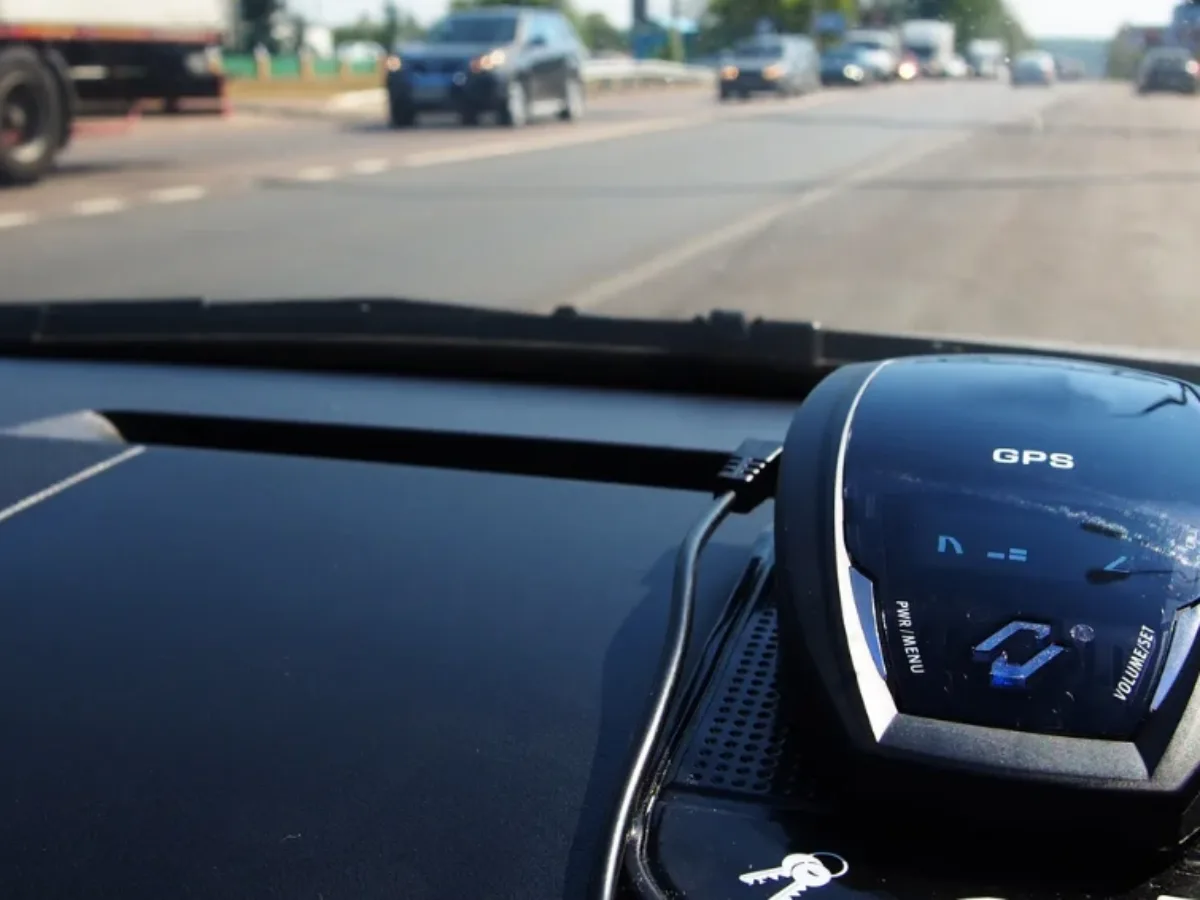
For private passenger vehicles, however, federal law generally permits the use of radar detectors. There are only two states in the entire country, Virginia and Washington D.C., where radar detectors are completely illegal for all vehicles. In all other states, including Texas, non-commercial vehicles are free to use these devices. This means that if you’re driving your personal car, SUV, or motorcycle, you typically won’t face legal repercussions for having a radar detector mounted in your vehicle in Texas. It’s always prudent, however, to ensure the device does not obstruct your view of the road, as this could potentially lead to other traffic violations.
Specifics for Private vs. Commercial Vehicles
Let’s break down the legalities explicitly for different types of vehicles in Texas:
- Private Passenger Vehicles: For individuals driving personal cars, SUVs, pickup trucks (not for commercial purposes), or recreational vehicles (RVs) that do not meet the CMV definition, radar detectors are legal in Texas. This allows many tourists and local residents to use these devices to detect police radar signals, which some believe can help them avoid speeding tickets. However, it’s crucial to remember that a radar detector is a tool, not a license to speed. Driving within posted speed limits remains the safest and most legally sound approach to navigating Texas roads. The presence of a radar detector does not exempt a driver from traffic laws or the consequences of violating them.
- Commercial Motor Vehicles (CMVs): As per federal regulations, and consequently enforced in Texas, the use of radar detectors in any commercial motor vehicle is illegal. This includes semi-trucks, large delivery vans, commercial buses, and any vehicle used for business purposes that meets the federal definition of a CMV. The penalties for violating this rule can be severe, including substantial fines for the driver and the company, points on a commercial driver’s license (CDL), and potential impacts on insurance rates. For commercial drivers traveling through Texas, it is imperative to remove any radar detectors from their vehicles to comply with both state and federal law. This applies to interstate as well as intrastate commercial operations.
It’s also worth noting that while radar detectors are legal for private use, laser jammers, which actively interfere with police laser speed guns, are generally illegal in Texas and many other states. A radar detector passively detects signals, while a laser jammer actively attempts to block or distort them, which is considered an obstruction of law enforcement. Always ensure that any device you use is merely a passive detector and not an active jammer to avoid additional legal complications.
Implications for Travelers and Tourists in the Lone Star State
For tourists and individuals planning a memorable road trip through Texas, understanding the radar detector laws is just one piece of the puzzle. The state offers an incredible array of experiences, from the historic Alamo in San Antonio to the innovative spirit of the NASA Johnson Space Center in Houston, and the natural beauty of Big Bend National Park. Ensuring a hassle-free journey involves not only adherence to traffic laws but also preparation for the unique driving conditions the state presents.
Navigating Texas Road Trips Safely and Legally
Texas is massive, and covering its expansive distances often involves long stretches of highway. Popular routes like Interstate 10 stretching from east to west, Interstate 35 connecting Dallas, Austin, and San Antonio, or Interstate 45 linking Dallas to Houston and Galveston, can see varying speed limits and law enforcement presence. While private vehicle owners are legally permitted to use radar detectors, relying solely on these devices can be a risky strategy. Speed limits are posted for a reason, reflecting safe driving conditions for specific road types and areas.
Instead of pushing the limits, travelers should prioritize safe driving practices. This includes observing posted speed limits diligently, especially in construction zones, school zones, and urban areas like Fort Worth and El Paso. Aggressive driving and excessive speeding not only increase the risk of accidents but also attract the attention of law enforcement, rendering a radar detector largely ineffective if you’re already breaking the law. For those embarking on extensive Texas road trips, planning regular stops at roadside attractions, restaurants, or hotels for rest is crucial to combat driver fatigue, a significant factor in road accidents. Enjoying the journey responsibly ensures that your memories of the Lone Star State are positive ones, free from legal troubles.
Common Misconceptions and Best Practices
One common misconception is that a radar detector provides absolute immunity from speeding tickets. This is far from the truth. Radar detectors can only warn you about police radar guns that are actively transmitting a signal. They cannot detect laser speed guns unless the signal is “scattered” and picked up by the detector’s laser sensor, often when it’s already too late. Furthermore, some law enforcement agencies use unmarked cars or rely on methods that are not detectable by standard radar detectors. Therefore, while legal for private use, a radar detector should be seen as a supplementary tool, not a primary defense against speeding violations.
Best Practices for Travelers:
- Observe Speed Limits: This is the golden rule. No technology can replace adherence to posted speed limits.
- Stay Alert: Pay attention to road signs, traffic patterns, and your surroundings. Texas Department of Public Safety (DPS) patrols are common on major interstates and state highways.
- Drive Defensively: Anticipate potential hazards and be prepared to react.
- Avoid Distractions: Put away your phone and focus solely on driving.
- Know Your Vehicle: Ensure your car is in good working condition, especially before a long road trip. This includes checking tires, oil, and fluid levels.
- Plan Your Route: Utilize modern navigation apps, but don’t become overly reliant on them. Be aware of your surroundings.
- Understand Local Nuances: While the radar detector law is state-wide, different counties or cities might have slightly different enforcement priorities.
Beyond Radar Detectors: A Holistic Approach to Road Safety in Texas
While the legality of radar detectors addresses a specific concern for drivers, a truly enriching and safe travel experience in Texas goes much deeper. The state offers a tapestry of local culture, vibrant tourism opportunities, and iconic landmarks like the Sixth Floor Museum at Dealey Plaza in Dallas, the Riverwalk in San Antonio, or the grandeur of the Capitol Building in Austin. To fully appreciate these facets, adopting a holistic approach to road safety and responsible travel is paramount.
Essential Driving Tips for Visitors to Texas
Driving in Texas can be different from other parts of the country. Here are some key tips for visitors:
- Be Prepared for Varied Conditions: Texas weather can change rapidly. From intense summer heat that can affect tire pressure and engine performance to sudden thunderstorms, fog, or even occasional winter ice in northern parts, drivers must be ready. Always check the weather forecast before embarking on long drives.
- Watch for Wildlife: Especially in rural areas and near national parks like Guadalupe Mountains National Park, deer, wild hogs, and other animals can pose a hazard, particularly at dawn and dusk. Drive cautiously and be ready to react.
- Understand Texas Road Culture: Texans are generally courteous drivers, but the sheer size of the state means long commutes are common. Expect a mix of driving styles, from fast-paced city traffic to more relaxed rural routes.
- Stay Hydrated: During hot Texas summers, it’s easy to get dehydrated, which can impair judgment. Keep water in your vehicle.
- Vehicle Maintenance: If you’re driving your own car, ensure it’s well-maintained. If you’re renting, inspect the vehicle thoroughly before departing. Many accommodation providers, especially those offering long-term stays or resorts, have ample parking, but it’s always good to be mindful of your vehicle’s condition.

Exploring Texas Responsibly
Beyond the asphalt, Texas invites travelers to immerse themselves in its vibrant local culture, from its legendary BBQ in Lockhart to the lively music scene in Austin and the beautiful beaches of Corpus Christi. Responsible travel includes respecting local customs, supporting local businesses, and minimizing your environmental impact. When planning your travel, consider eco-friendly hotels or sustainable tourism options.
Whether your lifestyle leans towards luxury travel, budget-friendly adventures, family trips, or business stays, Texas has something for everyone. By prioritizing safety, respecting laws, and embracing the spirit of the Lone Star State with an informed mindset, your visit can be truly unforgettable. While a radar detector might be a legal accessory for your private vehicle in Texas, the most effective and responsible way to ensure a smooth journey is to drive attentively, follow the rules of the road, and savor every moment of your exploration. This approach not only safeguards your legal standing but also significantly enhances the overall quality of your travel experience, allowing you to focus on the incredible destinations and experiences that await.