
The vast, stunning landscapes of Colorado beckon travelers with promises of adventure, from the majestic peaks of the Rocky Mountains to the vibrant culture of its cities. Whether you’re planning a scenic road trip to explore national parks like Rocky Mountain National Park, seeking luxury accommodations in Aspen, or enjoying a family vacation in Denver, understanding local regulations is paramount to a smooth and enjoyable experience. Among the many curiosities travelers might have when preparing for their trip to the Centennial State, one question frequently arises: “Are radar detectors legal in Colorado?” This article aims to provide a comprehensive answer, delving into the specifics of Colorado law and offering practical advice for visitors.
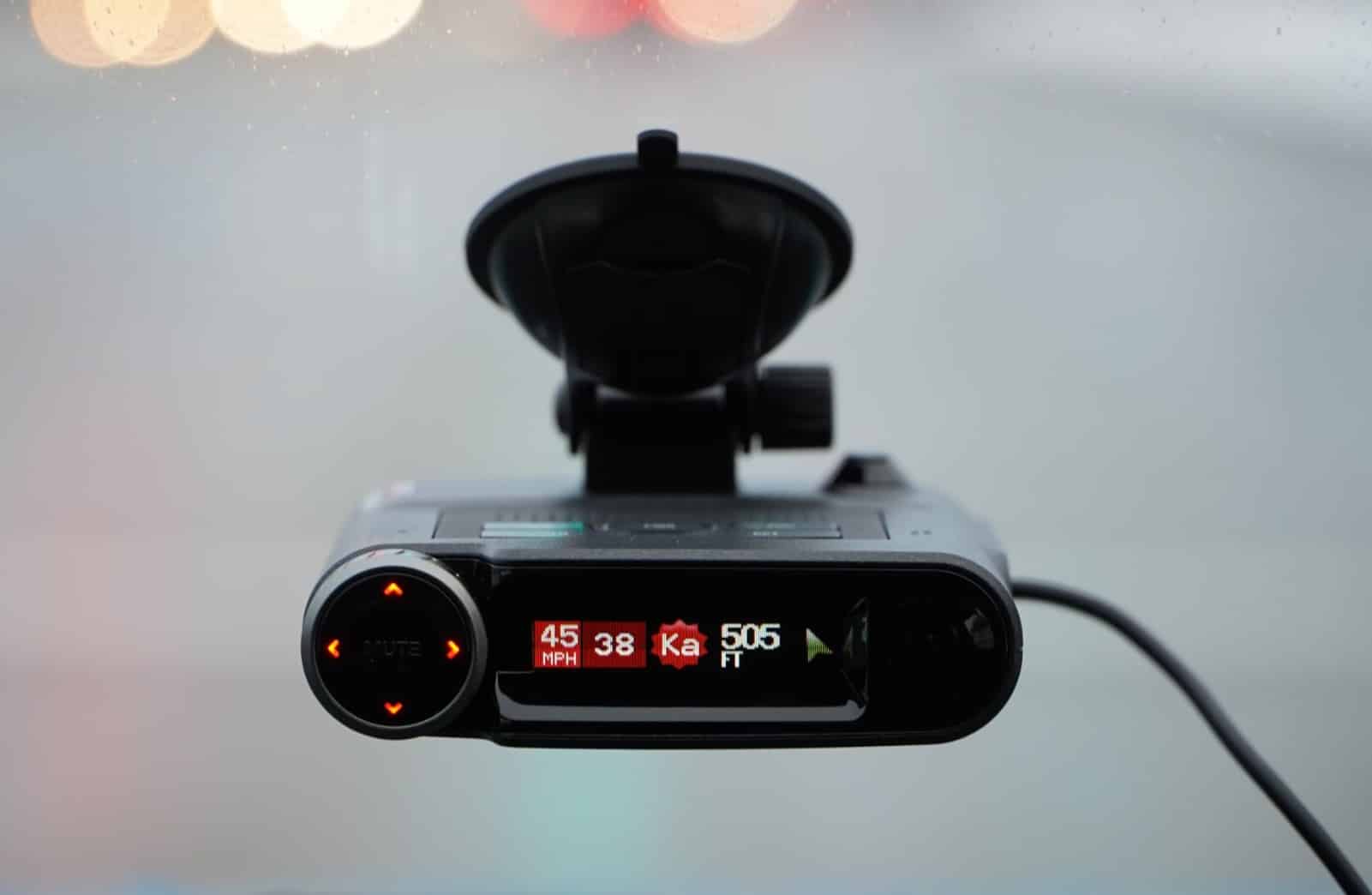
The freedom of the open road is a significant part of the travel experience for many, and for some, that includes the use of radar detectors. These devices are designed to alert drivers to the presence of speed monitoring systems, ostensibly to help them avoid speeding tickets. However, their legality varies significantly from state to state, and even within different types of vehicles. For travelers navigating Colorado, it’s essential to be informed to avoid potential fines and legal complications that could mar an otherwise memorable journey.
Understanding Radar Detector Laws in Colorado
The core of the question “Are radar detectors legal in Colorado?” hinges on Colorado Revised Statutes (C.R.S.). The state’s approach to radar detector legality is relatively straightforward but important to grasp.
General Legality for Passenger Vehicles
In Colorado, it is legal to possess and use radar detectors in most passenger vehicles, including cars, SUVs, and pickup trucks. This means that if you are driving your personal vehicle or a rented car for leisure or business purposes, you are generally permitted to have a radar detector installed and operational. This aligns Colorado with many other states that permit the use of these devices for private drivers. The emphasis here is on “passenger vehicles.” This distinction is crucial and leads us to specific exceptions.
Restrictions on Commercial Vehicles
While passenger car drivers can breathe a sigh of relief, the situation changes significantly for commercial drivers. Colorado law, specifically C.R.S. § 42-4-229, prohibits the use of radar detectors in commercial motor vehicles. This includes trucks, buses, and any vehicle used for the transportation of goods or passengers for hire. The rationale behind this restriction is rooted in safety concerns for larger vehicles that often carry significant weight and pose a greater risk in the event of an accident. Enforcement of traffic laws is often stricter for commercial vehicles to ensure public safety on the highways.
This distinction is vital for anyone planning a business trip involving a company vehicle or a self-drive tour involving a larger rental. Drivers of these vehicles must be aware that possessing or operating a radar detector could result in citations and penalties, which can have serious repercussions for their professional licenses and livelihoods.
Navigating Colorado’s Roads Safely and Legally
Beyond the specific legality of radar detectors, understanding Colorado’s general traffic laws and safe driving practices is key to a positive travel experience. The state’s diverse terrain, from urban centers like Denver and Colorado Springs to remote mountain passes, presents unique driving challenges and opportunities.
Speed Limits and Enforcement

Colorado has set speed limits that are designed to ensure safety across its varied road conditions. It’s important to remember that speed limits can change frequently, especially when transitioning from interstate highways to state roads or entering towns. For instance, while the speed limit on sections of I-70 might be higher, driving through a town like Vail or near a popular landmark such as the Garden of the Gods will undoubtedly involve lower, more carefully enforced limits.
Enforcement of speed limits is carried out by various law enforcement agencies, including the Colorado State Patrol and local police departments. They utilize a range of methods, including radar, lidar (laser), and aircraft surveillance, to monitor vehicle speeds. While a radar detector might be legal for your passenger car in Colorado, it is not a substitute for attentive driving and adherence to posted speed limits. The best way to avoid a speeding ticket, regardless of whether you use a radar detector, is to drive responsibly and be aware of your surroundings.
Distracted Driving and Other Violations
In addition to speed, Colorado has strict laws against distracted driving, including the use of mobile phones while driving. Many travelers are tempted to use their phones for navigation or to capture the stunning scenery. However, it is crucial to be aware of hands-free laws and regulations regarding mobile device usage. Pulling over to a safe location to use your phone is always the safest and most legal option.
Other common traffic violations that travelers should be mindful of include impaired driving, failure to yield, and improper lane changes. Law enforcement in Colorado is vigilant about enforcing these laws to maintain safety for all road users. This vigilance extends to scenic byways and popular tourist routes, so even when enjoying the drive, maintaining focus is essential.
Alternatives to Radar Detectors
For those concerned about avoiding speeding tickets or simply wanting to drive more mindfully, there are alternatives to radar detectors. Many modern GPS devices and smartphone applications offer speed limit notifications and alerts for known speed trap locations. These tools can be just as effective, if not more so, in helping drivers stay within legal speed limits. Services like Waze, for example, provide real-time alerts from other users about police presence and speed traps, offering a community-driven approach to traffic awareness.
When planning your trip to Colorado, whether it’s for outdoor adventures, exploring historical sites like the Mesa Verde National Park, or enjoying the vibrant cultural scene in cities like Boulder, integrating safe and legal driving practices will ensure your journey is as rewarding as the destination itself. Remember to check the latest regulations before your trip, as laws can sometimes change. Enjoy the breathtaking beauty and exhilarating experiences that Colorado has to offer, all while keeping safety and legal compliance at the forefront of your travel plans.
Exploring Colorado’s Attractions and Accommodations
The question of radar detector legality, while specific, is often part of a broader concern for travelers: how to navigate and enjoy Colorado without encountering legal troubles or inconveniences. The state offers an incredible array of attractions that draw visitors from around the globe.
For nature enthusiasts, the sheer grandeur of the Rocky Mountains is unparalleled. Hiking, skiing, and wildlife viewing are popular activities in areas like Aspen, Vail, and Telluride. Families might find themselves drawn to the interactive exhibits at the Denver Museum of Nature & Science or the thrilling roller coasters at Elitch Gardens. History buffs can delve into the past at Mesa Verde National Park, exploring ancient Pueblo cliff dwellings, or visit the Colorado State Capitol Building in Denver.
When it comes to accommodations, Colorado caters to every taste and budget. From luxurious resorts in Aspen offering world-class amenities and stunning mountain views, to charming boutique hotels in towns like Estes Park, there’s a perfect place to stay. For those seeking a more independent experience, apartments and villas are available for rent, ideal for longer stays or families wanting more space. Travelers can compare options and read reviews on various booking platforms to find the best fit for their needs. Popular hotel chains like the Four Seasons Resort and Residences Vail and independent establishments alike strive to offer exceptional service, ensuring a comfortable base for exploring the state’s wonders.
The culinary scene in Colorado is also a significant draw. From farm-to-table restaurants in Boulder to breweries and eateries in Denver, visitors can savor a wide range of flavors. Exploring local culture often involves engaging with these culinary traditions, attending festivals, or visiting farmers’ markets.
Ultimately, whether you are a luxury traveler seeking high-end experiences, a budget-conscious explorer, or a family on an adventure, Colorado provides a rich tapestry of experiences. Understanding straightforward legal matters like radar detector use in passenger vehicles ensures that your focus can remain on the journey itself, from the moment you hit the road to your exploration of iconic landmarks and hidden gems. By staying informed and driving responsibly, you can make the most of your unforgettable Colorado adventure.