
California, a state synonymous with iconic road trips, stunning coastal drives along the Pacific Coast Highway, and vibrant city explorations, draws millions of travelers annually. From the sprawling urban landscape of Los Angeles and the historic charm of San Francisco to the sun-drenched beaches of San Diego and the natural wonders of Yosemite National Park, driving is an integral part of the California experience. However, navigating the state’s roadways comes with its own set of rules and regulations, some of which can be particularly perplexing for both residents and visitors alike: the legality and operation of red light cameras.
The question, “Are red light cameras legal in California?”, isn’t as straightforward as a simple yes or no. The implementation and enforcement of these automated traffic enforcement systems have been a subject of continuous debate, legal challenges, and varying local policies. For anyone planning a trip, considering a long-term stay, or simply going about their daily commute in the Golden State, understanding the nuances of red light camera laws is crucial. Getting caught unaware can lead to significant fines, points on your driving record, and an unexpected dent in your travel budget or even your lifestyle. This comprehensive guide will delve into the legal framework, operational details, and practical implications of red light cameras across California, ensuring you’re well-equipped for your next journey.
The Legal Landscape of Red Light Cameras in California
The journey of red light cameras in California has been marked by legislative action, court battles, and a patchwork of local ordinances. Unlike some other states with clear, uniform statewide policies, California’s approach grants significant autonomy to individual cities and counties, leading to inconsistencies that can be confusing.
Understanding the Vehicle Code and State Laws
At the heart of the legality of red light cameras in California is the California Vehicle Code. Specifically, Section 21455.5 of the Vehicle Code authorizes local authorities to install and operate automated traffic enforcement systems, commonly known as red light cameras, at intersections to detect violations of traffic signals. However, this authorization comes with a crucial set of conditions and requirements designed to protect drivers and ensure fair enforcement.
Key provisions include:
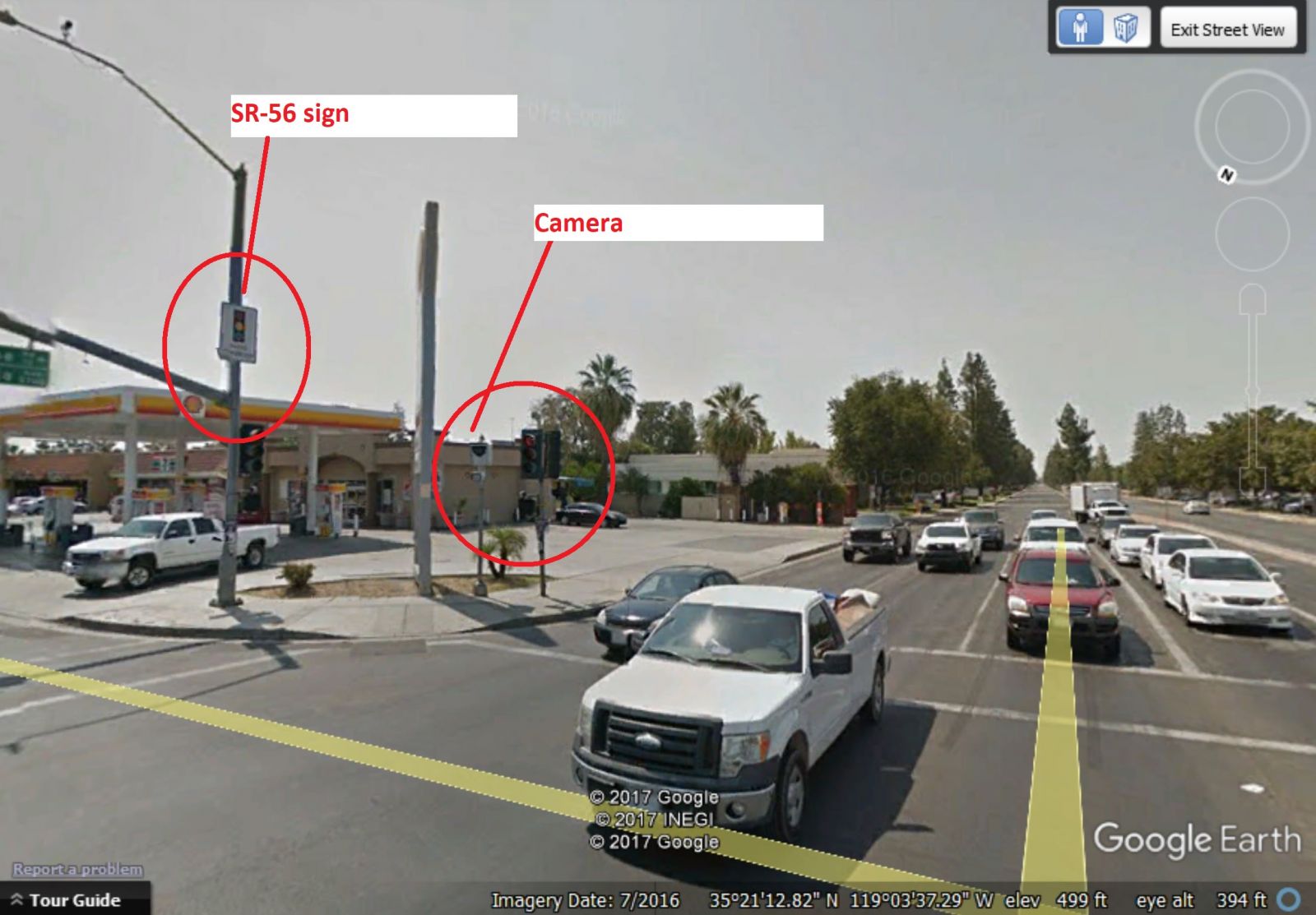
- Signage Requirements: Intersections equipped with red light cameras must have clear and conspicuous warning signs placed at each approach to the intersection. These signs must inform drivers that their actions are being recorded and that automated enforcement is in effect. Without proper signage, a citation issued by a camera system may be challenged.
- Visibility of the Signal: The traffic signal itself must be clearly visible to approaching drivers, not obscured by trees, signs, or other obstructions.
- Yellow Light Timing: The yellow light interval at the intersection must comply with state engineering and traffic standards. If the yellow light is found to be too short, it could invalidate tickets issued by the camera.
- Officer Review: Crucially, a human law enforcement officer must review each potential violation captured by the camera system before a citation is issued. This means the system doesn’t automatically issue tickets; it merely records potential infractions that are then assessed by an officer for validity, including verifying the identity of the driver and ensuring no mitigating circumstances (like pulling over for an emergency vehicle) were present.
- Right-on-Red Rule: California permits right turns on a red light after a complete stop, unless explicitly prohibited by signage. Red light cameras are supposed to differentiate between a rolling right turn (a violation) and a legal stop followed by a turn. This distinction is often a point of contention and a common defense for drivers.
While the state Vehicle Code lays the foundation, it doesn’t mandate the use of red light cameras. Instead, it empowers local jurisdictions to make their own decisions. This means that while they are legal under state law, their presence is not universal.
Court Rulings and Judicial Precedent
Over the years, the legality and enforcement practices of red light cameras have been challenged numerous times in California courts. These challenges have led to significant judicial precedents that further shape how these systems operate. One notable aspect that has been frequently debated is the issue of “due process” and the burden of proof.
For instance, the identity of the driver has been a persistent point of contention. Unlike traditional traffic stops where an officer identifies the driver directly, red light camera citations are typically mailed to the registered owner of the vehicle. Proving that the registered owner was, in fact, the driver at the time of the infraction can be difficult. While the registered owner is often presumed to be the driver, they have the right to challenge this presumption. Some courts have ruled that police departments must provide more than just a blurry image to prove guilt, leading to many successful defenses.
Another area of legal scrutiny has been the contracts between cities and the private companies that install and maintain these camera systems. Critics have raised concerns that these contracts may create a financial incentive for companies to issue more tickets, potentially compromising the system’s primary goal of public safety. Courts have, in some instances, examined these contracts to ensure they do not unduly influence enforcement practices. These legal battles highlight the ongoing tension between public safety initiatives, technological surveillance, and individual rights.
The Role of Local Municipalities
Given the state’s permissive stance, the decision to install, operate, or even remove red light cameras rests with individual cities and counties. This has created a dynamic landscape where some cities, like Los Angeles (which had cameras for a period and then removed them due to cost and efficacy concerns) or San Francisco (which has some operational), have had them, while others, like San Jose (which also discontinued its program), have opted out or discontinued their programs.
Cities that choose to implement red light cameras typically do so through local ordinances, which outline the specific intersections, operating hours, and local enforcement protocols. This decentralization means that a driver traveling from one California city to another might encounter vastly different policies regarding automated enforcement. For example, while you might find cameras in certain parts of Orange County or San Diego, you might not encounter them in other regions, adding an extra layer of complexity for those exploring the state.
How Red Light Cameras Operate and What It Means for Drivers
Understanding the legal framework is only half the battle; knowing how these systems work in practice and their implications for drivers, especially those visiting California, is equally vital.
The Technology Behind the Tickets
Red light camera systems are sophisticated setups designed to capture violations precisely. Typically, they consist of:
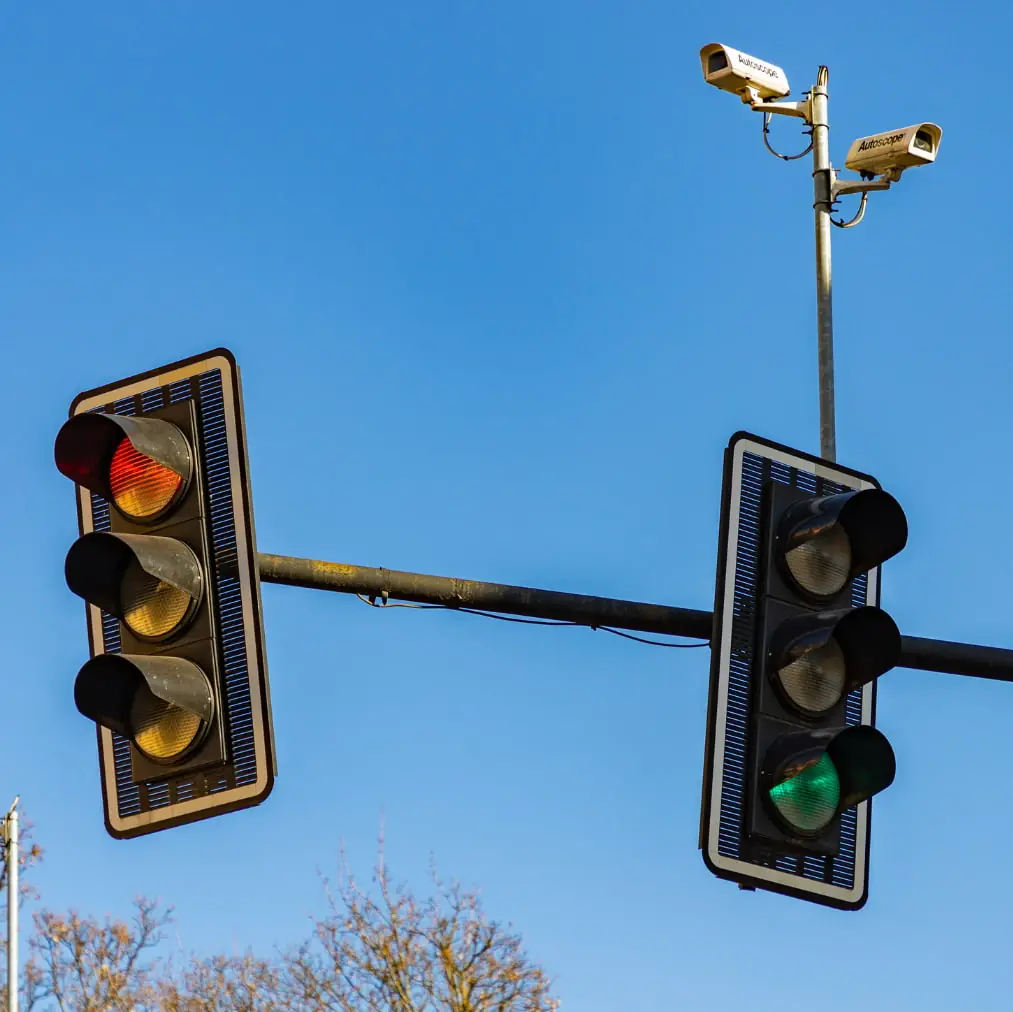
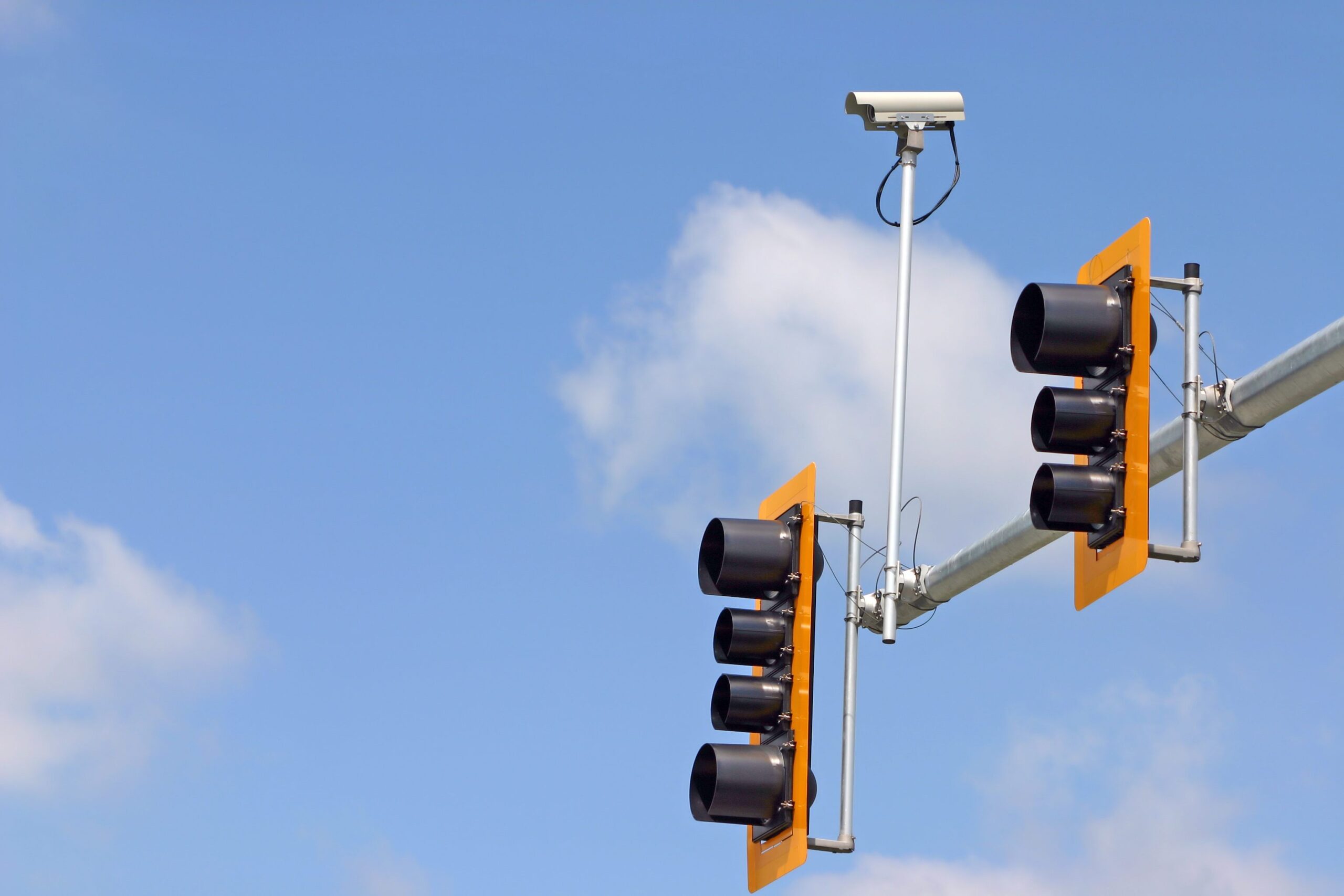
- Cameras: High-resolution cameras are installed at the intersection, often on poles, to record vehicle movements. Some systems use two cameras—one for still photos and another for video.
- Sensors: Inductive loops or radar sensors are embedded in the pavement or mounted near the stop line. These sensors detect when a vehicle crosses the line after the light has turned red.
- Trigger Mechanism: When a vehicle enters the intersection after the signal has turned red, the sensors trigger the cameras. The system usually captures multiple images:
- One image showing the vehicle behind the stop line with the red light clearly visible.
- Another image showing the vehicle in the intersection with the red light still visible.
- Often, a short video clip of the entire sequence is also recorded.
- Data Recording: The images and video timestamp the incident, record the vehicle’s speed, the duration of the red light, and other pertinent data. The license plate is clearly captured.
After the data is recorded, it’s typically sent to a central processing facility, often operated by a private vendor. Here, the initial review takes place before the evidence is forwarded to a local law enforcement agency. As mentioned, a police officer then performs a final review to confirm a violation occurred and to verify the vehicle’s license plate and, if possible, the driver’s face, before a citation is officially issued and mailed to the registered owner.
Common Violations and Defenses
The most common violation captured by red light cameras is, naturally, running a red light. However, nuances exist:
- Full Stop Before Right Turn on Red: A common misconception is that all right turns on red are legal. In California, you must come to a complete stop before the white stop line, then proceed safely if the way is clear. Many camera systems are configured to ticket “rolling right turns,” where a driver slows down but doesn’t fully stop before turning.
- Entering the Intersection on Yellow: It is legal to enter the intersection on a yellow light. The violation occurs when any part of the vehicle crosses the stop line after the light has turned red.
- Blocking the Intersection: While not always a red light camera offense, some systems may capture vehicles that remain in the intersection after the light has changed, which can lead to other types of citations.
If you receive a red light camera ticket, several defenses might be available:
- Lack of Proper Signage: If the warning signs were not present or obscured.
- Improper Yellow Light Timing: If the yellow light duration was shorter than state standards.
- Driver Identification: Arguing that you were not the driver. This often involves providing evidence, such as a sworn affidavit.
- Emergency Circumstances: If you entered the intersection due to an emergency (e.g., yielding to an ambulance, fire truck, or police car).
- Faulty Equipment: While difficult to prove, consistent equipment malfunctions can be a defense.
- Right Turn on Red After Full Stop: Providing evidence that you came to a complete stop before turning right.
It’s important to note that red light camera tickets in California are generally treated as moving violations, carrying a hefty fine (often several hundred dollars) and a point on your driving record. For non-residents, these points might still impact insurance rates or driving privileges in their home state/country, depending on reciprocity agreements.
Implications for Tourists and Visitors
For tourists and visitors exploring California, understanding red light cameras is particularly important for several reasons related to travel and lifestyle:
- Car Rentals: If you rent a car, the rental agency will receive the ticket. They will then typically charge the fine to your credit card, often adding an administrative fee. This can be a frustrating and unexpected expense after your trip to Disneyland or Universal Studios Hollywood.
- Unfamiliarity with Local Laws: Visitors might be unaware of California’s specific “right-on-red” rules or the presence of cameras. What’s legal or common practice in their home country or another U.S. state might not apply here.
- Navigating New Cities: When driving in unfamiliar cities like San Francisco or Santa Monica, attention is often divided between navigation, traffic, and finding destinations. It’s easy to miss a yellow light or misjudge a stop, especially in areas with heavy traffic or complex intersections.
- Legal Recourse: Dealing with a ticket from out-of-state or out-of-country can be challenging. It may require appearing in court or hiring legal representation, which can disrupt travel plans or become an expensive hassle.
Navigating California’s Roads: Tips for Drivers and Travelers
Whether you’re embarking on a scenic drive through Napa Valley or commuting through bustling downtown Sacramento, being a vigilant and informed driver in California is key to a smooth and enjoyable experience, free from the unwelcome surprise of a red light camera ticket.
Staying Compliant and Avoiding Fines
The best defense against a red light camera ticket is proactive driving and adherence to traffic laws.
- Be Aware of Your Surroundings: Actively look for red light camera warning signs at intersections. These are usually diamond-shaped with text like “Photo Enforced” or “Traffic Signal Enforcement.” Even without explicit signs, assume cameras could be present in major urban areas.
- Stop on Red, Always: This seems obvious, but many violations stem from misjudging the timing. If you can stop safely before the white stop line when the light turns red, do so.
- Full Stop for Right-on-Red: If turning right on red is permitted, ensure your vehicle comes to a complete halt before the stop line for at least one to two seconds before proceeding cautiously. Do not just slow down and roll through the turn.
- Maintain Safe Following Distance: This gives you more time to react to sudden light changes or unexpected stops by the vehicle in front of you.
- Avoid Distracted Driving: Texting, navigating, or engaging in other distractions significantly increases the risk of missing a light change.
Planning Your Journey Through California’s Scenic Routes
California is a dream for road trips, from the majestic cliffs of Big Sur to the serene beauty of Lake Tahoe. While driving through natural landscapes, red light cameras are less of a concern. However, even the most picturesque drives often begin or end in urban centers where cameras might be present.
- Route Planning: When using GPS or mapping apps, be aware that they don’t typically warn about red light cameras. Consider using apps or community-sourced maps that indicate camera locations if you’re particularly concerned, though remember this information can change.
- Urban Gateway Cities: Pay extra attention when entering or exiting major cities like Los Angeles, San Francisco, or San Diego, as these are the most likely places to encounter automated enforcement.
- Rest and Breaks: Long drives can lead to fatigue, increasing the chances of mistakes. Plan your travel with adequate rest stops, perhaps exploring local attractions or enjoying accommodations in charming towns along your route.
Renting a Car in California: What You Need to Know
For many visitors, renting a car is essential for experiencing California. Understanding how red light cameras interact with rental agreements is vital for a stress-free trip.
- Rental Agreement Review: Always read your rental car agreement carefully. It will typically outline policies regarding traffic violations, including red light camera tickets. Most companies will pass on the fine plus an administrative fee.
- Credit Card Holds: Be aware that rental companies will usually charge any fines directly to the credit card you used for the rental, often months after your trip. This can lead to unexpected charges long after you’ve returned home.
- Proactive Checking: If you suspect you might have received a ticket, you can try to contact the rental company directly or check online municipal court websites for citations linked to the license plate of your rental vehicle. This might help you address it before it incurs additional fees.
- International Drivers: If you’re an international visitor, ensure you understand how your home country’s driving record and insurance might be affected. While some jurisdictions have agreements, others may not, leading to potential complications if not handled promptly.
The Broader Impact: Safety, Revenue, and Public Perception
Beyond the individual implications for drivers, red light cameras spark a broader discussion about their role in public safety, urban development, and the overall lifestyle experience in California.
Enhancing Road Safety and Reducing Accidents
The primary justification for red light cameras, from the perspective of city authorities and law enforcement, is improved road safety. Intersections are often high-risk zones for collisions, particularly “T-bone” accidents caused by red light runners, which can be severe.
- Reduced Collisions: Proponents argue that cameras act as a deterrent, prompting drivers to be more cautious and reduce the incidence of running red lights. Studies on the effectiveness of red light cameras have yielded mixed results, with some showing a reduction in right-angle collisions but a potential increase in rear-end collisions (as drivers brake harder to avoid a ticket).
- Behavioral Change: The consistent presence of enforcement, even automated, can lead to a long-term change in driver behavior, fostering a more compliant and safer driving culture. This aligns with a broader focus on safety within the travel and tourism sectors, ensuring visitors feel secure as they explore California’s myriad attractions from Hollywood to SeaWorld San Diego.
However, critics often point to data suggesting that the safety benefits are not always clear-cut or that other interventions, like longer yellow light timings or improved intersection design, could be more effective.
Economic Implications for Cities and Drivers
The financial aspect of red light cameras is a significant part of the ongoing debate.
- City Revenue: For municipalities, fines generated from red light cameras can be a substantial source of revenue, often cited as a reason for their installation. This revenue can be allocated to various city services, including traffic safety improvements. However, if revenue generation becomes the primary goal, rather than safety, public trust can erode.
- Cost to Drivers: As mentioned, red light camera tickets are expensive, with fines easily exceeding $500 once court fees and administrative costs are factored in. This can be a considerable burden for residents and a frustrating surprise for tourists. For budget-conscious travelers or families on vacation, an unexpected ticket can significantly impact their ability to enjoy their trip or afford other experiences, from accommodation upgrades to local culinary tours.
- Economic Impact on Tourism: While not a direct deterrent, a reputation for aggressive red light camera enforcement could potentially deter some repeat visitors or lead to negative reviews of a travel destination, affecting the overall tourism economy.
The Ongoing Debate and Future of Red Light Cameras
The debate surrounding red light cameras in California is multifaceted and shows no signs of abatement. On one side are advocates for safety, arguing for the necessity of automated enforcement in bustling urban environments. On the other are civil liberties proponents and driver advocates who raise concerns about due process, potential for profit-driven enforcement, and the accuracy of the technology.
Several cities have experimented with these systems, only to dismantle them later due to public outcry, legal challenges, or a determination that they did not meet their stated safety goals. Other cities continue to operate them, fine-tuning their implementation based on court rulings and public feedback. The future of red light cameras in California will likely remain dynamic, subject to technological advancements, evolving legal interpretations, and shifts in public opinion and local governance.
For anyone planning to explore the diverse landscapes and vibrant cities of California, maintaining an awareness of red light camera laws and practicing diligent driving habits are essential. It ensures not only your safety but also a more enjoyable and financially predictable travel experience, allowing you to focus on the unforgettable attractions and lifestyle opportunities that the Golden State so generously offers.