
The allure of exotic pets like the sugar glider, with their large, expressive eyes and charming personalities, captivates many. These small, nocturnal marsupials, native to Australia and New Guinea, have become increasingly popular in some parts of the world as companion animals. However, for those living in or planning a trip to the Golden State, a critical question arises: Are sugar gliders legal in California? The answer, unfortunately for aspiring owners, is a resounding no, with extremely rare and specific exceptions.
Understanding the regulations surrounding exotic pet ownership in California is paramount, not just for residents but especially for travelers considering bringing their animal companions along. The state’s strict laws are designed to protect its unique biodiversity, prevent the introduction of invasive species, and ensure public health and safety. This comprehensive guide will delve into the legalities, explore the complexities of travel and accommodation with exotic pets, and discuss the broader lifestyle implications for responsible pet ownership within the context of California’s vibrant tourism and travel landscape.
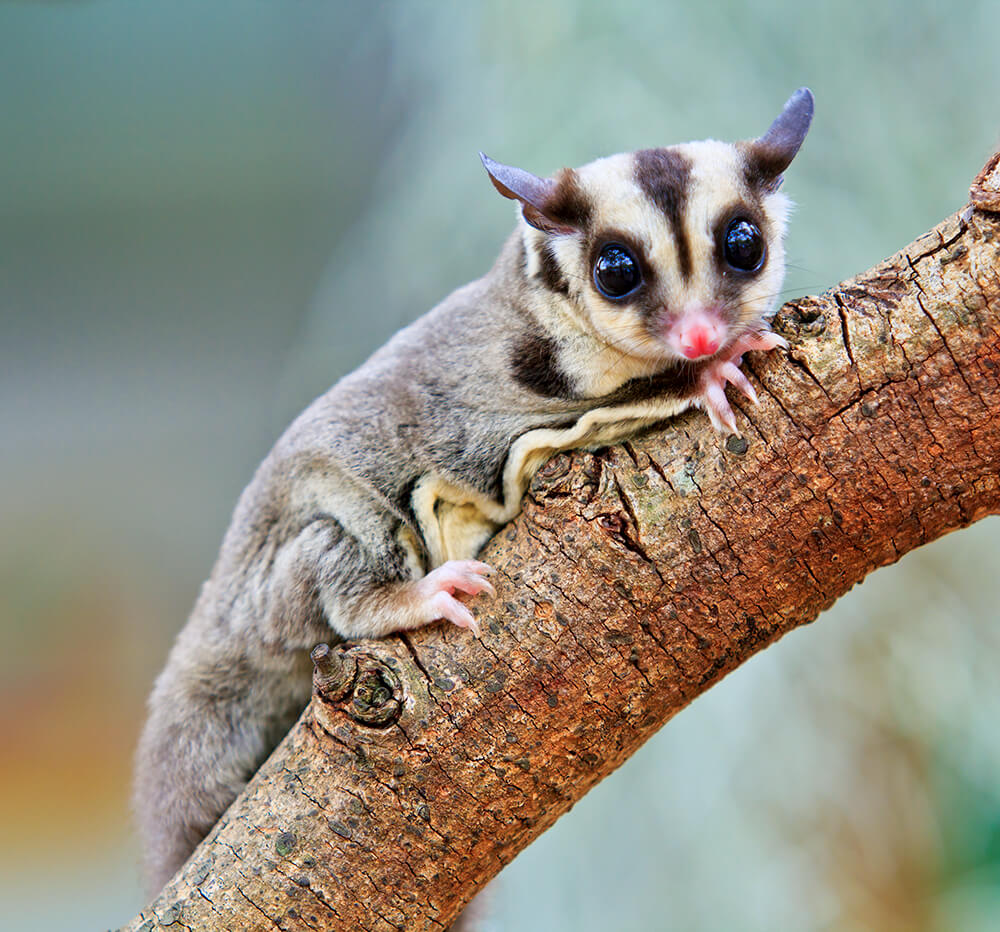
The Legal Landscape: Sugar Gliders in the Golden State
The appeal of the sugar glider is undeniable. Their small size, social nature, and unique gliding ability make them fascinating creatures. Yet, their status as legal pets varies dramatically from state to state and even city to city across the United States. In California, the regulations are particularly stringent, placing them firmly in the category of restricted animals.
Understanding California’s Exotic Pet Regulations
To directly answer the question: sugar gliders are not legal to own as pets in California. This prohibition stems from the state’s comprehensive wildlife protection laws, primarily enforced by the California Department of Fish and Wildlife (CDFW). Under the California Code of Regulations, Title 14, Section 671, sugar gliders are classified as “restricted species” due to their potential to become an invasive species, pose ecological threats to native wildlife, and present health or safety risks to humans.
The rationale behind such strict regulations is deeply rooted in environmental conservation. California is a global biodiversity hotspot, home to an extraordinary array of unique native plants and animals. Introducing non-native species, especially those with the adaptability and reproductive rates of a sugar glider, could have devastating effects on local ecosystems. They could compete with native species for food and habitat, introduce diseases, or even become predators themselves, disrupting the delicate ecological balance.
Beyond environmental concerns, there are also considerations for public health and safety. While generally docile, any wild animal can bite or scratch, and exotic pets can carry zoonotic diseases transmissible to humans. The CDFW’s regulations aim to mitigate these risks for both the state’s natural heritage and its human population.
The consequences of illegal ownership are severe. Individuals found in possession of restricted animals like sugar gliders can face significant fines, confiscation of the animal, and potentially even criminal charges. The state takes these laws very seriously, and ignorance of the law is not considered a valid defense. Enforcement is robust, and authorities actively investigate reports of illegal exotic pet ownership. For those who prioritize responsible pet ownership, understanding and abiding by these laws is not just a legal obligation but an ethical one.
Permits and Exceptions: A Narrow Path
While the general rule is clear – no sugar gliders as pets in California – there are highly specific and narrowly defined exceptions. These exceptions are not for typical personal pet ownership but rather for specialized professional or institutional purposes.
Permits for restricted species are primarily issued to entities such as:
- Accredited Zoos and Wildlife Sanctuaries: Institutions like the San Diego Zoo or the Los Angeles Zoo may obtain permits to house sugar gliders for educational, conservation, or exhibition purposes. These facilities operate under stringent regulations, adhering to high standards of animal welfare, enclosure security, and public safety.
- Scientific Research Institutions: Universities or research facilities might secure permits for specific scientific studies involving sugar gliders, especially in areas of biology, ecology, or veterinary medicine. Such permits are granted only after a rigorous review of research protocols and demonstration of appropriate care and containment.
- Legitimate Animal Exhibitors or Educators: In rare instances, professional educators or exhibitors who utilize animals for public demonstrations or educational programs might be granted permits. This requires proving the educational value, demonstrating expertise in handling and care, and ensuring public safety.
It is crucial to emphasize that these permits are exceedingly difficult to obtain and are granted under very specific conditions. They involve extensive application processes, site inspections, and ongoing compliance checks by the CDFW. They are absolutely not a loophole for individuals seeking to keep a sugar glider as a personal pet. Anyone attempting to circumvent these laws by claiming such an exception without genuine qualification will face legal repercussions. The message is clear: if you are not an accredited institution or a legitimate scientific/educational entity, owning a sugar glider in California is prohibited.
Travel and Tourism with Exotic Pets: A Complex Challenge
For individuals who already own sugar gliders legally in other states or countries, the prospect of traveling to California can present a unique set of challenges. The state’s strict regulations mean that merely passing through or visiting for a short period with an exotic pet is often as problematic as permanent residency. Understanding these complexities is vital for any traveler aiming for a smooth, stress-free journey.
Planning Your Journey: Before You Go
Traveling with any pet requires meticulous planning, but exotic pets introduce an entirely new layer of complexity. If you are considering traveling to California from a state where sugar gliders are legal, or internationally, it is imperative to understand that you cannot legally bring your sugar glider into California. The state’s classification of sugar gliders as restricted species applies to importation as well as ownership. Attempting to bring one into the state, even temporarily, can lead to confiscation and legal penalties upon arrival.
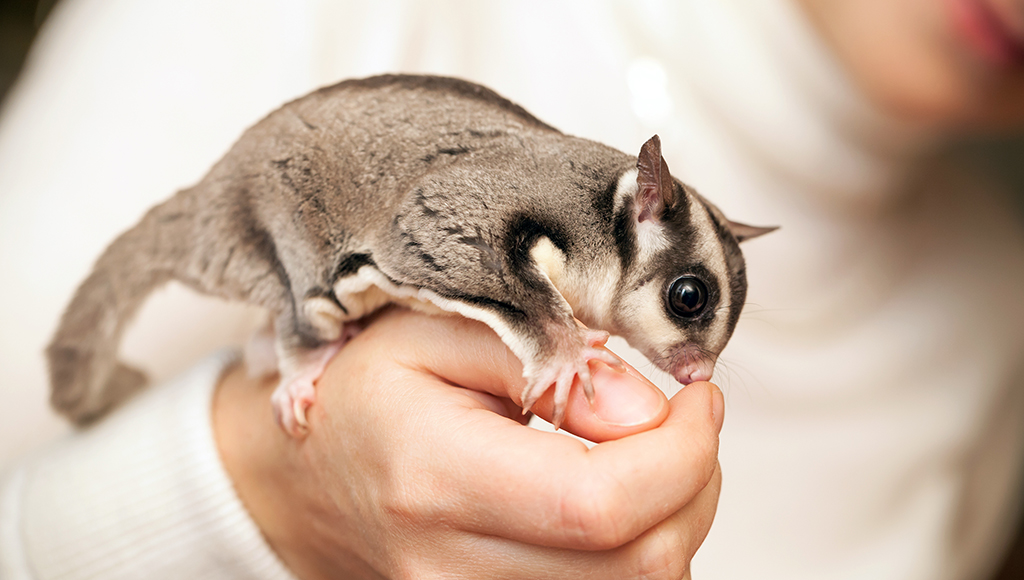
General advice for traveling with pets typically includes:
- Veterinary Checks and Health Certificates: Ensuring your pet is healthy and up-to-date on vaccinations is standard. For travel, especially across state lines or internationally, a health certificate issued by a licensed veterinarian within a specific timeframe (usually 10 days) is often required. However, for sugar gliders entering California, these steps are irrelevant because the animal itself is prohibited.
- Airline Regulations: Airlines have varying policies regarding pets in cargo or cabin. While many accommodate common pets like dogs and cats, exotic pets face much stricter scrutiny, if they are allowed at all. The size, species, and temperament of the animal are factors. Even if an airline would transport a sugar glider, this doesn’t override California’s state laws.
For those planning a vacation to California from a location where their sugar glider is a legal companion, the most responsible and lawful course of action is to arrange for pet-sitting or boarding services in their home state. This ensures the animal’s welfare and prevents any legal issues upon entering California. Prioritizing compliance with state laws is essential for a worry-free travel experience, allowing you to fully enjoy California’s numerous attractions without the added stress of illegal pet ownership.
Accommodation Considerations: Finding a Pet-Friendly Stay
Finding pet-friendly accommodation can be a hurdle for any traveler, even those with conventional pets like dogs and cats. The challenge is exponentially greater when dealing with exotic animals, especially in a state with strict regulations like California.
Most hotels, resorts, and vacation rentals that advertise themselves as “pet-friendly” typically refer to dogs and sometimes cats. Their policies are designed around the specific needs and potential impacts of these common household pets, often including size restrictions, designated pet areas, and additional cleaning fees. Exotic pets like sugar gliders are rarely, if ever, covered by these standard policies.
- Hotels and Resorts: Major chains like Marriott, Hilton, or independent boutique hotels generally have explicit rules. Even if a particular hotel were to consider an exotic pet, the fundamental illegality of sugar gliders in California would make it impossible to stay. No reputable establishment would risk violating state law by allowing a prohibited animal on its premises.
- Vacation Rentals: Platforms like Airbnb and VRBO allow hosts to set their own pet policies. While some hosts might be more flexible with small pets, the same legal restrictions apply. A host allowing a sugar glider in California would unwittingly be facilitating illegal activity.
- Long-Term Stays and Apartments: For those considering extended stays or relocation to California, apartment leases and homeowners’ association (HOA) rules are crucial. Even if sugar gliders were legal, many residential agreements have strict pet clauses that might exclude exotic animals. Given their illegal status, finding a landlord or HOA willing to accommodate one is a non-starter.
The overarching principle is that verification is always necessary. However, in the case of sugar gliders in California, no amount of verification will change their illegal status. The most practical advice for travelers with exotic pets is to either leave them with trusted caregivers or consider destinations where their specific pet is legally welcomed. This allows travelers to fully immerse themselves in California’s diverse attractions, from the vibrant cityscape of Los Angeles to the majestic landscapes of Yosemite National Park, without the burden of legal non-compliance.
Lifestyle Choices: Exotic Pet Ownership and Responsible Travel
The decision to own an exotic pet like a sugar glider is a significant lifestyle choice, often driven by a desire for a unique companion. However, this choice comes with profound responsibilities, especially concerning animal welfare, ecological impact, and adherence to regional laws. When viewed through the lens of travel and tourism, these responsibilities extend to understanding and respecting the legal frameworks of any destination, particularly one as ecologically sensitive as California.
The Ethical Dilemma: Why Restrictions Matter
The strict regulations governing exotic pets in California are not arbitrary. They are informed by extensive research into animal welfare, public health, and environmental conservation. From an ethical standpoint, the prohibitions reflect a broader concern for both the animals themselves and the native ecosystems they could impact.
- Animal Welfare: Sugar gliders have complex needs, including specific dietary requirements, social structures, and environmental enrichment. Many exotic pets purchased on the “exotic pet trade” are subjected to inadequate living conditions, improper diets, and insufficient veterinary care due to a lack of specialized knowledge among owners or readily available exotic animal veterinarians. When owners are unable to meet these needs, animals can suffer from stress, illness, and premature death. Furthermore, the potential for abandonment is high when owners realize they cannot adequately care for such a demanding pet, or when they face legal repercussions.
- Invasive Species Risk: This is a primary driver for California’s regulations. If a non-native species like a sugar glider escapes or is released into the wild, it could establish a breeding population. With no natural predators and a competitive edge against native species, they can quickly decimate local populations, introduce new diseases, and alter habitats. California has already battled numerous invasive species, and the state is determined to prevent further ecological damage.
- Public Safety: While generally small and not inherently dangerous, any wild animal, when stressed or provoked, can injure. Beyond bites and scratches, exotic pets can carry zoonotic diseases that pose a risk to human health.
Institutions like the San Diego Zoo Wildlife Alliance and the Los Angeles Zoo serve as examples of how animals, especially exotic ones, should be cared for with expert knowledge, dedicated resources, and a deep understanding of their natural behaviors and ecological roles. Their existence underscores the specialized care and environments required for such creatures, further illustrating why they are unsuitable for typical pet ownership in a state committed to conservation.

Exploring California Pet-Friendly Travel Alternatives
For travelers who love animals but cannot bring their exotic pets to California, the state offers myriad pet-friendly alternatives, focusing on universally accepted companions like dogs and cats. While a sugar glider might not be able to join your adventures, there are countless ways to enjoy California’s landmarks and experiences with other furry friends.
If you own an exotic pet that cannot legally accompany you, consider these responsible travel practices:
- Professional Pet Sitting or Boarding: Invest in professional care for your exotic pet in your home state. Specialized exotic pet sitters or boarding facilities can provide the expert care your animal needs while you travel.
- Focus on Dog/Cat-Friendly Destinations: Many California cities, from San Francisco to San Diego, boast numerous parks, beaches, and establishments that welcome dogs. Carmel-by-the-Sea, for example, is renowned for its dog-friendly atmosphere.
- Explore California’s Natural Beauty: Many of California’s state parks and some areas within national forests are pet-friendly for dogs on leashes. While famous landmarks like Disneyland Resort or the interior of Alcatraz Island do not allow pets (with service animal exceptions), there are still vast expanses of nature to explore with a compliant companion. You can walk across the Golden Gate Bridge with your dog, or hike numerous trails across the state.
- Pet-Friendly Accommodations: Beyond the major chains, look for specific pet-friendly hotels that cater to dogs and cats, offering amenities like pet beds, bowls, and even doggy room service. Many charming inns and vacation rentals also welcome conventional pets.
The emphasis here is on enjoying the abundant travel experiences California has to offer, without compromising the state’s ecological integrity or facing legal issues. Responsible pet ownership extends beyond your home and into your travel plans, ensuring that your adventures are not only memorable but also fully compliant with local regulations.
In conclusion, for anyone pondering the question, “Are sugar gliders legal in California?”, the answer is unequivocally no for personal pet ownership. California’s strict laws reflect a deep commitment to environmental protection and public safety, classifying sugar gliders as restricted species. Whether you are a resident or a traveler, understanding and respecting these regulations is crucial. Responsible pet ownership means making informed decisions, prioritizing the welfare of your animal, and upholding the laws of the land. When traveling to California, plan accordingly, leaving prohibited exotic pets at home and embracing the myriad of legal, pet-friendly experiences the Golden State has to offer. Enjoy California responsibly, for both its natural wonders and its cherished animal inhabitants.
LifeOutOfTheBox is a participant in the Amazon Services LLC Associates Program, an affiliate advertising program designed to provide a means for sites to earn advertising fees by advertising and linking to Amazon.com. Amazon, the Amazon logo, AmazonSupply, and the AmazonSupply logo are trademarks of Amazon.com, Inc. or its affiliates. As an Amazon Associate we earn affiliate commissions from qualifying purchases.