
Florida, often affectionately known as the Sunshine State, beckons millions of visitors annually with its pristine beaches, vibrant cities, world-class theme parks, and a unique blend of cultures. From the enchanting shores of Miami and the magical realms of Orlando, to the historic charm of St. Augustine and the natural wonders of the Everglades National Park, it offers an unparalleled array of travel experiences. Whether you’re planning a luxurious resort stay in Palm Beach, a budget-friendly family trip to a Kissimmee apartment, or a business stay in downtown Tampa, personal safety is an inherent consideration for any traveler or resident. In a world where personal security is increasingly a priority, questions often arise regarding the legality and use of self-defense tools. Among these, tasers and stun guns are frequently considered due to their non-lethal nature and potential effectiveness. This comprehensive guide aims to shed light on the legality of owning and carrying tasers in Florida, offering crucial insights for both curious residents and tourists eager to explore the state confidently.
Understanding Self-Defense and Personal Safety in the Sunshine State
Embarking on a journey, whether it’s an adventurous exploration of new destinations or simply navigating daily life, inevitably brings personal safety to the forefront of our minds. For many, the desire to feel secure isn’t just a fleeting thought; it’s a foundational aspect of an enjoyable lifestyle and a crucial component of responsible travel.
Why Travelers Consider Self-Defense Tools
The allure of travel lies in experiencing the unfamiliar – new cultures, different landscapes, and novel activities. However, this novelty can sometimes be accompanied by a heightened sense of vulnerability. When visiting a new city like Jacksonville, strolling through the bustling nightlife of South Beach, or even simply heading back to your accommodation after a late dinner, the unfamiliar surroundings can spark a natural inclination towards self-preservation. For solo travelers, families on vacation, or even business professionals attending conferences, the thought of carrying a non-lethal self-defense tool like a taser can offer an added layer of peace of mind.
This consideration isn’t limited to concerns about crime, but also extends to general preparedness. What if you encounter an aggressive animal during a nature walk near Sarasota? What if you find yourself in an uncomfortable situation that could escalate? These are the kinds of “what if” scenarios that lead many to explore options for personal protection. The “lifestyle” aspect here is about empowerment – feeling capable of protecting oneself and loved ones, thereby enhancing the overall travel experience and allowing for greater freedom in exploring a destination. This applies whether you’re embarking on luxury travel, managing a tight budget for a backpacking adventure, or ensuring the safety of a family trip to Walt Disney World Resort. The goal is to focus on the wonders of Florida’s tourism, from its vibrant attractions to its serene landmarks, without undue anxiety.
The Role of Florida’s Stand Your Ground Law
To fully grasp the landscape of self-defense tools in Florida, it’s essential to understand the state’s broader legal framework concerning self-defense. Florida is well-known for its “Stand Your Ground” law, which is codified in Statute 776.012, Florida Statutes. This law grants individuals the right to use deadly force if they reasonably believe it is necessary to prevent death or great bodily harm to themselves or others, or to prevent the commission of a forcible felony. Crucially, it removes the common law duty to retreat from a threat in any place where a person has a legal right to be.
While tasers are generally considered non-lethal weapons, this legal philosophy informs the state’s general approach to self-protection. The underlying principle is that individuals have a right to defend themselves without first attempting to escape danger. This context is vital because it sets a precedent for how the state views self-defense actions, including the use of tools like tasers. It signals a legal environment that, while still highly regulated, generally supports an individual’s right to protect themselves when faced with a perceived threat. For anyone considering carrying a self-defense tool, understanding this foundational law provides critical insight into the state’s legal philosophy.
The Legality of Tasers and Stun Guns in Florida: A Detailed Look
Navigating the specifics of self-defense laws can be complex, especially when traveling between different states or countries. For those considering a taser or stun gun for personal protection in Florida, a clear understanding of the state’s statutes is paramount. Unlike some other jurisdictions within the United States that have stricter regulations, Florida adopts a more permissive stance on these devices, particularly when compared to firearms.
What is a Taser vs. a Stun Gun?
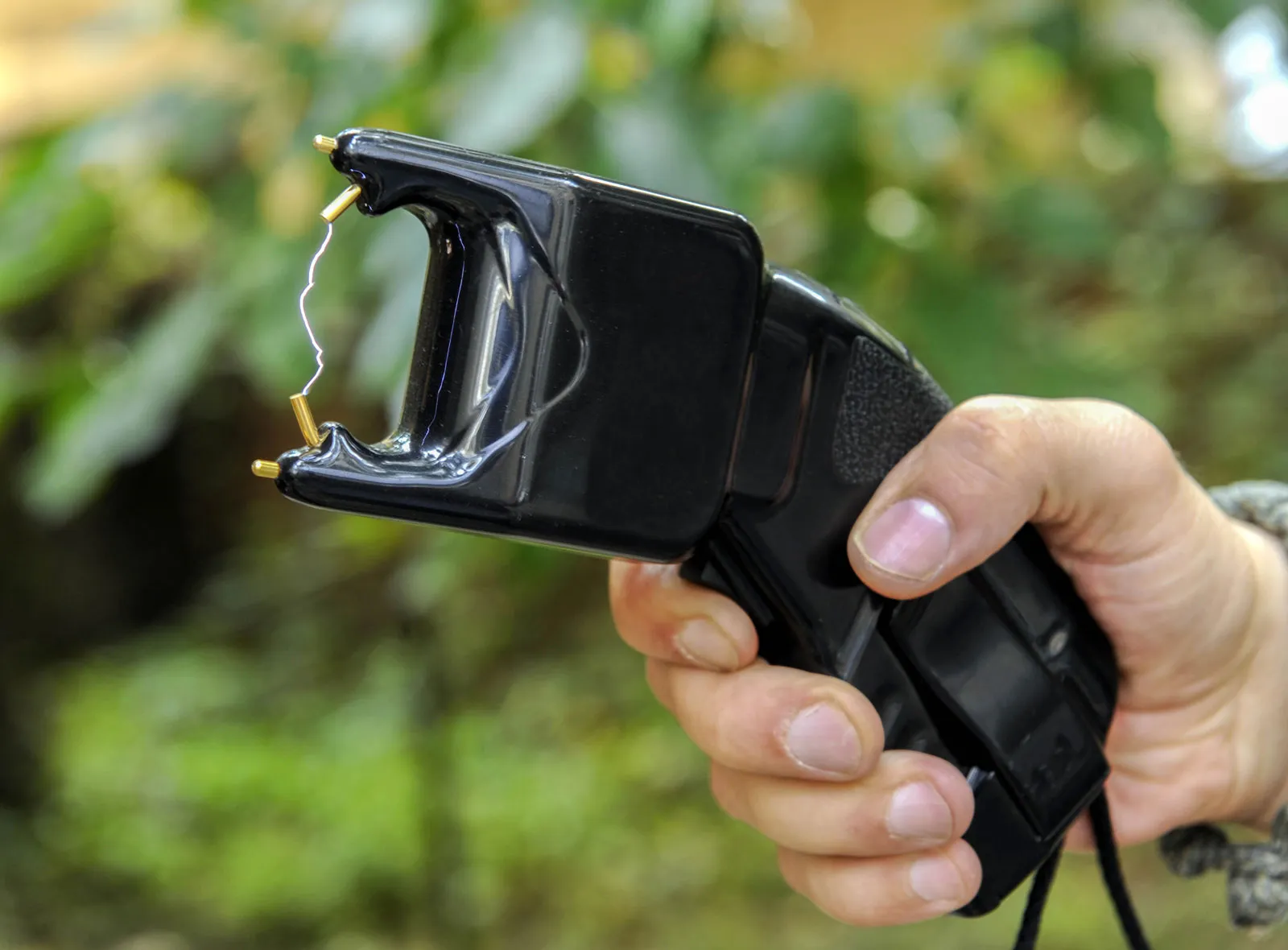
Before delving into legality, it’s important to distinguish between a taser and a stun gun, as while often used interchangeably in common parlance, they operate differently:
- Stun Guns: These devices require direct contact with an assailant’s body to deliver an electrical shock. They typically incapacitate by causing localized pain and muscle spasms, disrupting the attacker’s nervous system.
- Tasers: Developed by Axon (formerly TASER International), these devices fire two small probes connected by wires to the main unit. Upon contact, the probes deliver an electrical pulse that causes neuromuscular incapacitation, temporarily overriding the attacker’s muscular control and often leading to a temporary collapse. Tasers allow for a greater stand-off distance compared to stun guns, typically up to 15-20 feet.
In Florida, for the purpose of self-defense legality, both tasers and stun guns are generally categorized under the umbrella of “electric weapon or device” and are treated similarly under state law.
General Legality and Restrictions
The good news for residents and visitors to Florida is that tasers and stun guns are generally legal for self-defense purposes. Florida Statute 790.01 defines an “electric weapon or device” as “any device which, when carried, is used, or intended to be used, to provide an electric shock to a person or animal by means of an electrical current, impulse, or wave.” The crucial point is that no permit is required to purchase or carry a taser or stun gun for lawful self-defense by individuals who are legally allowed to possess such a device. This sets them apart from concealed firearms, which necessitate a concealed weapon license.
However, certain restrictions and considerations apply:
- Age Restriction: You must be at least 18 years old to purchase or possess a taser or stun gun in Florida.
- Felon Prohibition: As with firearms, individuals convicted of a felony are prohibited from possessing electric weapons or devices.
- Lawful Self-Defense: The device must only be used for lawful self-defense, meaning in situations where one reasonably believes it is necessary to protect oneself or another from imminent harm. Misuse or use in an offensive manner can lead to severe legal consequences.
- Criminal Intent: Carrying an electric weapon with the intent to commit a crime is strictly illegal and will result in serious charges.
These relatively lenient laws compared to some other states make Florida a more accessible destination for those who choose to carry a taser for personal protection. This accessibility can be a significant factor for those planning long-term stays or simply visiting for extended periods, contributing to their sense of security while enjoying local culture and attractions.
Prohibited Locations and Scenarios
While tasers are legal in Florida for self-defense, their carry is not universally permitted. There are specific locations where these devices are explicitly prohibited, mirroring restrictions often placed on firearms. Travelers, in particular, must be acutely aware of these limitations to avoid legal complications during their visit to Florida’s many famous places and vibrant experiences.
Prohibited locations typically include:
- Federal Buildings: Any federal courthouse, government office, or facility.
- Airports: Within the sterile areas of airports (beyond security checkpoints). Carrying tasers in carry-on luggage on airplanes is strictly forbidden by the TSA (Transportation Security Administration).
- Courthouses: State and local courthouses.
- Polling Places: During an election.
- Schools and Universities: On the property of any primary or secondary school, or on the campus of any college or university. This includes public, private, and parochial schools.
- Correctional Facilities: Jails, prisons, and detention centers.
- Atomic Facilities: Any property dedicated to nuclear energy.
It’s also critical to remember that while the law allows for carrying a taser, private businesses or establishments (such as hotels, resorts, or specific attractions like the Kennedy Space Center Visitor Complex or Busch Gardens Tampa Bay) may have their own policies prohibiting weapons on their premises. While such policies might not carry the weight of state law, violating them could result in being asked to leave or even trespassing charges, impacting your travel experience and accommodation. Always be mindful of posted signs or inquire about establishment policies, especially in places that are popular tourist destinations or offer unique cultural experiences.
Concealed Carry vs. Open Carry of Tasers
Unlike firearms, for which Florida has specific regulations distinguishing between open and concealed carry (and generally requiring a license for concealed firearm carry), tasers and stun guns are treated differently. For electric weapons or devices used for self-defense, Florida law does not explicitly differentiate between open and concealed carry for individuals legally entitled to possess them. This means that a law-abiding citizen aged 18 or older can generally carry a taser or stun gun, whether openly visible or concealed, without needing a special permit.
This flexibility is a significant point for individuals prioritizing personal safety while traveling or living in Florida. It allows for discretion in how one chooses to carry the device, adapting to different environments, from the bustling streets of Fort Lauderdale to the more laid-back atmosphere of Key West. However, despite this legal allowance, discretion is always advised. Openly displaying any self-defense weapon can sometimes cause alarm or lead to unnecessary attention, which might detract from a smooth and enjoyable travel experience. The primary intent is personal safety, not causing public disturbance.
Practical Considerations for Visitors and Residents
For anyone planning to integrate a taser into their personal safety strategy while in Florida, understanding the practical implications beyond just legality is crucial. This is especially true for travelers who need to navigate diverse regulations across different regions and modes of transport.
Purchasing and Traveling with a Taser
- Purchasing in Florida: If you’re a resident or a long-term visitor deciding to purchase a taser while in Florida, you can generally do so from reputable retailers, gun stores, or online vendors, provided you meet the age and legal eligibility requirements (i.e., not a convicted felon). It’s always advisable to buy from a knowledgeable seller who can provide proper instructions on use and maintenance.
- Air Travel (TSA Regulations): This is perhaps the most critical point for tourists. The Transportation Security Administration (TSA) strictly prohibits tasers and stun guns in carry-on luggage. They must be placed in checked luggage only. Even in checked luggage, there are specific guidelines:
- The device must be unloaded (if applicable).
- The power source (battery) must be removed or otherwise secured to prevent accidental discharge.
- It is highly recommended to check with your specific airline before travel, as some airlines may have additional restrictions or require the device to be declared.
- Failure to comply with TSA regulations can lead to confiscation, fines, and potentially even criminal charges, severely disrupting travel plans to popular destinations like Orlando or Miami.
- Interstate Travel: Laws regarding tasers and stun guns vary significantly from state to state within the United States. What is perfectly legal in Florida might be illegal in a neighboring state like Georgia or Alabama, or states further afield like New York or Hawaii. Some states prohibit them entirely, others require permits, and some have specific restrictions on their features or power output. If you are driving to Florida from another state, or plan to travel elsewhere afterward, it is your responsibility to research and comply with the laws of every state you pass through or visit. Ignorance of the law is not a valid defense.
- International Travel: When traveling internationally, carrying tasers is almost universally prohibited. Do not attempt to bring a taser on an international flight or into countries like Canada or Mexico, as this will undoubtedly lead to serious legal issues.
For those whose lifestyle involves frequent travel, these considerations are paramount. Planning for your accommodation and travel itinerary should always include a review of the self-defense tools you intend to carry, ensuring compliance with all local, state, and federal regulations.
Alternative Self-Defense Options
While tasers are a viable option for many, they might not be suitable or preferred by everyone. For those seeking alternative non-lethal self-defense tools, Florida also permits other options that can provide a sense of security without the electrical component:
- Pepper Spray/Mace: These are widely legal for self-defense in Florida for individuals 18 and older. They offer a non-lethal means to incapacitate an attacker from a short distance by causing temporary irritation to the eyes, nose, and throat. Like tasers, they are subject to restrictions on use in prohibited areas and cannot be used with criminal intent. They are also subject to TSA rules for air travel (must be in checked luggage, with specific volume limits).
- Personal Safety Alarms: Small, handheld devices that emit an extremely loud siren to attract attention and deter attackers. These are legal everywhere and face no travel restrictions, making them an excellent choice for universal personal safety. They are particularly popular for budget travelers or those on family trips, offering a simple yet effective layer of protection.
- Self-Defense Classes: Perhaps the most empowering form of self-defense is knowledge and skill. Enrolling in a self-defense course can teach valuable techniques for de-escalation, evasion, and physical self-protection without relying on external devices. This is a lifestyle investment that enhances personal confidence and capability, applicable anywhere, not just in Florida.
The choice of self-defense tool is highly personal and should align with an individual’s comfort level, training, and the specific environments they frequent. The key is to make an informed decision that enhances personal safety and contributes to a worry-free travel experience across Florida’s diverse attractions.
Responsible Tourism and Staying Safe in Florida
Florida is a vibrant tapestry of experiences, from the thrilling rides at Universal Orlando Resort to the tranquil natural beauty of its coastline. To truly appreciate its rich tourism offerings, a proactive approach to safety and responsible travel is essential, complementing any decision to carry a self-defense tool.
General Safety Tips for Exploring Florida
While understanding the legality of tools like tasers is important, they are merely one component of a broader safety strategy. For visitors and residents alike, adopting smart, common-sense safety practices is paramount for a safe and enjoyable exploration of Florida’s landmarks and local culture.
- Situational Awareness: Always be aware of your surroundings, especially in crowded tourist areas or unfamiliar neighborhoods. Avoid distractions like constantly looking at your phone. This fundamental practice is universally applicable, whether you’re navigating the bustling streets of Miami Beach or a quiet historic district.
- Secure Valuables: Keep personal belongings secure and out of sight. Don’t flash large amounts of cash or expensive jewelry. Use hotel safes for passports, extra cash, and other high-value items. When out and about, consider anti-theft bags or pickpocket-resistant clothing, especially in high-traffic tourist zones.
- Travel in Groups (When Possible): There’s safety in numbers. If exploring nightlife or venturing into less-trafficked areas, try to do so with companions.
- Inform Others of Your Plans: Let family or friends know your itinerary, especially if you’re traveling solo or going on an excursion. Use shareable ride-hailing features where available.
- Research Your Destinations: Before heading out, familiarize yourself with the area you plan to visit. Know which neighborhoods are generally safe, understand local transportation options, and identify emergency services. Travel guides and online resources are excellent for this, often detailing specific tips for destinations like Naples or the Florida Keys.
- Trust Your Instincts: If a situation or a person makes you feel uncomfortable, remove yourself from it. Your intuition is a powerful safety tool.
- Stay Hydrated and Sun Safe: While not directly related to self-defense, health and well-being contribute to overall safety. Florida’s sun and humidity can be intense. Stay hydrated, use sunscreen, and seek shade to avoid heatstroke or sunburn, which can impair your judgment and reaction time.
Integrating these tips into your travel lifestyle allows you to fully immerse yourself in Florida’s vibrant experiences, from its natural beauty to its cultural hotspots, with confidence and peace of mind.
Navigating Local Laws as a Tourist
For any traveler, understanding and respecting the local laws of a destination is a cornerstone of responsible tourism. While Florida’s relaxed stance on tasers for self-defense is a notable aspect, it’s just one piece of the legal puzzle. Every aspect of your accommodation, travel, and activities might be governed by specific regulations.
- Beyond Tasers: Be aware of other local ordinances that might affect your stay, such as alcohol consumption laws, beach regulations, or specific rules concerning recreational activities. For instance, drone usage might be restricted near airports or private property, a key consideration for photographers and videographers exploring Florida’s scenic beauty.
- Official Sources: When in doubt, always refer to official sources for legal information. Local law enforcement websites, state government portals, and reputable legal advisories provide the most accurate and up-to-date information. Avoid relying solely on anecdotal evidence or outdated internet forums.
- Airline and Accommodation Policies: Remember that private entities, including airlines, hotels, and tourist attractions, can impose their own rules that are stricter than state law. Always check with your chosen airline regarding their specific policies on carrying self-defense devices in checked luggage. Similarly, inquire with your hotel or resort about their policies on such items if you have concerns, ensuring your accommodation experience is seamless.
By taking the time to understand both the opportunities and the limitations presented by local laws, tourists can ensure their visit to Florida is not only memorable for its attractions and experiences but also free from unnecessary legal complications. This proactive approach supports a worry-free lifestyle and allows you to fully engage with the diverse offerings of the Sunshine State.

Conclusion
The question of “Are Tasers Legal In Florida?” can be answered with a qualified yes. For adults 18 years and older who are not convicted felons, tasers and stun guns are generally legal to purchase and carry for lawful self-defense purposes without a specific permit. This relative leniency positions Florida as a state where individuals have broad rights to choose non-lethal self-defense tools.
However, this legality comes with critical caveats. Travelers, especially, must be acutely aware of strict prohibitions against carrying these devices in sterile airport areas and on airplanes (except as specifically allowed in checked luggage), as well as within other designated sensitive locations such as schools and courthouses. Furthermore, the varying laws across the United States and internationally demand thorough research if you plan to travel beyond Florida’s borders with a taser.
Ultimately, whether you choose to carry a taser, pepper spray, or rely on situational awareness and self-defense training, personal safety remains a cornerstone of a fulfilling travel and lifestyle experience in Florida. By understanding the legal landscape, adhering to practical travel guidelines, and practicing general safety measures, both residents and visitors can confidently enjoy all the destinations, attractions, and cultural richness that the Sunshine State has to offer, ensuring their journey is as safe as it is spectacular.