
The golden state of California is renowned worldwide for its breathtaking natural beauty, iconic landmarks, vibrant cities, and diverse travel experiences. From the sun-drenched beaches of Southern California to the majestic forests of the Sierra Nevada mountains and the rolling vineyards of Napa Valley, it’s a destination that consistently tops bucket lists. However, over recent years, a recurring concern for both residents and prospective visitors has been the question of wildfires. The query, “Are the California fires still burning?” is a complex one, touching upon the dynamic nature of fire seasons, the resilience of communities, and the adaptability required for tourism and travel planning.
While it’s rare for widespread, major fires to be actively burning across the entire state at any given moment outside of peak fire season, California’s landscape is highly susceptible to wildfires, particularly during its extended dry periods. The state experiences a defined fire season, typically from late spring through late autumn, often peaking in late summer and early fall. During these months, conditions—such as dry vegetation, high temperatures, and strong winds (like the infamous Santa Ana winds in the south or Diablo winds in the north)—can quickly escalate small ignitions into significant blazes. Consequently, while the answer to “are they still burning” might be no for one region, another might be grappling with an active incident. Understanding this seasonal and geographical variability is crucial for anyone planning a trip or monitoring the situation from a lifestyle perspective.

Understanding the Current Landscape: A Traveler’s Perspective
For those contemplating a visit to California, keeping abreast of the fire situation is a key component of responsible and enjoyable travel planning. The impact of wildfires extends beyond the immediate burn areas, affecting air quality, road closures, and the availability of certain attractions and accommodations.
Navigating the Dynamics of Wildfires
Wildfires in California are a persistent, albeit seasonal, challenge. State agencies like Cal Fire provide real-time updates on active incidents, containment levels, and evacuation orders. For travelers, this means a multi-layered approach to information gathering. It’s not enough to know if a fire is burning; one must ascertain its proximity to planned destinations, potential effects on routes, and air quality concerns. Air quality, measured by the Air Quality Index (AQI), can be significantly degraded even hundreds of miles from a fire, impacting outdoor activities and overall comfort. This is particularly relevant for those with respiratory sensitivities.
The focus should always be on official sources. Websites for national and state parks, local tourism boards, and county emergency services are invaluable. For instance, if you plan to visit a specific national park such as Yosemite National Park or Sequoia National Park, checking their official sites for closures or restrictions due to fire activity or even just smoke is paramount. Similarly, for coastal adventures in areas like Big Sur or exploring the urban vibrancy of Los Angeles or San Francisco, local news and government advisories offer the most accurate picture.
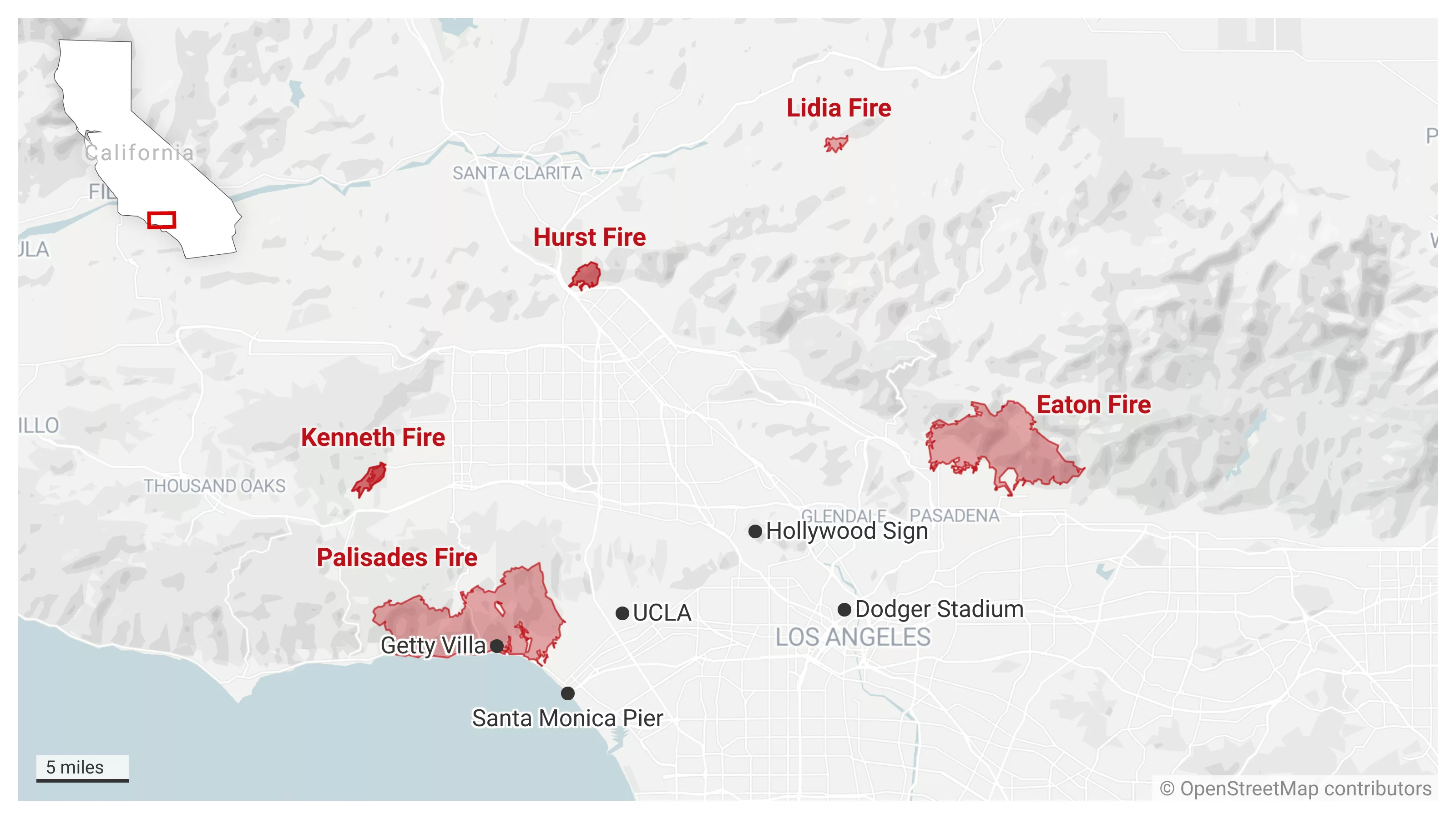
Key Regions and Their Status
California is a vast state, and a fire in one region rarely means the entire state is impacted. The risk and severity of fires vary significantly by geographic area:
- Northern California: This region, encompassing areas like Redwood National Park, Shasta Cascade, and the wine country of Sonoma County and Napa Valley, can experience significant fires. Its dense forests and drier summers make it susceptible.
- Central California: Home to the Sierra Nevada, including Yosemite and Sequoia National Parks, as well as the agricultural heartland of the Central Valley. Fires here can threaten iconic natural landmarks and often lead to widespread smoke. Lake Tahoe, a popular destination straddling the California-Nevada border, has also faced direct threats in recent years.
- Southern California: Characterized by its chaparral landscapes and proximity to major urban centers like Los Angeles, San Diego, and Orange County. Fires here, often fanned by Santa Ana winds, can spread rapidly and pose risks to residential areas and popular tourist corridors, including coastal routes and mountain resorts. Places like Malibu and parts of San Bernardino National Forest have seen recurring incidents.
When planning a trip, identify your target region and then narrow down your research to county-level or specific park/city advisories. The resilience of California’s tourism infrastructure means that even if one area is affected, countless others remain open and welcoming. For example, during a fire in the Sierra foothills, coastal destinations like Monterey or the vibrant city life of San Francisco typically remain untouched and ready for visitors.
Planning Your California Journey Amidst Fire Concerns
Responsible travel in California involves understanding potential risks and incorporating flexibility into your plans. This approach ensures not only your safety but also a more enjoyable and stress-free experience.
Essential Safety Guidelines for Visitors
- Stay Informed: Before and during your trip, regularly check official government websites, park services, and local news for fire updates, road closures, and air quality advisories. Websites like the National Interagency Fire Center (NIFC) and Cal Fire are excellent resources.
- Have a Flexible Itinerary: Be prepared to alter your plans. This might mean choosing an alternative route, postponing a specific outdoor activity, or even changing your destination if conditions worsen. Building in flexibility is crucial for travel during fire season.
- Respect Closures and Evacuation Orders: If an area is closed or under an evacuation order, do not attempt to enter it. These measures are in place for your safety and to allow emergency services to operate effectively.
- Practice Fire Safety: If you are camping or engaging in outdoor activities, be acutely aware of fire restrictions. This includes campfires, charcoal grills, and even smoking. Always heed “red flag warnings” which indicate critical fire weather conditions.
- Consider Air Quality: On smoky days, outdoor activities might be uncomfortable or even unhealthy, particularly for sensitive groups. Plan indoor alternatives, such as visiting museums in San Jose or Oakland, enjoying Los Angeles’ diverse culinary scene, or exploring shopping districts.

Accommodation and Booking Flexibility
When booking hotels, resorts, or other forms of accommodation, especially during the fire season, consider policies on cancellations and rebooking. Many establishments in affected areas are understanding, but it’s always best to clarify this upfront. For instance, major hotel chains like Marriott or Hilton often have corporate-wide policies that can offer some relief during natural disasters, but individual properties or smaller boutique hotels might have different terms. Opting for accommodations with generous cancellation policies, or considering travel insurance that covers natural disaster disruptions, can provide peace of mind.
Furthermore, if a specific region is experiencing a fire, look for alternative destinations or accommodations that are well outside the affected zone. For example, if the Lake Tahoe area is impacted, consider a trip to the Redwoods Coast or a city break in San Francisco.
Exploring Alternative Destinations and Experiences
California’s vastness is its strength when it comes to navigating localized disruptions. If your initial plans are impacted by fires, the state offers an incredible array of alternatives:
- Coastal Retreats: The 840-mile coastline, from the rugged cliffs of Mendocino to the sunny shores of San Diego, often remains largely unaffected by inland fires. Explore towns like Carmel-by-the-Sea, enjoy beach activities in Santa Monica, or discover the surf culture of Huntington Beach.
- Urban Adventures: California’s major cities—Los Angeles, San Francisco, San Diego, Sacramento, San Jose—are hubs of culture, cuisine, and entertainment. They offer world-class museums, theaters, restaurants, and shopping, which are excellent options when outdoor activities are limited due to smoke or heat. Visiting the Getty Center in Los Angeles or the Golden Gate Bridge in San Francisco are experiences that can be enjoyed regardless of inland conditions.
- Desert Escapes: The deserts of Palm Springs, Joshua Tree National Park, and Death Valley National Park often present a distinct climate and environment, sometimes less prone to the types of large-scale wildfires seen in forests, although they have their own specific fire risks related to dry grasses. These offer unique nature experiences and a different kind of beauty.
Supporting California’s Tourism Recovery
When wildfires do occur and recede, the affected communities and natural areas embark on a long road to recovery. Tourists play a vital role in this process by continuing to visit safe areas and by choosing businesses that were impacted but are now rebuilding.
Sustainable Travel and Community Impact
Opting for sustainable tourism practices can significantly help communities rebound. This includes supporting local businesses, from small shops to family-run restaurants and independently owned hotels. Many areas that have experienced fires rely heavily on tourism, and a return of visitors, even if gradual, can inject much-needed revenue into the local economy. For instance, the wine regions of Napa and Sonoma have shown remarkable resilience, and visiting their wineries, tasting rooms, and restaurants helps sustain their recovery.
Furthermore, engaging in volunteer opportunities if available and appropriate, or contributing to reputable local charities dedicated to wildfire relief and environmental restoration, are ways to positively impact the affected regions. Choosing tour operators who prioritize environmental responsibility and local hiring also contributes to a more sustainable recovery model.
Long-Term Outlook for Golden State Adventures
The question “Are the California fires still burning?” will likely remain a seasonal consideration for the foreseeable future, given the changing climate patterns and natural cycles. However, California’s spirit of innovation and resilience ensures that its tourism sector is continually adapting. Investments in fire prevention, early detection systems, and forest management are ongoing. Communities are also becoming more adept at communicating risks and guiding visitors.
For the intrepid traveler, this means that California remains an unparalleled destination. It simply calls for a more informed and flexible approach to planning. From the luxury resorts in Beverly Hills to the rustic charm of a mountain lodge, the options for exploration are endless. The beauty of its diverse landscapes and the warmth of its people continue to make it a prime location for unforgettable adventures, family trips, or serene retreats. By staying informed, planning wisely, and traveling responsibly, you can continue to enjoy the wonders of the Golden State while also supporting its ongoing resilience and recovery efforts. California’s fires may ebb and flow, but its allure as a premier global travel destination endures.