
The specter of wildfires has become an increasingly familiar, and often frightening, companion to the beauty of California. For travelers, residents, and anyone with a vested interest in this Golden State, the question of whether the fires are “out” is not just a matter of immediate concern, but one that ripples through plans for vacations, business trips, and even long-term stays. This article delves into the current situation, the factors influencing wildfire activity, and what it means for exploring the diverse landscapes and vibrant cities that California has to offer.
Understanding the Current Wildfire Landscape
The phrase “Are the California wildfires out?” is deceptively simple. Wildfire season in California is not a discrete event with a clear beginning and end, but rather a complex phenomenon influenced by a confluence of climatic, environmental, and human factors. While individual fires may be extinguished, the underlying conditions that fuel them can persist, and new ignitions can occur rapidly. Therefore, understanding the current status requires a nuanced perspective that considers not just active flames, but also the broader risks.
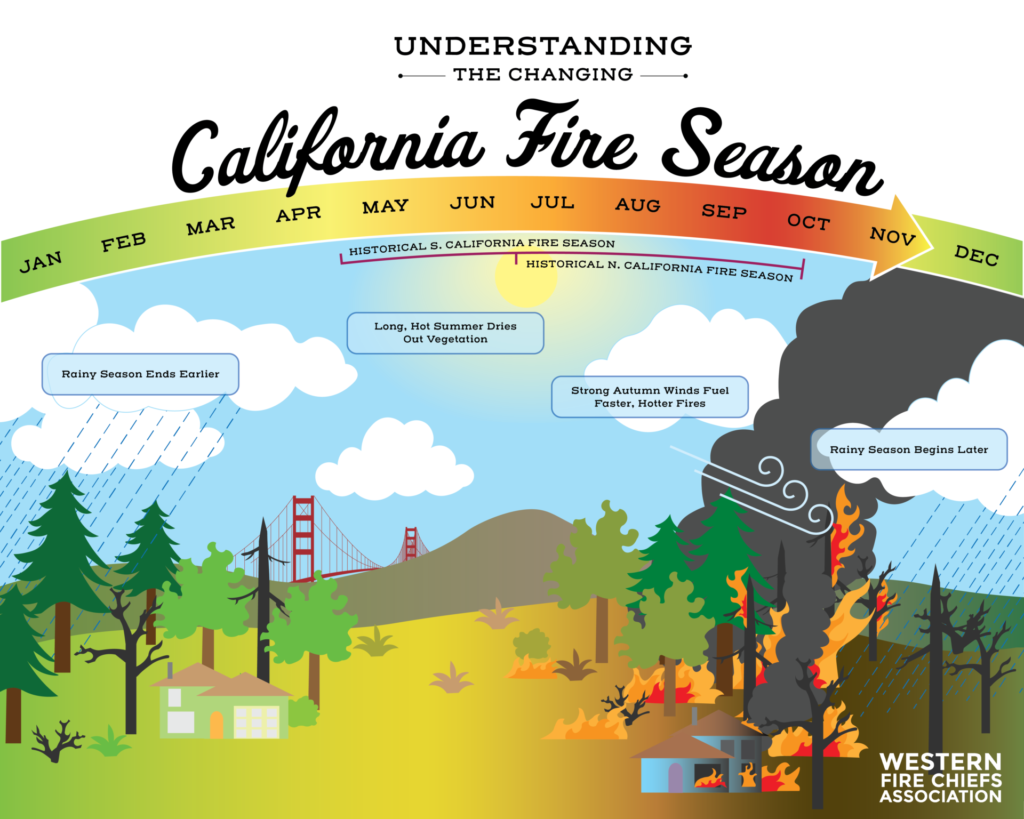
The Dynamic Nature of Fire Events
Wildfire management is a continuous, multi-faceted effort. When we ask if the fires are “out,” we are often referring to the large, high-profile incidents that capture headlines. These are fires that have been contained, with active burning significantly reduced or eliminated. However, even after a fire is declared out, the landscape remains altered, and the potential for smoldering embers to re-ignite or for new fires to spark in adjacent areas is a persistent concern.
The California Department of Forestry and Fire Protection (CAL FIRE) and other agencies are constantly monitoring conditions. They assess factors such as:
- Fuel moisture levels: Dry vegetation acts as tinder, readily igniting and spreading fire. Prolonged drought conditions significantly increase this risk.
- Weather patterns: High temperatures, low humidity, and strong winds are primary drivers of rapid fire growth. Wind events, in particular, can turn small fires into infernos with alarming speed.
- Topography: Steep terrain can accelerate fire spread as flames move uphill more quickly.
- Ignition sources: While natural causes like lightning do occur, a significant percentage of wildfires are human-caused, ranging from accidental sparks to arson.
The “out” status of a wildfire is therefore a snapshot in time, and the situation can evolve rapidly. For travelers planning trips to popular destinations like Los Angeles, San Francisco, San Diego, or the wine regions of Napa Valley and Sonoma County, staying informed about current fire activity and air quality is paramount.
Air Quality: A Broader Indicator of Wildfire Impact
Even when fires are not directly threatening a specific location, their smoke can travel hundreds of miles, significantly impacting air quality. Smog and smoke can cause respiratory issues, cancel outdoor events, and disrupt travel plans. When considering “Are the California wildfires out?”, it’s crucial to also consider the impact of smoke on the general environment and public health.
Travelers should always check:
- Air Quality Index (AQI): Resources like AirNow.gov provide real-time AQI data for various regions. An unhealthy AQI can lead to recommendations for limiting outdoor activity, impacting experiences at places like Yosemite National Park or Joshua Tree National Park.
- Local news and official advisories: Local authorities and fire departments provide the most up-to-date information on fire status and any evacuation orders or advisories.
The lingering effects of smoke can persist long after the flames have been extinguished, making air quality a key indicator of the broader impact of wildfire activity.
Planning Your California Adventures Amidst Fire Concerns
The question of wildfire safety doesn’t necessitate abandoning plans to explore California. With careful planning and up-to-date information, travelers can still enjoy the state’s unparalleled attractions. Understanding the patterns and staying informed are key to a successful and safe trip.

Staying Informed: Essential Resources for Travelers
Before booking flights or accommodation, and certainly before embarking on your journey, it’s vital to consult reliable sources of information. This proactive approach can help you adjust itineraries if necessary and ensure your safety.
Key resources include:
- CAL FIRE: The official website for California‘s fire protection agency offers real-time incident maps, news updates, and preparedness information.
- National Interagency Fire Center (NIFC): This organization provides national wildfire statistics and data, offering a broader context for California‘s situation.
- Local Emergency Services: For specific regions, checking the websites or social media of county sheriffs and emergency management agencies is crucial for localized alerts.
- Weather Forecasts: Staying abreast of weather conditions can help anticipate potential fire behavior.
For those planning stays in hotels or resorts, such as those in Palm Springs or along the Monterey Peninsula, it’s also wise to check with the establishment directly for any local impacts or advisories. Many luxury resorts, like the Ritz-Carlton, Laguna Niguel, are equipped to handle emergency situations and can provide guidance to guests.
Navigating Travel and Accommodation Choices
The presence of wildfire activity can influence travel decisions, from choosing destinations to selecting types of accommodation.
- Destination Selection: Some areas may be more prone to wildfires than others, depending on vegetation and historical fire patterns. Coastal regions, for instance, might experience less direct impact from inland fires, though smoke can still be an issue. Researching specific regions of California, from the beaches of Santa Monica to the mountains near Lake Tahoe, is recommended.
- Accommodation Types:
- Hotels and Resorts: Established hotels and resorts, especially those in urban centers or well-developed tourist areas like Anaheim, often have robust emergency preparedness plans. Staying in larger cities can sometimes offer a buffer from more remote fire zones.
- Vacation Rentals and Villas: When considering a villa in Malibu or an apartment in San Francisco, it’s important to understand the local fire risk in the immediate vicinity of the rental. Reviews from past guests can sometimes offer insights into local conditions.
- Long-Term Stays: For individuals considering a longer-term commitment, understanding the seasonal nature of wildfire risk in their chosen California locale is essential. This might influence the timing of their move or their choice of neighborhood.
- Travel Insurance: Given the unpredictable nature of wildfires, travel insurance that covers cancellations or interruptions due to natural disasters can offer valuable peace of mind for trips to destinations like Disneyland or national parks.
Beyond the Flames: Experiencing California’s Resilience
While wildfires are a serious concern, they are just one facet of the California experience. The state’s natural beauty, cultural richness, and diverse attractions are enduring. The focus should not solely be on the threat, but also on the resilience of the land and its people, and the continued opportunities for exploration.
Embracing California’s Natural Wonders Safely
California is renowned for its breathtaking natural landmarks, from the towering sequoias of Sequoia National Park to the dramatic coastline of Big Sur. While some areas may be temporarily impacted by fire or smoke, many remain accessible and offer unforgettable experiences.
- National and State Parks: Parks like Death Valley National Park, Channel Islands National Park, and Redwood National and State Parks often have detailed information on their websites regarding any closures or advisories related to fire activity or air quality.
- Outdoor Activities: Hiking, camping, and exploring natural areas can still be enjoyed in many parts of the state. However, always check current conditions, adhere to any fire restrictions (such as campfire bans), and be aware of your surroundings. Responsible recreation is key to minimizing human-caused ignitions.
- Wildlife and Ecosystems: California‘s diverse ecosystems are incredibly resilient. While fires can cause damage, they are also a natural part of many environments. Observing the recovery of the landscape can itself be a powerful experience.

Cultural and Urban Exploration
The allure of California extends far beyond its wildlands. Its cities and cultural attractions offer a wealth of experiences that are largely insulated from direct wildfire impacts, though smoke can still be a factor.
- Cities and Attractions: Exploring the vibrant streets of Los Angeles, visiting world-class museums in San Francisco, enjoying the beaches of San Diego, or immersing oneself in the theme parks of Anaheim remain popular and accessible options. Iconic landmarks like the Golden Gate Bridge, the Hollywood Sign, and the Griffith Observatory continue to draw visitors.
- Culinary Delights: California is a gastronomic paradise, from the farm-to-table movement in Santa Barbara to the diverse ethnic eateries in Oakland. These experiences are generally unaffected by wildfires unless smoke significantly impacts local air quality.
- Arts and Entertainment: The state boasts a thriving arts scene, with numerous theaters, music venues, and galleries. These indoor attractions provide excellent alternatives on days with poor air quality.
In conclusion, while the question “Are the California wildfires out?” highlights a persistent concern, it’s important to approach California travel with informed optimism. By staying vigilant, utilizing available resources, and planning thoughtfully, travelers can confidently explore the vast beauty, cultural richness, and endless adventures that the Golden State continues to offer. The spirit of California is one of resilience, and its doors remain open to those who embrace its wonders with awareness and respect.