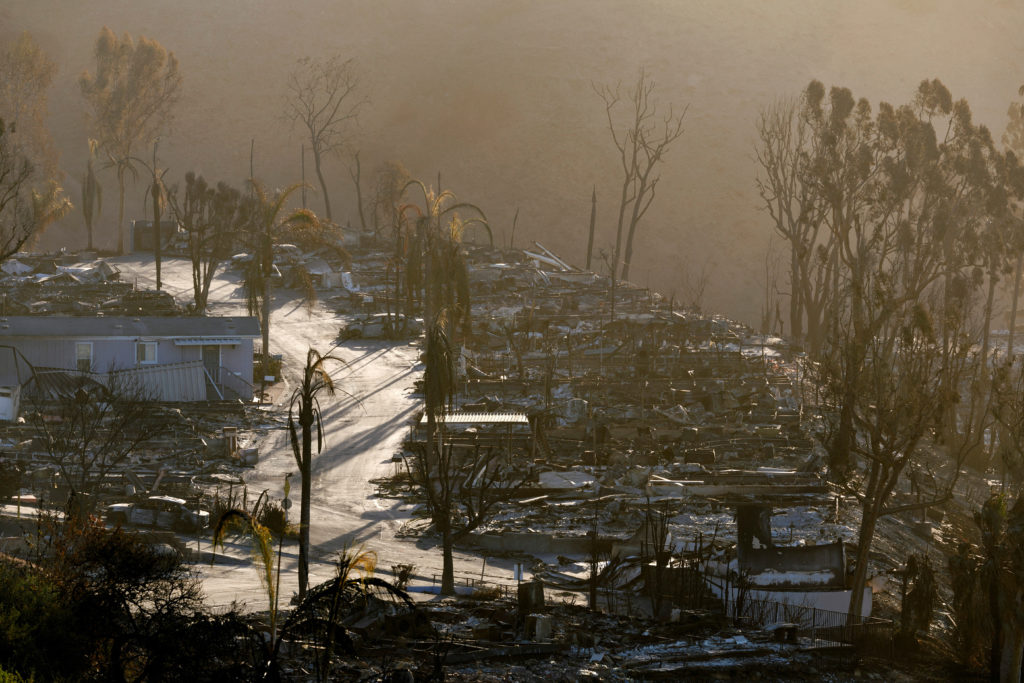
The question, “Are the California wildfires still burning?” is one that frequently arises in the minds of prospective travelers considering a visit to the Golden State. With its iconic landscapes, bustling cities, and world-renowned attractions, California consistently ranks among the top travel destinations globally. However, images of wildfires often dominate headlines, creating understandable concern among those planning their adventures. The reality is nuanced: while wildfires are a significant environmental challenge, they rarely impact the entire state simultaneously, and California’s vastness and robust tourism infrastructure mean that the vast majority of its destinations remain open, safe, and ready to welcome visitors.
This article aims to provide clarity for travelers, focusing on the current situation, offering guidance on planning a trip responsibly, and highlighting the myriad unaffected wonders that continue to make California an unparalleled travel experience. From luxury resorts to budget-friendly stays, family-friendly attractions to serene natural escapes, the state’s offerings are incredibly diverse, and understanding the actual impact of wildfires is key to an informed and enjoyable journey.

Understanding the Current Landscape: Wildfires and Their Immediate Impact
To truly grasp the situation, it’s essential to look beyond sensational headlines and understand the dynamics of California’s fire seasons and the geographical scale of the state itself.
The Seasonal Nature of California Wildfires
Wildfires in California are often a seasonal phenomenon, typically peaking during the drier, hotter months of late summer and autumn, roughly from July through November. Factors like drought conditions, high temperatures, strong winds (such as the Santa Ana winds in Southern California or Diablo winds in Northern California), and an abundance of dry vegetation contribute to their occurrence. It’s crucial to understand that these fires are not a constant, year-round state of emergency across the entire state. There are periods of heightened risk, and then periods where the risk significantly diminishes, especially after winter rains. Travel plans should ideally factor in this seasonality, although responsible planning is paramount regardless of the time of year.
Areas Affected vs. Unaffected: A State of Vast Diversity
One of the most critical pieces of information for travelers is that California is an enormous state, stretching over 800 miles from north to south. A wildfire burning in one county, or even within a specific forest, does not mean that the entire state is engulfed in flames or shrouded in smoke. For instance, a fire in a remote part of the Sierra Nevada foothills might have no discernible impact on cities like San Francisco or Los Angeles, or coastal gems like San Diego.
Major tourist hubs and iconic landmarks are often far removed from active fire zones. While areas immediately surrounding a fire might face evacuations or road closures, the vast majority of the state’s popular destinations, including its vibrant cities, stunning coastline, and many of its national and state parks, remain open and accessible. For example, the famed Pacific Coast Highway and its breathtaking stretch through Big Sur might occasionally face closures due to landslides or fires, but these are localized and temporary, with the rest of the highway open for exploration. This geographical diversity means that even during an active fire season, there are countless beautiful and safe places to visit.

Air Quality and Visibility Concerns
Beyond the direct threat of fires, smoke and reduced air quality can be a concern for travelers, particularly those with respiratory sensitivities. Smoke plumes can travel significant distances, temporarily impacting air quality and visibility even in areas not directly threatened by flames. This is especially relevant for outdoor activities, scenic drives, or visiting natural landmarks like Yosemite National Park or Lake Tahoe where clear vistas are part of the appeal. However, air quality conditions are highly dynamic and can change rapidly with wind shifts and fire containment efforts. Resources for monitoring air quality are readily available, allowing travelers to make informed decisions and adjust plans if necessary. In most cases, such impacts are temporary, and regions quickly return to normal conditions.
Planning Your California Trip: Travel Considerations and Safety
A well-planned trip to California, especially during fire season, involves being informed and flexible. Here’s how to ensure a safe and enjoyable journey.
Staying Informed: Essential Resources for Travelers
The most crucial step for any traveler is to stay updated with accurate, real-time information from official sources. Key resources include:
- CAL FIRE: The official source for wildfire incident information in California, providing maps, incident updates, and containment percentages.
- National Weather Service: Provides weather forecasts, red flag warnings, and air quality advisories.
- National Park Service: For updates on conditions, closures, and advisories within national parks.
- Local Emergency Services: County and city official websites often have local alerts and updates.
- Caltrans: For real-time road conditions and closures.
Before and during your trip, regularly checking these sources for your specific destinations is highly recommended. Many local tourism boards also provide updated information relevant to visitors.
Reassessing Destinations: Avoiding Impacted Zones
While much of California remains unaffected, it’s wise to consider avoiding areas that are actively battling fires or are under severe smoke advisories. If your original itinerary includes a region facing active wildfires or recent damage, be prepared to adjust. California’s immense geographical diversity means there are always fantastic alternative destinations. For example, if parts of Napa Valley or Sonoma County are impacted, coastal Mendocino Coast or inland Paso Robles in the Central Coast might offer a superb alternative wine country experience. If mountain trails are closed, consider exploring the beaches or urban attractions. Flexibility is your best travel companion during these times.
Accommodation and Booking Flexibility
When booking hotels, resorts, apartments, or villas, especially during fire season, look for accommodations that offer flexible cancellation policies. Many major hotel chains and booking platforms have clear guidelines regarding cancellations due to natural disasters. It’s also a good practice to directly contact your chosen hotel or resort a few days before arrival to confirm local conditions, ask about air quality, and ensure there are no unforeseen impacts on their services or access routes. Properties in vulnerable areas, such as those bordering national forests or remote regions, are usually well-versed in providing updates to guests and ensuring their safety. For long-term stays or unique accommodations, clarifying these policies upfront is even more critical.
Travel Insurance: A Prudent Precaution
Considering travel insurance is always a good idea, but it becomes particularly relevant when traveling to areas prone to natural events like wildfires. Policies can vary widely, so it’s essential to read the fine print. Look for coverage that includes trip cancellation or interruption due to natural disasters, especially if your trip involves specific areas known for fire risk. Some policies may also cover medical emergencies due to air quality issues or evacuation costs. Investing in comprehensive travel insurance can provide peace of mind and financial protection should unforeseen circumstances necessitate changes to your travel plans.
Exploring California Responsibly: Resilience, Recovery, and Unaffected Beauty
Despite the challenges, California remains a vibrant and welcoming destination. Responsible tourism can play a significant role in supporting its communities and appreciating its enduring beauty.
Unaffected Wonders: Major Tourist Destinations Ready to Welcome You
The vast majority of California‘s premier tourist destinations are consistently open and ready for visitors. From bustling urban centers to serene coastal towns and majestic deserts, countless experiences await, often far from any fire activity:
- Northern California: San Francisco with its iconic Golden Gate Bridge, Alcatraz Island, and Fisherman’s Wharf remains a top draw. The state capital, Sacramento, offers rich history and a burgeoning food scene. Coastal towns like Monterey and Carmel-by-the-Sea provide stunning ocean vistas and charming atmospheres, along with attractions like the Monterey Bay Aquarium.
- Southern California: Los Angeles continues to captivate with Hollywood glamour, the Griffith Observatory, and the vibrant Santa Monica Pier. Nearby, Anaheim hosts the world-famous Disneyland Resort, a perennial family favorite. Further south, San Diego boasts beautiful beaches, Balboa Park, and the lively Gaslamp Quarter, while La Jolla offers stunning coastal scenery. The desert oasis of Palm Springs is a popular retreat.
- National Parks & Nature: Many of California’s incredible national parks, like Joshua Tree National Park, Death Valley National Park, Redwood National Park, Sequoia National Park, Kings Canyon National Park, and Channel Islands National Park, are often unaffected or quickly recover from isolated incidents. Coastal towns like Santa Barbara and Pismo Beach are rarely touched by wildfires due to their unique microclimates. Destinations like Catalina Island or the historic Hearst Castle are typically safe and accessible. Even mountain resorts like Mammoth Lakes, Squaw Valley, Lake Arrowhead, Idyllwild, and Big Bear Lake, while sometimes adjacent to national forests that experience fires (like San Bernardino National Forest), are often protected and thrive outside immediate fire zones. The Temecula Valley wine region and the charming village of Ojai in Ventura County also offer unique experiences away from traditional fire corridors.
- Lifestyle Experiences: Whether you’re seeking luxury travel in Orange County, a budget-friendly road trip along the coast, a family trip to a theme park, or a business stay in a metropolitan hub, California continues to offer all these lifestyle choices without significant disruption to the overall visitor experience.
Supporting Local Communities: The Role of Responsible Tourism
When it is safe to do so, returning to areas that have been affected by wildfires, particularly in their recovery phase, can provide a vital economic boost to local communities. Tourism dollars directly support local businesses, hotels, restaurants, and attractions, helping them rebuild and sustain their livelihoods. After a fire has been contained and an area is deemed safe, visiting with an awareness of the community’s experience and a willingness to support local establishments is a powerful act of responsible tourism. Always confirm that an area is fully open and welcoming visitors before heading there.
Emphasizing Outdoor Ethics and Fire Prevention
For travelers venturing into California’s natural landscapes, especially during drier months, practicing outdoor ethics and fire prevention is paramount. This includes adhering to “Leave No Trace” principles, which minimize human impact on nature. Specific fire safety guidelines include:
- Checking fire restrictions before planning campfires or using portable stoves.
- Properly disposing of cigarettes and other smoking materials.
- Ensuring vehicles are well-maintained to prevent sparks.
- Never leaving any heat source unattended in natural areas.
- Being extremely cautious with anything that can generate a spark, from power tools to recreational shooting.
By being mindful and responsible, travelers can contribute to preserving California’s stunning natural beauty for future generations.
In conclusion, while the question “Are the California wildfires still burning?” reflects legitimate concern, the answer is usually localized, seasonal, and not indicative of a statewide crisis for travelers. California’s immense size, diverse geography, and robust infrastructure mean that the vast majority of its incredible destinations remain open, safe, and welcoming. By staying informed, planning flexibly, utilizing reliable resources, and traveling responsibly, visitors can confidently explore the myriad attractions, accommodations, and unique lifestyle experiences that the Golden State proudly offers, contributing to its ongoing resilience and vibrant tourism industry.