
California, a land of unparalleled natural beauty, iconic landmarks, and vibrant cities, draws millions of visitors each year, eager to explore its diverse destinations. From the sun-drenched beaches of Southern California to the majestic forests of the Sierra Nevada and the sophisticated vineyards of Napa Valley, the Golden State offers an endless array of experiences. However, the narrative of California in recent years has often been intertwined with the serious and recurring challenge of wildfires. For both seasoned travelers and first-time adventurers planning their California travel itinerary, the question “Are the wildfires still burning in California?” is a crucial one that influences safety, accommodation, and overall tourism plans.
The answer to this question is complex and highly dynamic. California experiences a fire season annually, typically from late spring through late autumn, with peak activity often occurring in summer and fall. During these periods, various fires may be active across the vast state. While some fires are quickly contained, others can grow into significant events, affecting large areas and impacting everything from air quality to travel routes and access to popular attractions. This article serves as a comprehensive guide for understanding the wildfire situation in California and how to responsibly plan your visit, ensuring both safety and an enjoyable journey through this magnificent state.
Understanding California’s Wildfire Landscape
The ecological and climatic conditions of California naturally predispose it to wildfires. Decades of fire suppression, combined with a warming climate, prolonged droughts, and dense wildland-urban interfaces, have created a challenging environment. Understanding the seasonal patterns and the resources available for real-time information is paramount for any visitor.
The Seasonal Nature of Fires and Contributing Factors
California’s Mediterranean climate is characterized by hot, dry summers and mild, wet winters. This pattern leads to an accumulation of dry vegetation that, when combined with high temperatures, low humidity, and strong winds (such as the infamous Santa Ana winds in the south and Diablo winds in the north), creates ideal conditions for wildfires to ignite and spread rapidly. The fire season has demonstrably lengthened and intensified in recent years, making it an increasing consideration for all forms of lifestyle within the state, including luxury travel and family trips.
While the term “fire season” generally refers to the hotter months, significant fires can occur outside of this window, especially during periods of extended drought. It’s not uncommon to see fire activity as early as April or as late as December, depending on the year’s specific weather patterns and fuel conditions. This variability underscores the importance of staying current with information rather than relying on broad seasonal assumptions.
Current Status and Official Resources for Information
For anyone planning a trip, relying on official and up-to-date sources is critical. The primary agency responsible for wildfire response and information in California is CAL FIRE (the California Department of Forestry and Fire Protection). Their website provides comprehensive information on current incidents, including fire locations, containment levels, and evacuation orders. Other invaluable resources include:
- National Interagency Fire Center (NIFC): Provides a national overview of wildland fire activity, including detailed maps.
- AirNow.gov: Essential for checking local air quality, as smoke from distant fires can significantly impact even unaffected areas.
- National Weather Service (NWS): Offers weather forecasts, red flag warnings (indicating critical fire weather conditions), and air quality alerts.
- Caltrans (California Department of Transportation): Provides real-time information on road closures and conditions, which is vital for planning travel routes.
- National Park Service (NPS) and California State Parks websites: For visitors heading to specific parks like Yosemite National Park, Sequoia National Park, or Big Sur, checking the respective park websites for fire-related closures, warnings, or restrictions is a must.
By consulting these resources frequently, travelers can make informed decisions about their itinerary, ensuring their safety and minimizing disruptions to their trip.
Impact on Travel and Tourism in the Golden State
Wildfires in California have profound implications for the state’s vibrant tourism industry, affecting everything from access to beloved attractions to the availability of hotels and resorts. Understanding these impacts helps travelers prepare and act responsibly.
Safety First: Prioritizing Traveler Well-being
The most critical impact of wildfires is on safety. When a fire is active in a particular area, public safety officials may issue evacuation orders, advising residents and visitors to leave immediately. Road closures are common, not only directly in the path of the fire but also on routes used by emergency services. These measures are put in place to protect lives and facilitate firefighting efforts.
Beyond the immediate danger of flames, smoke and poor air quality pose significant health risks, especially for individuals with respiratory conditions. Smoke plumes can travel hundreds of miles, affecting areas far from the actual fire. Therefore, monitoring air quality reports (AirNow.gov) is just as important as checking fire maps. If air quality is unhealthy, outdoor activities should be limited, and travelers should consider adjusting their plans to visit regions with clearer air. This consideration is particularly important for family trips involving children or elderly individuals.

Affected Destinations and Recovery Efforts
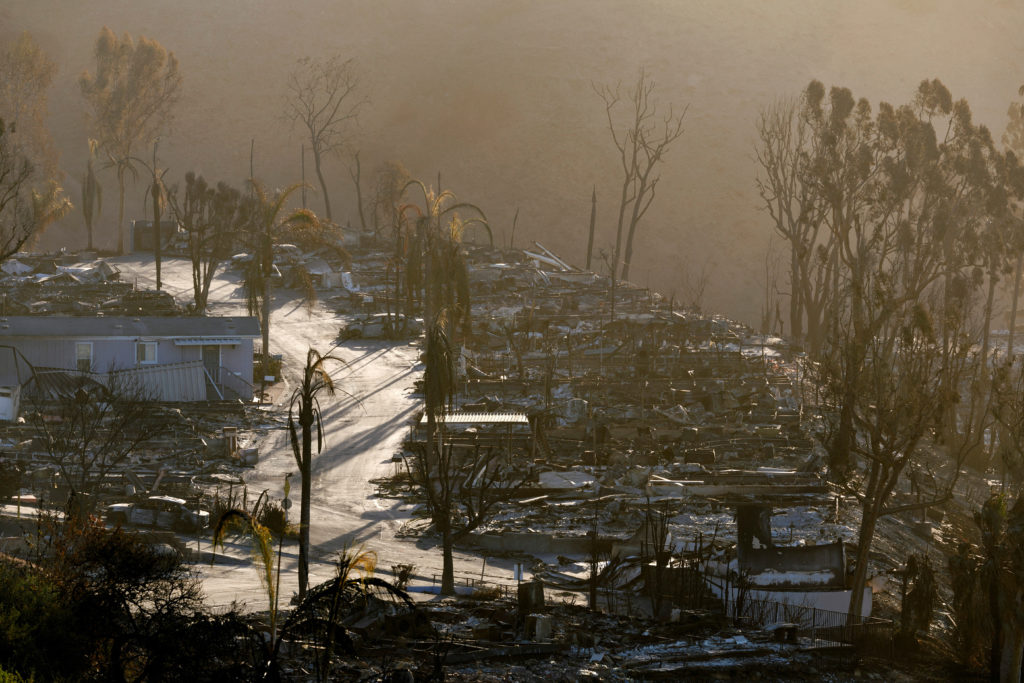
Historically, certain regions of California are more susceptible to severe wildfires. Areas like Napa Valley and Sonoma County in Wine Country, parts of the Sierra Nevada foothills, Lake Tahoe, Big Sur, and sections of Southern California’s wildland-urban interface have experienced significant fire events. National Parks like Yosemite National Park, Sequoia National Park, and Kings Canyon National Park have also faced closures or restrictions due to fire activity or smoke.
However, it’s crucial to remember that California communities are incredibly resilient. Following a fire, recovery and rebuilding efforts begin swiftly. Many affected areas reopen to tourism relatively quickly, often eager for visitors to help stimulate their local economies. Supporting these areas once they are safe to visit can be a meaningful part of responsible travel, contributing to their long-term recovery. For example, Wine Country has demonstrated remarkable resilience, with many wineries and resorts quickly resuming operations and welcoming guests, often after meticulously clearing and rebuilding damaged infrastructure. Similarly, communities around Lake Tahoe and in the Sierra Nevada have shown great spirit in welcoming visitors back to enjoy their natural beauty.

How Wildfires Influence Accommodation and Bookings
The threat of wildfires can directly affect accommodation options. In areas under evacuation orders, hotels, resorts, apartments, and villas may be forced to close or cancel bookings. Even outside direct impact zones, concerns about air quality or restricted access to attractions can lead travelers to reconsider their plans.
When booking accommodation in California during fire season, it is highly advisable to:
- Check Cancellation Policies: Understand the hotel’s policy regarding cancellations due to natural disasters. Many offer flexibility or full refunds under such circumstances, but it’s essential to confirm.
- Consider Travel Insurance: Comprehensive travel insurance that covers trip interruptions or cancellations due to natural disasters can provide peace of mind. Review policies carefully to ensure wildfire-related incidents are included.
- Monitor Local Advisories: Reputable hotels and resorts will often provide updated information to guests regarding local conditions and safety measures.
Platforms for booking and reviews like Life Out of the Box can also be helpful for finding accommodation that offers flexibility or has positive reviews regarding their handling of unforeseen circumstances.
Planning Your California Adventure Amidst Fire Concerns
Visiting California remains an incredible experience, even with the recurring challenge of wildfires. Thoughtful planning and preparedness are key to ensuring a safe, enjoyable, and uninterrupted trip.
Essential Pre-Travel Research and Preparedness
Before and during your trip, make pre-travel research an ongoing activity.
- Check Weather Forecasts and Fire Risk: Pay close attention to local weather reports for high temperatures, low humidity, and strong winds, which increase fire risk. The National Weather Service provides red flag warnings when critical fire weather conditions are expected.
- Monitor Air Quality: Use AirNow.gov or similar apps to check the Air Quality Index (AQI) for your specific destinations. If the AQI is in the “unhealthy” range, consider indoor activities or relocating.
- Verify Road Conditions: Consult Caltrans for real-time updates on road closures and delays, especially if your itinerary involves scenic drives or remote areas.
- Check Park and Attraction Status: If you plan to visit national parks, state parks, or other natural attractions, always check their official websites or social media channels for current alerts, closures, or restrictions. Yosemite National Park or Big Sur could have sudden changes in accessibility.
- Inform Others of Your Plans: Share your itinerary with friends or family and check in regularly, especially if you’re venturing into more isolated regions.
Having a robust emergency plan, including multiple exit routes if driving, and being aware of local emergency services, will contribute to a sense of security.
Alternative Destinations and Resilient Travel Choices
If your original destination is affected by wildfires or poor air quality, California offers numerous alternative experiences.
- Coastal Cities: During peak fire season, coastal cities like San Francisco, Los Angeles, and San Diego often offer relief from smoke, benefiting from ocean breezes. These metropolitan areas boast world-class landmarks, museums, restaurants, and vibrant cultural activities that can easily fill an itinerary. San Francisco, with its iconic Golden Gate Bridge, historic Alcatraz Island, and diverse neighborhoods, offers endless urban exploration. Los Angeles provides a blend of entertainment, beaches, and cultural institutions, while San Diego is known for its beautiful coastline, Balboa Park, and family-friendly attractions.
- Other Regions: Consider the Central Coast (excluding Big Sur if affected) or areas further north like Redwood National Park, which often have different climatic patterns.
- Indoor Activities: Plan for indoor attractions such as museums, art galleries, aquariums, and shopping centers, which provide excellent alternatives if outdoor conditions are unfavorable.
- Support Local Businesses: If you visit a community that has recently been affected by a fire and is safe for tourism, consider supporting local businesses. Eating at local restaurants, staying at local hotels, and purchasing goods from local shops can significantly aid their recovery efforts. This responsible tourism approach benefits both the traveler and the community.
Ensuring a Safe and Enjoyable Stay
Once you’re in California, maintaining vigilance is crucial for a safe and enjoyable stay.
- Stay Informed: Continue to monitor local news, official government websites, and emergency alerts. Many counties offer opt-in text or email alert systems for emergencies.
- Respect Restrictions: Always adhere to posted warnings, road closures, and park restrictions. These are in place for your safety and the safety of emergency personnel.
- Fire Safety Practices: If you are camping or staying in an area near wildlands, be extremely cautious with fire. Use designated fire pits only, ensure all fires are completely extinguished, and be aware of any burn bans in effect. Never throw cigarette butts out of car windows.
- Have an Emergency Kit: Carry a basic emergency kit in your vehicle, including water, snacks, a first-aid kit, and any necessary medications.
- Communicate with Your Accommodation: Your hotel or resort staff can be an excellent source of local information and advice, especially regarding nearby conditions or alternative activities if plans change.
In conclusion, while wildfires are an unfortunate reality for California, they do not diminish its allure as a premier travel destination. With careful planning, diligent monitoring of official sources, and a flexible mindset, visitors can navigate the challenges and still discover the boundless beauty, culture, and adventure that the Golden State offers. By prioritizing safety and making informed choices, your California experience can be both memorable and responsible, allowing you to fully appreciate everything this diverse state has to offer.