
The Golden State, known for its endless sunshine, iconic landmarks, and diverse landscapes ranging from the Sierra Nevada mountains to the Pacific coastline, evokes images of Hollywood glamour, tech innovation, and laid-back beach culture. It’s a place where you might encounter celebrity sightings, towering redwoods, or even a wild puma in the remote hills. But one creature that often sparks curiosity, given its fearsome reputation and association with wetlands, is the alligator. The question, “Are there alligators in California?”, is surprisingly common. For most residents and visitors, the immediate answer is a resounding no. Wild populations of alligators do not naturally inhabit California’s rivers, lakes, or swamps. However, the story is a little more nuanced than a simple yes or no, involving exotic pets, isolated incidents, and the vast differences in ecosystems across the United States.
This article will delve into the true habitats of these ancient reptiles, explore why California isn’t their natural home, discuss the rare instances where they might appear, and guide you on where you can responsibly experience alligators for yourself, should you wish to add a unique wildlife encounter to your travel experiences.
The Natural Habitat: Where Alligators Truly Roam
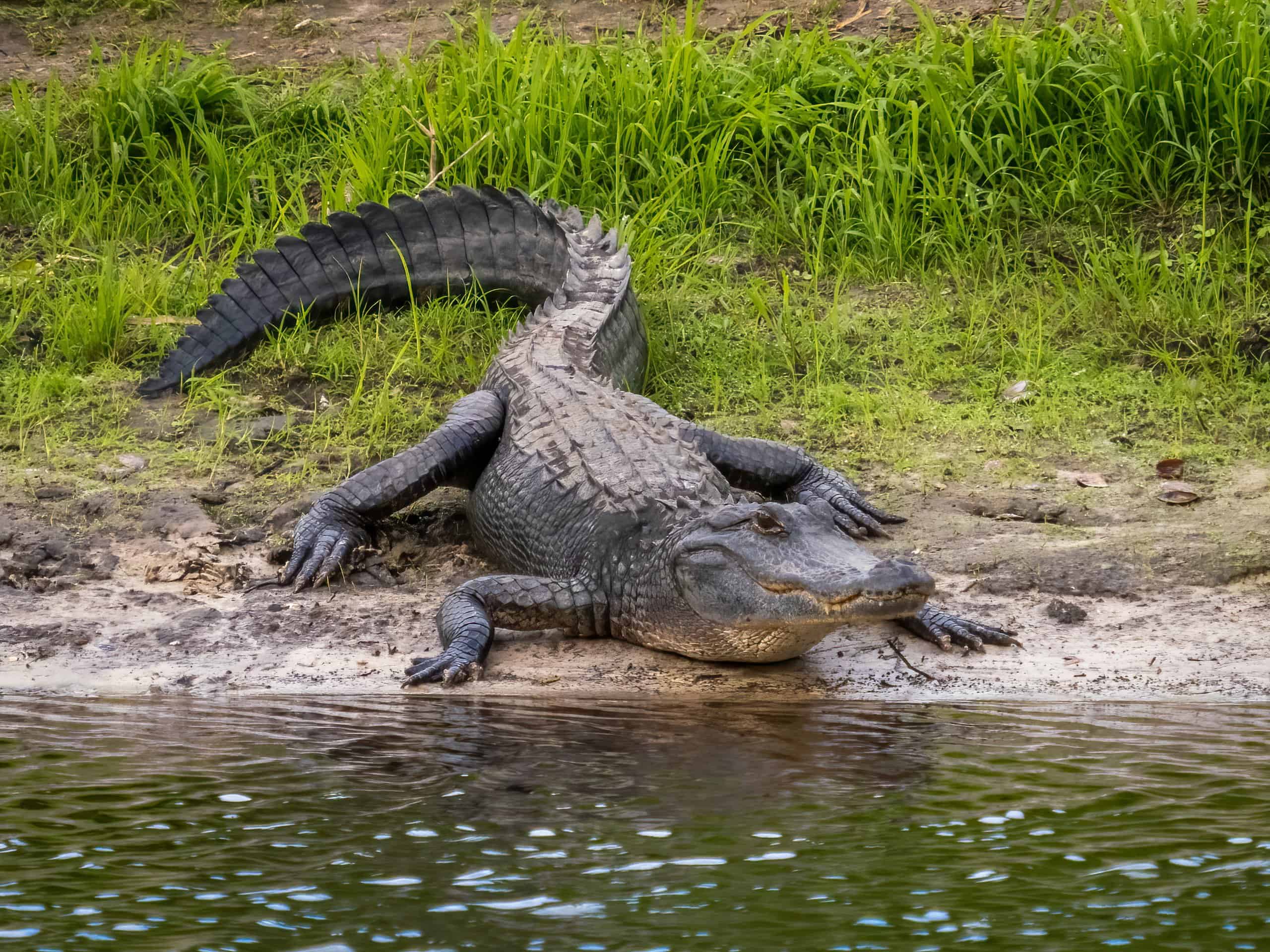
To understand why alligators are not native to California, it’s essential to look at where they do thrive. The American Alligator (Alligator mississippiensis) is primarily found in the Southeast United States. Their natural range stretches across Florida, Louisiana, Georgia, South Carolina, Alabama, Mississippi, Arkansas, North Carolina, Texas, and parts of Oklahoma. These states provide the ideal conditions for alligators: warm climates, abundant freshwater sources like marshes, swamps, rivers, lakes, and ponds, and a rich food supply.
Alligators are cold-blooded reptiles, meaning their body temperature is regulated by their external environment. They require warm temperatures to maintain their metabolic functions and to survive. Their preferred habitats are typically slow-moving freshwater systems, where they can bask in the sun to warm up and retreat to cooler water or burrows (gator holes) when temperatures rise too high. These wetland environments are distinctly different from the often arid or Mediterranean climate found across much of California.
Alligators vs. Crocodiles: A Crucial Distinction
Before we delve deeper into California’s lack of alligators, it’s worth clarifying the difference between alligators and crocodiles, as these terms are often used interchangeably by the public. While both are large, semi-aquatic reptiles belonging to the order Crocodilia, they have distinct characteristics:
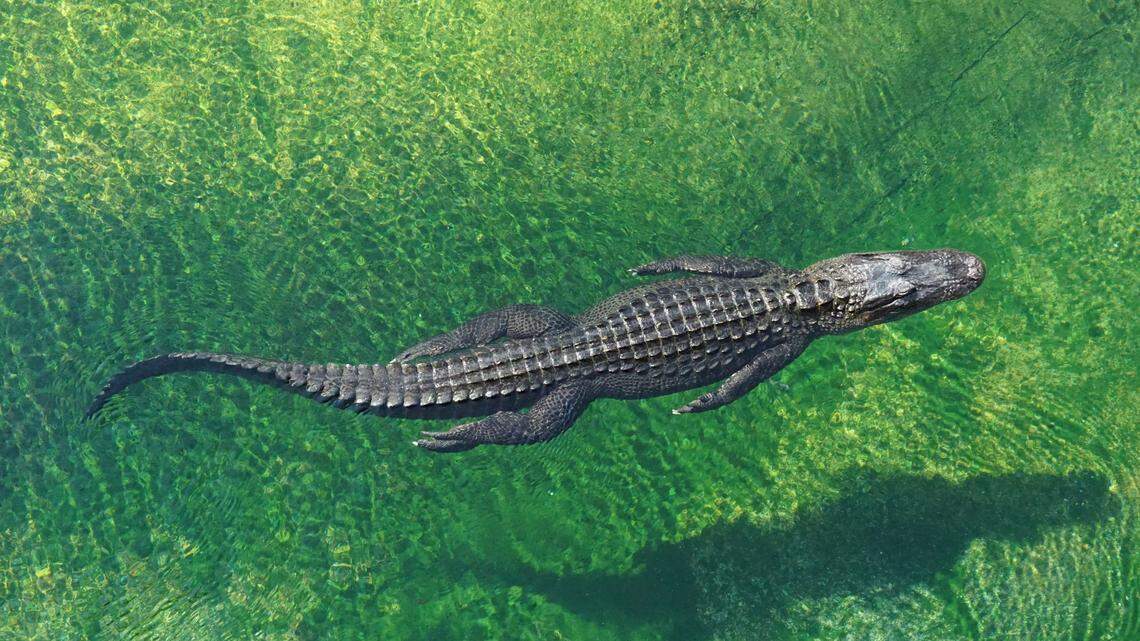
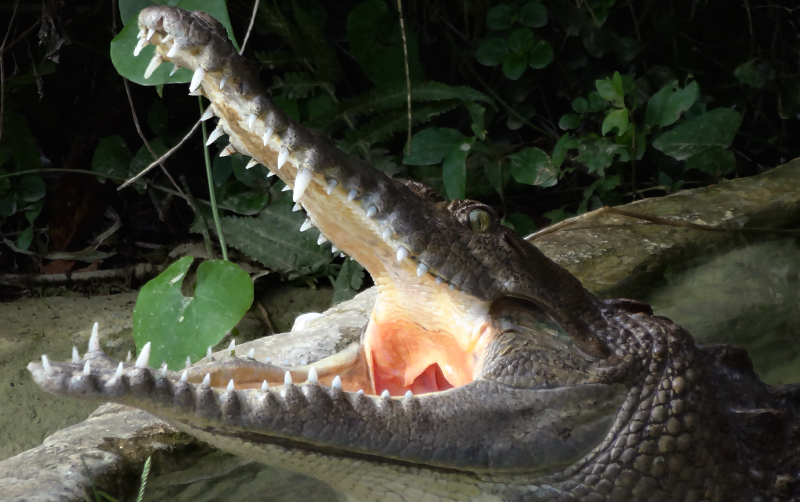
- Snout Shape: Alligators typically have a broad, U-shaped snout, whereas crocodiles tend to have a narrower, V-shaped snout.
- Teeth Visibility: When an alligator’s mouth is closed, you generally only see the teeth of its upper jaw. A crocodile, however, usually has its fourth lower jaw tooth visible, interlocking with a notch in the upper jaw.
- Habitat: While there’s some overlap, alligators primarily prefer freshwater environments. Crocodiles, particularly the American Crocodile (Crocodylus acutus), are more tolerant of saltwater and brackish water, often found in coastal areas, estuaries, and mangrove swamps, such as those in South Florida and Central and South America.
- Coloration: Alligators are typically darker, often grayish or black, while crocodiles tend to be lighter, with a more olive-green or tan hue.
Understanding these differences is important for accurate identification, especially if one were to mistakenly believe they spotted a “crocodile” in an unexpected location.
The Ecological Niche of American Alligators
In their native ecosystems, American Alligators play a vital role as apex predators. They help control populations of other species, contributing to the overall health and balance of their wetlands. Beyond their predatory role, alligators are also considered “ecosystem engineers.” During dry seasons, they dig and maintain “gator holes,” which retain water and provide critical refugia for fish, insects, and other wildlife, ensuring survival for many species during droughts. This activity also helps to deepen ponds and create new microhabitats. Without alligators, these unique wetland ecosystems would be significantly altered, leading to cascading effects on biodiversity. The absence of such an ecological niche in California’s natural environment further underscores why they don’t belong there.
Alligators in the Golden State: A Rare Sight
While California lacks the vast, warm, freshwater swamps and marshes that form the natural habitat of alligators, the idea of these reptiles appearing in the Golden State isn’t entirely a myth, although it’s always tied to human intervention rather than natural migration. Any alligator found in California is almost certainly an escaped or illegally released pet.
The state’s diverse geography includes deserts, mountains, and a long coastline, but its freshwater systems—though extensive—do not replicate the subtropical conditions necessary for alligators to thrive long-term or establish breeding populations. The cooler winters, even in southern parts of California, would pose a significant challenge to their survival, as they are not adapted to prolonged cold.
Documented Cases and Explanations
Despite the unsuitability of the climate, there have been a handful of highly publicized instances of alligators being found in California. The most famous case is perhaps “Reggie the Alligator,” who captivated Los Angeles in 2005-2007. Reggie was an illegally kept pet, released into Machado Lake in Harbor City after growing too large for his owner. The protracted effort to capture Reggie involved wildlife experts, traps, and considerable public attention, highlighting the challenges and dangers posed by non-native species. After two years of evasion, Reggie was finally caught and relocated to an alligator farm in Florida.
Other scattered reports over the years have typically followed a similar pattern: an alligator, often small, is discovered in a residential pond, a backyard pool, or a local waterway. These are invariably traced back to illegal pet ownership. The California Department of Fish and Wildlife (CDFW) strictly regulates exotic animal ownership, and alligators fall under the category of restricted species that cannot be privately owned without specific permits for exhibition or research, which are rarely granted.
The Exotic Pet Trade and Its Dangers
The primary reason for any alligator sighting in California stems from the illegal exotic pet trade. Alligators, when young, are relatively small and might seem like an intriguing, albeit dangerous, pet. However, they grow rapidly, becoming large, powerful, and demanding creatures that require specialized care, extensive space, and a specific diet. Many owners, overwhelmed by the commitment, the cost, or the inherent danger, unfortunately resort to releasing these animals into the wild.
This practice is not only illegal but also incredibly irresponsible. It puts the animal at risk, as it’s unlikely to survive in an alien environment. More importantly, it poses a significant threat to public safety and can disrupt local ecosystems. Non-native species can introduce diseases, compete with native wildlife for resources, or even become invasive, causing irreparable damage to the environment. Authorities in California dedicate resources to educating the public about the dangers of exotic pet ownership and enforcing laws against it.
Public Safety and Wildlife Management in California
Should you ever encounter what you believe to be an alligator in California, the advice is clear: do not approach it. Alligators are wild animals, and even if they appear docile, they can be unpredictable and dangerous. Instead, immediately report the sighting to the California Department of Fish and Wildlife or local animal control authorities. These agencies are equipped to safely capture and remove the animal, ensuring both public safety and the welfare of the alligator.
Beyond these rare, isolated incidents, California’s wildlife management focuses on its rich array of native species, from mountain lions and black bears to various bird species and marine life. The state works diligently to conserve these natural treasures and educate the public about coexisting responsibly with wildlife that is truly indigenous to the region.
Experience Alligators: Responsible Tourism Destinations
For those fascinated by these magnificent reptiles and eager to observe them in person, the good news is that numerous responsible tourism opportunities exist outside of California. Experiencing alligators in their natural habitat or in reputable sanctuaries can be an incredible and educational adventure, offering insights into their behavior, ecology, and conservation needs. This type of travel aligns perfectly with our focus on exploring diverse destinations and unique experiences.
Best Places to See Alligators in the Wild
The quintessential alligator experience awaits in the southeastern United States. These destinations offer breathtaking natural beauty alongside abundant wildlife.
- Everglades National Park, Florida: Perhaps the most famous destination, the Everglades is a vast wetland ecosystem teeming with alligators. Airboat tours are popular, providing an exhilarating way to navigate the “River of Grass” and spot these reptiles basking on the banks or gliding through the water. Many reputable operators offer guided tours with knowledgeable naturalists who prioritize animal welfare and safety.
- Okefenokee Swamp, Georgia / Florida: This massive blackwater swamp, largely preserved as a national wildlife refuge, is a prime spot for observing alligators in a more serene setting. Kayaking, canoeing, and guided boat tours offer intimate encounters with gators, birds, and other swamp creatures.
- Louisiana Bayous: The intricate network of swamps and bayous in Louisiana offers a distinct cultural and wildlife experience. Guided swamp tours often incorporate local history and Cajun culture alongside alligator sightings. Destinations near New Orleans are particularly popular for these excursions.
- Brazos Bend State Park, Texas: Located southwest of Houston, this park is famous for its large alligator population. Visitors can often see dozens of alligators from the park’s numerous trails and observation decks, especially around its many lakes and ponds.
When planning a trip to these destinations, always choose tour operators that emphasize ethical wildlife viewing practices. This includes maintaining a respectful distance, never feeding the animals, and ensuring that the tours do not disturb their natural behavior or habitats.
Alligator Encounters at Zoos and Sanctuaries
For those who prefer a controlled environment or cannot travel to the natural habitats, many accredited zoos and wildlife sanctuaries offer the opportunity to see alligators up close. Even in California, some facilities house alligators as part of their educational exhibits.
- San Diego Zoo: A world-renowned facility, the San Diego Zoo often features alligator and crocodile exhibits, providing educational insights into their biology and conservation.
- Los Angeles Zoo: Similarly, the Los Angeles Zoo may showcase these reptiles, offering a chance for urban dwellers to learn about them without leaving the city.
- Aquarium of the Pacific in Long Beach: While primarily focused on marine life, this aquarium sometimes features freshwater exhibits that include alligators or caimans, providing valuable educational experiences.
- Alligator Farms and Rescue Facilities: In states like Florida and Louisiana, you can find dedicated alligator farms and rescue centers that provide safe homes for injured or nuisance alligators, often offering educational shows and controlled viewing opportunities.
These facilities play a crucial role in conservation, education, and animal welfare. When visiting, look for institutions that are accredited by organizations like the Association of Zoos and Aquariums (AZA), which signifies a commitment to high standards of animal care, conservation, and education.
Planning Your Wildlife Adventure: Beyond California’s Shores
Embarking on a journey to witness alligators in their natural habitat or in a dedicated sanctuary is an exciting prospect for any travel enthusiast. Whether you’re a luxury traveler seeking an exclusive eco-lodge experience or a budget traveler looking for an affordable family trip, planning is key to a rewarding and responsible wildlife adventure.
Choosing Accommodation for Wildlife Trips
Your choice of accommodation can significantly enhance your wildlife viewing experience. For trips focused on natural environments, consider:
- Eco-lodges and Resorts: In areas like the Everglades or the Louisiana bayous, eco-lodges often blend seamlessly with the natural surroundings, offering immersive experiences. These accommodations typically emphasize sustainability, using renewable energy, minimizing waste, and supporting local communities. They might offer guided tours directly from the property.
- Hotels in Gateway Cities: If you prefer more traditional lodging, staying in nearby cities like Miami, Orlando, or New Orleans allows for day trips to wildlife areas. Many hotels in these regions cater to tourists interested in local attractions, including wildlife tours, and can assist with booking reputable excursions.
- Vacation Rentals: For families or longer stays, renting an apartment or a villa can provide more space and flexibility, allowing you to prepare your own meals and immerse yourself more deeply in the local culture. Websites focused on accommodation comparison and reviews can help you find the perfect stay.
When booking, look for establishments that promote responsible tourism practices and have positive reviews regarding their environmental and social impact. Amenities like outdoor pools, on-site dining, and proximity to transportation can also enhance your stay.
Sustainable Practices for Wildlife Tourism
Responsible tourism is paramount when engaging with wildlife. As you plan your alligator adventure, consider these tips for sustainable travel:
- Choose Ethical Tour Operators: Research tour companies that prioritize animal welfare, conservation, and local community engagement. Avoid any tours that promise direct interaction, feeding, or harassment of wild animals.
- Respect Wildlife and Their Habitats: Maintain a safe and respectful distance from all animals. Never feed wildlife, as it can alter their natural behavior and lead to dependence on humans. Stay on marked trails and designated viewing areas to minimize disturbance to sensitive ecosystems.
- Leave No Trace: Pack out everything you pack in. Dispose of waste properly and avoid littering. Support efforts to keep natural areas clean and pristine for future generations and the animals that call them home.
- Support Conservation Efforts: Many national parks, wildlife refuges, and accredited zoos rely on donations and visitor fees to fund their conservation programs. Your visit and support contribute directly to the protection of alligators and their habitats.
- Educate Yourself: Learn about the local ecosystem, the behavior of the animals you hope to see, and the conservation challenges they face. The more informed you are, the more enriching and responsible your experience will be.
In conclusion, while the allure of finding alligators in California might stem from popular culture or misconceptions, the reality is that these magnificent creatures do not naturally reside in the Golden State. Their true home lies in the warm, wet environments of the southeastern United States. Any alligator sighted in California is an anomaly, a testament to the unfortunate consequences of the illegal exotic pet trade. For those eager to encounter alligators, a journey to Florida, Louisiana, or Georgia offers authentic, responsible, and unforgettable wildlife experiences. By choosing ethical tourism and respecting wildlife, you can safely appreciate these ancient reptiles in their rightful place in the world.