
For anyone contemplating a visit to the Sunshine State, a question often surfaces amidst the anticipation of pristine beaches, thrilling theme parks, and vibrant cities: “Are there alligators in Florida?” The answer, unequivocal and resounding, is yes – Florida is home to a thriving population of American alligators. These majestic reptiles are an integral part of the state’s diverse ecosystem, captivating residents and tourists alike with their ancient presence. Far from being merely a backdrop, alligators represent a unique facet of Florida’s natural charm, offering opportunities for unforgettable wildlife encounters while also necessitating a healthy respect for their habitat.
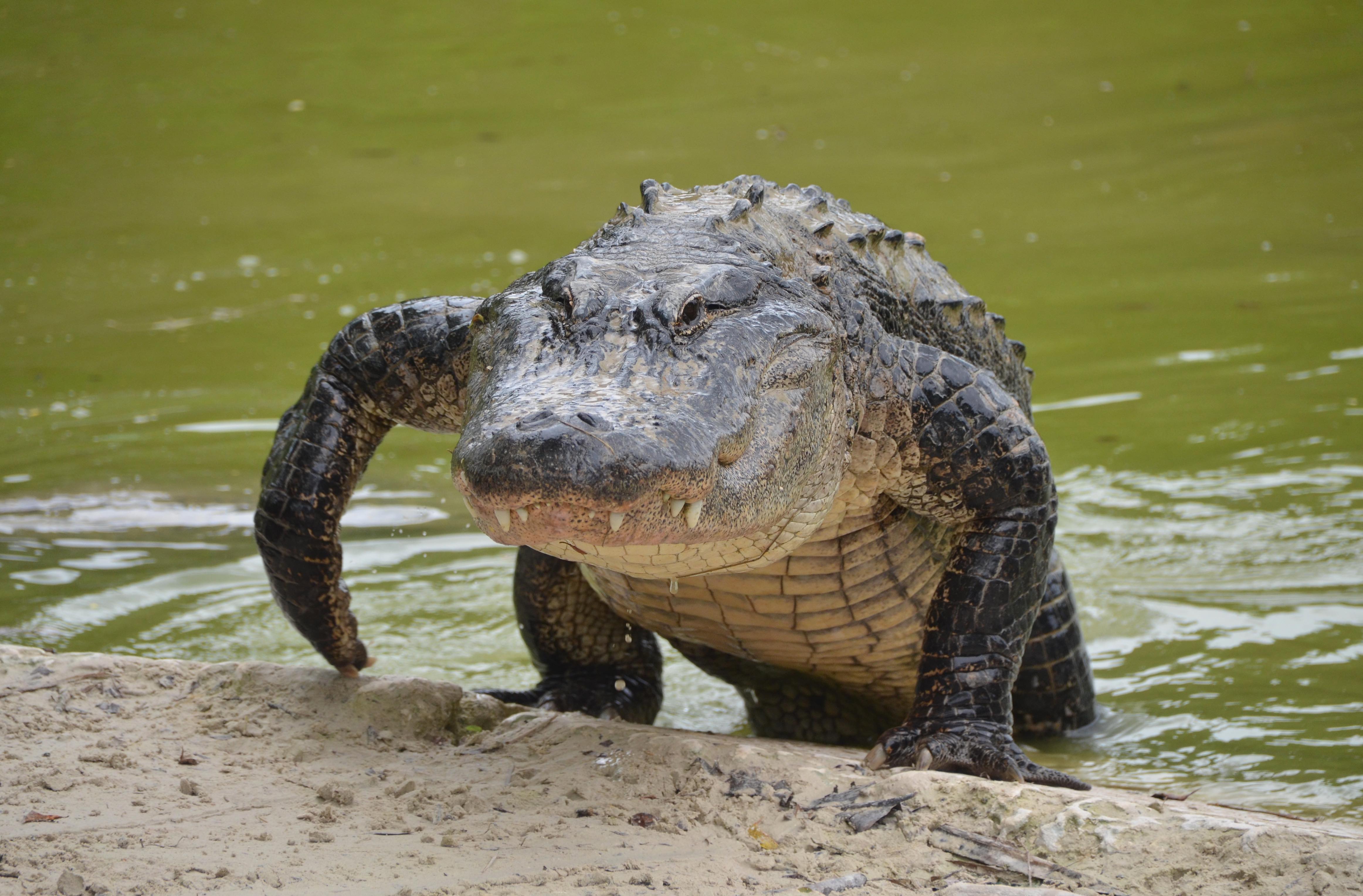
Florida, a premier travel destination, draws millions annually to its shores, from families seeking adventure at Walt Disney World Resort in Orlando to luxury travelers indulging in the vibrant nightlife of Miami. Amidst this bustling human activity, the alligator population flourishes in virtually every county, from the dense swamps of the Everglades National Park to the tranquil golf course ponds of suburban communities. Understanding their presence is key to a safe and enriching Florida experience, making the topic essential for any comprehensive tourism guide. This article delves into the fascinating world of Florida’s alligators, offering insights into where to find them, how to interact responsibly, and how to seamlessly integrate wildlife appreciation into your broader Florida adventure, whether you’re planning a family trip, a luxury escape, or a budget-friendly exploration.
Florida’s Alligator Population: A Natural Phenomenon
The American alligator (Alligator mississippiensis) is not just present in Florida; it thrives here. With an estimated 1.3 million alligators residing in the state, they are found in every one of Florida’s 67 counties. Their ancient lineage dates back millions of years, and these formidable reptiles are a testament to the enduring power of nature. They play a crucial role as apex predators in their ecosystems, helping to maintain the health and balance of Florida’s wetlands, marshes, rivers, lakes, and even some brackish waters.
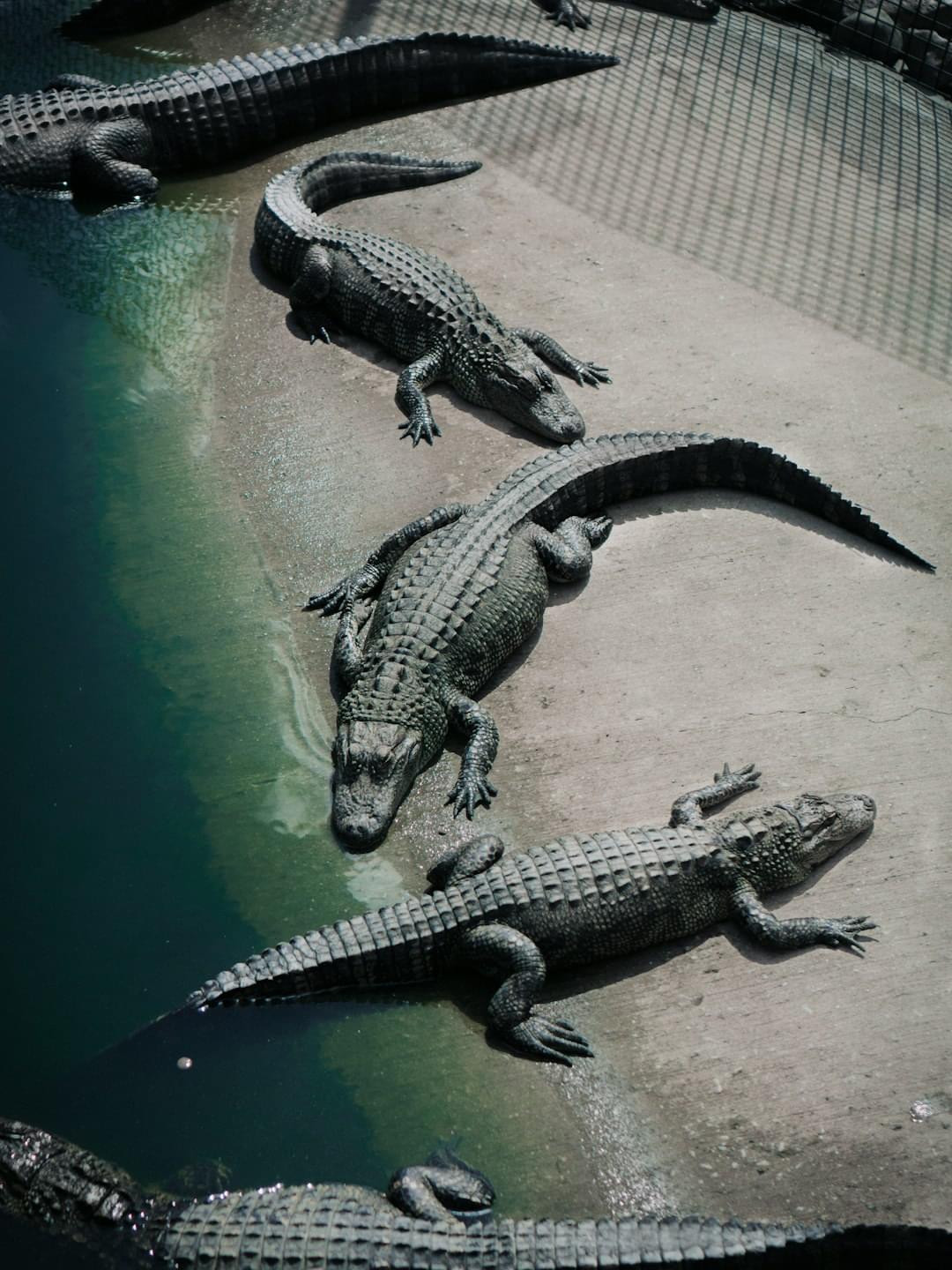
Alligators are cold-blooded creatures, relying on external sources to regulate their body temperature. This is why they are frequently seen basking in the sun along riverbanks, canal edges, and lake shores, particularly during cooler mornings or after rainfall. Their presence is a strong indicator of a healthy aquatic environment, as they require diverse habitats for hunting, nesting, and raising their young. From the vast, sawgrass prairies of the Everglades to the intricate networks of springs and rivers found across central and northern Florida, these creatures are a quintessential part of the state’s natural landmarks.
Their population rebound is a remarkable conservation success story. Once hunted to near extinction in the mid-20th century, alligators received federal protection, which allowed their numbers to recover dramatically. Today, they are a protected species managed by the Florida Fish and Wildlife Conservation Commission (FWC), ensuring their continued survival for future generations to admire responsibly. This success highlights Florida’s commitment to preserving its natural heritage, which extends beyond just the famous beaches and attractions to include its unique wildlife.
Understanding Alligator Behavior and Habitat
Alligators are generally shy and reclusive animals, preferring to avoid human interaction. They are most active at dawn and dusk, when they hunt for fish, birds, turtles, snakes, and even small mammals. During the mating season (typically May to June), and nesting season (June to July), females can be more protective of their nests and young, making these periods particularly important for visitors to exercise caution. Alligator holes, dug by the reptiles to create vital water sources during dry seasons, also serve as crucial habitats for other wildlife, showcasing their profound impact on the ecosystem.
Their habitats range from freshwater systems like Lake Okeechobee and the St. Johns River to the brackish estuaries of the Gulf Coast and Atlantic Coast. When planning your Florida travels, recognizing these environments means understanding potential alligator presence. This knowledge is not meant to deter but to inform, ensuring that your experiences are both thrilling and safe, allowing you to fully appreciate the wild side of this popular travel destination. Many resorts and hotels located near natural waterways will often provide guests with information on local wildlife, enhancing your understanding of the surrounding environment.
Where to Encounter Alligators Safely in Florida
For many visitors, seeing an alligator in its natural environment is a bucket-list item. Florida offers numerous opportunities to do just that, from dedicated wildlife parks to sprawling national preserves. These attractions cater to a variety of lifestyles, whether you’re looking for an educational family outing, an adventurous solo expedition, or a serene nature escape. When considering accommodation, many areas known for wildlife viewing also offer excellent hotel and resort options, providing convenient access to these unique encounters.
Dedicated Wildlife Parks and Sanctuaries
Several renowned Florida attractions specialize in alligator encounters, providing safe and educational experiences.
- Gatorland: Often dubbed “The Alligator Capital of the World,” Gatorland in Orlando is a 110-acre theme park and wildlife preserve. It offers thrilling shows, a breeding marsh with thousands of alligators and crocodiles, and unique experiences like zip-lining over gators. It’s an ideal spot for family trips and provides a controlled environment for close-up views.
- Busch Gardens Tampa Bay: While primarily known for its thrilling rides, Busch Gardens also features diverse animal habitats, including areas where you can observe alligators and other native Florida wildlife.
- St. Augustine Alligator Farm Zoological Park: Located in historic St. Augustine, this park is home to every species of crocodilian in the world, including a rare albino alligator. It offers exhibits, shows, and an impressive rookery where native Florida birds nest among the alligators.
These parks provide excellent opportunities for learning about alligator biology, conservation efforts, and safe viewing practices, making them valuable additions to any Florida itinerary.
National Parks and Wildlife Refuges
For those seeking a more authentic, wild encounter, Florida’s natural preserves are unparalleled.
- Everglades National Park: This UNESCO World Heritage Site is the largest subtropical wilderness in the United States and arguably the best place to see alligators in their natural habitat. Airboat tours are a popular way to navigate the “River of Grass” and spot alligators, often seen lounging on cypress knees or swimming through the murky waters. Visitors can also explore walking trails like Anhinga Trail, where alligators and a variety of birds are frequently observed. The Everglades offers a truly immersive nature experience, perfect for those interested in ecotourism and exploring unique natural landmarks.
- Big Cypress National Preserve: Adjacent to the Everglades, Big Cypress offers a similar wilderness experience, with opportunities for scenic drives, hiking, and canoeing where alligator sightings are common.
- State Parks and Local Preserves: Many state parks, such as Myakka River State Park near Sarasota, Wekiva River near Orlando, and areas around the Kissimmee Chain of Lakes provide excellent opportunities for spotting alligators from boardwalks, observation towers, or during guided kayak tours. These spots are often less crowded than national parks and offer a more serene natural experience.
When visiting these natural areas, consider staying at eco-friendly resorts or cabins that blend seamlessly with the environment, often offering unique accommodation choices that enhance the wildlife viewing experience. For instance, resorts in Naples or Fort Lauderdale can serve as excellent bases for exploring nearby natural attractions.
Coexisting with Alligators: Safety Tips for Visitors and Residents
While alligator encounters can be exhilarating, it’s crucial to remember that these are wild, powerful animals. Responsible tourism and adherence to safety guidelines are paramount to ensure the well-being of both humans and alligators. The FWC provides extensive guidelines, and any visit to Florida’s natural areas should begin with an understanding of these rules. Incorporating these tips into your travel plans will ensure a safe and enjoyable Florida experience.
General Safety Guidelines
- Never Feed Alligators: This is the most critical rule. Feeding alligators makes them lose their natural fear of humans and associate people with food, leading them to approach humans aggressively. It is illegal and highly dangerous.
- Maintain a Safe Distance: Always keep a respectful distance from alligators, especially those you see basking. If an alligator hisses or lunges, you are too close. Use binoculars or zoom lenses for closer viewing.
- Swim Only in Designated Areas: Alligators inhabit all of Florida’s freshwater bodies. Avoid swimming, wading, or letting children play in waters where alligators are known to live, especially at dawn, dusk, or night when they are most active. Always heed posted warnings.
- Be Aware of Your Surroundings: When walking near freshwater, stay alert. Look for warning signs and keep an eye on the water’s edge. Alligators can move surprisingly fast over short distances on land.
- Do Not Harass Alligators: Attempting to catch, provoke, or disturb an alligator is illegal and extremely dangerous. Admire them from afar.
These guidelines are essential for every visitor, whether you’re staying at a luxury resort in Palm Beach or a budget-friendly hotel near the Everglades. Accommodation providers often include local safety information in guest handbooks.
Protecting Pets and Children
- Keep Pets on a Leash and Away from Water: Alligators view small pets as potential prey. Never allow dogs, cats, or other pets to swim or drink in waters known to contain alligators, or to roam freely near such areas. Pet owners should be especially vigilant near golf course ponds and retention areas common throughout Florida’s communities.
- Supervise Children Closely: Small children can easily be mistaken for prey by an alligator. Ensure children are always under direct adult supervision when near any body of freshwater in Florida. Educate them about the dangers of feeding or approaching wild animals.
- Dispose of Fish Scraps Responsibly: If fishing, clean fish away from the water and properly dispose of scraps in designated receptacles. Discarded fish parts can attract alligators and other wildlife.
By following these simple yet crucial safety measures, you can ensure your Florida travel is filled with amazing memories rather than regrettable incidents. The goal is to foster a harmonious coexistence between humans and wildlife, celebrating Florida’s unique natural lifestyle responsibly.
Beyond Alligators: Exploring Florida’s Diverse Wildlife and Natural Wonders
While alligators undoubtedly capture much of the imagination, Florida’s natural world extends far beyond these reptilian giants. The state is a biodiversity hotspot, offering a plethora of other unique wildlife and breathtaking natural landmarks that are worth exploring. Integrating these experiences into your travel itinerary can enrich your understanding of Florida’s vibrant ecosystems and provide diverse activities for any traveler’s lifestyle.
Manatees, Dolphins, and Birds
Florida is famously home to the gentle Florida manatee, often seen grazing in warm, shallow waters. Popular spots for manatee viewing include Crystal River, where visitors can even swim with these docile creatures (under strict regulations), and Weeki Wachee Springs State Park. Bottlenose dolphins are common along both the Gulf and Atlantic coasts, with numerous boat tours available from cities like Destin, Key West, and Miami offering opportunities for dolphin watching.
Birdwatchers will find Florida a paradise, boasting over 500 species of birds, including roseate spoonbills, bald eagles, ospreys, and a dazzling array of wading birds. Natural areas like Merritt Island National Wildlife Refuge near the Kennedy Space Center Visitor Complex, and the various trails within Everglades National Park are prime locations for birding. These wildlife attractions provide a contrast to the alligator experience, showcasing the incredible diversity of Florida’s fauna.
Springs, Beaches, and Cultural Landmarks
Beyond its impressive wildlife, Florida is renowned for its stunning natural landmarks and rich cultural history. The state is dotted with crystal-clear freshwater springs, such as Silver Springs State Park and Blue Spring State Park, offering opportunities for swimming, snorkeling, and kayaking in pristine waters. The iconic beaches, from the powdery white sands of Siesta Key to the vibrant shores of South Beach Miami, are world-class destinations for relaxation and water sports.
For those interested in history and culture, St. Augustine, the oldest continuously inhabited European-established settlement in the United States, offers historical landmarks like Castillo de San Marcos and a charming, walkable historic district. Miami’s vibrant Art Deco Historic District and Little Havana showcase its unique cultural tapestry. Whether you’re seeking luxury travel or a more budget travel experience, Florida offers a breadth of destinations and attractions to suit every taste.
When planning your trip, consider multi-city itineraries that combine wildlife viewing with beach relaxation and cultural exploration. Researching various hotel options, from resorts with extensive amenities to cozy apartments or villas for longer stays, can significantly enhance your experience. Online booking platforms and comparison sites on lifeoutofthebox.com can help you find the perfect accommodation to suit your needs, whether you’re looking for a suite with a view or a long-term stay near your favorite wildlife spot.
Planning Your Florida Adventure: Accommodation and Experiences
A memorable Florida vacation, especially one that includes appreciating its unique wildlife, requires thoughtful planning. From choosing the right accommodation to selecting the best experiences, every decision contributes to the overall enjoyment of your trip. Understanding how to navigate Florida’s vast offerings, especially with wildlife in mind, can transform a good trip into an extraordinary one.
Choosing the Right Accommodation
Florida’s accommodation landscape is as diverse as its natural environment. When planning to observe wildlife, including alligators, consider your proximity to key natural attractions.
- Near National Parks: For immersive nature experiences like those at Everglades National Park or Big Cypress National Preserve, look for hotels or guesthouses in nearby towns like Homestead, Everglades City, or Naples. Many offer suites and family-friendly amenities tailored for adventurous guests.
- City Stays with Day Trips: If your primary interest is Orlando’s theme parks or Miami’s urban allure, you can still incorporate wildlife viewing through day trips to Gatorland or the Everglades. Orlando and Miami boast a vast selection of hotels, from luxury resorts to budget accommodations, complete with various amenities like pools, dining, and concierge services to help arrange tours.
- Coastal Retreats: For combination trips involving beaches and wildlife, consider coastal towns like Sarasota, Fort Myers, or St. Augustine. These areas often have beachfront resorts or charming boutique hotels that offer easy access to both marine life tours and nearby freshwater habitats.
Booking reviews and comparison tools on lifeoutofthebox.com can be invaluable resources for finding the ideal stay, whether you’re looking for a resort with a kids’ club for a family trip or a secluded villa for a luxury escape.
Curating Your Wildlife and Tourism Experiences
To maximize your Florida adventure, blend diverse tourism activities:
- Guided Tours: Opt for guided airboat tours, kayaking excursions, or ranger-led programs in national parks. Knowledgeable guides provide insights into local culture, ecology, and the safest ways to observe wildlife.
- Theme Park Integration: Combine the thrills of Universal Orlando Resort or SeaWorld Orlando with a visit to Gatorland or a short drive to a state park for a taste of authentic Florida wilderness.
- Seasonal Considerations: Florida’s seasons can influence wildlife viewing. Cooler months (November to April) are generally better for spotting alligators as they bask more actively. However, warmer months bring nesting season, offering a different perspective on their life cycle.
- Beyond Alligators: Don’t forget Florida’s other natural wonders. Explore the unique ecosystem of the Florida Keys and Dry Tortugas National Park, kayak through pristine springs, or hike through pine flatwoods to discover other fascinating creatures and plants.
Whether your lifestyle leans towards adrenaline-pumping activities or serene nature contemplation, Florida has something to offer. By embracing responsible travel tips and planning your trip with an open mind, you’ll uncover the full spectrum of experiences that make Florida a truly exceptional destination.

Conclusion
So, are there alligators in Florida? Absolutely. They are a vibrant and essential part of the state’s natural identity, a symbol of its wild heart nestled amidst its bustling urban centers and world-famous attractions. From the ancient cypress swamps of the Everglades to the carefully managed habitats of Gatorland, these magnificent reptiles offer a captivating glimpse into the enduring power of nature.
For any traveler venturing to Florida, understanding and respecting the presence of alligators is not just a safety measure but an opportunity to deepen your appreciation for the state’s diverse ecosystems. By following sensible safety guidelines, maintaining a respectful distance, and engaging with responsible tourism operators, you can enjoy thrilling and educational alligator encounters that will undoubtedly become highlights of your trip.
Beyond the alligators, Florida beckons with its stunning beaches, enchanting springs, and a rich tapestry of cultural and recreational activities. Whether you’re seeking a luxury travel experience with opulent hotels and fine dining, a budget travel adventure exploring hidden gems, or a fun-filled family trip balancing theme parks with nature, Florida offers an unparalleled array of choices. Plan your accommodation wisely, consult reliable guides, and prepare to be enchanted by the Sunshine State, where ancient reptiles and modern marvels coexist in harmonious, albeit wild, splendor.
LifeOutOfTheBox is a participant in the Amazon Services LLC Associates Program, an affiliate advertising program designed to provide a means for sites to earn advertising fees by advertising and linking to Amazon.com. Amazon, the Amazon logo, AmazonSupply, and the AmazonSupply logo are trademarks of Amazon.com, Inc. or its affiliates. As an Amazon Associate we earn affiliate commissions from qualifying purchases.