
Orlando, a city synonymous with theme park magic and sun-drenched vacations, also harbors a wilder side. For many visitors, the question of whether alligators inhabit its watery expanses is a genuine concern, often tinged with a mix of curiosity and apprehension. The answer, unequivocally, is yes. Alligators are a native and integral part of the Florida ecosystem, and Orlando, with its abundant lakes, canals, and wetlands, provides a natural habitat for these ancient reptiles.
This article delves into the presence of alligators in Orlando, offering insights for travelers looking to understand their environment and enjoy their vacation safely. We’ll explore where these creatures are most likely to be found, the natural behaviors that visitors might observe, and crucial tips for coexisting harmoniously with these fascinating denizens of the Sunshine State. Beyond the thrill of a vacation, understanding the local wildlife enriches the travel experience, turning a typical trip into an opportunity for ecological appreciation.
Understanding Orlando’s Alligator Habitat
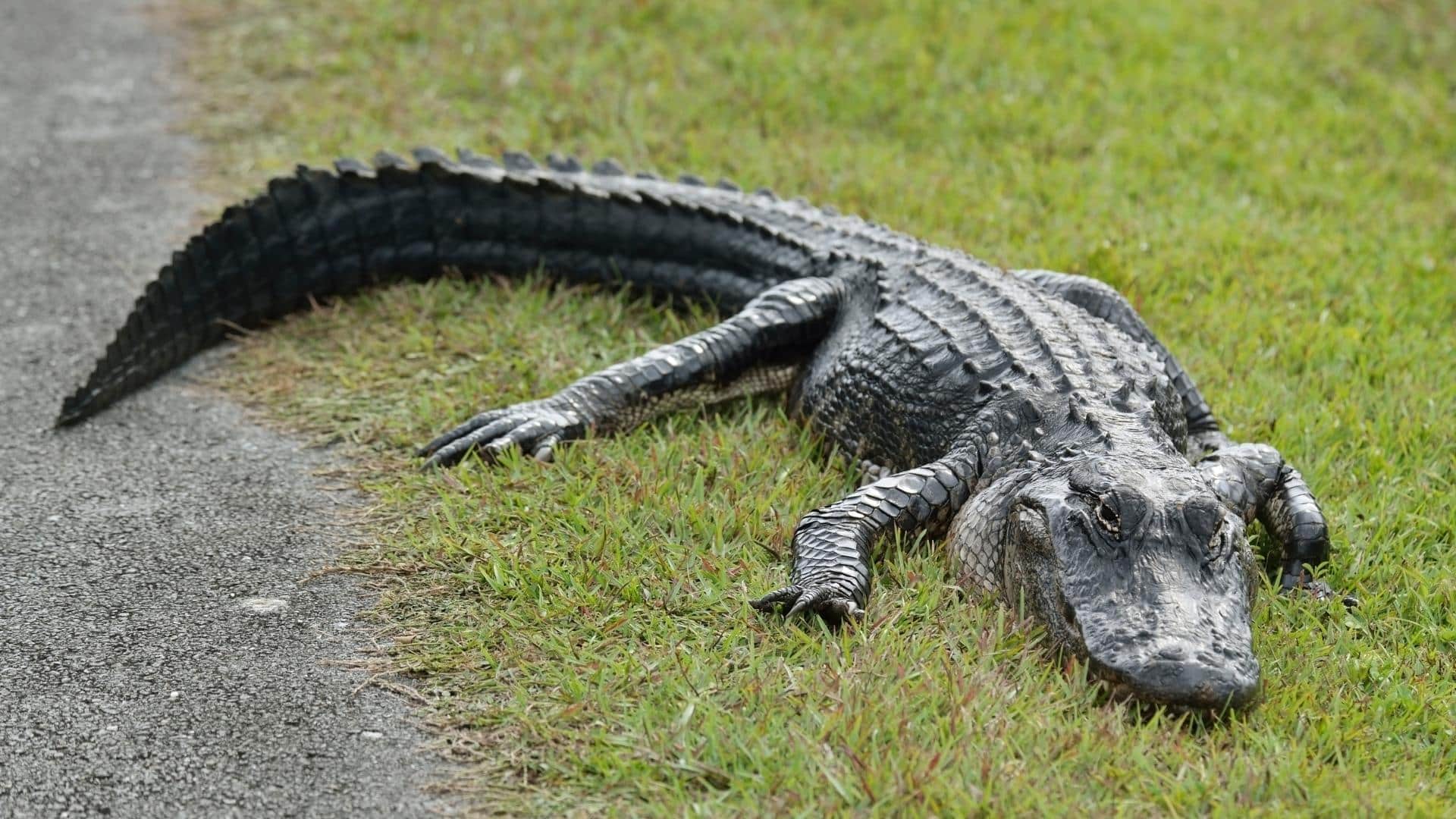
Orlando’s sprawling landscape is dotted with hundreds of lakes, from the large, well-known bodies of water to smaller, less frequented ponds and marshes. These aquatic environments are the primary domain of the American alligator. Their presence isn’t confined to remote wilderness areas; they are a common sight in suburban retention ponds, golf course water hazards, and along the edges of natural waterways that wind through and around the city.
The lush, subtropical climate of Florida provides an ideal environment for alligators. They thrive in warm, humid conditions, and the plentiful water sources offer both sustenance and refuge. The American alligator ( Alligator mississippiensis) is a species that has adapted remarkably well to human presence, often existing in close proximity to populated areas. This adaptability means that encountering an alligator in Orlando is not an improbable event, but rather a natural occurrence.
Natural Habitats and Sightings
The most common places to encounter alligators in Orlando are:
- Lakes and Ponds: Many of Orlando’s iconic theme parks, such as Walt Disney World Resort and Universal Orlando Resort, are built around or adjacent to natural water bodies. While the parks are meticulously managed, the surrounding ecosystems often support alligator populations. It’s not uncommon to see them basking on the banks of lakes within or near these resorts.
- Wetlands and Marshes: Areas like the Everglades National Park, though a significant drive from Orlando, represent the quintessential alligator habitat. Closer to the city, smaller wetland areas and undeveloped natural spaces also serve as crucial habitats.
- Canals and Drainage Ditches: The extensive network of canals and drainage systems designed to manage Florida’s rainfall also provides corridors for alligators to move between different water bodies. These can sometimes be visible from roads or walking paths.
- Golf Courses: Many golf courses in Orlando feature water hazards that can be home to alligators.
While sightings within densely populated urban centers are less frequent, the sheer abundance of suitable habitats means that visitors should always be aware of their surroundings, especially when near water. It’s a reminder that even within a meticulously curated vacation destination, nature remains a powerful and present force.
Observing Alligators Safely and Responsibly
The allure of seeing a wild alligator can be strong, but it’s crucial to remember that these are wild animals, and their behavior can be unpredictable. Maintaining a safe distance and respecting their natural habitat are paramount for both visitor safety and the well-being of the alligators.
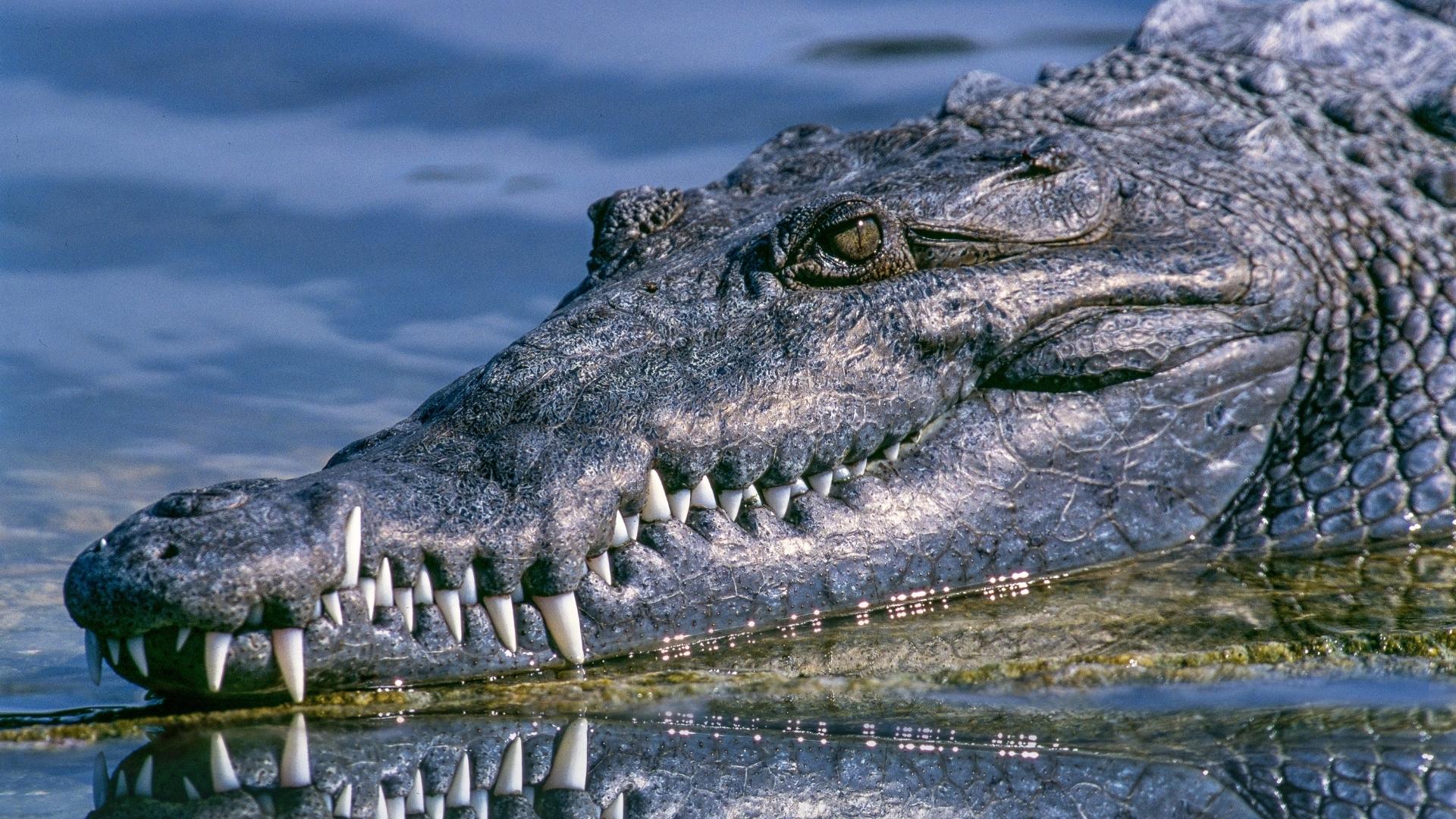
Understanding alligator behavior is key to safe observation. Alligators are most active during warmer months, particularly from spring through fall. They are cold-blooded and rely on external sources of heat, which is why they are often seen basking in the sun on riverbanks, logs, or shorelines. During cooler periods or at night, they tend to be less visible, often submerged in the water.
Guidelines for Safe Viewing
When exploring Orlando and its natural surroundings, keep these safety guidelines in mind to ensure a positive and secure experience:
- Maintain Distance: Always keep a significant distance from any alligator you encounter. A general rule of thumb is to stay at least 60 feet (about 18 meters) away. Never approach, feed, or attempt to touch an alligator.
- Never Feed Alligators: Feeding alligators is not only dangerous but also illegal in Florida. It can habituate them to humans, making them bolder and more likely to approach people, which often leads to unfortunate outcomes for both the animals and the public. Alligators that become a nuisance due to feeding are often euthanized.
- Supervise Children and Pets: Keep a close eye on children and pets, especially near bodies of water. Do not allow children or pets to play or wander near the water’s edge where alligators may be present.
- Be Aware of Your Surroundings: Pay attention to signs that may indicate alligator presence. Be particularly cautious at dawn and dusk, which are peak feeding times for alligators.
- Secure Trash: Properly dispose of all garbage. Alligators can be attracted to the smell of food waste, so secure trash cans and avoid leaving food scraps around.
- Respect Their Space: Remember that you are a visitor in their habitat. Observe them from a safe distance and avoid disturbing them in any way. This includes not throwing rocks or other objects at them.
- Swimming Precautions: While swimming is generally not advised in lakes and waterways known to have alligator populations, if you choose to do so, be aware of your surroundings and avoid areas with dense vegetation or murky water where alligators can easily hide.
By adhering to these guidelines, visitors can enjoy the unique experience of seeing alligators in their natural habitat without compromising their safety or the well-being of these iconic Florida creatures.
Beyond the Parks: Exploring Nature and Wildlife in Orlando
While Orlando is globally celebrated for its world-class theme parks and family entertainment, the city and its surrounding areas offer a wealth of natural beauty and opportunities for wildlife encounters that extend far beyond the gates of Walt Disney World Resort or Universal Orlando Resort. For the discerning traveler seeking a more immersive experience with Florida’s native flora and fauna, several destinations provide excellent chances to observe alligators and other wildlife in a more natural setting.
These excursions offer a different perspective on the Sunshine State, one that is rooted in its ecological heritage. It’s a chance to connect with the environment in a way that complements the thrills of the theme park attractions, providing a well-rounded vacation experience that appeals to a variety of interests.
Nature Reserves and Ecotours
Several locations around Orlando are dedicated to preserving natural habitats and offering guided experiences for visitors interested in wildlife viewing:
- Gatorland: While often considered a tourist attraction, Gatorland is a classic Orlando institution focused on alligators and other reptiles. It provides an educational and up-close look at these animals, with opportunities to see thousands of alligators and crocodiles in a controlled environment. It’s an ideal place for families to learn about alligator behavior and conservation efforts.
- Wekiwa Springs State Park: Located just north of Orlando, Wekiwa Springs State Park offers pristine natural springs and a network of hiking trails. The park is home to diverse wildlife, including wading birds, deer, and, of course, alligators in its natural waterways. Kayaking or canoeing on the Wekiwa River can offer excellent opportunities for wildlife spotting.
- Black Bear Wilderness Area: For those seeking a more rugged natural experience, the Black Bear Wilderness Area provides miles of trails through a diverse ecosystem. While black bears are the namesake, the area’s swamps and wetlands are also frequented by alligators. It’s a place for serious hikers and nature enthusiasts.
- Lake Eola Park: Right in the heart of downtown Orlando, Lake Eola Park is a beautiful urban oasis. While primarily known for its swan boats and vibrant flower beds, the lake itself is a habitat for smaller alligators. They are often spotted basking on the shores or swimming in the water, offering a surprisingly accessible urban wildlife encounter. It serves as a reminder that even in the busiest city, nature finds a way.
Exploring these natural areas allows visitors to appreciate the biodiversity that coexists with Orlando’s vibrant tourism industry. It’s an opportunity to witness firsthand the wild side of Florida, a crucial element of the state’s identity. These experiences can be as memorable as any theme park adventure, offering a sense of discovery and connection to the natural world. For travelers who enjoy nature, planning a visit to one of these locations can add a significant layer of enrichment to their Orlando itinerary.
Whether you’re staying at a luxurious resort like the Grand Floridian Resort & Spa or a more budget-friendly apartment, taking a day to explore Orlando’s natural side, complete with its resident alligators, provides a truly unique perspective on this dynamic destination. It’s a testament to the fact that even a city built on manufactured fantasy can offer genuine encounters with the wild.
LifeOutOfTheBox is a participant in the Amazon Services LLC Associates Program, an affiliate advertising program designed to provide a means for sites to earn advertising fees by advertising and linking to Amazon.com. Amazon, the Amazon logo, AmazonSupply, and the AmazonSupply logo are trademarks of Amazon.com, Inc. or its affiliates. As an Amazon Associate we earn affiliate commissions from qualifying purchases.