
The Golden State of California is renowned for its sun-kissed beaches, towering redwood forests, bustling cities like San Francisco and Los Angeles, and dramatic mountain ranges. Yet, beneath its diverse landscapes lies a fiery secret that surprises many visitors and even some residents: California is home to several active and potentially active volcanoes. Far from being dormant geological relics, these volcanic areas are dynamic forces shaping the state’s natural beauty and offering unique experiences for travelers seeking adventure, natural wonders, and a glimpse into Earth’s powerful processes.
Yes, there are indeed volcanoes in California, and they are not just scattered remnants of a distant past. They are integral to the state’s geology, contributing to its stunning scenery, geothermal activity, and even influencing local ecosystems. From majestic peaks that dominate the horizon to bubbling mud pots and steaming fumaroles, these volcanic regions provide a fascinating blend of geological intrigue and unparalleled opportunities for tourism and exploration. For those planning their next travel destination, these fiery landscapes offer a distinctive alternative to the usual coastal or urban getaways, promising memorable experiences that delve deep into nature’s raw power.
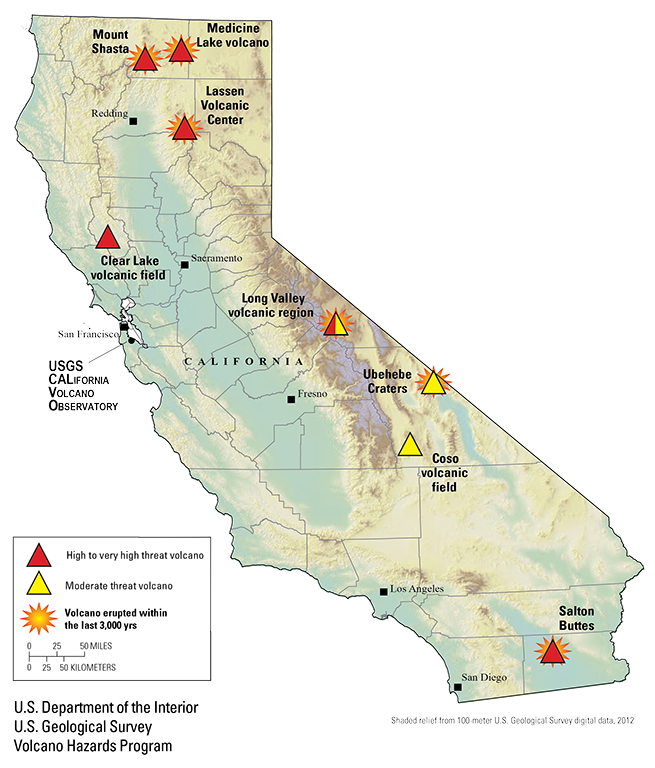
California’s Fiery Past and Present: A Geological Overview
California’s volcanic heritage is a direct consequence of its location along one of the most geologically active zones on Earth: the Pacific Ring of Fire. This horseshoe-shaped belt around the Pacific Ocean is characterized by a continuous series of oceanic trenches, volcanic arcs, and plate movements, where the Pacific Plate interacts with several other tectonic plates. The immense forces generated by these interactions are responsible for the frequent earthquakes and widespread volcanism found across the region, making California a particularly vibrant example of a landscape shaped by plate tectonics.
The state’s complex geological makeup is a result of the ongoing collision and subduction of the Juan de Fuca Plate beneath the North American Plate in the north, and the lateral movement along the San Andreas Fault system further south. While the San Andreas Fault is famous for its seismic activity, the subduction zone to the north fuels the volcanoes of the Cascade Range, which extend into northern California. This geological dynamism means that California’s volcanic features are not merely static monuments but living laboratories of ongoing geological processes.
The Ring of Fire Connection
The primary reason for California’s volcanic activity is its position on the eastern edge of the Pacific Ring of Fire. This geological phenomenon is a direct result of converging and diverging tectonic plates. In northern California, specifically, the small Gorda Plate (a remnant of the larger Juan de Fuca Plate) is slowly subducting, or sliding underneath, the North American Plate. As the oceanic plate descends into the Earth’s mantle, it melts, and the resulting magma rises to the surface, forming volcanoes. This process has created the majestic stratovolcanoes that define the northern California landscape, such as Mount Shasta and Lassen Peak.
Further south, while the dominant motion is sideways along the San Andreas Fault, there are also areas of extensional tectonics, where the Earth’s crust is pulling apart. This thinning of the crust allows magma to rise, leading to different types of volcanic activity, including large calderas and extensive lava flows. The Long Valley Caldera in the Sierra Nevada region is a prime example of this type of volcanic activity, characterized by massive eruptions in the past and ongoing geothermal features. This intricate interplay of geological forces ensures that California remains a hotbed of volcanic and seismic interest, providing a captivating backdrop for adventurous travelers.
Types of Volcanic Activity Across the Golden State
California’s volcanic landscape is incredibly diverse, showcasing a variety of volcanic formations, each with its own geological history and distinctive features. Understanding these different types enhances the appreciation for the raw power and beauty of these natural landmarks.
Stratovolcanoes: These are the classic cone-shaped volcanoes, built up over thousands of years by layers of hardened lava, tephra, pumice, and volcanic ash. They are characterized by explosive eruptions and are most commonly found in the northern part of the state. Mount Shasta and Lassen Peak are the most prominent examples, standing as iconic symbols of California’s volcanic might.
Calderas: A caldera is a large, basin-shaped depression formed when the roof of a magma chamber collapses after a massive eruption. These are often much larger than the original volcano and can be home to extensive geothermal activity. The Long Valley Caldera is one of the largest calderas in North America, a supervolcano that has profoundly shaped the Eastern Sierra landscape. Its ongoing geothermal features, including hot springs and fumaroles, draw numerous visitors.
Cinder Cones: These are relatively small, steep-sided volcanoes composed of loose pyroclastic fragments (cinders) that accumulate around a vent. They are often found in volcanic fields. The Cinder Cone within Lassen Volcanic National Park is a well-preserved example, offering a popular hiking trail with panoramic views.
Lava Domes: Formed by the slow extrusion of viscous lava from a volcanic vent, these domes can grow quite large and often plug the vent, potentially leading to explosive eruptions if pressure builds. The Chaos Crags at Lassen Volcanic National Park are a striking example of lava domes.
Lava Flows: Expansive sheets of molten rock that flow from vents or fissures. While ancient lava flows have solidified into impressive geological formations, more recent ones can be observed in areas like the Medicine Lake Volcano or near the Mono-Inyo Craters.
Hydrothermal Features: Beyond the dramatic peaks and craters, many volcanic areas in California are characterized by hydrothermal activity, including hot springs, mud pots, and fumaroles (steam vents). These features are visible signs of residual heat from shallow magma chambers and are particularly prominent in places like Lassen Volcanic National Park (e.g., Bumpass Hell, Devils Kitchen, and Sulphur Works) and around the Long Valley Caldera. These are major attractions for tourism, offering unique opportunities for relaxation and geological observation.
Monitoring California’s Volcanoes
Despite their scenic beauty, California’s volcanoes are active geological features that require diligent monitoring. The U.S. Geological Survey (USGS), in partnership with state agencies, continuously monitors these volcanic areas for signs of unrest, such as increased seismic activity, ground deformation, or changes in gas emissions. This monitoring is crucial for public safety and helps inform emergency preparedness plans. While the likelihood of a major eruption at any given time is low, understanding the potential hazards and staying informed is part of responsible tourism in these dynamic landscapes. Visitors can often find information on current conditions and safety guidelines at park visitor centers and through official geological survey websites.
Iconic Volcanic Destinations and Their Attractions
California’s volcanic regions are not merely geological curiosities; they are vibrant travel destinations teeming with outdoor activities, breathtaking scenery, and rich cultural or spiritual significance. Each area offers a unique flavor of volcanic exploration.
Mount Shasta: The Majestic Stratovolcano
Towering majestically in northern California, Mount Shasta is a potentially active stratovolcano that dominates the horizon for miles around. At over 14,179 feet (4,322 meters), it’s the second-highest peak in the Cascade Range and an iconic landmark. Beyond its geological significance, Mount Shasta is a place of profound spiritual importance for various indigenous groups and new-age communities, believed to be a vortex of energy and a sacred site.
For travelers, Mount Shasta offers a wealth of activities. Hiking trails abound, ranging from leisurely strolls through alpine meadows to strenuous ascents for experienced mountaineers aiming for the summit. In winter, its slopes transform into a popular destination for skiing and snowboarding at the Mount Shasta Ski Park. The surrounding region, including the Shasta-Trinity National Forest, provides opportunities for fishing, camping, and wildlife viewing.
Charming towns like Mount Shasta City, McCloud, and Dunsmuir offer a variety of accommodation options, from cozy bed and breakfasts to comfortable hotels. These towns serve as excellent bases for exploring the mountain and its mystical surroundings, with local eateries and unique shops catering to visitors.
Lassen Volcanic National Park: A Hydrothermal Wonderland
Lassen Volcanic National Park, located in northeastern California, is one of the few places on Earth where all four types of volcanoes (shield, composite, cinder cone, and plug dome) can be found in one area. Its most famous feature, Lassen Peak, last erupted spectacularly between 1914 and 1921, making it one of the most recently active volcanoes in the continental United States.
The park is a vibrant showcase of hydrothermal activity, with steam vents, bubbling mud pots, and hot springs providing tangible evidence of the Earth’s internal heat. The Bumpass Hell trail (when open) is a must-see, leading visitors through a landscape of colorful geothermal features. Other notable areas include Devils Kitchen and Sulphur Works, easily accessible from the main park highway.
Lassen Volcanic National Park is a paradise for hikers, with trails ranging from the easy, accessible boardwalks to strenuous climbs up volcanic peaks like Lassen Peak or Cinder Cone. Camping is a popular accommodation choice within the park, with several developed campgrounds. Nearby towns like Chester and Mineral offer additional lodging and dining options, making it a perfect destination for family trips or an adventurous escape into nature.

The Long Valley Caldera: Mammoth Lakes and Beyond
The Long Valley Caldera is one of the world’s largest calderas, formed by a catastrophic eruption about 760,000 years ago. Located in the Eastern Sierra region, it encompasses the popular resort town of Mammoth Lakes and the famous Mammoth Mountain ski resort. While its last truly massive eruption was eons ago, the caldera remains geologically active, evident in its numerous hot springs and ongoing seismic activity.
The Long Valley Caldera area is an outdoor enthusiast’s dream. In winter, Mammoth Mountain is a premier destination for skiing and snowboarding. During the warmer months, the Mammoth Lakes Basin transforms into a hub for hiking, mountain biking, fishing, and boating on its pristine alpine lakes. Exploring the numerous hot springs, such as those near the Hot Creek Geological Site, provides a unique and relaxing way to experience the caldera’s geothermal warmth.
Mammoth Lakes offers a wide array of accommodation, from luxury resorts and hotels to cozy cabins and budget-friendly motels, catering to all types of lifestyles and travel preferences. Nearby towns like June Lake and Bishop also provide additional options, making this region a fantastic base for exploring the Eastern Sierra’s volcanic and scenic wonders.
Clear Lake Volcanic Field and The Geysers: Geothermal Power and Natural Beauty
South of the more famous northern volcanoes lies the Clear Lake Volcanic Field, another testament to California’s geological vibrancy. While not featuring prominent, towering peaks, this field is notable for its extensive geothermal resources. It’s home to The Geysers, the world’s largest geothermal power complex, which harnesses steam from deep within the Earth to generate electricity. This area provides a fascinating insight into how volcanic energy can be utilized.
The region also surrounds Clear Lake, California’s largest natural freshwater lake, offering excellent opportunities for boating, fishing, and swimming. Mount Konocti, a lava dome, rises majestically from the lake’s southern shore, with Konocti Regional Park offering hiking trails and panoramic views. Towns like Lakeport, Kelseyville, and Clearlake provide various accommodation choices, from lakeside resorts to charming local inns, making it an ideal destination for those interested in sustainable tourism and natural beauty.
Planning Your Volcanic Adventure: Travel & Accommodation
Embarking on a journey to California’s volcanic regions promises an unforgettable travel experience. Whether you’re an avid hiker, a winter sports enthusiast, or simply a nature lover seeking unique landscapes, careful planning can enhance your adventure.
Choosing Your Destination
With several distinct volcanic areas, selecting the right one depends on your interests and the time of year.
- For high-altitude majesty and spiritual seeking: Mount Shasta is your prime choice, offering mountaineering, skiing, and a serene, mystical atmosphere.
- For diverse hydrothermal features and compact volcanic exploration: Lassen Volcanic National Park provides an immersive experience with bubbling mud pots, fumaroles, and varied volcanic formations, ideal for educational family trips.
- For extensive outdoor sports and a vibrant mountain town atmosphere: The Long Valley Caldera around Mammoth Lakes offers world-class skiing, mountain biking, hot springs, and a lively resort scene.
- For geothermal energy insights and lakeside recreation: The Clear Lake Volcanic Field combines the marvel of geothermal power with the tranquility of a large freshwater lake, perfect for a relaxing getaway.
Consider the season when planning. Winter brings snow sports to Mount Shasta and Mammoth Mountain, while spring and fall offer ideal hiking conditions and fewer crowds in Lassen Volcanic National Park. Summer is popular across all areas but can mean higher temperatures and more visitors.
Accommodation Options Near California’s Volcanoes
California’s volcanic regions offer a broad spectrum of accommodation choices to suit every budget and lifestyle. From luxurious resorts to rustic camping, you’ll find options that blend seamlessly with your travel plans.
- Resorts and Hotels: Towns like Mammoth Lakes boast a range of upscale resorts and hotels with amenities like spas, fine dining, and direct access to ski slopes or hiking trails. Smaller towns such as Mount Shasta City and Chester offer charming boutique hotels and comfortable chain options, providing a solid base for exploration.
- Cabins and Vacation Rentals: For a more private or long-term stay, renting a cabin or vacation home is an excellent option, particularly around Mammoth Lakes, June Lake, or near Lassen Volcanic National Park. These often come with fully equipped kitchens, perfect for family trips or groups.
- Camping: For budget-conscious travelers or those seeking a deeper connection with nature, camping is widely available. Lassen Volcanic National Park and the surrounding national forests (like Shasta-Trinity and Inyo) offer numerous campgrounds, from developed sites with facilities to primitive backcountry options. Booking well in advance, especially during peak season, is highly recommended.
- Bed & Breakfasts: Many smaller communities in these regions feature quaint B&Bs, offering personalized service and a cozy, local feel. This can be an excellent choice for experiencing local culture and hospitality.
When booking accommodation, consider proximity to the attractions you wish to visit, as distances in these natural areas can be considerable. Reviews and comparison websites can help you find the best fit for your needs and budget.
Activities and Experiences
The activities available in California’s volcanic regions are as diverse as the landscapes themselves:
- Hiking and Backpacking: From short interpretive trails around hydrothermal areas to multi-day backcountry treks, hiking is the quintessential activity.
- Skiing and Snowboarding: Mammoth Mountain and Mount Shasta Ski Park offer world-class winter sports.
- Hot Spring Soaking: Numerous natural hot springs, particularly around the Long Valley Caldera, provide a unique way to relax and rejuvenate amidst stunning scenery.
- Scenic Drives: Routes like the Lassen Volcanic National Park Highway offer breathtaking views and access to various trailheads and viewpoints.
- Photography: The dramatic landscapes, unique geothermal features, and abundant wildlife offer endless opportunities for capturing stunning images.
- Water Sports: Clear Lake and the alpine lakes of the Mammoth Lakes Basin are perfect for fishing, kayaking, paddleboarding, and swimming.
Safety and Respecting the Volcanic Landscape
While exploring California’s volcanoes is an exhilarating experience, it’s crucial to prioritize safety and respect these dynamic natural environments.
Understanding Volcanic Hazards
Although a major eruption is a low probability event in the short term, volcanoes are inherently unpredictable. Visitors should be aware of potential hazards such as:
- Geothermal areas: Hot springs, mud pots, and fumaroles can reach extremely high temperatures. Always stay on marked trails and boardwalks to avoid burns and unstable ground.
- Volcanic gases: Some areas may have elevated levels of volcanic gases, particularly sulfur dioxide. Individuals with respiratory issues should exercise caution.
- Ashfall: In the unlikely event of an eruption, ashfall can impact air quality and visibility.
- Earthquakes: Volcanic regions are often seismically active. Familiarize yourself with earthquake safety procedures.
Always check current conditions and alerts from park authorities or the U.S. Geological Survey before and during your visit.

Responsible Tourism
To preserve the beauty and integrity of these unique volcanic landscapes for future generations, practicing responsible tourism is essential:
- Leave No Trace: Pack out everything you pack in. Do not litter.
- Stay on Trails: This protects fragile ecosystems, prevents erosion, and ensures your safety in potentially hazardous areas.
- Respect Wildlife: Observe animals from a distance and never feed them.
- Be Prepared: Carry adequate water, food, navigation tools, and appropriate clothing for varying weather conditions. Inform someone of your itinerary, especially if undertaking backcountry excursions.
- Support Local: Engage with local businesses, guides, and accommodation providers to contribute to the economic well-being of the communities surrounding these national treasures.
In conclusion, California’s volcanic landscape is a compelling, often overlooked, aspect of the state’s natural grandeur. Far from being a mere geological footnote, these active and potentially active volcanoes are vibrant centers of natural beauty, outdoor recreation, and profound geological significance. From the majestic heights of Mount Shasta to the steaming depths of Lassen Volcanic National Park and the expansive caldera of Mammoth Lakes, these regions offer a travel experience unlike any other. They invite adventurers to witness the raw power of Earth, immerse themselves in breathtaking scenery, and discover that the Golden State’s allure runs far deeper than its golden beaches, extending into a fiery heart. For an unforgettable journey that combines education, adventure, and natural wonder, consider a trip to California’s extraordinary volcanic frontier.