
For many travelers planning a sun-soaked escape to the Sunshine State, the image of Florida is often defined by pristine beaches, vibrant theme parks, and perhaps the occasional alligator basking in a swamp. Yet, beneath the veneer of popular tourist attractions and bustling cities like Orlando and Miami, lies a wilder, untamed Florida teeming with diverse wildlife, including a surprisingly robust population of Florida black bears. The answer to the question “Are there black bears in Florida?” is an emphatic yes – and understanding their presence is key to responsible exploration and enjoying the state’s incredible natural landmarks.
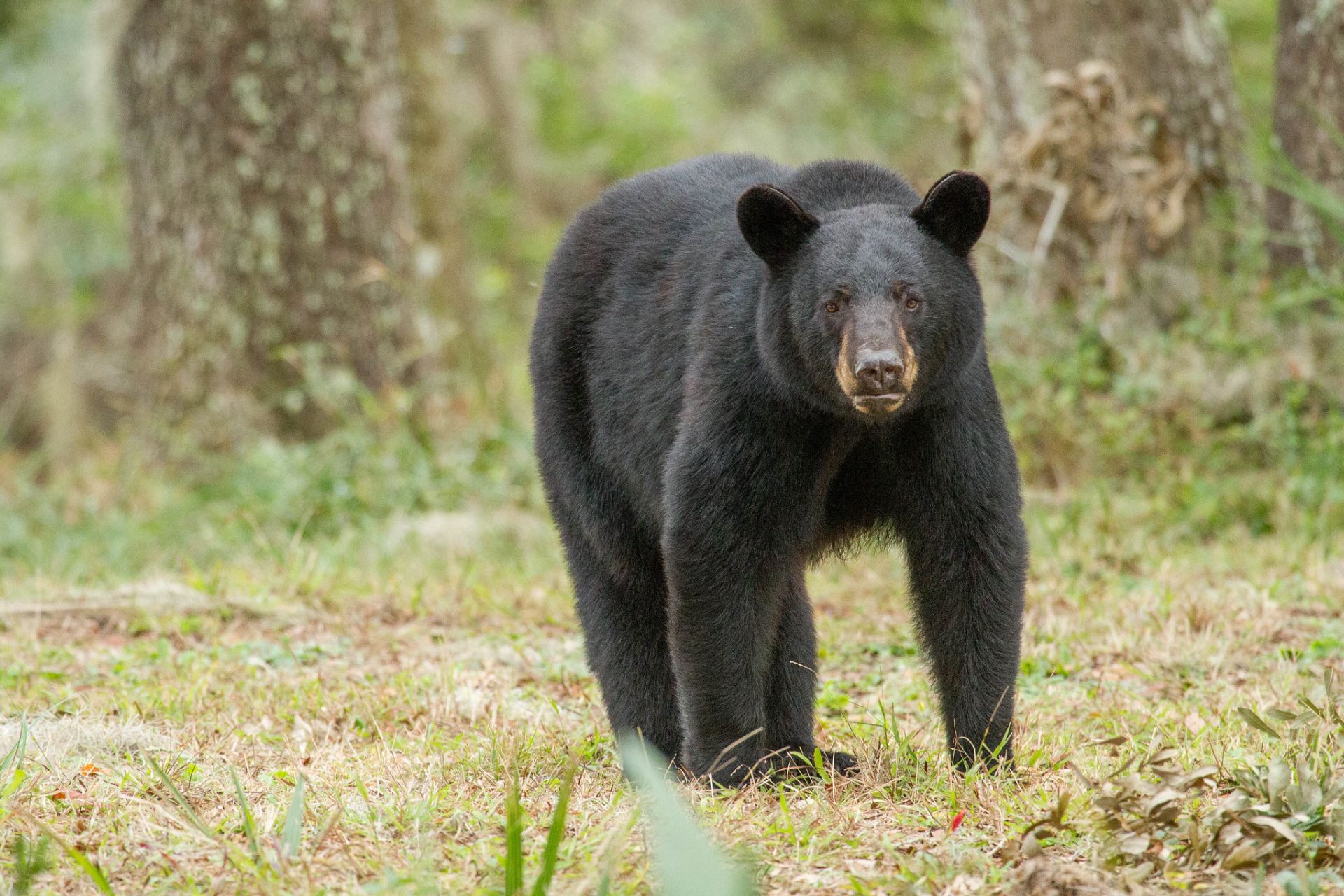
The Florida black bear (Ursus americanus floridanus) is a distinct subspecies of the American black bear, and it represents the largest land mammal in Florida. Once facing severe population decline due to habitat loss and hunting, these magnificent creatures have made a remarkable comeback, a testament to dedicated conservation efforts. Today, they roam across much of the state, from the Panhandle to the edge of the Everglades, making encounters a real, albeit often rare, possibility for those venturing beyond the well-trodden tourist paths. For travelers seeking unique experiences and a deeper connection with nature, knowing where these bears thrive and how to interact responsibly can transform a typical vacation into an unforgettable wildlife adventure.

Unveiling Florida’s Wild Heart: Bear Habitats and Conservation Success
Contrary to popular belief, Florida’s landscape extends far beyond beaches and swamps. It encompasses vast expanses of pine flatwoods, scrub forests, hardwood hammocks, and even dense swamplands, all of which provide crucial habitats for the Florida black bear. These adaptable animals primarily inhabit forested areas, where they can find ample food sources like berries, nuts, insects, and small animals, as well as dense cover for denning and raising their cubs. Their territories are often expansive, and their movements can bring them surprisingly close to human development, particularly in areas undergoing rapid expansion.
The journey of the Florida black bear from the brink of extinction to a thriving population is a compelling story of conservation. By the mid-20th century, their numbers had dwindled to a mere few hundred. However, protective legislation, habitat restoration, and public education initiatives spearheaded by organizations like the Florida Fish and Wildlife Conservation Commission (FWC) have allowed the population to rebound significantly, with current estimates suggesting over 4,000 bears statewide. This success, while celebrated, also underscores the increasing importance of human-bear coexistence, especially as more people explore Florida’s natural beauty.
Key Bear Hotspots: Where to Witness Florida’s Wilderness
For eco-tourists and nature enthusiasts, certain regions of Florida offer a higher likelihood of observing bears in their natural environment, provided one practices patience and respectful wildlife viewing ethics. These areas are often protected National Forests, State Parks, and wildlife management areas, which are fundamental landmarks for the state’s ecological integrity.
The Ocala National Forest, located in Central Florida, is perhaps the most well-known stronghold for Florida black bears. Its vast scrub-pine forests, diverse plant life, and numerous springs provide an ideal environment. Visitors to Ocala often combine hiking, camping, and kayaking with the hope of catching a glimpse of a bear from a safe distance. Similarly, the expansive Apalachicola National Forest in the Florida Panhandle is another crucial habitat, characterized by longleaf pine forests and swampy lowlands.
Further south, the Big Cypress National Preserve, a critical part of the greater Everglades, supports a healthy bear population, particularly along the drier cypress strands and pinelands that punctuate the wetland landscape. Other notable areas include parts of the St. Marks National Wildlife Refuge near Tallahassee, and the wilderness areas within and around Kissimmee Prairie Preserve State Park, renowned for its stargazing opportunities and vast grasslands that also support a surprisingly diverse wildlife population. The developing Florida Wildlife Corridor initiative aims to connect many of these crucial habitats, ensuring a future for the state’s wildlife, including its iconic bears, and providing contiguous pathways for them to move safely.
Responsible Wildlife Tourism and Viewing Etiquette
While the allure of seeing a Florida black bear in the wild is strong, it’s paramount for travelers to prioritize the safety of both themselves and the animals. Responsible wildlife viewing is a cornerstone of sustainable tourism and ensures that these opportunities remain available for future generations. The golden rule is simple: observe from a distance and never, under any circumstances, approach or feed a bear.
When exploring bear habitats, visitors should remain on marked trails, make noise to avoid surprising an animal, and be aware of their surroundings. Binoculars and telephoto lenses are invaluable tools for enjoying wildlife without intrusion. Remember that a bear that becomes accustomed to human food or presence is often referred to as a “nuisance bear,” and such situations can unfortunately lead to tragic outcomes for the animal. By maintaining a respectful distance and leaving no trace, tourists contribute positively to the conservation efforts that have allowed these magnificent creatures to thrive. Engaging in eco-tours led by experienced local guides can also provide invaluable insights into bear behavior and safe viewing practices, enhancing the overall experience while promoting responsible travel.

Bear Safety for Florida Travelers: Tips for Coexistence
As Florida’s population and tourism grow, the interface between humans and bears becomes more frequent. While bear attacks are extremely rare, understanding how to prevent conflicts and what to do in an encounter is crucial for anyone venturing into natural areas or staying in accommodations adjacent to wildlands. The Florida Fish and Wildlife Conservation Commission (FWC) and initiatives like BearWise provide comprehensive guidelines to ensure safe coexistence.
At Campsites and Vacation Rentals
Many Florida State Parks and National Forests offer exceptional camping experiences, placing visitors right in the heart of bear country. Similarly, vacation rentals or private villas located near natural preserves, particularly in regions like Central Florida or the Panhandle, might be in areas where bears forage. The primary rule in these settings is “secure your food.”
- Food Storage: Never leave food, drinks, pet food, or anything with a scent unattended, especially overnight. Store all scented items (including toiletries and garbage) in bear-resistant containers, locked vehicles, or hung from a tree if camping in designated wilderness areas. Many campsites now provide bear-proof lockers.
- Cleanliness: Keep your campsite or rental property meticulously clean. Wipe down picnic tables, grills, and food preparation areas immediately after use. Dispose of garbage in bear-resistant dumpsters.
- Pet Safety: Keep pets on a leash or securely contained, especially at night. A curious pet can easily instigate a dangerous encounter with a bear.
- Outdoor Amenities: If your accommodation has outdoor grills, clean them thoroughly after each use. Bird feeders should be brought in at night, particularly during late summer and fall when bears are actively foraging to prepare for winter.
- Awareness: Be aware of your surroundings, especially at dawn and dusk when bears are most active. Teach children about bear safety and supervise them closely.
For hotels and resorts located on the fringes of natural areas, guests will often find signage and receive information upon check-in regarding local wildlife. It’s always wise to heed these warnings and inquire about any specific recommendations for bear country etiquette from the accommodation staff.
While Hiking and Exploring
Hiking through Florida’s diverse ecosystems, from the trails of Myakka River State Park to the depths of Ocala National Forest, offers incredible natural beauty. To minimize the risk of a bear encounter:
- Make Noise: Hike in groups and make noise while on the trail. Talking, singing, or clapping can alert bears to your presence and give them time to move away.
- Stay Alert: Pay attention to your surroundings. Look for signs of bear activity, such as scat, tracks, or overturned logs. Avoid wearing headphones that could prevent you from hearing an approaching animal.
- Keep Dogs Leashed: Unleashed dogs can provoke bears, leading to aggressive encounters.
- Carry Bear Spray (and know how to use it): While less common in Florida than in some Western states, bear spray can be an effective deterrent. If you choose to carry it, ensure you know how to deploy it quickly and safely.
- What to Do During an Encounter:
- Do NOT Run: Running can trigger a bear’s chase instinct.
- Stand Your Ground: Make yourself look as large as possible. Wave your arms, make noise, and speak in a firm, calm voice.
- Back Away Slowly: Give the bear an escape route.
- If Attacked: Fight back aggressively with anything you have. Black bear attacks are rare, and they are usually defensive.
Remember, seeing a bear in the wild is a privilege. By following these safety guidelines, visitors can enjoy Florida’s natural landmarks responsibly and contribute to the ongoing success of bear conservation.
Beyond Bears: Florida’s Diverse Natural Attractions and Experiences
While the presence of Florida black bears adds an exciting, wild dimension to Florida’s natural offerings, the state is a veritable treasure trove of diverse ecosystems and outdoor activities that cater to every type of traveler. From the emerald waters of the Gulf Coast to the vibrant coral reefs of the Florida Keys and the lush interiors of its vast preserves, Florida offers unparalleled opportunities for nature-based tourism.
Travelers can explore the legendary Everglades National Park, a UNESCO World Heritage Site and the largest subtropical wilderness in the United States. Here, airboat tours, kayaking, and hiking trails offer glimpses of alligators, crocodiles, wading birds, and the elusive Florida panther. The pristine beaches of the Atlantic Coast provide crucial nesting grounds for sea turtles, and during season, guided night walks allow visitors to witness these ancient creatures laying their eggs.
For those seeking aquatic adventures, the crystal-clear springs of Central Florida, such as Weeki Wachee Springs State Park or Blue Spring State Park, offer incredible opportunities for swimming, snorkeling, and diving alongside manatees during the cooler months. Kayaking and paddleboarding through mangrove tunnels provide a unique perspective on coastal ecosystems, while deep-sea fishing charters depart from bustling ports like Destin and Sarasota.
Beyond the major landmarks, Florida’s rural areas offer charming towns, farm-to-table culinary experiences, and agritourism opportunities. The Black Bear Scenic Byway in Central Florida provides a picturesque route through bear habitat, offering stunning natural views and potential wildlife sightings for those who prefer to explore by car. This diversity ensures that whether your lifestyle leans towards luxury resorts, rustic camping, family-friendly adventures, or solo exploration, Florida has something to offer.
Planning Your Florida Wildlife Adventure: Accommodation and Experiences
Embarking on a Florida wildlife adventure requires thoughtful planning, especially concerning accommodation and the type of experiences you seek. The good news is that Florida offers an incredibly broad spectrum of choices, catering to various budgets and preferences.
For those aiming to be fully immersed in nature, many State Parks and National Forests provide rustic cabins, tent camping sites, and RV hookups. These options place you closest to potential wildlife encounters and offer a truly immersive outdoor lifestyle. It’s crucial to book these well in advance, especially during peak seasons, and always confirm specific park rules regarding food storage and wildlife safety.
If camping isn’t your preference, numerous charming towns bordering these natural landmarks offer a range of hotels, motels, and unique bed & breakfasts. For example, towns near the Ocala National Forest or Big Cypress National Preserve might have eco-lodges or boutique resorts that specialize in guiding guests through local wildlife viewing opportunities. These often provide curated tours, equipment rentals, and expert advice, enhancing your chances of safe and rewarding wildlife encounters. When selecting accommodation in these areas, checking reviews for mentions of wildlife proximity and the establishment’s commitment to responsible tourism can be very helpful.
Furthermore, Florida’s larger cities and popular tourist hubs like Tampa, Jacksonville, and Fort Myers serve as excellent gateways to natural attractions. From Orlando, for instance, day trips or guided excursions can take you to the Ocala National Forest or even Kennedy Space Center Visitor Complex, which is situated within the Merritt Island National Wildlife Refuge – another area known for its rich biodiversity, though less for bears specifically. Many hotels in these cities, from luxury suites to budget-friendly apartments, offer extensive amenities and serve as comfortable bases from which to launch your daily adventures.
Ultimately, the presence of Florida black bears is not a deterrent to travel but rather an invitation to experience a deeper, wilder side of Florida. It’s a reminder that beneath the glitz and glamour, Florida remains a vibrant, living ecosystem. By understanding and respecting its natural inhabitants, visitors can unlock unique experiences and contribute to the enduring legacy of conservation in this remarkable state. Whether you’re a seasoned wildlife photographer, a casual hiker, or a family seeking educational adventures, embracing responsible tourism ensures that the magic of Florida’s natural landmarks – and its magnificent black bears – will continue to inspire for generations to come.
LifeOutOfTheBox is a participant in the Amazon Services LLC Associates Program, an affiliate advertising program designed to provide a means for sites to earn advertising fees by advertising and linking to Amazon.com. Amazon, the Amazon logo, AmazonSupply, and the AmazonSupply logo are trademarks of Amazon.com, Inc. or its affiliates. As an Amazon Associate we earn affiliate commissions from qualifying purchases.