
The enigmatic allure of the black panther has long captured the human imagination. These magnificent, melanistic variants of leopards or jaguars are creatures of myth and mystery, often lurking in the shadowy corners of our deepest forests and wildest landscapes. When considering the vast and diverse terrain of Texas, a state renowned for its sprawling ranches, dense piney woods, and rugged mountain ranges, the question inevitably arises: do these elusive, dark-coated predators roam the Lone Star State?
The idea of encountering a Texas black panther is both thrilling and slightly unsettling. It taps into our primal fascination with apex predators and the untamed wilderness. For travel enthusiasts, tourism professionals, and those with a keen interest in nature and wildlife, understanding the potential presence of such a creature in Texas adds a layer of intrigue to an already captivating destination. This exploration delves into the evidence, eyewitness accounts, and scientific considerations that surround the persistent whispers of black panthers in Texas.
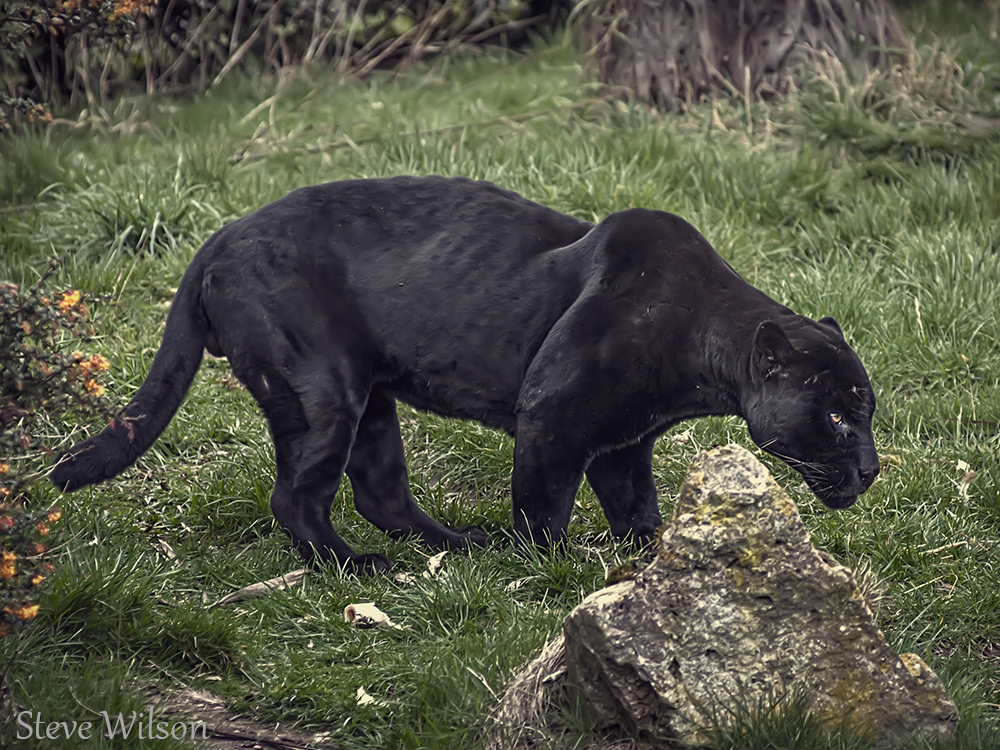
Unpacking the Legend: What is a Black Panther?
Before we venture into the Texas wilderness, it’s crucial to clarify what exactly constitutes a “black panther.” The term isn’t a distinct species but rather a description of a melanistic individual belonging to a species of big cat. In the Americas, the most likely candidates for this designation are the jaguar (Panthera onca) and the cougar, also known as the puma or mountain lion (Puma concolor).
- The Jaguar: Historically, jaguars once roamed much further north than their current range, which is primarily in Central and South America. There have been documented sightings of jaguars in the United States, particularly in Arizona, but their presence in Texas is exceedingly rare and largely unconfirmed in recent decades. Melanistic jaguars, the true “black panthers” of the Americas, possess a stunning coat of deep, glossy black, though their characteristic rosette spots are still visible under close examination in the right light.
- The Cougar (Mountain Lion): Cougars are far more common and widespread throughout Texas than jaguars. Their typical coloration ranges from tan to gray. While melanism is a known genetic trait in cougars, it is exceptionally rare. Unlike jaguars, where black panthers are relatively common in certain populations, black cougars are seldom, if ever, scientifically confirmed. Most reported sightings of black panthers in regions where cougars are the dominant large cat are generally attributed to misidentification or folklore.
The distinction is vital because while a jaguar sighting would be extraordinary, the more plausible, though still unproven, scenario for a “black panther” in Texas would likely involve a melanistic cougar, if such a creature exists there in any significant number.
Eyewitness Accounts and Anecdotal Evidence: Tales from the Trail
The question of black panthers in Texas is kept alive by a steady stream of anecdotal evidence and eyewitness accounts that have circulated for decades. These stories, often shared around campfires, in local diners, or through online forums dedicated to wildlife and cryptozoology, paint a compelling, albeit unverified, picture.
Ranchers in the vast expanse of West Texas, South Texas, and the Hill Country have reported seeing large, black, cat-like animals moving with an unsettling grace through their properties. These encounters are frequently described as fleeting glimpses, often at dusk or dawn, when visibility is poor. The descriptions consistently point to a creature larger than a bobcat or coyote, with a sleek, dark coat, and a long, muscular build. Some accounts even mention a distinct panther-like gait and the piercing gaze of what are described as predatory eyes.
The Texas Parks and Wildlife Department (TPWD), while responsible for managing the state’s diverse wildlife, has historically maintained a stance of caution regarding definitive confirmation of black panthers. They acknowledge the existence of cougars in Texas and have documented their presence across various habitats, from the Big Bend National Park to the eastern pine forests. However, official records do not contain confirmed photographic evidence or biological samples of melanistic cougars or jaguars within the state.
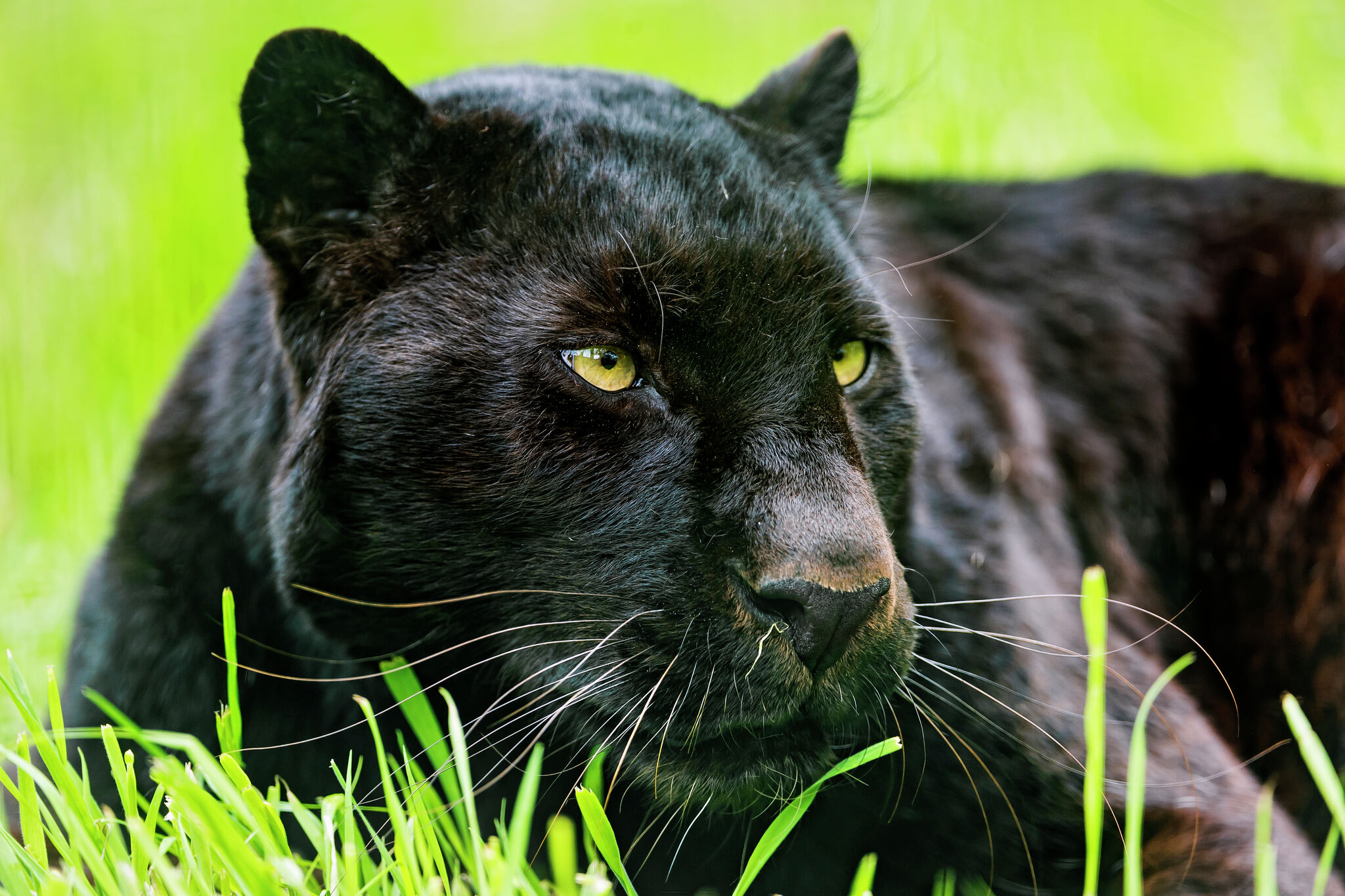
Despite the lack of official confirmation, the sheer volume of eyewitness accounts cannot be entirely dismissed. These stories often come from experienced outdoorsmen and farmers who are intimately familiar with the native fauna. They often report encounters in areas where cougars are known to exist, leading many to speculate about the rare occurrence of melanism in the Texas cougar population. The Texas landscape, with its dense brush, secluded canyons, and extensive forest cover, offers ample hiding places for any large predator, making definitive observation incredibly challenging.
Scientific Scrutiny and Biological Possibilities
From a biological standpoint, the existence of black panthers in Texas presents an interesting case study. Melanism, the genetic mutation that causes an excess of dark pigment, occurs in many feline species. As mentioned, it is relatively common in jaguar populations in South America, making black jaguars a significant part of their ecosystem.
The question then becomes: does the genetic predisposition for melanism exist, or is it viable, in the cougar population of Texas? While melanism is genetically possible in cougars, confirmed cases in North America are exceptionally rare and often debated. Many purported sightings of black cougars have, upon closer inspection or after subsequent investigation, turned out to be misidentifications of other animals, such as large dogs, black bears, or even juvenile cougars with darker fur.
Several factors contribute to the difficulty of confirming melanism in cougars:
- Rarity of the Gene: The specific gene responsible for melanism might simply be very rare or absent in the Texas cougar gene pool. Genetic mutations are influenced by population size, geographic isolation, and selective pressures.
- Habitat and Behavior: Cougars are primarily nocturnal or crepuscular (active at dawn and dusk), which naturally makes them harder to spot. Their solitary nature and ability to navigate vast territories further reduce the chances of direct observation.
- Challenges of Documentation: Obtaining clear photographic evidence or genetic material from a wild, elusive animal is a significant undertaking. Camera traps, while increasingly effective, rely on the animal crossing their field of view, and even then, the lighting conditions can obscure color variations.
- Confusing with Other Species: As mentioned, other dark-colored animals, or even cougars in poor lighting, can be mistaken for a black panther.
However, the possibility, however remote, cannot be entirely ruled out. The Texas landscape is incredibly diverse, offering varied habitats that could potentially support a small, reclusive population of melanistic cougars. The Big Thicket National Preserve in East Texas, with its dense woodlands, is often cited as a potential habitat, as are the more remote mountainous regions of West Texas. These areas, while offering excellent opportunities for nature travel and wildlife viewing, also provide the kind of cover that would allow a rare or reclusive animal to thrive undetected.

Exploring Texas’s Wild Spaces: Where Might They Be Found?
For travel enthusiasts and wildlife observers drawn by the mystique of the black panther, Texas still offers a wealth of incredible natural wonders and the chance to encounter its more conventionally colored inhabitants. While the definitive proof of a black panther remains elusive, exploring the diverse ecosystems of Texas is an adventure in itself.
- The Big Bend Country: This vast region in West Texas encompasses the majestic Big Bend National Park, Big Bend Ranch State Park, and the surrounding desert and mountain wilderness. It is prime habitat for native cougars, javelinas, desert bighorn sheep, and a myriad of bird species. While a black panther sighting here would be extraordinary, the sheer scale and remoteness of the landscape evoke a sense of wildness that fuels such speculation. The dramatic desert vistas and the rugged Chisos Mountains offer a stunning backdrop for any Texas adventure.
- The Texas Hill Country: Known for its rolling hills, clear rivers, and charming towns like Fredericksburg and San Marcos, the Hill Country is home to a healthy population of cougars. The extensive private ranches and natural preserves in this area provide crucial habitat. While a black panther would be a rare find, the Hill Country is an excellent destination for exploring nature, enjoying outdoor activities, and appreciating the local culture and food.
- East Texas Piney Woods: This heavily forested region, particularly areas like the Big Thicket National Preserve, offers a dense, humid environment that could, in theory, conceal a melanistic predator. The abundant wildlife here includes white-tailed deer, feral hogs, and various bird and reptile species. The thick foliage and numerous water sources make it a challenging yet rewarding area for nature exploration.
- South Texas Brush Country: Characterized by dense thorny brush and mesquite woodlands, this region supports a rich diversity of game animals and is known to be inhabited by cougars. The rugged terrain and extensive private land holdings can make wildlife observation difficult, but for those seeking an authentic Texas wilderness experience, it offers a unique landscape.
While the definitive answer to “Are there black panthers in Texas?” may remain in the realm of folklore and unconfirmed sightings, the pursuit of the question itself leads to the discovery of Texas‘s truly spectacular natural beauty. Whether you are a seasoned wildlife photographer, a hiker seeking new trails, or a curious traveler drawn to the mystique of the unknown, Texas offers an unforgettable journey into its wild heart. The legend of the black panther, for now, adds a captivating layer to the already rich tapestry of this vast and fascinating state. It’s a reminder that even in well-explored territories, the wild still holds its secrets.