
California, the Golden State, beckons millions of visitors annually with its unparalleled diversity, from the sun-drenched beaches of San Diego and Los Angeles to the majestic peaks of the Sierra Nevada Mountains, and the iconic landmarks like the Golden Gate Bridge in San Francisco. Travelers dream of exploring bustling cities, savoring world-class cuisine, embarking on epic road trips along Pacific Coast Highway, and immersing themselves in the vibrant culture and natural wonders of this incredible United States destination.
Yet, for all the allure, a common concern often surfaces among prospective visitors, echoing a widespread urban myth: the presence of brown recluse spiders. This worry can sometimes overshadow the excitement of planning a trip, leading travelers to question the safety of their chosen accommodation, their hiking trails, or even just relaxing outdoors. Our aim is to provide clarity and peace of mind, allowing you to focus on the myriad of positive experiences California has to offer. While the fear of dangerous spiders is understandable, particularly for those unfamiliar with local fauna, the reality regarding the brown recluse in California is often misunderstood. Let’s separate fact from fiction and ensure your California adventure is defined by discovery, not undue apprehension.
The Truth About Brown Recluse Spiders and California
The internet, while a treasure trove of information for travel planning – from finding the perfect resorts and suites to exploring local attractions and guides – can also be a breeding ground for misinformation, especially concerning wildlife. The brown recluse spider is a prime example of a creature whose reputation often precedes its actual geographical reach, leading to unnecessary anxiety for travelers contemplating a visit to California.
Distinguishing Fact from Fiction: The Native Range
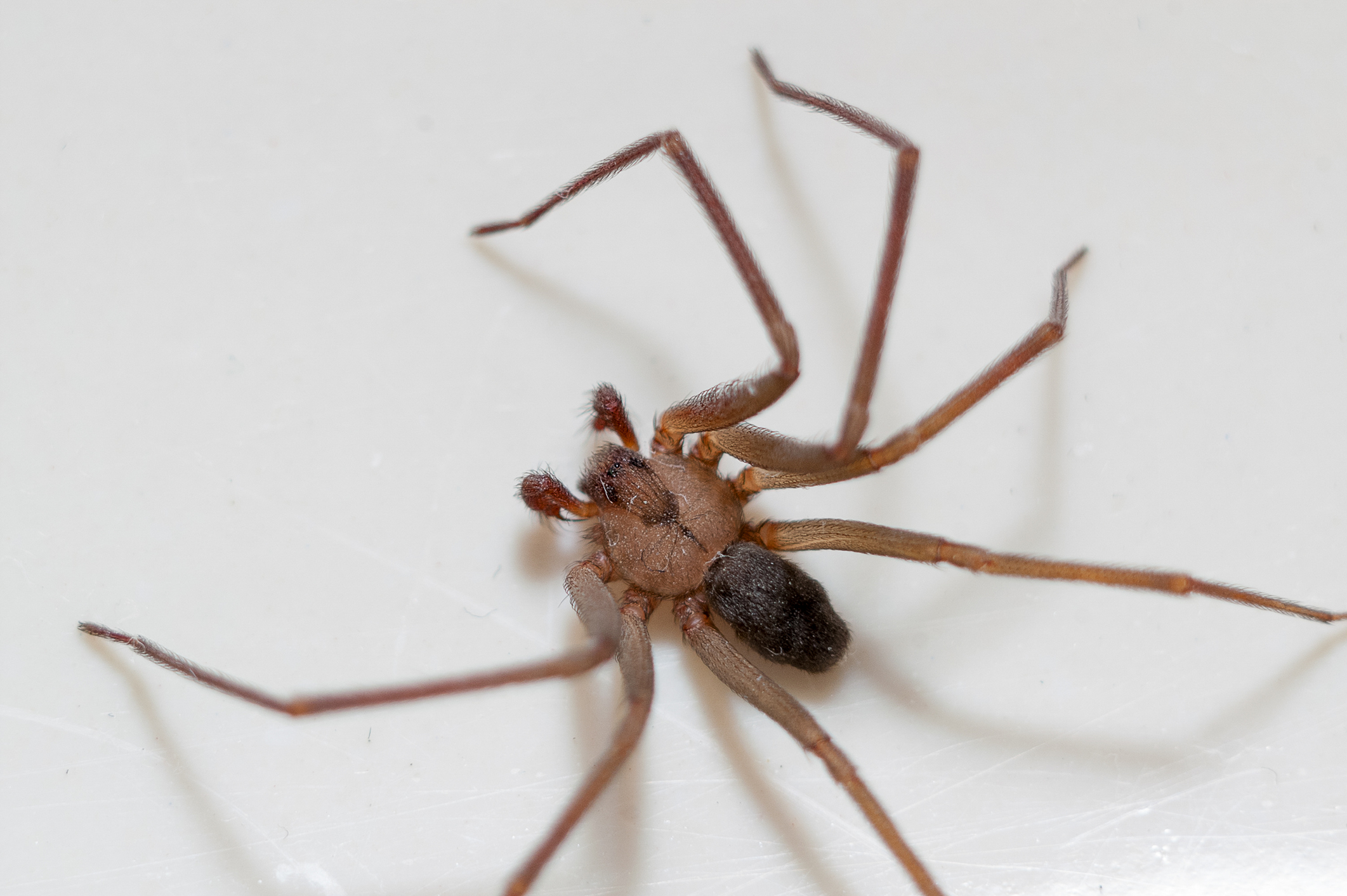
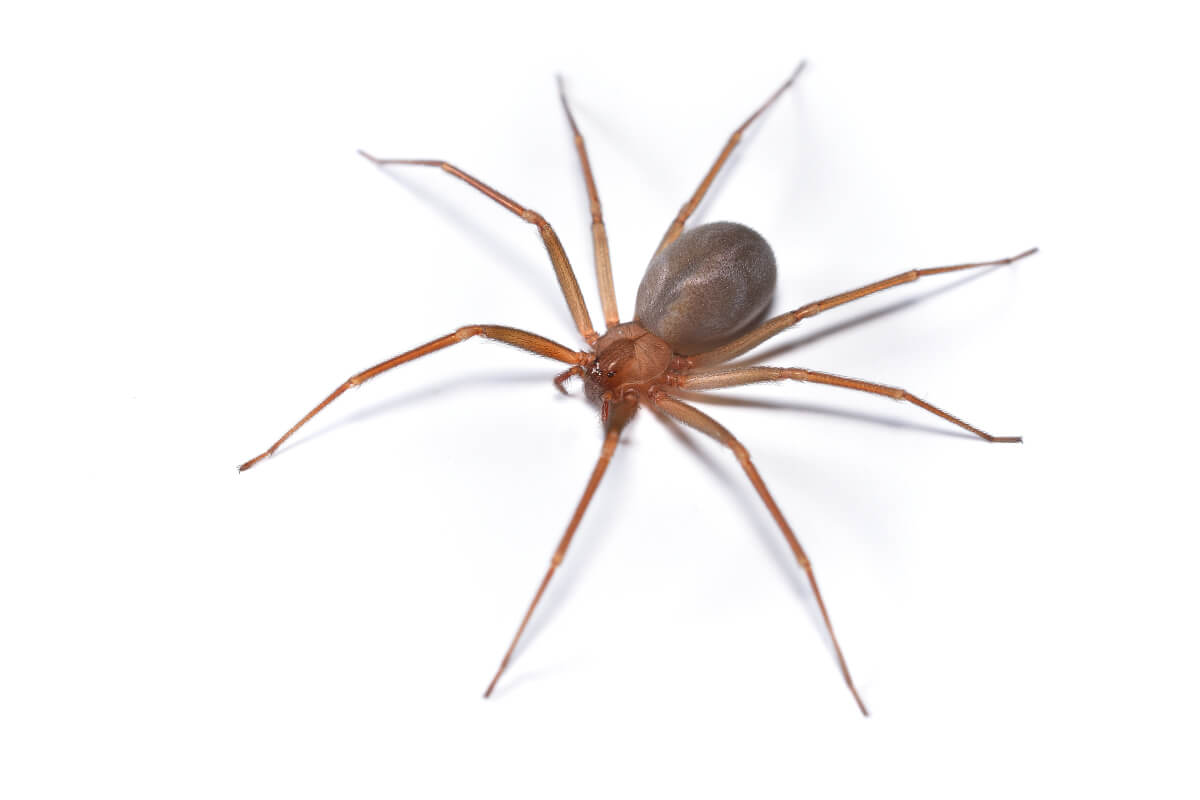
To truly understand whether brown recluse spiders are a concern in California, it’s crucial to first understand what constitutes a true brown recluse and where it naturally thrives. The scientific name for the true brown recluse spider is Loxosceles reclusa. This species is famous for its distinctive violin-shaped marking on its cephalothorax (the combined head and thorax), a feature that has unfortunately led to many harmless brown spiders being misidentified.
The critical piece of information for any traveler to California is this: the brown recluse spider is not native to California. Its natural habitat is primarily concentrated in the central and southern Midwest regions of the United States, extending into some southern states. This range includes states like Missouri, Kansas, Oklahoma, Arkansas, Kentucky, Tennessee, and parts of Texas, Illinois, Indiana, Ohio, Georgia, and Alabama. You’ll notice California is conspicuously absent from this list.
While it is theoretically possible for a brown recluse to be transported to California as a “stowaway” – perhaps in luggage, shipping containers, or moving boxes from its native range – such incidents are exceedingly rare and do not indicate an established population. These isolated occurrences, if they happen at all, are anomalies, not typical encounters. Therefore, the widespread concern among travelers about encountering a brown recluse in their hotel room, villa, or during an outdoor excursion in California is, for the most part, unfounded. This dispels a significant myth that often deters potential visitors from fully enjoying their planned destinations.
The Look-Alikes: Native Recluse Species in California
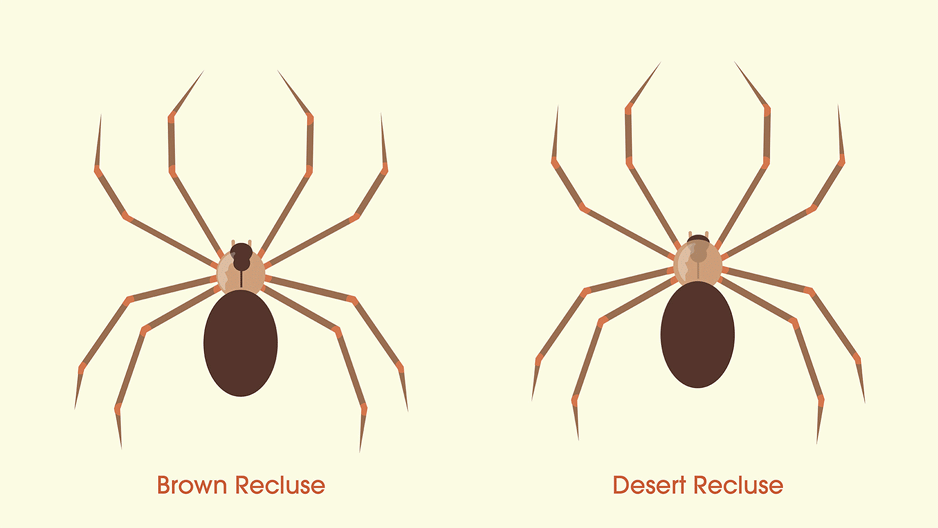
While the true brown recluse (Loxosceles reclusa) is not a resident of California, the state does host its own native recluse species. The most notable of these is the Desert Recluse (Loxosceles deserta). Understanding the Desert Recluse is crucial, as it is the spider most often mistaken for its more infamous cousin.
The Desert Recluse is primarily found in the arid and semi-arid regions of southern California, extending into other desert states like Nevada, Arizona, Utah, and parts of Mexico. As its name suggests, it prefers environments such as the Mojave Desert, Death Valley, and other remote, dry areas. These spiders are shy and reclusive, preferring dark, undisturbed places like under rocks, logs, or debris in their natural outdoor habitat. They are not typically found in the high-traffic urban centers or coastal regions that attract most tourism.
The Desert Recluse shares a similar appearance with the brown recluse, including the characteristic “violin” marking, though it can sometimes be less distinct. Its venom is necrotic, meaning it can cause tissue damage, much like the brown recluse. However, bites are extremely rare, and when they do occur, they are often less severe than bites from the true brown recluse. Furthermore, many suspected recluse bites turn out to be other conditions, such as staph infections or allergic reactions, highlighting the difficulty of self-diagnosis. For travelers, the likelihood of encountering a Desert Recluse during a typical California vacation, especially if sticking to well-traveled destinations and reputable hotels, is very low.
Beyond the Desert Recluse, there are numerous other brown-colored spiders in California that are entirely harmless but frequently misidentified as brown recluses. These include common house spiders, wolf spiders, grass spiders, and hobo spiders (the latter being less common in California than the Pacific Northwest). Their presence contributes to the public’s confusion and anxiety, underscoring the importance of accurate identification by an expert if a spider bite is suspected. For the average traveler, the key takeaway remains: the brown recluse you fear is almost certainly not the spider you will encounter in California.
Navigating Arachnid Encounters in California: What Travelers Need to Know
While the specter of the brown recluse can be put to rest for your California journey, it’s still prudent to be aware of other arachnids that are native to the state and understand how to minimize any potential risks. After all, responsible tourism and a relaxed lifestyle during your travels often involve a basic understanding of your surroundings, including local wildlife.
More Common Concerns: Black Widows and Other Spiders
If there’s one spider that travelers in California should be peripherally aware of, it’s the Western Black Widow (Latrodectus hesperus). Unlike the brown recluse, the Western Black Widow is indeed common throughout California, found in nearly every county.
Identification and Habitat: The Western Black Widow is easily recognizable by its shiny black body and the distinctive red hourglass marking on the underside of its abdomen. Females are larger and possess the venom capable of causing a significant reaction in humans. They prefer dark, undisturbed, somewhat secluded areas. In outdoor settings, this means woodpiles, sheds, garden clutter, under rocks, and in abandoned rodent burrows. Around human dwellings, they might be found in garages, crawl spaces, outdoor furniture, under eaves of hotels or villas, or near utilities.
Bite Severity and Precautions: While black widow venom is potent and their bites can be medically significant, resulting in muscle cramps, nausea, sweating, and severe pain, fatalities are extremely rare, especially with modern medical care. More importantly, black widows are not aggressive. They will only bite if they feel threatened, often when accidentally pressed against skin or when their web is disturbed. As such, bites are typically defensive.
For travelers, encountering a black widow in your hotel room or a well-maintained resort is uncommon, as these accommodations usually have pest control measures in place. However, if you are camping, staying in a rustic cabin, or exploring more remote natural landmarks and destinations, it’s wise to exercise caution. Shake out shoes, clothing, and towels before use, especially if they’ve been left on the ground or in dark corners. When reaching into dark spaces, use a stick or flashlight to probe first.
Beyond black widows, other spiders you might see in California include various species of tarantulas, which are large and hairy but generally harmless to humans (though their bites can be painful, similar to a bee sting), and wolf spiders, which are also large, fast-moving, and common, but not considered dangerous. These are usually encountered in natural settings like Yosemite National Park or Joshua Tree National Park and are generally just a part of the vibrant ecosystem.
Practical Tips for a Pest-Free California Getaway
Ensuring a comfortable and worry-free stay in California largely comes down to common sense and basic preventative measures, whether you’re staying in luxurious apartments in Beverly Hills or enjoying a budget travel experience like camping in a state park. These tips align with a smart lifestyle for any seasoned traveler.
Accommodation Safety:
- Inspect your Room: Upon arrival at your hotel, suite, resort, or apartment, a quick visual inspection is always a good idea. Check corners, under furniture, and around window sills for any signs of pests. This is especially true for ground-floor rooms or older buildings.
- Bedding and Clothing: Before slipping into bed, a swift pull-back of the sheets and a glance around the mattress can offer reassurance. If you’ve left clothes or shoes on the floor, give them a shake before putting them on.
- Luggage Management: Keep your luggage closed and off the floor when possible. Luggage racks are provided in many hotel rooms for a reason!
- Report Issues: If you encounter any persistent pest issues, promptly inform the hotel staff. Reputable hotels prioritize guest comfort and safety and will address concerns quickly. You can also consult online reviews before booking to gauge other travelers’ experiences with cleanliness.
Outdoor Activities:
- Appropriate Attire: When hiking, exploring national parks (like Yosemite or Joshua Tree), or engaging in any outdoor activities in natural areas, wear closed-toe shoes and long pants, especially if venturing off well-trodden paths.
- Mindful Exploration: Avoid blindly reaching into dark, undisturbed spaces like rock crevices, hollow logs, or dense bushes. Use a stick to probe or check with a flashlight first.
- Camping Best Practices: If camping, ensure your tent is sealed, and check your sleeping bag and gear before use. Keep food stored properly to avoid attracting unwanted critters.
- Nighttime Awareness: Many spiders are nocturnal. When walking around outdoor areas at night, a flashlight can help you spot any creatures on your path.
General Precautions:
- Do Not Self-Diagnose: If you suspect a spider bite, especially if symptoms develop, seek medical attention. Do not rely on self-diagnosis or home remedies. If possible and safe, try to capture the spider (even if just a photograph) for identification, but prioritize safety.
- Focus on Enjoyment: While awareness is good, excessive worry can detract from your travel experiences. California offers so much beauty and excitement; focus on making the most of your trip. The chances of a serious spider encounter are very low.
Embracing California’s Natural Beauty Responsibly
California’s allure lies in its magnificent contrasts and abundant opportunities for adventure. From the rugged coastlines and serene beaches to the vast deserts, towering forests, and snow-capped mountains, the state offers a kaleidoscope of destinations and experiences. Part of appreciating this natural grandeur involves understanding and respecting the ecosystems and their inhabitants, including the often-misunderstood arachnids.
Lifestyle and Travel in California’s Diverse Ecosystems
Whether you’re indulging in luxury travel with stays in opulent resorts and gourmet dining experiences, or embarking on a budget travel adventure exploring national parks via camping, California caters to every lifestyle. Understanding the local fauna, even the less glamorous members like spiders, is an integral part of responsible tourism. It allows visitors to engage with the environment thoughtfully, enhancing their appreciation without succumbing to baseless fears.
Embracing this perspective means enjoying a hike through a redwood forest knowing that while wildlife is present, it’s generally harmless if given space. It means relaxing by a pool at a hotel or villa with confidence in the property’s upkeep, rather than worrying about unlikely encounters. It’s about being prepared and informed, which is the cornerstone of any successful and enjoyable trip. The richness of California’s natural and urban landscapes truly shines when visitors feel secure and empowered to explore.
Beyond the Hype: Enjoying Your Californian Experience
In conclusion, the question “Are there brown recluse in California?” can be confidently answered with a resounding “No, not natively.” While the Desert Recluse and the Western Black Widow are present in specific habitats, general awareness and simple precautions are more than sufficient to ensure a safe and enjoyable trip.
Don’t let an unfounded fear of a non-native spider detract from the countless wonders that await you in the Golden State. From the vibrant culture of its cities to the breathtaking beauty of its natural landmarks, California is ready to offer you an unforgettable travel experience. Pack your bags, plan your itinerary, and get ready to create incredible memories, knowing that your biggest “spider problem” is likely just a friendly house spider you might barely notice. Your California adventure should be about discovery and joy, not apprehension.
LifeOutOfTheBox is a participant in the Amazon Services LLC Associates Program, an affiliate advertising program designed to provide a means for sites to earn advertising fees by advertising and linking to Amazon.com. Amazon, the Amazon logo, AmazonSupply, and the AmazonSupply logo are trademarks of Amazon.com, Inc. or its affiliates. As an Amazon Associate we earn affiliate commissions from qualifying purchases.