
The sunshine state of Florida conjures images of pristine beaches, vibrant cities, and theme park thrills. Yet, beneath the veneer of popular tourist attractions and bustling urban centers lies a vast, wild heart teeming with unique ecosystems and fascinating wildlife. Among the most enigmatic creatures rumored to roam Florida’s wild expanses is the cougar. The question “Are there cougars in Florida?” is one that often piques the curiosity of travelers, nature enthusiasts, and even seasoned locals. The answer is a resounding yes, though with a crucial distinction: the cougars found here are known by their more specific and endangered moniker – the Florida panther.
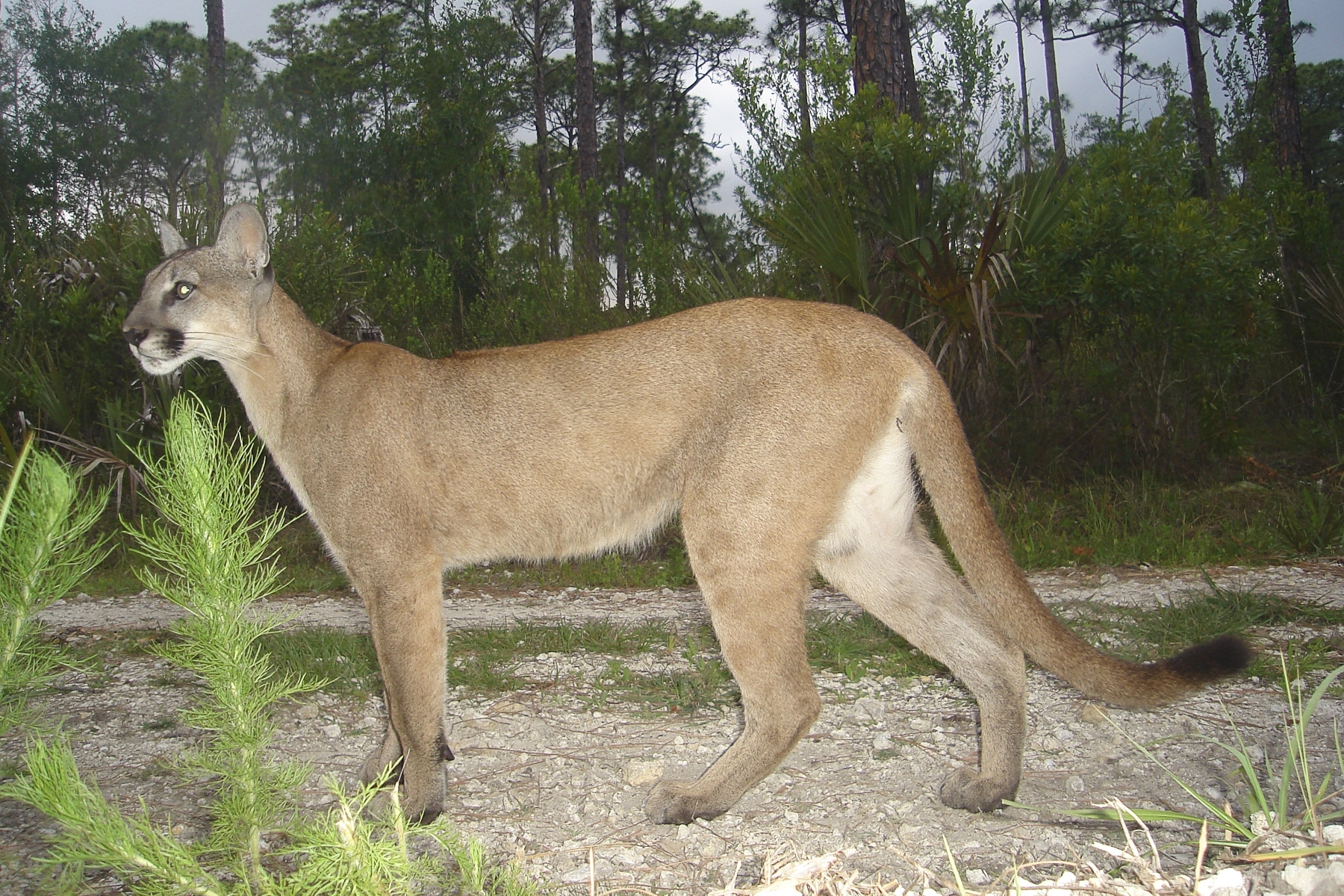
These majestic and incredibly rare felines represent a vital part of the state’s natural heritage, drawing a unique dimension to Florida’s appeal as a destination for ecotourism and wildlife exploration. For those planning a trip, understanding the presence of the Florida panther adds depth to their travel experience, highlighting the delicate balance between human development and wildlife conservation. From the sprawling wetlands of the Everglades to the dense pinelands of Southwest Florida, their story is intrinsically linked with the state’s natural landmarks and the lifestyle of those who seek to explore its untamed beauty.
Unveiling Florida’s Elusive Feline: The Florida Panther
The creature commonly referred to as a cougar, puma, or mountain lion across the Americas is represented in Florida by a distinct subspecies: Puma concolor coryi, more famously known as the Florida panther. These powerful and secretive big cats are an iconic symbol of Florida‘s wilderness, although their presence is far from widespread. Unlike their more numerous cousins in the western United States, Florida panthers are critically endangered, with population estimates suggesting only 120-230 adults remain in the wild. This makes encountering one an exceedingly rare and profoundly special event, a testament to their elusive nature and the challenges they face in a rapidly developing state.
Their coat is typically tawny or yellowish-brown, and adults can weigh anywhere from 60 to 160 pounds, with males generally being larger than females. They possess incredibly strong bodies, long tails that help with balance, and keen senses perfectly adapted for hunting in dense environments. For travelers interested in unique wildlife experiences, the knowledge of the Florida panther’s existence adds an unparalleled layer of intrigue to any visit, transforming a simple vacation into an expedition into one of North America’s most unique ecological treasures.
The Ghost of the Everglades: Habitat and Lifestyle
The heart of the Florida panther’s territory lies predominantly in the vast, interconnected wetland and forest systems of Southwest Florida. This includes iconic natural landmarks such as Everglades National Park, Big Cypress National Preserve, and the Fakahatchee Strand Preserve State Park. These areas, characterized by cypress swamps, pine flatwoods, hardwood hammocks, and brackish marshes, provide the dense cover, abundant prey, and expansive solitude essential for a panther’s survival. They are solitary creatures, requiring vast territories to hunt and thrive, with a single male’s range sometimes spanning hundreds of square miles.
Panthers are apex predators, playing a crucial role in maintaining the health of their ecosystem. Their diet primarily consists of white-tailed deer, feral hogs, raccoons, and armadillos. They are stealthy hunters, often active during dawn, dusk, and nighttime hours, which further contributes to their infrequent sightings. For tourists seeking authentic nature experiences, exploring these regions offers a chance to witness the landscapes where these magnificent creatures roam, even if a direct sighting remains unlikely. Many guided tours and experiences in these areas focus on understanding the ecosystem and the various species it supports, including the panther, making it a powerful lesson in local culture and the importance of conservation. Understanding their lifestyle helps visitors appreciate the delicate balance of Florida’s wild spaces and the unique challenges faced by its most iconic predator.
A Legacy of Conservation: Why They’re Rare
The story of the Florida panther is largely one of near-extinction and a remarkable, ongoing conservation effort. By the mid-20th century, hunting, habitat loss, and degradation had decimated their population to fewer than 30 individuals. This drastic decline prompted their listing as an endangered species by both state and federal authorities. The primary threats today remain habitat destruction and fragmentation due to human development, especially in Collier County and surrounding areas, which are critical panther habitat. Vehicle collisions are also a significant cause of mortality, particularly on roads that bisect their territories.
Intensive conservation programs, spearheaded by the Florida Fish and Wildlife Conservation Commission (FWC) and the U.S. Fish and Wildlife Service, have been instrumental in preventing their extinction. These efforts include establishing wildlife corridors, managing protected lands, implementing breeding programs, and actively monitoring the population. The genetic rescue program initiated in 1995, which introduced eight female cougars from Texas to broaden the gene pool, proved to be a critical turning point, leading to a slow but steady increase in population numbers. This enduring legacy of conservation is a testament to Florida’s commitment to preserving its natural heritage, offering a compelling narrative for travelers interested in the impact of human endeavors on the natural world and the power of dedicated conservation. Supporting ecotourism in these regions directly aids these vital efforts.
Exploring Florida’s Wild Side: Tourist Encounters and Safety
For adventurous travelers, the allure of Florida’s wild side extends beyond its renowned beaches and theme parks. The pursuit of rare wildlife sightings, though often unfulfilled, adds an exciting layer to any travel experience. While direct encounters with a Florida panther are exceptionally rare, understanding where they live and how to act responsibly in their habitat is crucial for both visitor safety and the protection of these vulnerable animals. The focus on responsible tourism is a key aspect of a fulfilling and ethical travel lifestyle, particularly in areas rich in biodiversity.
Exploring Florida’s natural landmarks, from vast preserves to smaller state parks, offers incredible opportunities to connect with nature, appreciate the diverse ecosystems, and support conservation efforts. Many guided tours specifically highlight the environmental significance of these areas, educating visitors about the delicate balance that sustains life, including that of the elusive panther. Choosing accommodations that align with eco-friendly practices can also enhance this commitment to responsible travel, ensuring that your stay contributes positively to the local environment and its inhabitants.
Where to Spot (or Not Spot) a Panther: Prime Locations and Visitor Centers
While spotting a Florida panther in the wild is akin to finding a needle in a haystack, certain regions offer the best (albeit still slim) chances, primarily in Southwest Florida. The protected areas within Collier County and parts of Lee County, which include portions of Big Cypress National Preserve, Fakahatchee Strand Preserve State Park, and the Florida Panther National Wildlife Refuge, are considered prime panther habitat.

Big Cypress National Preserve: This vast expanse of swamps, pinelands, and prairies is a stronghold for panthers. While direct sightings are rare, visitors can explore its scenic loop road, hiking trails, and ranger-led programs. The preserve’s visitor centers provide invaluable information about panthers and other local wildlife, including exhibits and educational materials.
Florida Panther National Wildlife Refuge: Established specifically for the conservation of the Florida panther, this refuge is not typically open for extensive public access to minimize disturbance to the panthers. However, it does offer limited recreational opportunities and educational programs, and its visitor center is a great resource.
Everglades National Park: While panthers have been documented in the Everglades, their numbers here are extremely low, and the vastness of the park makes sightings even more improbable. However, the park offers unparalleled opportunities for viewing other iconic Florida wildlife like alligators, crocodiles, and a myriad of bird species.
Fakahatchee Strand Preserve State Park: Known as the “Amazon of North America” for its incredible biodiversity, this preserve also provides habitat for panthers. Its boardwalks and trails offer a chance to experience the dense swamp environment, but panther sightings are extremely rare.
For travelers, the focus should be on appreciating the pristine wilderness and understanding the panther’s role within it, rather than solely on a sighting. Engaging with park rangers and naturalists at visitor centers provides an enriching educational experience, enhancing one’s appreciation for these unique landmarks and the conservation challenges they represent.
Coexisting with Wildlife: Safety Tips for Travelers
While the chance of encountering a Florida panther is slim, being prepared for any wildlife encounter is a crucial aspect of responsible travel, especially when venturing into natural areas. General wildlife safety tips are applicable across Florida’s wild spaces, ensuring a safe and enjoyable experience for all.
- Stay on Marked Trails: This minimizes disturbance to wildlife and keeps you from getting lost in unfamiliar terrain.
- Hike in Groups: Larger groups are generally less likely to be approached by wildlife.
- Make Noise: This can alert animals to your presence and prevent surprising them, reducing the chance of a defensive encounter.
- Keep Pets Leashed: Small pets can attract predators and are vulnerable to other wildlife.
- Never Approach Wildlife: Maintain a respectful distance from all wild animals. Do not attempt to feed them.
- Secure Food and Trash: Proper food storage and waste disposal prevent attracting animals to campsites or picnic areas.
- If You See a Panther (Extremely Rare):
- Do not run. This might trigger their chase instinct.
- Stand your ground and make yourself look as large as possible. Wave your arms, open your jacket.
- Make noise. Yell, clap your hands, or throw small objects (not at the animal).
- Back away slowly, keeping eye contact if possible.
- Protect children and pets by keeping them close or picking them up.
- Never turn your back on the animal.
- Report any sightings to park rangers or the Florida Fish and Wildlife Conservation Commission.
These guidelines are not just about personal safety; they are an integral part of responsible tourism, ensuring that your presence doesn’t negatively impact the local ecosystem or its inhabitants. Embracing these practices allows travelers to immerse themselves in Florida’s natural beauty with confidence and respect, fostering a lifestyle that values harmony with nature.
Beyond the Panther: Florida’s Diverse Ecotourism and Accommodation
Florida’s natural allure extends far beyond the elusive panther, encompassing a rich tapestry of ecosystems and wildlife that make it a premier destination for ecotourism. From birdwatching in coastal refuges to kayaking through mangrove tunnels, the state offers countless opportunities for travelers to connect with nature. This diversity also translates into a wide array of accommodation options and travel experiences, catering to various lifestyles and budgets, all while encouraging exploration of Florida’s authentic charm. Whether you’re planning a luxury travel escape or a budget-friendly family trip, there’s a way to integrate the wonders of Florida’s natural world into your itinerary.
The tourism sector in Florida is increasingly recognizing the value of its natural resources, promoting activities and stays that highlight ecological beauty and conservation efforts. This shift allows visitors to engage with local culture and contribute to sustainable practices, turning a simple vacation into an enriching and impactful experience.
Immersive Stays: Resorts and Hotels Near Wild Spaces
For those eager to delve deep into Florida’s wilderness, finding the right accommodation is key. Rather than just a place to sleep, many hotels and resorts near significant natural landmarks offer immersive experiences designed to complement the surrounding environment. In areas bordering panther habitat, such as around Naples, Fort Myers, or even the outskirts of Miami, travelers can find a range of options.
Eco-Lodges and Boutique Hotels: These often emphasize sustainable practices, local sourcing, and offer direct access to natural areas. They might feature guided nature walks, kayak rentals, or birdwatching tours, providing a holistic experience for the environmentally conscious traveler. Many are designed to blend seamlessly with the landscape, offering a tranquil retreat.
Resorts with Nature Programs: Larger resorts, particularly those on the Gulf Coast or near the Everglades, might offer dedicated nature centers, educational programming, or partnerships with local conservation groups. These can be ideal for family trips, providing engaging activities for all ages. Examples include properties in the Naples area, which balances luxury amenities with proximity to wild spaces.
Vacation Rentals and Villas: For a more independent experience, booking a villa or apartment in towns like Everglades City or Chokoloskee provides a sense of local living and immediate access to the Ten Thousand Islands and the Everglades. This option offers flexibility for longer stays and allows travelers to set their own pace for exploration.
Camping and Glamping: For the truly adventurous, designated campgrounds within Everglades National Park or Big Cypress National Preserve offer an unparalleled opportunity to sleep under the stars in panther country. More luxurious glamping options are also emerging, providing comfort without sacrificing the connection to nature.
Choosing accommodations that align with your travel style—be it luxury travel with guided excursions or a budget-friendly camping trip—allows for an authentic and impactful visit to Florida’s wild heart. Reviews and comparison sites can help travelers find the perfect fit, ensuring amenities meet their needs while supporting responsible tourism initiatives.

Curating Your Florida Wildlife Adventure: Attractions and Guides
Beyond the elusive panther, Florida boasts an incredible array of wildlife and natural attractions, making it a dream destination for nature lovers. Curating your adventure means leveraging the wealth of information and guided experiences available to maximize your exposure to the state’s natural beauty and biodiversity.
Guided Tours: Many reputable tour operators in cities like Naples, Fort Lauderdale, and Miami offer specialized ecotours. These can include airboat rides through the Everglades (choose ethical operators that respect wildlife), swamp buggy tours, kayak and canoe expeditions, or guided hikes with naturalists. These guides often have extensive knowledge of local flora and fauna, enhancing your understanding and increasing your chances of spotting diverse wildlife.
Birdwatching Hotspots: Florida is a birdwatcher’s paradise, especially during migration seasons. Landmarks like the Great Florida Birding and Wildlife Trail connect numerous sites, including Corkscrew Swamp Sanctuary and various state parks, where you can observe species ranging from roseate spoonbills to ospreys.
Manatee and Dolphin Encounters: Along the coasts, opportunities abound for ethical manatee and dolphin watching tours. Areas like Crystal River are famous for manatee encounters, while coastal cruises can often spot pods of dolphins. Always choose operators that prioritize the animals’ well-being.
Nature Centers and Preserves: Numerous state parks and local preserves, beyond the major national ones, offer well-maintained trails, boardwalks, and visitor centers. These often provide free or low-cost access to beautiful natural settings and educational exhibits.
Local Culture and Cuisine: Integrate your wildlife exploration with the local culture. Many communities bordering natural areas, such as Everglades City, have rich histories tied to the environment, including traditional fishing and Gullah Geechee heritage. Sampling local cuisine, particularly fresh seafood, can be a delicious part of the experience.
By combining well-researched travel guides, engaging with knowledgeable locals, and choosing responsible activities, travelers can craft an unforgettable Florida adventure that celebrates its incredible wildlife, including the majestic, yet rarely seen, Florida panther. This approach embodies a travel lifestyle that is both adventurous and deeply respectful of the destinations visited.
Indeed, cougars do exist in Florida, in the form of the critically endangered Florida panther. Their existence is a powerful reminder of the delicate balance between nature and human civilization, and a testament to the ongoing efforts to preserve Florida’s unique wild heart. For those planning a trip, the prospect of visiting the panthers’ domain offers a unique perspective on the Sunshine State, moving beyond the usual tourist attractions to reveal a world of incredible biodiversity and vital conservation stories. Embracing responsible tourism, understanding wildlife safety, and supporting conservation initiatives allows travelers to experience the profound beauty of Florida’s natural landmarks while contributing to the survival of its most iconic feline. A trip to Florida can, therefore, be more than just a vacation; it can be an immersive journey into the untamed spirit of one of America’s most fascinating landscapes.
LifeOutOfTheBox is a participant in the Amazon Services LLC Associates Program, an affiliate advertising program designed to provide a means for sites to earn advertising fees by advertising and linking to Amazon.com. Amazon, the Amazon logo, AmazonSupply, and the AmazonSupply logo are trademarks of Amazon.com, Inc. or its affiliates. As an Amazon Associate we earn affiliate commissions from qualifying purchases.