
The vast and varied landscape of Texas is a tapestry woven with sprawling ranches, rugged mountains, dense forests, and arid deserts. This immense territory, second largest in the contiguous United States, is home to an astonishing array of wildlife. While many visitors to the Lone Star State are drawn by its iconic landmarks, vibrant cities, and unique cultural experiences, a persistent question often lingers for those venturing into its wilder corners: are there cougars in Texas? The answer is a resounding yes, and understanding their presence is key to appreciating the state’s diverse natural heritage.

The cougar, also known by a myriad of other names including mountain lion, puma, and panther, is a magnificent and elusive predator that holds a significant ecological role across the Americas. Their range historically stretched from the Yukon to the southern tip of South America. In Texas, these apex predators inhabit a significant portion of the state, though their distribution is not uniform. Understanding where cougars are most likely to be found, what they eat, and how they interact with humans is crucial for both conservation efforts and for those planning travel or tourism adventures in the state.
The Elusive Apex Predator: Understanding the Texas Cougar
Cougars are masters of camouflage and stealth, their tawny coats blending seamlessly with the arid brushlands and wooded areas they call home. Their presence is often confirmed through indirect evidence, such as tracks, scat, or claw marks on trees, rather than direct sightings. This elusiveness contributes to the mystique surrounding these powerful felines and fuels the question of their existence in Texas.
Habitat and Distribution
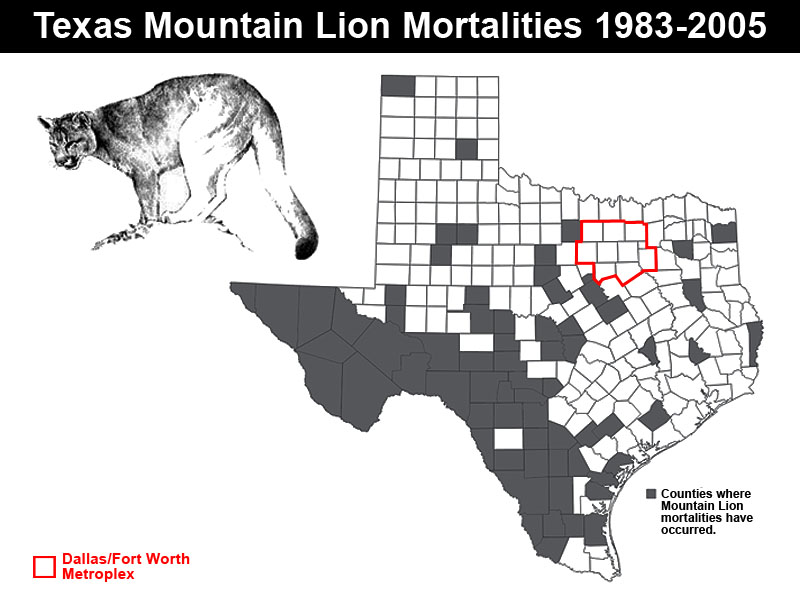
The primary stronghold for cougars in Texas is the rugged Trans-Pecos region of West Texas. This area, characterized by dramatic mountain ranges like the Guadalupe Mountains and the Davis Mountains, provides ample prey and secluded denning sites. The vast, undeveloped ranches and national parks in this region offer critical habitat where cougars can thrive relatively undisturbed. Beyond the Trans-Pecos, cougar sightings and evidence have also been documented in the Edwards Plateau, South Texas Brush Country, and even occasionally in East Texas and along the Gulf Coast.
The Edwards Plateau, with its rolling hills and canyon systems, offers a mosaic of habitats that can support cougar populations. The South Texas Brush Country, a dense expanse of thorny vegetation, also provides excellent cover and prey. While sightings are less frequent in East Texas, occasional dispersals from neighboring states or movement along river corridors mean that cougars can be found in wooded areas and along waterways. The presence of cougars in these varied landscapes underscores their adaptability and the importance of maintaining connected wild spaces across the state.
Prey and Diet
As apex predators, cougars play a vital role in regulating prey populations. Their diet is primarily composed of medium-sized mammals, with white-tailed deer being a staple food source in many areas. However, their diet is adaptable and can include a range of animals depending on availability. This can include, but is not limited to, javelinas, rabbits, raccoons, bobcats, and even birds.
In areas where their natural prey is abundant, cougars tend to focus on these food sources. However, when natural prey is scarce, they may opportunistically prey on domestic animals such as sheep, goats, and calves, which can lead to conflict with ranchers. This dietary flexibility is a key factor in their ability to persist in diverse Texas environments. Understanding their diet is essential for wildlife management and for mitigating potential human-wildlife conflicts.
Conservation Status and Threats
In Texas, cougars are classified as a protected species, and their conservation is a priority. While not currently considered endangered, their populations face threats. Habitat fragmentation due to development, agricultural expansion, and infrastructure projects is a significant concern. As human populations grow and expand into formerly wild areas, the available habitat for cougars shrinks, leading to increased encounters and potential conflict.
Road mortality is another significant threat, as cougars attempting to cross highways can be struck by vehicles. Furthermore, historical persecution through hunting and bounties, though largely curtailed, has had an impact on past populations. Today, the primary threats are habitat loss and fragmentation, along with localized conflicts with livestock owners. Conservation efforts focus on habitat preservation, maintaining corridors for dispersal, and educating the public about coexistence.
Experiencing Texas’s Wild Side: Where to Look and What to Expect
For travel enthusiasts and nature lovers, the question of cougar presence in Texas often translates into an interest in where these animals can be observed, albeit from a safe distance and with considerable luck. While specific viewing opportunities are rare due to their elusive nature, visiting areas known to have cougar populations allows for the chance to explore the habitats they call home and appreciate the wild beauty of Texas.
Prime Cougar Country: National Parks and Wildlife Refuges
Several protected areas in Texas offer the best chance of experiencing cougar habitat and, for the exceptionally fortunate, a glimpse of the animal itself. These locations are not just about spotting wildlife; they are also prime destinations for hiking, birdwatching, stargazing, and immersing oneself in the natural wonders of the Lone Star State.
West Texas’s Wild Heart: Big Bend National Park
Big Bend National Park is perhaps the most iconic destination for those seeking to explore cougar territory. This vast park, encompassing rugged mountains, desert landscapes, and the mighty Rio Grande, provides a pristine wilderness environment. While cougar sightings are rare, the park’s extensive trail system allows visitors to traverse the very landscapes where these cats roam. The park’s remote nature and diverse ecosystems make it a crucial stronghold for many species, including the elusive cougar. Visitors planning a trip to Big Bend National Park should always be aware of their surroundings and follow park guidelines for wildlife safety.
The Guadalupe Mountains and Davis Mountains
The Guadalupe Mountains National Park boasts the highest peaks in Texas and offers dramatic geological formations and diverse plant communities. The adjacent Davis Mountains State Park and Fort Davis National Historic Site also provide opportunities to explore cougar habitat. These mountainous regions offer cooler temperatures, lush vegetation in draws, and a sense of wildness that is reminiscent of the cougar’s preferred environment. Exploring these parks can provide a deep appreciation for the natural beauty that supports these magnificent predators.
South Texas Brush Country and the Edwards Plateau
For those interested in the southern and central parts of the state, areas like the Chaparral Wildlife Management Area in South Texas offer a different kind of wildness. The dense brush country is challenging terrain but is known to support healthy cougar populations. Similarly, parts of the Edwards Plateau, with its canyons and mesquite woodlands, are also inhabited by cougars. While less visited for wildlife viewing than the western parks, these regions offer a unique glimpse into the less-explored natural attractions of Texas.
Responsible Wildlife Observation and Safety
When venturing into areas where cougars are known to exist, responsible observation and adherence to safety guidelines are paramount. It’s important to remember that these are wild animals, and maintaining a respectful distance is crucial for both human and animal safety.
Tips for Safe Exploration
- Stay Aware: Always be aware of your surroundings, especially in areas with dense vegetation or limited visibility.
- Travel in Groups: Hiking or exploring in groups can deter cougars.
- Keep Pets Leashed: Dogs can attract cougars or provoke encounters.
- Make Noise: Talking or singing while hiking can alert cougars to your presence, giving them a chance to avoid you.
- Never Feed Wildlife: Feeding wild animals can habituate them to humans and lead to dangerous situations.
- Report Sightings: If you are fortunate enough to see a cougar, observe it from a distance and report the sighting to park authorities. Do not approach or attempt to interact with the animal.
For those planning family trips or budget travel adventures, these natural areas offer incredible experiences without the need for luxury accommodations. However, understanding the potential for wildlife encounters is part of responsible tourism and ensuring a safe and enjoyable trip.
Living Alongside Wildlife: Coexistence and Conservation
The presence of cougars in Texas is not just a matter of wildlife biology; it’s also a story of coexistence and the ongoing efforts to ensure these animals can continue to thrive alongside human populations. This involves education, responsible land management, and a commitment to preserving the wild spaces that are essential for their survival.
The Role of Cougars in the Ecosystem
Cougars, as apex predators, play a critical role in maintaining the health and balance of their ecosystems. By preying on deer and other herbivores, they help to prevent overgrazing, which can damage vegetation and impact other wildlife. Their presence can also influence the behavior of their prey, leading to shifts in foraging patterns that can benefit plant communities. In essence, cougars are indicators of a healthy environment.
Human-Wildlife Conflict Mitigation
While direct encounters between humans and cougars are rare, conflicts can arise, particularly when livestock are present. Ranchers and landowners in cougar habitat often work with wildlife agencies to implement strategies that minimize the risk of livestock predation. These can include measures such as better fencing, guardian animals like llamas and dogs, and careful management of livestock, especially young or vulnerable animals. Education about cougar behavior and effective deterrents is also a key component of conflict mitigation.
Conservation Efforts and Future Outlook
The future of cougars in Texas depends on continued conservation efforts. This includes protecting and restoring critical habitat, maintaining wildlife corridors that allow for dispersal and genetic exchange between populations, and conducting research to better understand their numbers, movements, and needs. Public awareness and support are also vital. By appreciating the ecological importance of cougars and understanding the challenges they face, Texans can contribute to their long-term survival.
For those interested in luxury travel or unique experiences, seeking out guided nature tours in known cougar habitats can offer a deeper understanding of the wildlife and the conservation efforts in place. These experiences often highlight the delicate balance between human activity and the natural world.
In conclusion, the answer to “Are there cougars in Texas?” is a definitive yes. These majestic predators are an integral part of the state’s wild heritage, silently patrolling the vast landscapes from the Trans-Pecos to the South Texas Brush Country. Understanding their habitat, diet, and the conservation challenges they face allows for a more informed appreciation of the natural wonders that Texas has to offer, whether you’re planning a weekend getaway, a dedicated nature expedition, or simply curious about the wild inhabitants of the Lone Star State.
LifeOutOfTheBox is a participant in the Amazon Services LLC Associates Program, an affiliate advertising program designed to provide a means for sites to earn advertising fees by advertising and linking to Amazon.com. Amazon, the Amazon logo, AmazonSupply, and the AmazonSupply logo are trademarks of Amazon.com, Inc. or its affiliates. As an Amazon Associate we earn affiliate commissions from qualifying purchases.