
The image of a crocodile lurking in the murky waters of a swamp is often conjured when thinking of dangerous wildlife. Yet, when contemplating a trip to the sunny shores and diverse landscapes of California, few travelers would expect to encounter such a creature. The question, “Are there crocodiles in California?” is one that frequently piques the curiosity of visitors and residents alike, often fueled by sensationalized stories or a misunderstanding of crocodilian habitats. For those planning their next adventure, whether it’s exploring national parks, relaxing on pristine beaches, or enjoying urban attractions, understanding the local wildlife is a crucial aspect of responsible travel and tourism.
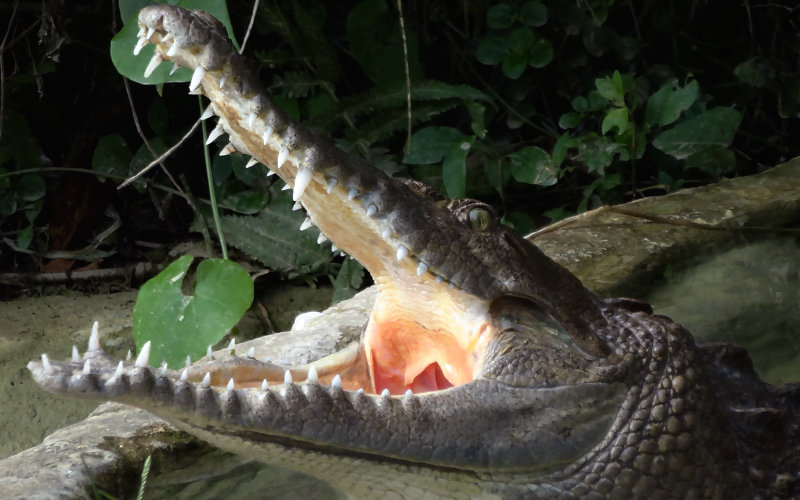
The short answer, to put minds at ease, is generally no – you will not find native wild crocodiles roaming the rivers and lakes of California. This is a common misconception, often conflating crocodiles with their slightly different cousins, alligators, and assuming all parts of the United States share the same reptilian inhabitants. However, diving deeper into this query offers a fascinating look at zoogeography, responsible wildlife interaction, and the unique natural wonders that California truly has to offer. For anyone interested in nature, conservation, and planning a truly unforgettable experience, understanding where these formidable reptiles truly thrive is an essential piece of knowledge.
Dispelling the Myth: Crocodiles vs. Alligators in North America
To understand why crocodiles are not native to California, it’s essential to first differentiate between crocodiles and alligators, and then to examine their natural ranges. These two groups of large reptiles, collectively known as crocodilians, belong to the order Crocodilia, but they have distinct physical characteristics and geographical distributions that dictate where they can naturally be found.
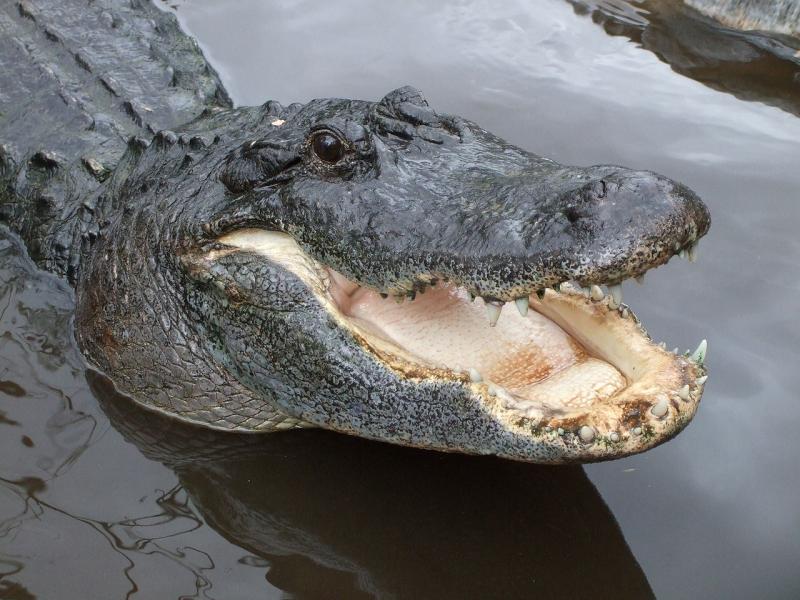
Alligators typically have wider, U-shaped snouts, and their upper teeth overlap their lower teeth when their mouths are closed. Crocodiles, on the other hand, possess more pointed, V-shaped snouts, and a prominent fourth tooth on their lower jaw is visible even when their mouth is shut. Beyond these morphological differences, their preferred habitats also differ significantly, largely due to their differing tolerances for salinity. Alligators generally prefer freshwater environments, while many crocodile species are more tolerant of saltwater and brackish water, making coastal and estuarine habitats their prime territory.
The American Alligator’s True Home
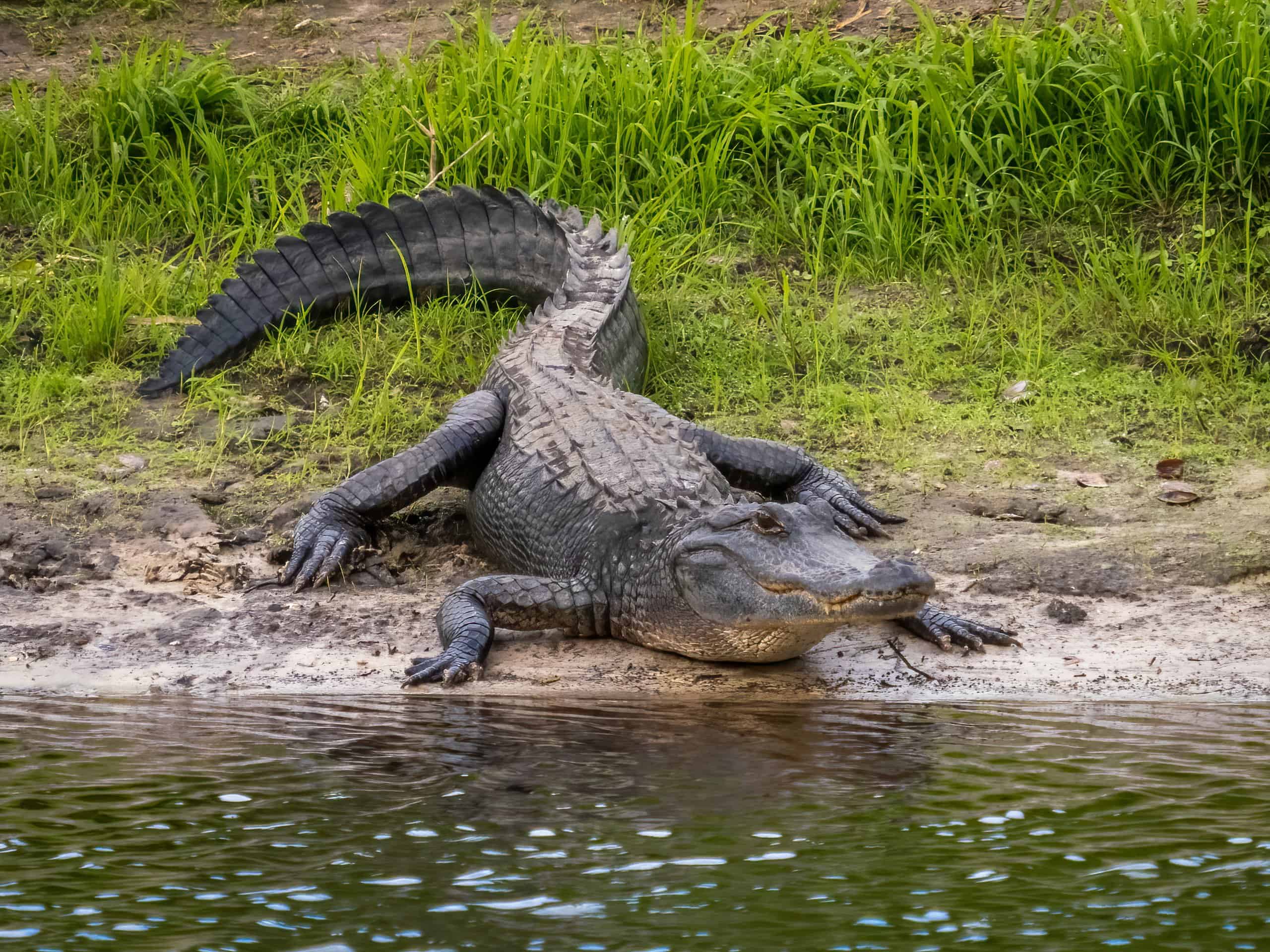
The American Alligator (Alligator mississippiensis) is a quintessential symbol of the American South. Its natural range extends throughout the southeastern United States, from the coastal plains of North Carolina down through Florida and west to Texas, including states like Louisiana, Georgia, Alabama, Mississippi, South Carolina, Arkansas, and even parts of Oklahoma and Virginia. These formidable reptiles thrive in freshwater swamps, marshes, rivers, lakes, and even golf course ponds. Their presence is a major draw for tourism in these regions, with airboat tours and wildlife viewing safaris being popular activities in places like Everglades National Park in Florida or the bayous of Louisiana near New Orleans.
The warm, humid climate and abundant freshwater ecosystems of the southeastern United States provide the ideal conditions for alligators to flourish. These are starkly different from the predominantly arid and Mediterranean climates of much of California. While California does have extensive river systems and wetlands, particularly in the Central Valley, the prevailing temperatures and historical migratory patterns simply did not favor the establishment of alligator populations in the American West. Therefore, any notion of encountering a wild American Alligator during a stay at a resort near Lake Tahoe or while exploring the beaches of San Diego is entirely unfounded.
The Rare American Crocodile
The only species of crocodile native to the United States is the American Crocodile (Crocodylus acutus), and its range is extremely limited within the country. These shy, reclusive reptiles are primarily found in brackish and saltwater habitats in south Florida, particularly in coastal areas such as Everglades National Park, Biscayne National Park, and the Florida Keys, stretching down to Key Largo and the Crocodile Lake National Wildlife Refuge. Their presence is a testament to Florida’s unique subtropical climate, which also supports a rich variety of other unique wildlife.
Beyond the United States, the American Crocodile’s range extends through Mexico, Central America, South America, and various islands in the Caribbean, including Cuba, Jamaica, Haiti, and the Dominican Republic. These regions offer the warm temperatures and coastal ecosystems that are vital for their survival. The vast geographical distance, coupled with significant ecological barriers like the expansive arid lands of the American Southwest and distinct climatic zones, make it impossible for the American Crocodile to naturally establish a population in California. Therefore, when exploring California’s many landmarks, from the Golden Gate Bridge to the ancient groves of Sequoia National Park, your wildlife encounters will be of a very different, and equally captivating, kind.
California’s Diverse Ecosystems and Native Reptiles
While crocodilians are conspicuously absent from California’s native fauna, the state is by no means lacking in fascinating reptiles and a rich tapestry of natural beauty. California boasts an incredible diversity of ecosystems, ranging from the scorching deserts to towering mountain ranges, lush forests, and the expansive Pacific Ocean coastline. This ecological variety makes it a premier destination for nature enthusiasts and a vibrant canvas for different lifestyles, whether you’re seeking luxury accommodations with ocean views or an adventurous budget camping trip in the wilderness.
From Deserts to Coasts: A Haven for Unique Species
California’s geography is its greatest asset when it comes to biodiversity. The state encompasses distinct biomes, each supporting its own specialized flora and fauna.
In the southeastern part of the state, the Mojave Desert and the Sonoran Desert (which extends into Anza-Borrego Desert State Park and Joshua Tree National Park) are home to a remarkable array of desert reptiles. These include various species of lizards, such as the colorful Chuckwalla, and several types of snakes, most notably the Western Rattlesnake. The critically endangered Desert Tortoise, a beloved symbol of the desert, also makes its home here. These creatures are adapted to extreme heat and arid conditions, a stark contrast to the wetlands favored by crocodilians.
Moving west, the vast Central Valley and its surrounding foothills provide habitats for snakes like the non-venomous Gopher Snake and the visually striking California Kingsnake. The coastal regions, with their milder climates and riparian zones, also support various amphibian and reptilian life. Even in urbanized areas like Los Angeles or San Francisco, small lizards and harmless snakes can occasionally be spotted, reminding us of the wild beauty interwoven with city life. For travelers staying in a boutique hotel in Palo Alto or a luxury suite in Hollywood, a day trip to a nearby state park or preserve offers a chance to connect with these native species.
Encountering California’s True Wildlife
Experiencing California’s native wildlife is a highlight for many visitors. Rather than focusing on non-existent crocodiles, adventurers can immerse themselves in the genuine wonders of the state. Yosemite National Park, Sequoia National Park, Kings Canyon National Park, and Redwood National Park offer unparalleled opportunities for observing deer, black bears, a multitude of bird species, and smaller reptiles and amphibians in their natural habitats. Along the coast, marine wildlife viewing is a popular attraction, with whales, dolphins, sea lions, and otters frequently spotted from coastal trails or during boat excursions. The Channel Islands, particularly Santa Cruz Island, are famous for their unique endemic species.
For those interested in a more curated wildlife experience, California is home to world-class zoos and aquariums that showcase both native and exotic species. The San Diego Zoo Safari Park, The Living Desert Zoo and Gardens in Palm Desert, and the Oakland Zoo provide educational opportunities to learn about conservation efforts and see a wide array of animals, sometimes including crocodilians that are part of international breeding programs. Similarly, the Aquarium of the Pacific in Long Beach and the Monterey Bay Aquarium offer incredible insights into marine ecosystems, celebrating the life found beneath the waves of the Pacific Ocean.
The Lure of the Wild: Responsible Wildlife Tourism in California
When planning a trip to California, embracing the state’s natural beauty and incredible biodiversity is a key part of the experience. For many, the desire to connect with nature and observe wildlife in its natural habitat is a primary motivator for travel. Whether you’re on a family trip seeking educational experiences, a solo adventure exploring remote trails, or a luxury escape focusing on eco-tourism, responsible interaction with wildlife is paramount.
Planning Your Nature-Focused Californian Adventure
California’s diverse landscapes mean there’s an adventure for every taste. If your interest lies in reptiles, a visit to the desert parks in spring or fall, when temperatures are milder, increases your chances of spotting lizards and snakes. Guided tours are often available and provide invaluable insights into the local ecosystem and safe viewing practices. For birdwatchers, the wetlands and coastal areas offer spectacular opportunities, especially during migratory seasons. Mountain enthusiasts can trek through ancient forests, keeping an eye out for larger mammals and unique flora.
When considering accommodation, many options cater to nature lovers. Resorts and cabins near national parks like Yosemite or Joshua Tree provide convenient access to trails and wildlife. For a more luxurious experience, many high-end hotels like a Grand Hyatt or Ritz-Carlton in coastal cities offer guided excursions or have conservation programs, allowing guests to combine comfort with eco-conscious exploration. Booking an apartment or villa for a longer stay can provide a base for deeper exploration of a specific region, enabling multiple day trips to various natural attractions. Always check reviews and compare amenities to find the perfect blend of comfort and access to nature.
Safety and Conservation: Protecting California’s Natural Treasures
For those exploring California’s natural environments, general wildlife safety tips are always relevant. While you won’t need to worry about crocodiles, understanding how to interact safely with rattlesnakes, mountain lions, or bears is important, particularly in more remote areas. Always maintain a safe distance from all wild animals, never feed them, and store food properly to avoid attracting unwanted attention. Staying on marked trails and being aware of your surroundings are simple yet effective measures to ensure a safe and enjoyable experience. Information and guides from park rangers and local tourism boards are invaluable resources.
Furthermore, being a responsible tourist extends to respecting and supporting conservation efforts. California is at the forefront of protecting its unique ecosystems and endangered species. Contributing to local conservation organizations, adhering to “Leave No Trace” principles, and choosing eco-friendly accommodations all play a role in preserving the state’s natural beauty for future generations. Embracing the diverse and often fragile ecosystems of California means appreciating its real wildlife, not chasing myths about creatures that do not belong here.
Where to See Crocodilians (Legally and Safely)
While California is not the place to spot wild crocodiles, your fascination with these ancient reptiles doesn’t have to go unfulfilled. For those eager to observe crocodilians up close, there are specific destinations and facilities both within the United States and globally that offer safe, ethical, and often educational viewing experiences.
Zoos and Sanctuaries: A Global Perspective
Within California, many renowned zoological parks provide opportunities to see various crocodilian species. Facilities like the world-famous San Diego Zoo, San Diego Zoo Safari Park, and the Oakland Zoo often house American Alligators, Nile Crocodiles, or other species as part of their educational exhibits and conservation programs. These institutions are dedicated to wildlife preservation, research, and public education, offering visitors a chance to learn about these animals’ biology, behavior, and the threats they face in the wild. Visiting these zoos supports their vital work and provides a safe environment for observation, making them excellent attractions for family trips or an insightful day out.
Globally, the opportunity to see crocodilians expands dramatically. From the huge Saltwater Crocodiles of Australia to the various Caiman species in the Amazon River basin of South America and the Pantanales, dedicated wildlife tours and nature reserves offer incredible experiences. Many luxury travel operators specialize in eco-safaris that feature crocodilian viewing, particularly in Africa and Asia. These trips often involve staying in high-end resorts or specialized eco-lodges, blending adventure with comfort, and ensuring a memorable lifestyle experience.
Beyond California: Crocodilian Hotspots
If seeing wild crocodilians is on your bucket list, you’ll need to venture outside of California. The most accessible location within the United States is Florida. Everglades National Park is world-renowned for its dense populations of American Alligators and is one of the few places where you can potentially spot the elusive American Crocodile in the wild. Airboat tours, guided swamp walks, and designated viewing platforms offer excellent opportunities to observe these reptiles in their natural habitat. Gatorland in Orlando is another popular attraction specifically dedicated to alligators and crocodiles, providing entertainment and educational exhibits.
For a broader international experience, Costa Rica, Belize, and Panama in Central America are excellent destinations where you can find American Crocodiles and Caiman in their diverse ecosystems. Many tours, often involving river cruises or visits to national parks, specialize in wildlife viewing, with crocodilians frequently among the highlights. These regions also boast stunning natural landmarks and rich local cultures, making them ideal for immersive travel experiences. When planning such a trip, always research reputable tour operators and accommodations that prioritize animal welfare and sustainable tourism practices. From luxury eco-lodges to charming boutique hotels, options abound to fit any budget or lifestyle while exploring the natural wonders of the world, far removed from the golden state of California.
In conclusion, while the idea of crocodiles in California might add a thrilling, albeit fictional, element to your travel plans, the reality is far more serene and equally fascinating. California offers an unparalleled array of natural attractions and unique wildlife that promises unforgettable experiences for every traveler, without the need to worry about encountering a wild crocodilian around the next bend. Focusing on its genuine ecological treasures provides a much richer and more accurate perspective on this magnificent state, inviting adventurers to explore its deserts, mountains, and coastlines with confidence and wonder.