
The vast, diverse landscape of Texas offers a captivating array of natural wonders, from arid deserts to pine forests, and stunning coastlines to bustling cities. For travelers seeking adventure and unique experiences, the wildlife of the Lone Star State is a significant draw. Among the many fascinating creatures that call Texas home, crocodilians often spark curiosity and, sometimes, a touch of apprehension. The question “Are there crocodiles in Texas?” frequently arises, and the answer, while nuanced, points to an equally impressive, if distinct, reptilian resident: the American Alligator.
While true saltwater crocodiles are not native to Texas or indeed most of the United States (with the exception of a small population of American Crocodiles in southern Florida), the American Alligator thrives in the state’s eastern and coastal regions. These magnificent reptiles are a cornerstone of the Texan ecosystem, playing a vital role in maintaining the health of freshwater and brackish habitats. Understanding their presence, their habitats, and how to safely experience them is key to a memorable and respectful wildlife tourism adventure in Texas.
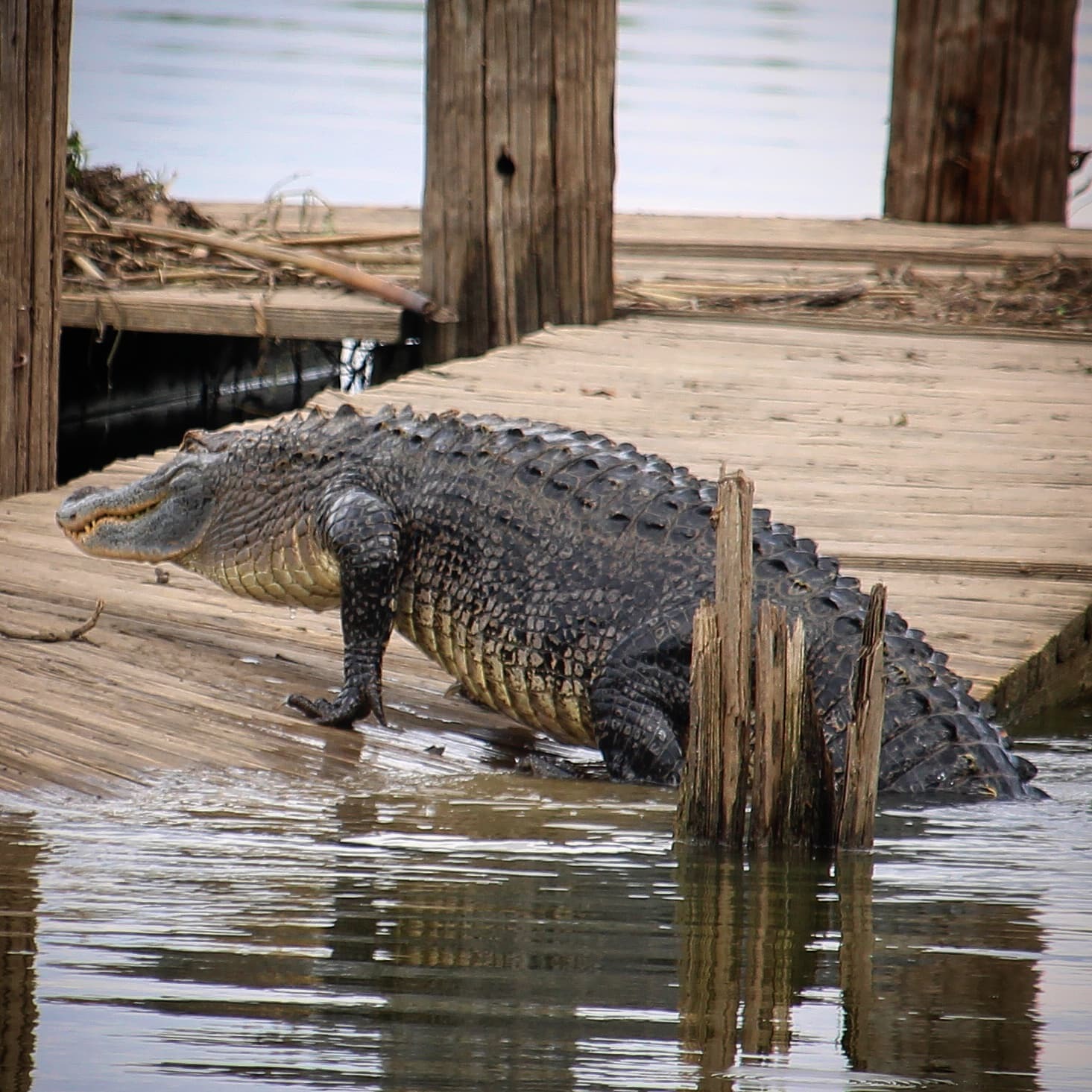
This comprehensive guide will delve into the world of Texan crocodilians, offering insights for travelers, nature enthusiasts, and anyone planning a trip to this incredible state. We’ll explore where to find them, how to interact responsibly, and what other natural and cultural attractions can enrich your visit, all while considering the best travel and accommodation options available.
The Truth About Crocodilians in Texas: Alligators, Not Crocodiles
When people ask about “crocodiles” in Texas, they are almost always referring to the state’s abundant population of American Alligators. While both alligators and crocodiles belong to the order Crocodilia, they possess distinct characteristics that differentiate them.
Distinguishing Alligators from Crocodiles
The most noticeable difference between an alligator and a crocodile lies in their snouts and teeth. American Alligators typically have broad, U-shaped snouts, and when their mouths are closed, only the upper teeth are visible. Crocodiles, on the other hand, usually have narrower, V-shaped snouts, and both their upper and lower teeth are visible, with the fourth tooth on the lower jaw protruding prominently.
Furthermore, alligators prefer freshwater environments, though they can tolerate brackish water. Crocodiles, particularly saltwater crocodiles (not found in Texas), are more tolerant of saltwater and are often found in coastal estuaries, mangrove swamps, and even open ocean. The American Alligator is widespread across the southeastern United States, from Florida west to Texas and as far north as North Carolina and Arkansas. Their population in Texas has made a remarkable comeback since being near extinction in the mid-20th century, a testament to successful conservation efforts. Today, it’s estimated that there are hundreds of thousands of alligators across the state, primarily concentrated in the eastern half.
These powerful reptiles are apex predators, playing a crucial role in balancing the ecosystem by preying on sick or weak animals. They are generally shy and reclusive, avoiding human contact unless provoked or habituated to feeding, which is why observing them responsibly is paramount for any traveler.
Where to Spot Alligators in Texas: Prime Wildlife Destinations
For travelers eager to witness these ancient reptiles in their natural habitat, Texas offers several prime destinations, predominantly in its wetland-rich East Texas and Gulf Coast regions. These areas provide the perfect blend of freshwater marshes, swamps, rivers, and bayous that alligators call home.
Coastal Wetlands and Bayous
The Texas Gulf Coast is a sprawling expanse of wetlands, estuaries, and barrier islands, forming a critical habitat for a vast array of wildlife, including alligators. Destinations like Anahuac National Wildlife Refuge near Houston and the J.D. Murphree Wildlife Management Area near Port Arthur are renowned for their robust alligator populations. Here, visitors can often see alligators sunning themselves on riverbanks or cruising silently through the water. Boardwalks and observation decks provide safe viewing opportunities, allowing travelers to capture stunning photographs without disturbing the animals.
Further south, near Corpus Christi, the Laguna Atascosa National Wildlife Refuge offers a unique glimpse into coastal ecosystems where alligators coexist with other rare species. While alligators might be less numerous here compared to the upper Texas Gulf Coast, the overall biodiversity makes it a worthwhile destination for serious nature lovers.
State Parks and Wildlife Refuges
Beyond the immediate coast, several state parks and inland refuges provide excellent alligator viewing opportunities, often with well-maintained facilities and interpretive programs.
- Brazos Bend State Park: Located just southwest of Houston, Brazos Bend State Park is arguably the most famous and accessible spot to see wild alligators in Texas. With numerous lakes and trails, it’s common to encounter alligators lounging near the water’s edge or swimming gracefully. The park offers extensive boardwalks and viewing platforms, ensuring a safe distance between visitors and wildlife. It’s a fantastic destination for families and photographers, offering a blend of easy accessibility and abundant wildlife.
- Big Thicket National Preserve: In East Texas, this unique preserve protects a mosaic of ecosystems, from pinewoods to cypress-lined bayous. Alligators are residents of the preserve’s watery habitats. Travelers can explore by canoe, kayak, or on foot along designated trails, with a good chance of spotting alligators, especially in the calmer waters of creeks and sloughs.
- Sea Rim State Park: Situated near Sabine Pass, this park offers both marsh and beach environments. Alligators are commonly found in the marsh areas, which can be explored via a boardwalk or canoe trail. It’s a prime example of the coastal marsh ecosystem that supports these reptiles.
When visiting these natural landmarks, remember that their primary purpose is conservation. Adhering to park rules, respecting wildlife, and leaving no trace are crucial for preserving these habitats for future generations of both alligators and visitors.
Planning Your Texas Wildlife Adventure: Travel, Accommodation, and Experiences
Embarking on a wildlife-focused trip to Texas requires thoughtful planning, integrating travel logistics, comfortable accommodation, and engaging activities. The state’s vastness means that choosing your base wisely can significantly enhance your experience.
Accommodation Options Near Wildlife Hubs
Proximity to key alligator habitats is essential for maximizing your viewing opportunities. Cities like Houston, Galveston, Beaumont, and Port Arthur serve as excellent gateways to the Texas Gulf Coast and East Texas wetlands.
- Hotels and Resorts: For a comfortable stay, major cities offer a wide range of hotels, from luxury resorts to budget-friendly options. In Houston, you’ll find everything from the upscale Hyatt Regency to family-friendly options like Embassy Suites or Hilton Garden Inn. Near Beaumont or Port Arthur, popular chains like Marriott Courtyard and Holiday Inn Express provide convenient bases. Always check reviews on platforms like Booking.com or TripAdvisor to ensure the accommodation meets your needs.
- Vacation Rentals: For longer stays, family trips, or those seeking a more local experience, vacation rentals via Airbnb or VRBO can be an excellent choice. You can find charming cottages, beachfront homes in Galveston, or even secluded cabins closer to nature preserves, offering amenities like full kitchens and more space.
- Camping: For the adventurous and budget-conscious traveler, camping within state parks like Brazos Bend State Park or Sea Rim State Park offers an immersive nature experience. Many parks provide primitive campsites, RV hookups, and sometimes even cabins, allowing you to wake up just steps away from prime wildlife viewing.

Booking in advance, especially during peak travel seasons, is highly recommended to secure your preferred accommodation and ensure a smooth trip.
Expert-Guided Tours and Activities
While self-guided exploration is possible, joining a guided tour can significantly enhance your alligator-spotting success and provide valuable insights into the local ecosystem.
- Airboat Tours: In marshy areas near Houston and Galveston, airboat tours offer an exhilarating way to navigate shallow waters and get up close (but still safely distanced) to alligators and other wildlife. Local operators often have extensive knowledge of alligator habits and prime viewing spots.
- Kayaking and Canoeing: For a more serene and intimate experience, renting a kayak or canoe in places like Big Thicket National Preserve or specific state parks allows you to paddle quietly through alligator habitats. Always follow park guidelines and maintain a respectful distance.
- Ranger-Led Programs: Many state parks and national wildlife refuges offer ranger-led interpretive programs, guided walks, or even night safaris. These are not only educational but also provide an opportunity to learn about alligator behavior and conservation efforts from experts.
When choosing a tour, opt for operators with strong safety records and a commitment to ethical wildlife viewing practices.
Essential Safety Guidelines for Alligator Encounters
While alligator attacks on humans are rare, they can occur, particularly if the animals are provoked, fed, or habituated to humans. Following these safety guidelines is crucial:
- Never Feed Alligators: This is the most critical rule. Feeding alligators makes them lose their natural fear of humans and associate people with food, leading to dangerous encounters. It is also illegal in Texas.
- Maintain a Safe Distance: Keep at least 30-50 feet (10-15 meters) away from alligators. Use binoculars or a telephoto lens for close-up views.
- Be Aware of Your Surroundings: Alligators are masters of camouflage. Watch for signs of their presence, such as tracks, slides, or tail drags. Be especially cautious near water bodies, particularly at dawn and dusk when alligators are most active.
- Keep Pets on a Leash: Dogs resemble alligators’ natural prey. Keep your pets away from the water’s edge and on a leash at all times.
- Supervise Children Closely: Small children are particularly vulnerable. Ensure they do not wander near water unsupervised.
- Swim Only in Designated Areas: Avoid swimming or wading in waters known to have alligators, especially in murky or vegetated areas.
- Do Not Harass or Provoke: Never try to catch, corner, or otherwise harass an alligator. This is dangerous and illegal.
- Report Dangerous Alligators: If you encounter an alligator that appears aggressive or is approaching people, report it to park staff or the Texas Parks and Wildlife Department.
By adhering to these rules, you can enjoy a safe and enriching wildlife experience while respecting these magnificent creatures.
Beyond Alligators: Exploring Texas’s Diverse Natural and Cultural Wonders
While alligator viewing can be a thrilling component of your Texas adventure, the state offers an incredible array of other attractions that cater to every type of traveler, from luxury seekers to budget-conscious families.
Iconic Landmarks and City Experiences
Texas’s major cities are vibrant hubs of culture, history, and entertainment.
- Houston: Beyond its proximity to alligator habitats, Houston boasts the Space Center Houston, a world-class museum district, and diverse culinary scene. It’s a great base for combining urban exploration with nature trips.
- San Antonio: Famous for the historic Alamo and the picturesque Riverwalk, San Antonio offers a rich blend of Spanish colonial history and vibrant Texan culture.
- Dallas and Fort Worth: These twin cities showcase modern sophistication and authentic cowboy heritage, respectively. Explore museums, enjoy world-class shopping, or experience a cattle drive in the Fort Worth Stockyards.
- Austin: The state capital is renowned for its live music scene, delicious food trucks, and a relaxed, quirky atmosphere. It’s also near beautiful Hill Country landscapes.
Natural Beauty and Outdoor Activities
Texas is a paradise for outdoor enthusiasts, offering much more than just alligator spotting.
- Big Bend National Park: In West Texas, this remote national park offers breathtaking desert landscapes, mountain ranges, and the majestic Rio Grande. It’s a prime destination for hiking, stargazing, and exploring dramatic canyons.
- Guadalupe Mountains National Park: Home to the four highest peaks in Texas, this park is a hiker’s dream, featuring stunning canyons, dense forests, and diverse wildlife, though no alligators here.
- South Padre Island: For beach lovers, South Padre Island offers pristine sandy shores, warm Gulf of Mexico waters, and opportunities for birdwatching, fishing, and watersports.
Lifestyle and Experiences
Whether you’re planning a luxurious getaway, a family adventure, or a budget-friendly road trip, Texas caters to all lifestyles.
- Luxury Travel: Indulge in upscale resorts in major cities, fine dining experiences, or private ranch stays that offer exclusive outdoor activities.
- Family Trips: From theme parks like Six Flags Over Texas to interactive museums and wildlife centers, Texas provides endless entertainment for all ages. Alligator viewing, when done safely, can be an exciting educational experience for kids.
- Budget Travel: Explore free state parks (with a small entrance fee), enjoy delicious and affordable Tex-Mex cuisine, and take advantage of camping options or economical hotels to keep costs down.
The diversity of Texas ensures that every traveler can craft a unique itinerary, combining the thrill of wildlife encounters with cultural immersion and relaxation.

Conclusion
So, are there crocodiles in Texas? Not in the way most people imagine, but there are indeed thriving populations of American Alligators, a truly remarkable species that adds to the rich tapestry of the state’s natural heritage. These powerful reptiles are an integral part of Texas’s wetlands and bayous, offering unique wildlife viewing opportunities for respectful and prepared travelers.
From the expansive marshes of the Gulf Coast to the serene lakes of Brazos Bend State Park, encountering an alligator in its natural habitat is an unforgettable experience. By understanding their behavior, adhering to safety guidelines, and planning your trip thoughtfully with appropriate accommodation and activities, you can enjoy a safe, educational, and thrilling wildlife adventure. Beyond alligator spotting, Texas invites you to explore its bustling cities, historic landmarks, breathtaking national parks, and vibrant cultural scenes, ensuring a travel experience as grand and diverse as the Lone Star State itself. Embark on your Texan journey and discover the wild beauty that awaits!