
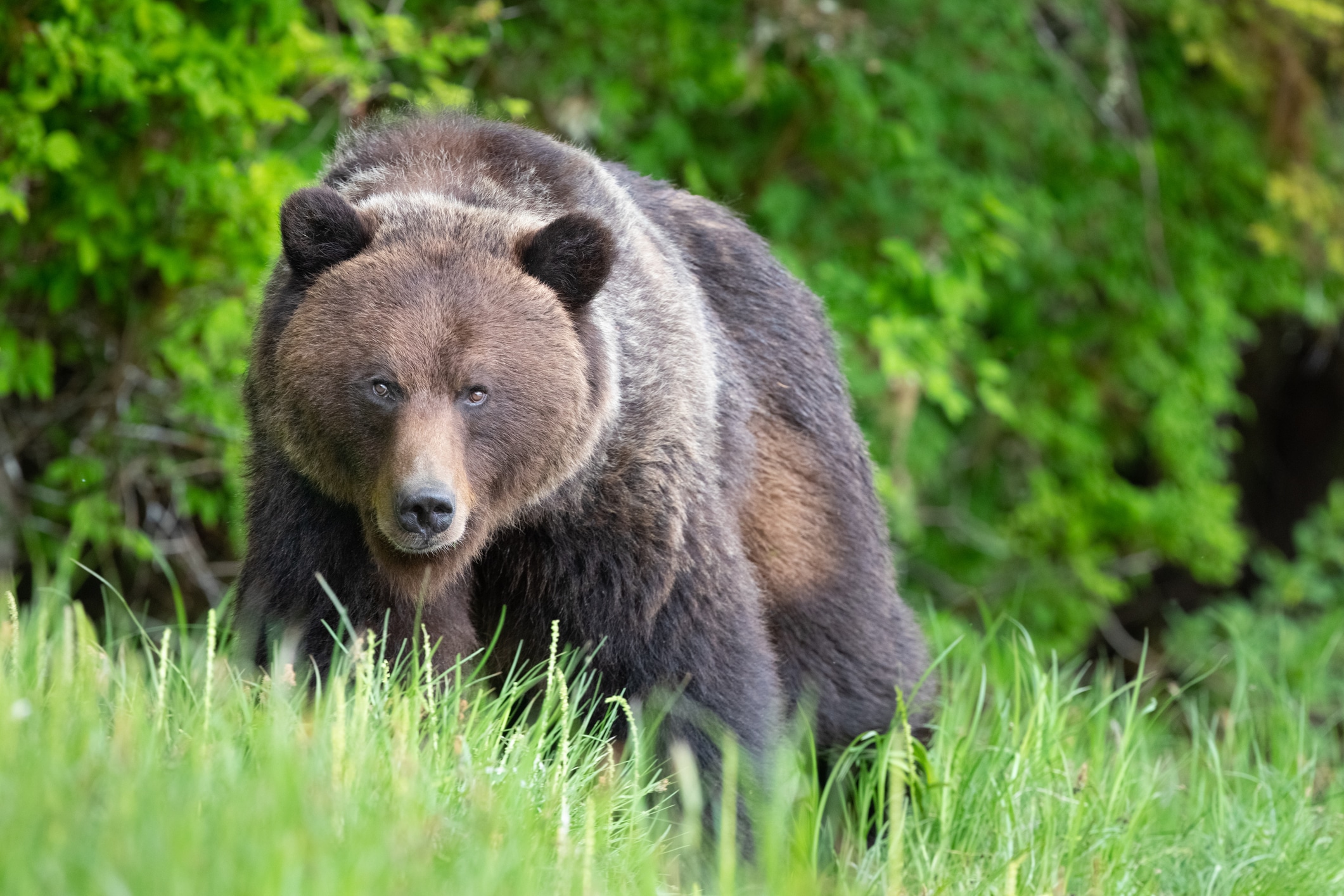
The majestic and often formidable grizzly bear (Ursus arctos horribilis) is a creature synonymous with the wild, untamed landscapes of the North American West. For many adventurers and wildlife enthusiasts planning a trip to the Rocky Mountains, the question of encountering these iconic apex predators often arises. Specifically, for those with Colorado on their travel itinerary, a key query is: “Are there grizzly bears in Colorado?” The definitive answer, steeped in history and conservation efforts, is no, not anymore. While Colorado was once a significant part of the grizzly bear’s natural habitat, these magnificent animals are no longer found within the state’s borders.
This doesn’t mean Colorado’s wilderness is devoid of bears. Far from it! The state is home to a thriving population of black bears, a species often mistaken for grizzlies due to variations in color and size. For visitors eager to explore the unparalleled beauty of Colorado’s destinations, understanding the history of grizzlies, the current bear population, and essential bear safety is crucial for a memorable and responsible experience. From towering peaks to vibrant cities like Denver and charming mountain towns such as Aspen and Telluride, Colorado offers an abundance of attractions and experiences, all to be enjoyed with respect for its diverse wildlife.
A Historical Look: The Grizzly’s Retreat from Colorado
The story of the grizzly bear in Colorado is a poignant tale of a once-thriving population pushed to extinction within the state. Early pioneers and naturalists documented the grizzly’s formidable presence across much of the western United States, and Colorado’s rugged terrain, dense forests, and abundant food sources made it an ideal habitat.
The Era of Abundance and Early Encounters
Centuries ago, before widespread human settlement, grizzly bears roamed freely throughout the Rocky Mountains of Colorado. Their range extended from the high alpine tundra down into the montane forests and even riparian zones. These powerful omnivores played a vital role in the ecosystem, influencing vegetation patterns and serving as a key predator. Early trappers, explorers, and settlers frequently encountered grizzlies, often describing them as fearsome and dominant figures of the wilderness. Historical accounts from the 18th and 19th centuries speak of grizzly populations in the hundreds, possibly even thousands, across the Colorado landscape. These bears were not just symbols of the wild; they were integral to the very fabric of Colorado’s natural heritage, drawing adventurers and naturalists to the challenging yet rewarding environment.
The Decline and the Last Sighting
The story took a grim turn with the arrival of European settlers and the rapid expansion of mining, ranching, and agriculture in the 19th and early 20th centuries. Grizzlies were perceived as a direct threat to livestock and human safety, leading to aggressive hunting and trapping campaigns. Habitat destruction and fragmentation further exacerbated their decline. By the mid-20th century, the grizzly population in Colorado had dwindled to near extinction.
The official “last sighting” of a grizzly bear in Colorado is a legendary, yet tragic, event that occurred in 1979. A female grizzly bear was encountered by a bow hunter named Ed Wiseman in the San Juan Mountains near South Fork. In a tense encounter, the bear charged, and Wiseman, acting in self-defense, ultimately killed it. Subsequent investigations confirmed it was indeed a grizzly, and further searches for other individuals proved fruitless. This event solidified the grim reality: Colorado’s grizzlies were gone. This incident remains a potent reminder of the impact of human expansion on wildlife populations and serves as a historical marker for those studying Colorado’s natural history.
Why They Disappeared: Habitat Loss and Human Conflict
The primary drivers behind the grizzly bear’s extirpation from Colorado were multifaceted:
- Habitat Loss and Fragmentation: As human settlements expanded, forests were cleared, and wilderness areas were developed for ranching, mining, and timber. This destroyed crucial grizzly habitat and broke up existing populations, isolating them and making them more vulnerable.
- Intense Hunting and Eradication Efforts: Grizzlies were aggressively hunted, often with bounties placed on their heads, throughout the 19th and early 20th centuries. They were seen as pests or dangerous predators that needed to be eliminated to protect human interests and livestock.
- Lack of Protected Areas (Historically): While national parks and wilderness areas now exist, they were established too late or were initially too small to protect the last remaining grizzly populations effectively in Colorado.
Today, grizzly bear populations in the United States are largely concentrated in states like Montana, Wyoming, and Idaho, particularly around large, interconnected wilderness areas like Yellowstone National Park and Glacier National Park. The absence of grizzlies in Colorado underscores the importance of ongoing conservation efforts for all species and highlights the responsibility of travelers to respect and protect remaining wildlife.
The Current Landscape: Colorado’s Black Bear Population
While grizzlies are no longer a part of Colorado’s modern ecosystem, black bears (Ursus americanus) are abundant and thrive across the state’s diverse landscapes. For visitors, understanding and appreciating these native bears is key to a safe and enriching travel experience. They are an integral part of Colorado’s natural charm and contribute significantly to the tourism appeal of its wild areas.
Distinguishing Between Black Bears and Grizzlies
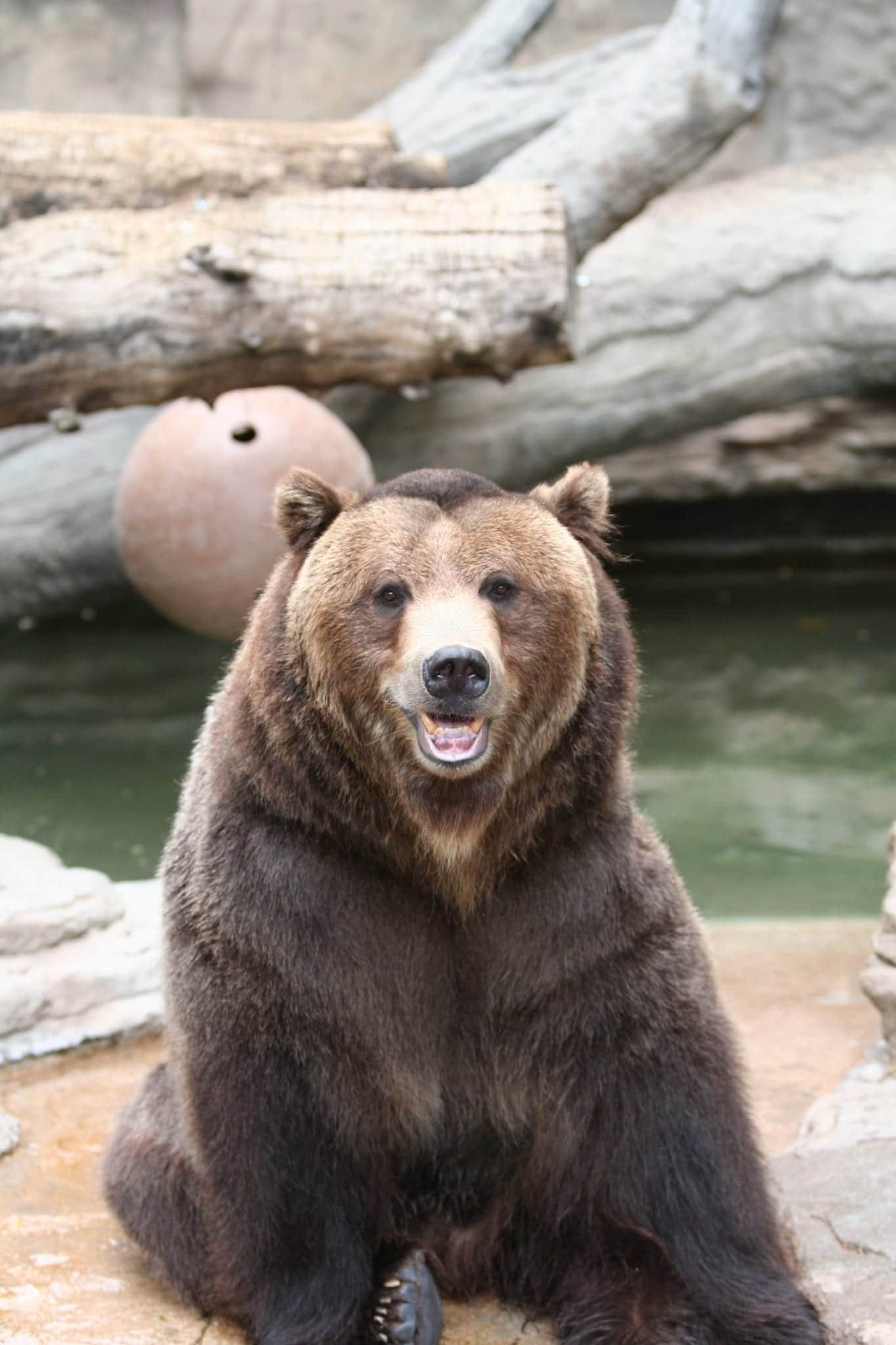
It’s a common misconception that black bears are always black. In Colorado, black bears can range in color from blonde to cinnamon, brown, and, of course, black. This color variation often leads to them being mistaken for grizzlies. However, there are several key physical characteristics that help differentiate them:
- Shoulder Hump: Grizzlies have a prominent shoulder hump of muscle, which black bears lack. This hump is especially visible when the bear is on all fours.
- Facial Profile: Grizzlies typically have a more dished or concave facial profile, whereas black bears have a straighter profile from their forehead to their nose.
- Claws: Grizzly claws are longer and straighter, adapted for digging. Black bear claws are shorter and more curved, better for climbing trees.
- Ears: Black bears generally have larger, more pointed ears compared to the smaller, rounder ears of a grizzly.
- Size: While a large black bear can be impressive, adult grizzlies are generally larger and heavier than black bears, though this can be misleading without a direct comparison.
Understanding these distinctions is not just for curiosity; it helps reinforce the fact that any bear you encounter in Colorado is a black bear, albeit one that still demands respect and caution.
Where to Find Black Bears in Colorado
Black bears are remarkably adaptable and can be found in nearly every habitat type in Colorado, from dense forests and subalpine zones to surprisingly close proximity to human development. They are particularly prevalent in areas offering abundant food sources, such as berries, nuts, and insects.
Popular areas where travelers might encounter black bears include:
- Rocky Mountain National Park: While relatively shy, bears inhabit the park’s forested regions.
- Pike National Forest and White River National Forest: These vast forested areas provide extensive habitat.
- Mountain Towns: Communities like Estes Park, Vail, Aspen, and Breckenridge that border wilderness areas frequently report bear sightings, especially when bears are attracted to human food sources.
- Colorado Springs: The city’s proximity to the mountains means bears occasionally wander into residential areas, particularly during dry years when natural food is scarce.
For tourists seeking to responsibly observe wildlife, these areas offer opportunities, but always from a safe distance and with appropriate precautions.
Bear Safety Essentials for Visitors
Responsible tourism in Colorado necessitates adhering to strict bear safety guidelines. Black bears are generally less aggressive than grizzlies, but they are still wild animals and can be dangerous, especially if habituated to human food or if cubs are present.
- Secure Food and Attractants: This is the most critical rule. Store all food, trash, and scented items (like toiletries) in bear-resistant containers or vehicles. Never leave food unattended. Use provided bear-resistant lockers in campgrounds.
- Keep a Clean Camp/Picnic Area: Clean up all food scraps and trash immediately. Do not burn food in fire pits.
- Hike Smart: Make noise while hiking to avoid surprising a bear. Hike in groups. Carry bear spray and know how to use it, especially in areas with dense vegetation.
- If You Encounter a Bear:
- Do not run. Running can trigger a chase response.
- Make yourself look large by waving your arms and making noise.
- Back away slowly.
- If a bear charges, stand your ground. Black bear charges are often bluff charges.
- Fight back if a black bear attacks you, particularly if it makes physical contact. Unlike grizzlies, where playing dead is sometimes advised, fighting back is generally recommended for black bear attacks.
- Keep Dogs on Leash: Uncontrolled dogs can provoke bears and lead them back to their owners.
- Never Feed Bears: This is detrimental to both bears and humans, leading to habituation and potential conflict. “A fed bear is a dead bear” is a common adage, as habituated bears often need to be euthanized for public safety.
By following these guidelines, travelers can minimize risks and help protect Colorado’s black bear population.
Exploring Colorado’s Wild Side: Beyond the Bears
Colorado’s allure extends far beyond its fascinating bear history. It’s a premier destination for nature lovers, adventure seekers, and those looking to immerse themselves in stunning landscapes and vibrant local cultures. The state truly embodies the spirit of travel and exploration, offering a diverse range of attractions and experiences.
Iconic National Parks and Wilderness Areas
Colorado boasts four magnificent national parks and numerous wilderness areas, each offering unique natural beauty and opportunities for adventure.
- Rocky Mountain National Park: A crown jewel of the United States National Park System, known for its towering peaks, alpine lakes, and abundant wildlife including elk, moose, and bighorn sheep. Trail Ridge Road offers breathtaking scenic drives, and towns like Estes Park serve as excellent base camps.
- Mesa Verde National Park: A UNESCO World Heritage Site, preserving the ancestral Puebloan cliff dwellings, offering a profound glimpse into ancient history and culture.
- Great Sand Dunes National Park and Preserve: Home to the tallest dunes in North America, this park offers unique activities like sandboarding and stargazing, set against the backdrop of the Sangre de Cristo Mountains.
- Black Canyon of the Gunnison National Park: Features dramatic, steep-walled canyons carved by the Gunnison River, offering unparalleled views and challenging hiking opportunities.
Beyond these parks, vast wilderness areas like the Holy Cross Wilderness and the Maroon Bells-Snowmass Wilderness provide solitude and pristine nature for backpacking, climbing, and truly getting off the beaten path. These landmarks are crucial to understanding the natural and historical fabric of the state.
Responsible Wildlife Viewing Tips
Encounters with wildlife are often highlights of a Colorado trip. To ensure these encounters are positive for both visitors and animals, adhere to these guidelines:
- Maintain Distance: Always keep a respectful and safe distance from all wildlife. Use binoculars or a telephoto lens for close-up views.
- Never Feed Animals: Feeding wildlife, even small critters, can alter their natural behaviors, make them dependent on humans, and ultimately put them at risk.
- Avoid Disturbing Animals: Do not pursue, crowd, or harass animals. This is especially true for mothers with young.
- Observe at Dawn and Dusk: Many animals are most active during these times.
- Stay on Marked Trails: This reduces disturbance to sensitive habitats.
By practicing responsible wildlife viewing, you contribute to the conservation of Colorado’s precious natural resources and ensure future generations can enjoy these experiences. This approach aligns perfectly with sustainable tourism practices.
Planning Your Trip to Colorado: Where to Stay and What to Do
Colorado is not just a destination; it’s an experience. The state caters to a wide array of travel lifestyles, from luxury seekers to budget adventurers, families, and business travelers. Planning your accommodation and activities is key to unlocking the best of what Colorado has to offer.
Premier Resorts and Rustic Retreats
Colorado’s hospitality sector is as diverse as its landscapes, offering everything from opulent resorts to cozy, rustic cabins, and convenient city hotels.
- Luxury Resorts: For those seeking an indulgent lifestyle experience, mountain towns boast world-class resorts. Imagine staying at the Grand Hyatt Vail, offering ski-in/ski-out access and exquisite amenities, or the secluded elegance of The Ritz-Carlton, Bachelor Gulch near Beaver Creek. In Aspen, Hotel Jerome, Auberge Resorts Collection provides a historic yet luxurious stay. For a grand experience near Colorado Springs, The Broadmoor is an iconic choice. In Denver, the Four Seasons Hotel Denver offers urban sophistication and comfort.
- Boutique Hotels and Charming Lodges: Many towns, such as Durango and Glenwood Springs, feature unique boutique hotels that reflect local culture and offer personalized service. Consider a stay in a cozy mountain lodge near Rocky Mountain National Park for an immersive natural experience.
- Vacation Rentals and Apartments: For families or longer stays, renting an apartment or villa in ski towns like Breckenridge or Winter Park provides space, privacy, and the comforts of home, ideal for budget travel or extended adventures.
- Camping and RV Parks: For the ultimate connection with nature, Colorado’s national forests and state parks offer abundant camping and RV options, ranging from primitive sites to full-service campgrounds. This is a fantastic way to experience Colorado’s landmarks up close.
Booking ahead, especially during peak seasons like winter ski season or summer hiking months, is highly recommended to secure your preferred accommodation and ensure a seamless trip.
Unforgettable Outdoor Activities
Colorado is an outdoor enthusiast’s paradise, offering a myriad of activities year-round.
- Hiking and Backpacking: Explore thousands of miles of trails, from gentle walks around alpine lakes to challenging ascents of “fourteeners” (peaks over 14,000 feet). Popular trails include those in Rocky Mountain National Park and leading to the iconic Maroon Bells near Aspen.
- Skiing and Snowboarding: Colorado is world-renowned for its ski resorts, including Vail, Breckenridge, Aspen Snowmass, and Steamboat Springs. These resorts offer diverse terrain for all skill levels, vibrant apres-ski scenes, and excellent amenities.
- Whitewater Rafting: The Arkansas River and Colorado River offer thrilling whitewater rafting experiences, ranging from family-friendly floats to exhilarating Class IV and V rapids.
- Mountain Biking: From cross-country trails to downhill parks, mountain biking is a booming sport in Colorado, with areas like Fruita and Moab (just across the border in Utah, but a popular extension) being prime destinations.
- Hot Springs: Relax and rejuvenate in natural hot springs found across the state, such as those in Glenwood Springs, Ouray, and Steamboat Springs.
- Scenic Drives and Train Journeys: Traverse the Continental Divide on Guanella Pass, or experience the old West charm with a ride on the Durango & Silverton Narrow Gauge Railroad. For a luxury travel experience, consider the Rocky Mountaineer train journey through the Rocky Mountains.
Immersing in Colorado’s Lifestyle
Beyond outdoor adventures, Colorado offers a rich tapestry of cultural and lifestyle experiences.
- Vibrant City Life: Denver, the capital, boasts a thriving arts scene, diverse culinary offerings, craft breweries, and attractions like the Denver Art Museum and Downtown Aquarium. Boulder offers a unique blend of outdoor access and urban sophistication.
- Local Culture and Food: Explore farmers’ markets, sample locally sourced cuisine, and discover the burgeoning craft beer and distillery scene. Many mountain towns also host vibrant festivals and events throughout the year.
- Historical and Cultural Landmarks: Visit Garden of the Gods near Colorado Springs, explore mining history in Leadville, or catch a concert at the iconic Red Rocks Amphitheatre.
- Wellness and Retreats: Colorado’s serene natural environment makes it a perfect destination for wellness retreats, yoga holidays, and spa experiences, promoting a healthy and balanced lifestyle.
In conclusion, while the question of grizzly bears in Colorado leads to a historical “no,” the state remains a magnificent wilderness full of life, adventure, and unparalleled beauty. Understanding its natural history, respecting its current wildlife (especially black bears), and planning your trip with awareness of its diverse offerings will ensure an unforgettable Colorado experience. Embark on your journey, explore the stunning landscapes, enjoy world-class amenities, and immerse yourself in the unique lifestyle that only Colorado can provide.
LifeOutOfTheBox is a participant in the Amazon Services LLC Associates Program, an affiliate advertising program designed to provide a means for sites to earn advertising fees by advertising and linking to Amazon.com. Amazon, the Amazon logo, AmazonSupply, and the AmazonSupply logo are trademarks of Amazon.com, Inc. or its affiliates. As an Amazon Associate we earn affiliate commissions from qualifying purchases.