
The gentle flicker of bioluminescent light dancing through the twilight air is a quintessential sign of summer evenings in many parts of the world. For those planning a trip to the Sunshine State, a common question arises: “Are there lightning bugs in Florida?” The answer is a resounding yes, and not only are they present, but Florida offers a unique and vibrant landscape where these enchanting creatures can be observed. Far from being a rare spectacle, lightning bugs, also known as fireflies, are a delightful part of Florida’s natural tapestry, contributing to its charm and offering magical experiences for travelers and locals alike.
Florida’s diverse ecosystems, from the lush forests and wetlands of the Panhandle to the sprawling suburban landscapes and coastal dunes, provide ample habitat for various species of lightning bugs. While the specific species and their prevalence can vary depending on the region and time of year, their presence is a consistent and welcome feature of Florida’s natural world. Understanding where and when to look, and what environmental factors contribute to their existence, can significantly enhance your chances of witnessing this captivating phenomenon. Whether you’re staying in a luxurious resort in Orlando or exploring the natural beauty of the Everglades National Park, the possibility of encountering lightning bugs adds an extra layer of magic to your Florida adventure.
The Science and Spectacle of Florida’s Fireflies
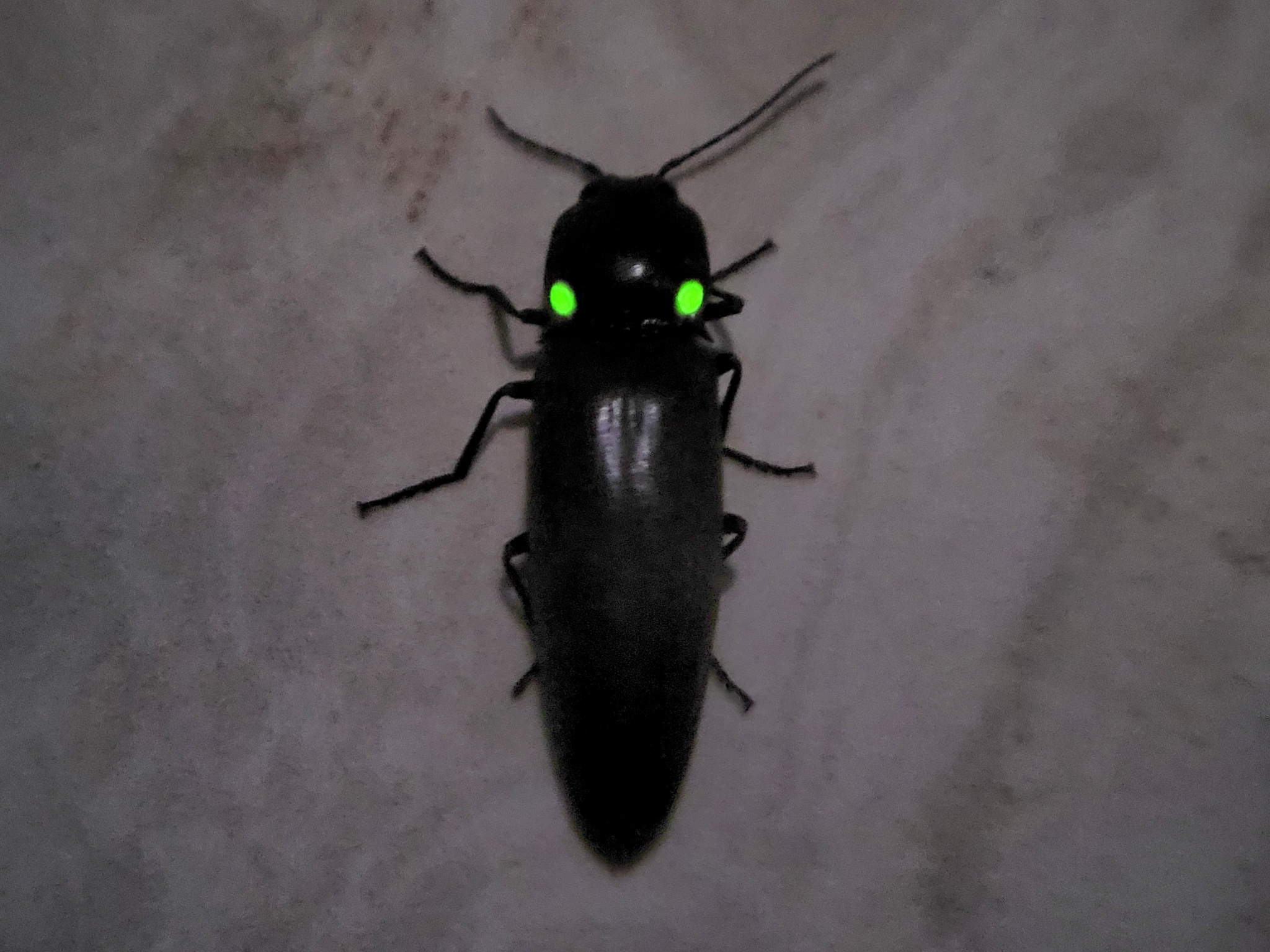
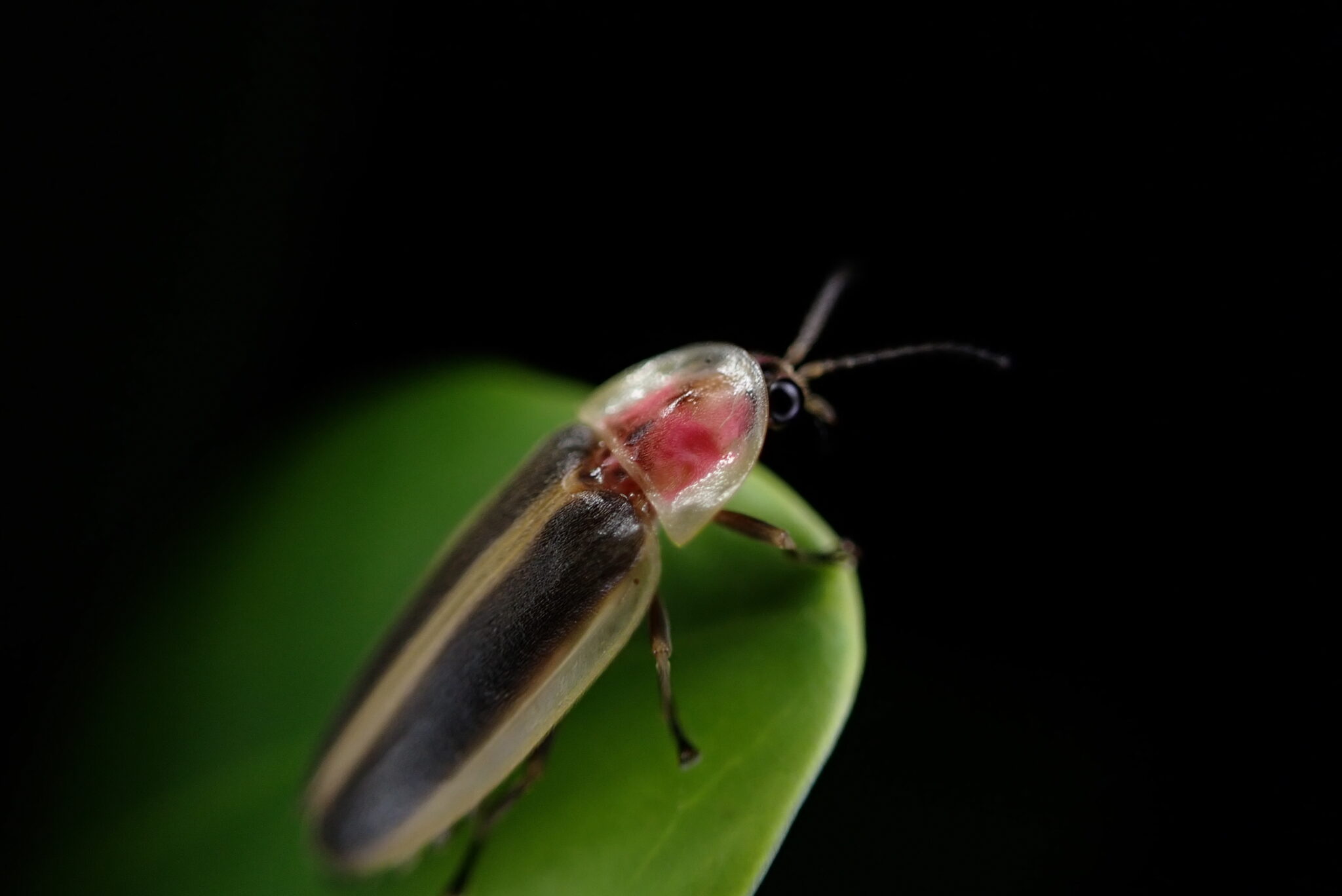
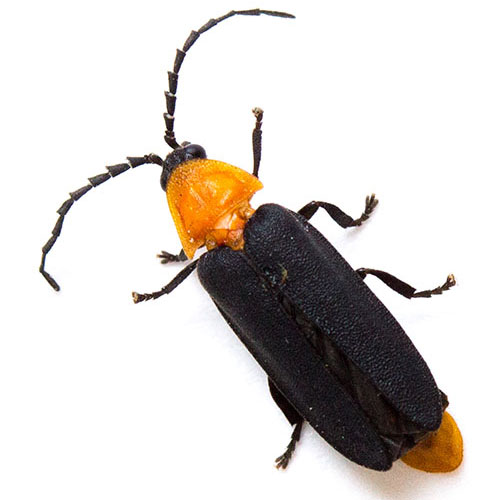
Lightning bugs are not actually flies but rather beetles belonging to the family Lampyridae. Their mesmerizing glow is the result of a chemical reaction called bioluminescence, where a substance called luciferin is oxidized by an enzyme called luciferase. This process produces light with very little heat, making it an “efficient” form of light production. In Florida, as in other regions, this bioluminescence serves crucial purposes for the fireflies, primarily in mating rituals. Different species have distinct flash patterns – some pulse, others glow continuously, and some even use specific colors. These patterns act as signals, allowing males and females of the same species to find each other in the darkening landscape.
The sheer variety of firefly species in Florida is impressive. While it’s difficult to pinpoint an exact number without extensive entomological surveys, it’s estimated that several dozen species call the state home. Each species has its own preferred habitat and activity patterns. For instance, some species are more prevalent in damp, grassy areas, while others favor wooded environments. This ecological diversity is a key reason why lightning bugs can be found across much of Florida, from the sandy shores of the Gulf Coast to the inland pine forests and cypress swamps. The warm, humid climate of Florida provides an ideal environment for these insects to thrive, especially during the warmer months.
Understanding Firefly Life Cycles and Seasons
The presence and visibility of lightning bugs in Florida are intricately linked to their life cycles and the seasonal changes. Generally, the peak season for observing fireflies in Florida occurs from late spring through summer, typically from April to August. However, this can fluctuate based on specific weather conditions, such as rainfall and temperature. Early rains can signal the emergence of fireflies, while prolonged dry spells might delay their appearance.
The life cycle of a lightning bug involves four distinct stages: egg, larva, pupa, and adult. The larval stage is particularly interesting, as many firefly larvae are also bioluminescent, though their glow is often fainter and may serve different purposes, such as deterring predators. The larvae are typically found in the soil, leaf litter, or decaying wood, where they feed on small invertebrates. It is the adult stage, however, that is most commonly associated with the dazzling light displays. Adult fireflies emerge from their pupal cases as temperatures rise and daylight hours lengthen, and it is during this period that they are most active and visible, particularly during the twilight hours and into the night.
Travelers planning a trip to Florida with the specific intention of witnessing lightning bugs should aim for the late spring and summer months. While they might be seen outside this window in certain microclimates or with specific species, the highest concentrations and most impressive displays are typically observed during this peak season. Researching the specific regions within Florida you plan to visit can also provide more targeted information, as local enthusiasts or park rangers may have insights into the best times and locations for firefly viewing.
Where to Find Lightning Bugs in Florida
Florida’s vast and varied landscapes offer numerous opportunities to encounter lightning bugs. Their presence is not confined to remote wilderness areas; they can be found in a surprising array of settings, from expansive natural preserves to more developed areas, provided there is sufficient vegetation and moisture.
Natural Habitats and Parks
For those seeking an immersive natural experience, Florida’s numerous state parks, national parks, and wildlife refuges are prime locations. These protected areas often boast the ideal conditions for firefly populations: abundant vegetation, minimal light pollution, and access to water sources.
- Everglades National Park: This iconic park, a UNESCO World Heritage Site, is a haven for biodiversity, and its vast wetlands and pine forests provide excellent habitats for various firefly species. Exploring the park during the evening, especially in less developed areas away from major visitor centers, can yield rewarding sightings.
- Ocala National Forest: With its extensive pine flatwoods, sand-pine scrub, and numerous lakes and springs, the Ocala National Forest offers diverse environments where lightning bugs can thrive. Camping in or near the forest during the firefly season provides a magical backdrop for an evening.
- Myakka River State Park: Located in Southwest Florida, this park is known for its diverse habitats, including prairies, marshes, and pinelands. These varied ecosystems support a rich insect population, including numerous species of fireflies.
- Paynes Prairie Preserve State Park: Near Gainesville, this expansive savanna and marshland ecosystem is teeming with wildlife. The open areas and surrounding woodlands are conducive to firefly activity during the warmer months.
- Coastal Dunes and Mangrove Habitats: While often associated with forests, some firefly species can also be found in coastal dune systems and mangrove areas, especially where there is a good balance of vegetation and moisture.
Urban and Suburban Environments
It’s not just the deep wilderness where you can find lightning bugs. Many urban and suburban areas in Florida, especially those with well-maintained parks, green spaces, and residential areas with mature trees and gardens, can support healthy firefly populations. Areas with less artificial light at night tend to be more successful for sightings.
- Local Parks and Greenways: Many city parks and county greenways offer pockets of natural habitat that can attract lightning bugs. Walking or picnicking in these areas during dusk and early evening can be a pleasant surprise.
- Residential Backyards: If you are staying in a rental home or vacation apartment with a yard, especially in areas with less dense development, you might be lucky enough to see lightning bugs right outside your door. Keeping outdoor lights to a minimum can help encourage their presence.
When seeking out lightning bugs, remember to be respectful of the environment. Avoid disturbing their habitats, and practice Leave No Trace principles. The joy of observing these creatures is amplified when their natural world is protected.
Tips for an Unforgettable Lightning Bug Experience
To maximize your chances of witnessing the enchanting spectacle of Florida’s lightning bugs, a little preparation and awareness can go a long way. These tips will help you find them, enjoy their display, and contribute to their preservation.
Timing and Conditions
- Prime Time: As mentioned, the peak season is typically late spring to late summer (April to August). Aim for evenings when the temperature is warm and humidity is present, especially after a day of rain.
- Dusk and Dawn: The most active times for firefly flashing are usually during the twilight hours, from just after sunset until it becomes completely dark. Some species may also be active during dawn.
- Weather: Clear, calm nights are generally best. Strong winds can make it difficult for the fireflies to fly and for their light signals to travel effectively. Heavy rain can also deter activity.
- Moon Phase: While not a strict rule, some enthusiasts believe that new moon phases, offering darker skies, can lead to more visible displays. However, fireflies are often bright enough to be seen on most nights during their season.
Best Practices for Viewing
- Minimize Artificial Light: Light pollution is a significant threat to firefly populations. The brighter the ambient light, the harder it is for fireflies to see each other’s signals, and the less visible their own flashes will be. If you are in a natural area, move away from artificial lights. If you are in a more developed area, consider turning off unnecessary outdoor lights.
- Use Red Light: If you need a flashlight, use one with a red light filter. Fireflies are less sensitive to red light than to white or blue light, so it will have less impact on their behavior and visibility.
- Be Patient and Observant: Firefly displays can be subtle at first. Find a quiet spot, let your eyes adjust to the darkness, and be patient. Sometimes, one or two flashes will appear, followed by more as the display builds.
- Listen: While their primary communication is visual, you might also hear the gentle hum of insects in the background, adding to the ambiance.
- Learn About Local Species: If you are particularly interested, try to research common firefly species in the specific region of Florida you are visiting. Knowing their expected flash patterns or preferred habitats can help you identify them.
- Respect Wildlife: Observe from a distance and avoid trying to catch or handle the fireflies. Their populations are delicate, and their natural behavior is best appreciated without interference. This is especially true in protected areas like national parks and wildlife refuges.
Accommodation and Travel Considerations
When planning your travel to Florida with the hope of seeing lightning bugs, consider booking accommodation that offers proximity to natural areas.
- Lodging Near Parks: Staying in hotels or resorts located near state parks or national forests can provide easy access to prime viewing locations. Many hotels in towns bordering these natural attractions offer convenient bases for exploration.
- Nature-Focused Stays: Look for villas or apartments in more rural or semi-rural settings, where light pollution is less of an issue. Websites that focus on booking and comparison of unique accommodations might highlight properties with good access to natural landscapes.
- Activities and Tours: Some tourism operators or local nature guides may offer guided night walks or nature tours specifically focused on observing fireflies. These can be excellent ways to learn more about the insects and find the best viewing spots.
- Family Trips and Luxury Travel: Whether you are on a budget travel adventure or seeking a luxury travel experience, the magic of lightning bugs is accessible to all. Even a family trip can be enhanced by a simple evening stroll in a park or a backyard observation.
By considering these tips, you can transform your quest to see lightning bugs in Florida into a truly memorable and magical part of your vacation, blending the wonders of nature with the comforts of your chosen Florida getaway.