
For many travelers dreaming of a tropical escape, the image of lush rainforests teeming with vibrant wildlife, perhaps even playful monkeys, is a quintessential part of the allure. However, for those envisioning their perfect Hawaiian vacation with these charismatic primates swinging through the palm trees, a surprising reality awaits: there are no native monkeys in Hawaii. This distinctive absence is not merely an interesting fact; it’s a fundamental aspect of the islands’ unique ecological identity, shaped by millions of years of isolation, volcanic activity, and rigorous conservation efforts. As you plan your trip to this breathtaking archipelago, understanding its natural history and the types of wildlife you can expect to encounter will undoubtedly enrich your experience, allowing you to appreciate the true marvels of its biodiversity.
The Straight Answer: A Primate-Free Paradise
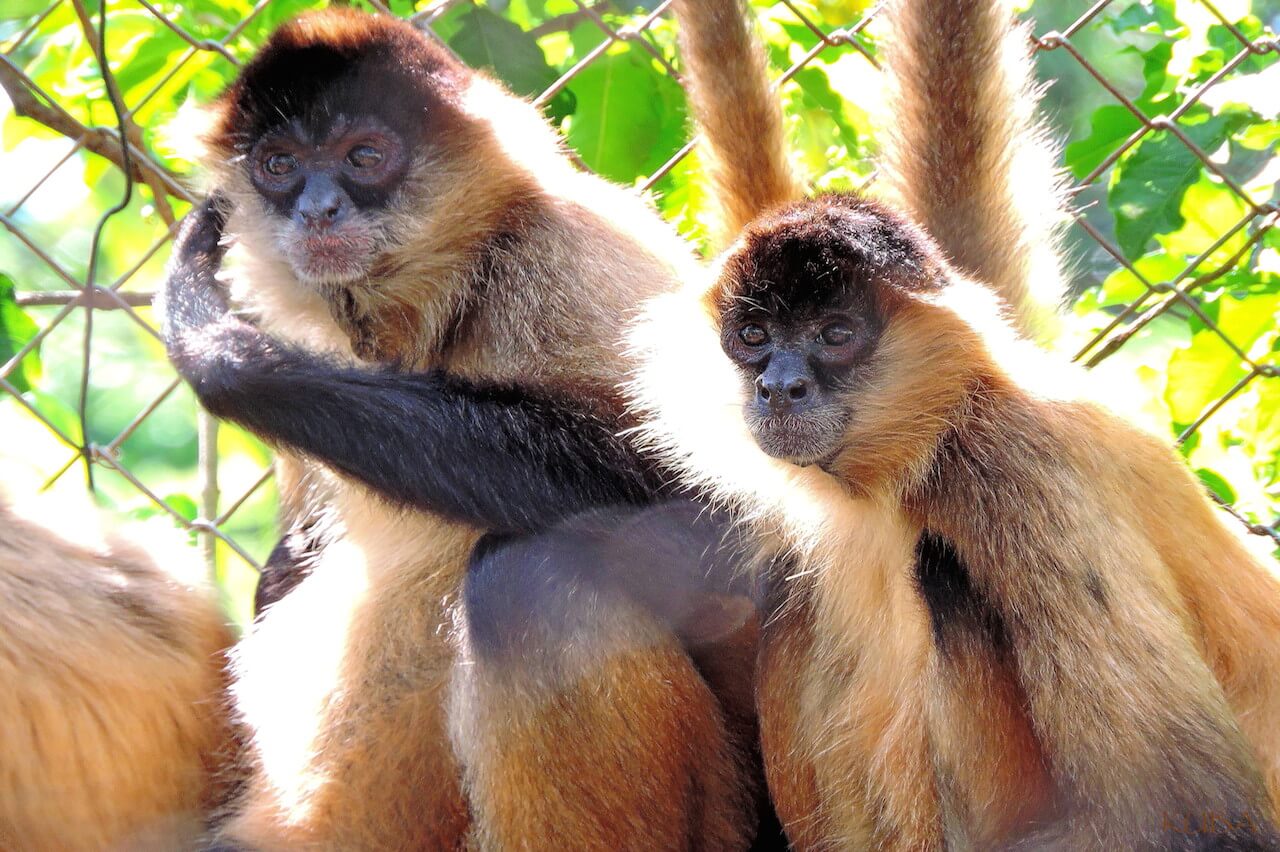
Let’s get straight to the point: no, you will not find monkeys roaming free in Hawaii. Unlike many other tropical destinations in Southeast Asia, Africa, or even Central and South America, the Hawaiian Islands have never had an indigenous primate population. The very idea of monkeys in Hawaii often stems from a romanticized or generalized view of tropical locales, but the reality for this remote Pacific paradise is quite different. This absence is a crucial element in what makes Hawaii’s ecosystem so incredibly special and, in many ways, fragile.
The Hawaiian archipelago is one of the most isolated landmasses on Earth, situated over 2,000 miles from the nearest continent. This extreme isolation has been the primary driver of its evolutionary history, leading to the development of an extraordinary array of endemic species – plants and animals found nowhere else in the world. Only those creatures capable of surviving a long, arduous journey across the Pacific Ocean (by wind, wave, or wing) and successfully establishing a breeding population managed to colonize the nascent volcanic islands. Monkeys, lacking the ability to fly or endure prolonged oceanic travel, simply never made it to these shores naturally.
Hawaii’s Unique Ecosystem and Biodiversity
The pristine nature of Hawaii’s pre-human ecosystem was characterized by birds, insects, land snails, and a limited number of marine mammals and reptiles. The absence of large terrestrial mammals, including primates, meant that the native flora and fauna evolved in an environment free from significant predation pressure by ground-dwelling animals. This led to fascinating adaptations, such as flightless birds, plants without thorns, and ground-nesting seabirds – traits that would prove highly vulnerable once humans arrived and introduced new species.
When considering a trip to Hawaii, it’s this unique evolutionary narrative that should captivate the discerning traveler. Instead of seeking out monkeys, shift your focus to the marvels that do exist: the vibrant Hawaiian honeycreepers, the ancient Nene (Hawaiian goose), the majestic Humpback Whales breaching off the coast of Maui, and the elusive Hawaiian Monk Seal basking on secluded beaches. These creatures, along with the islands’ incredible volcanic landscapes, lush rainforests, and vibrant coral reefs, form the true tapestry of Hawaii’s natural attractions. Embracing this reality not only deepens your understanding of the destination but also fosters a greater appreciation for the delicate balance that conservationists tirelessly work to maintain.
Why No Monkeys? Understanding Hawaii’s Strict Biosecurity
The current absence of monkeys in Hawaii is not just a relic of its geological past; it is also a testament to incredibly stringent modern-day biosecurity measures. The state of Hawaii operates under some of the most rigorous agricultural inspection and quarantine laws in the United States. These laws are designed to protect Hawaii’s fragile ecosystem and agricultural industry from invasive species, which pose an existential threat to its native biodiversity.
Every visitor arriving in Hawaii, whether by air or sea, is subjected to strict inspections for agricultural products, plants, and animals. The import of non-native species, especially those with the potential to become invasive, is heavily restricted or outright prohibited. Live monkeys fall squarely into the latter category. The consequences of introducing a species like a monkey into Hawaii’s environment could be catastrophic. Without natural predators, they could rapidly reproduce, outcompete native species for food, destroy crops, spread diseases, and decimate delicate plant life.
The Threat of Invasive Species
Hawaii’s history is unfortunately replete with examples of how easily introduced species can wreak havoc. From rats and pigs brought by early Polynesian settlers to later introductions like mongooses, coqui frogs, and various invasive plants, the islands have struggled with the devastating impact of non-native organisms. These species have contributed to the extinction or endangerment of countless native plants and animals, making Hawaii the “extinction capital of the world.”
The lessons learned from these past introductions fuel the state’s resolve to prevent further ecological damage. This vigilance is evident at every port of entry, from Honolulu International Airport on Oahu to smaller regional airports across the islands. For travelers, this means being mindful of what you bring into the state. Declare all agricultural items, and never attempt to smuggle in prohibited plants or animals, no matter how harmless they may seem. Adhering to these rules is not just about avoiding fines; it’s about respecting and protecting the irreplaceable natural heritage of Hawaii for future generations of residents and visitors alike.
What Wildlife Can You Expect to See in Hawaii?
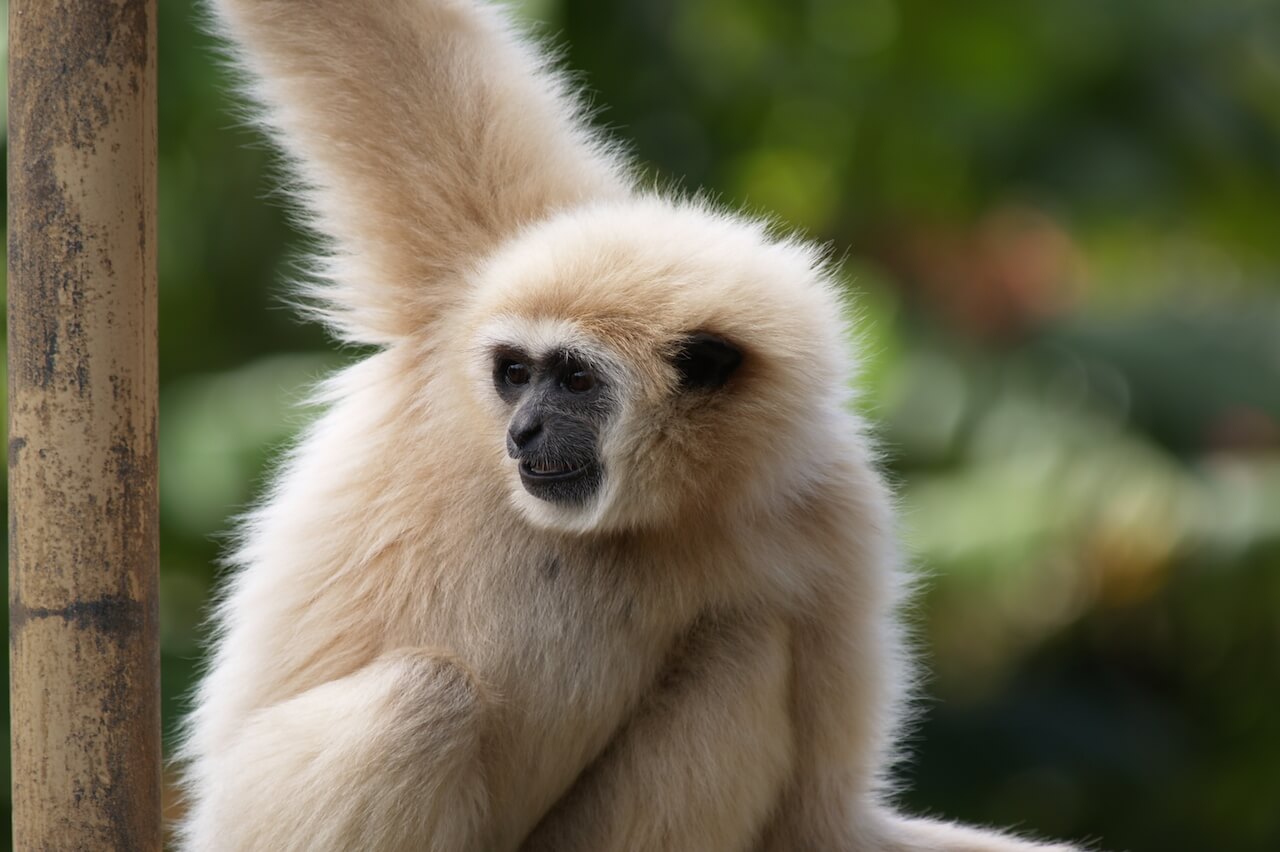
While monkeys are off the list, Hawaii offers a breathtaking array of unique wildlife encounters that are far more enriching and authentic to the islands’ character. From marine giants to vibrant endemic birds, the biodiversity here is a testament to evolution in isolation. Understanding what to look for will transform your travel experience, guiding you towards truly memorable interactions with nature.
Iconic Native and Endemic Species
The stars of Hawaii’s wildlife show are undoubtedly its endemic species.
- Birds: Keep your eyes peeled for the rare and beautiful Hawaiian honeycreepers, many of which are critically endangered. The Nene, or Hawaiian goose, is another remarkable native bird, often seen in protected areas like Haleakala National Park on Maui or Hawaii Volcanoes National Park on Hawaii Island.
- Marine Life: Below the surface, Hawaii’s coral reefs teem with colorful fish found nowhere else, such as the Humuhumunukunukuapua’a (reef triggerfish), the state fish. Snorkeling or diving in places like Hanauma Bay on Oahu offers an immersive experience. From December to May, the waters become a playground for magnificent Humpback Whales, migrating from Alaska to calve and breed. Whale watching tours from Lahaina, Maui, are a highlight. Perhaps the most endearing marine mammal is the critically endangered Hawaiian Monk Seal, often spotted basking on remote beaches across the islands, from the shores of Kauai to the beaches of Molokai and Niihau. Always maintain a respectful distance from these protected animals. Green sea turtles, or Honu, are also a common and cherished sight, gliding gracefully through nearshore waters or resting on sunny beaches.
- Reptiles/Amphibians: While there are no native land mammals (other than a native bat species), Hawaii does have a few native gecko and skink species. Frogs are all introduced.
Introduced Species and Their Impact
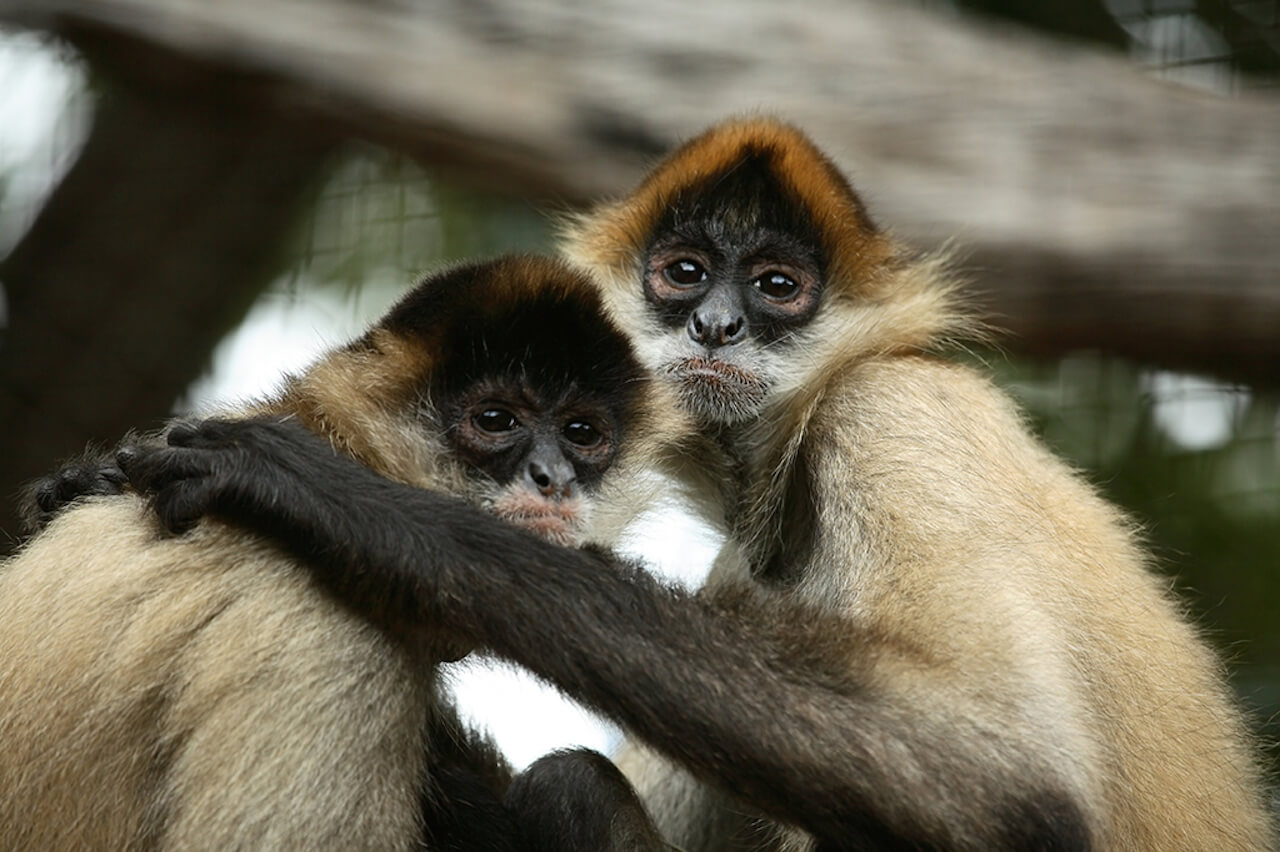
It’s also important to acknowledge that many animals you’ll see in Hawaii are not native but were introduced by humans, sometimes intentionally, sometimes accidentally. Common sights include feral chickens, often seen pecking around hotel grounds, particularly on Kauai. Other prevalent introduced birds include various mynah birds and cardinals. While charming to some, these introduced species can sometimes outcompete native wildlife for resources, highlighting the delicate balance of the islands’ ecosystems. Understanding the difference between native, endemic, and introduced species adds another layer of appreciation to your exploration of Hawaii’s natural world.
Responsible Tourism: Protecting Hawaii’s Natural Heritage
As a traveler, your role in preserving Hawaii’s irreplaceable natural beauty is paramount. Responsible tourism is not just a buzzword here; it’s a vital practice that helps protect the very attractions that draw millions to its shores each year. Embracing the concept of Malama Aina — to care for the land — is the essence of a truly respectful and enriching Hawaiian experience.
Experiencing Hawaiian Wildlife Ethically
To ensure your interactions with Hawaii’s wildlife are positive for both you and the animals, follow these guidelines:
- Maintain Distance: Always observe marine life like Hawaiian Monk Seals and Honu from a respectful distance (usually 10-50 feet, depending on the species), as they are protected by federal and state laws. Never approach, touch, or feed them.
- Stick to Trails: When hiking in national parks like Hawaii Volcanoes National Park or on natural reserves, always stay on marked trails to avoid disturbing delicate habitats and introducing invasive plant seeds.
- Mind Your Footprint: Use reef-safe sunscreen to protect coral ecosystems. Dispose of all trash properly. Consider participating in a beach cleanup or supporting local conservation efforts.
- Learn Before You Go: Educate yourself about the native species you might encounter and their significance. This context enhances the experience and helps you understand why certain rules are in place.
Choosing accommodations and tour operators that prioritize sustainability and local conservation also contributes significantly. Many resorts, particularly those on Maui and Kauai, have implemented eco-friendly practices, from energy conservation to supporting local biodiversity projects. Seek out experiences that offer educational insights into Hawaii’s natural world, such as guided birdwatching tours or cultural hikes that explain the traditional Hawaiian relationship with the land and sea.
Planning Your Wildlife-Focused Hawaiian Getaway
For travelers passionate about nature and unique ecosystems, Hawaii offers unparalleled opportunities. Instead of fantasizing about exotic monkeys, focus on the extraordinary native wildlife and breathtaking landscapes that truly define this destination. Tailoring your trip to specific islands and activities can maximize your chances of encountering Hawaii’s endemic treasures.
Choosing the Right Island and Accommodation
Each of Hawaii’s main islands offers distinct wildlife viewing experiences:
- Oahu: Beyond the bustling streets of Honolulu and the iconic sands of Waikiki, Oahu boasts protected natural areas like Ka’ena Point State Park, where you might spot Hawaiian Monk Seals and seabirds. Hanauma Bay is a marine life conservation district perfect for snorkeling.
- Maui: Known for its incredible whale watching during winter months, Maui also features Haleakala National Park, home to the unique Silversword plant and the Nene. The famous Road to Hana takes you through lush rainforests with diverse flora.
- Kauai: The “Garden Isle” is a paradise for birdwatchers and nature lovers, with its dramatic Na Pali Coast, verdant valleys, and numerous hiking trails that offer glimpses of endemic forest birds.
- Hawaii Island (The Big Island): Home to Hawaii Volcanoes National Park, where you can witness active volcanoes and explore diverse ecosystems from barren lava fields to lush rainforests, often encountering the Nene. The Kona coast offers incredible opportunities for snorkeling and diving with manta rays and vibrant reef fish.
When selecting accommodation, consider hotels and resorts that have earned certifications for sustainable tourism, such as those that are part of the Hawaii Green Business Program. Many luxury resorts, from Wailea on Maui to Kaanapali and Kona on the Big Island, are integrating eco-conscious amenities and offering guided nature experiences as part of their guest activities. Look for boutique hotels or vacation rentals nestled closer to natural reserves for a more immersive experience. Some properties might even collaborate with local conservation groups, providing guests with opportunities to learn about and contribute to local environmental efforts, making your stay not just a vacation but a meaningful contribution to the islands’ future.
In conclusion, while the answer to “Are there monkeys in Hawaii?” is a definitive no, this fact opens the door to a deeper, more authentic appreciation of what makes this destination truly extraordinary. Hawaii’s primate-free status is a key to understanding its unparalleled biodiversity, shaped by millions of years of isolation and fiercely protected by its people and strict biosecurity. By shifting your focus from the imagined to the real, you’ll discover a world of unique birds, vibrant marine life, and breathtaking landscapes that are far more compelling and distinctly Hawaiian than any monkey could ever be. Embrace the islands’ unique identity, travel responsibly, and allow yourself to be captivated by the genuine wonders of this Pacific paradise.
LifeOutOfTheBox is a participant in the Amazon Services LLC Associates Program, an affiliate advertising program designed to provide a means for sites to earn advertising fees by advertising and linking to Amazon.com. Amazon, the Amazon logo, AmazonSupply, and the AmazonSupply logo are trademarks of Amazon.com, Inc. or its affiliates. As an Amazon Associate we earn affiliate commissions from qualifying purchases.