
For many travelers planning a trip to the Sunshine State, the image of Florida often conjures up pristine beaches, vibrant cities like Miami and Orlando, and the magic of theme parks. Yet, beyond the bustling tourist hubs, lies a wild heart beating with ancient rhythms, home to one of North America’s most enigmatic and endangered big cats: the Florida panther. The simple answer to the question “Are there panthers in Florida?” is a resounding yes, though seeing one in its natural habitat is a rare and truly unforgettable experience that speaks to the untouched beauty of Florida’s wilderness.
These magnificent creatures, a subspecies of puma (Puma concolor coryi), are a critical part of Florida’s biodiversity, serving as an indicator species for the health of the vast ecosystems they inhabit. Understanding their presence is not just about wildlife spotting; it’s about appreciating the unique natural landscapes that make Florida a multifaceted destination, appealing to those who seek adventure and a deeper connection with nature alongside its more conventional attractions. For those exploring destinations, planning eco-friendly activities, or simply curious about the local culture and natural heritage, the Florida panther represents a compelling story of resilience, conservation, and the enduring wild spirit of the state.
The Elusive Florida Panther: A Jewel of the Everglades
The Florida panther is more than just an animal; it’s a symbol of wilderness and a testament to the ongoing efforts to preserve Florida’s natural beauty. Once hunted to the brink of extinction, these incredible predators have staged a cautious comeback, primarily due to dedicated conservation programs. Their story is intertwined with the very essence of Florida’s wild lands, particularly the sprawling wetlands and dense forests of the south.
Unveiling Florida’s Apex Predator
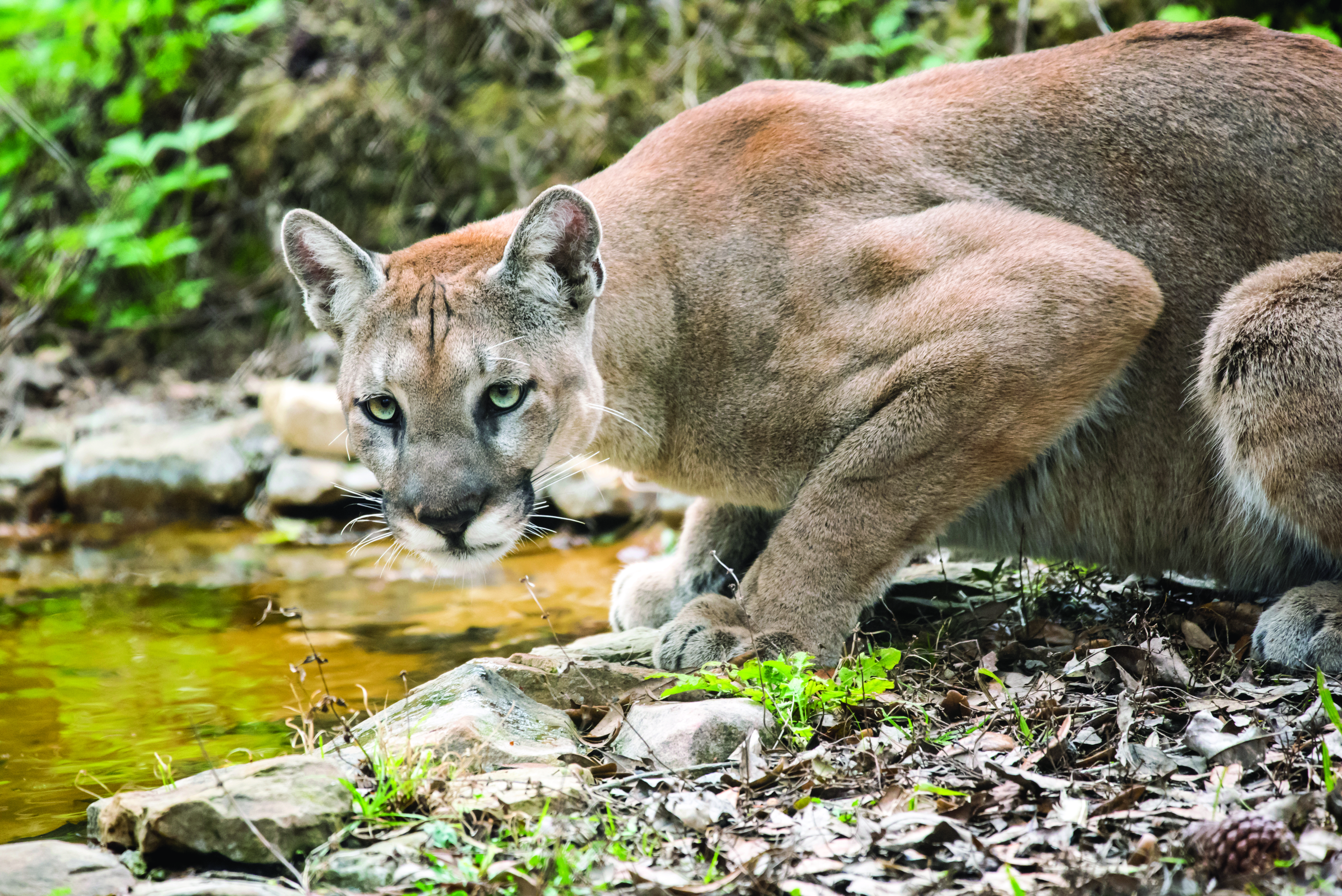
The Florida panther is easily recognizable by its tawny, unspotted coat, long tail, and powerful build. Adults can weigh between 70 to 160 pounds and measure up to seven feet from nose to tail tip. These solitary and territorial animals are opportunistic hunters, preying on a variety of animals ranging from white-tailed deer and wild hogs to raccoons, armadillos, and even alligators. Their presence at the top of the food chain is vital for maintaining the balance of their ecosystem, keeping populations of herbivores in check and contributing to the overall health of the environment.
Despite their formidable size and status as an apex predator, Florida panthers are incredibly shy and elusive. They are predominantly nocturnal and crepuscular, meaning they are most active at dawn and dusk, making sightings rare even for experienced naturalists. This reclusive nature, coupled with their critically endangered status – with only an estimated 120-230 individuals remaining in the wild – makes a chance encounter with a panther a once-in-a-lifetime privilege for any visitor to Florida’s wild heartlands. Their shrinking habitat, due to human development and habitat fragmentation, remains their biggest threat, underscoring the importance of conservation.

Where the Wild Things Roam: Panther Habitats
The primary habitat of the Florida panther is concentrated in the South Florida region, particularly within the vast expanses of Everglades National Park and Big Cypress National Preserve. These iconic landmarks are not just tourist attractions; they are crucial refuges for countless species, including the panther. Everglades National Park, a UNESCO World Heritage Site and an International Biosphere Reserve, offers a unique blend of sawgrass prairies, cypress swamps, and pine flatwoods – diverse ecosystems that provide the ideal hunting grounds and cover for panthers.
Adjacent to the Everglades, Big Cypress National Preserve serves as another vital stronghold. This preserve encompasses over 729,000 acres of freshwater swamp, part of the extensive Greater Everglades ecosystem. Here, the mix of cypress swamps, pinelands, and hardwood hammocks creates a mosaic of habitats essential for the panther’s survival, offering both abundant prey and the solitude these animals require. Other significant areas include the Florida Panther National Wildlife Refuge near Naples, a dedicated sanctuary specifically established for the protection of the panther and its habitat, and state-managed lands such as the Fakahatchee Strand Preserve State Park and the Audubon Corkscrew Swamp Sanctuary. While these are the core territories, male panthers, especially younger ones, have been known to disperse further north in search of new territories and mates, sometimes reaching as far as the central Florida region, though these sightings are exceedingly rare.
Coexisting with Wildlife: Safety and Awareness for Travelers
For visitors to Florida’s natural areas, understanding and respecting the wildlife, particularly elusive predators like the panther, is paramount. The joy of exploring Florida’s wilderness comes with a responsibility to minimize human impact and ensure the safety of both animals and people. When planning your travel and selecting activities, especially in destinations renowned for their natural beauty, awareness is key.
Tips for Responsible Wildlife Viewing
While the chance of seeing a Florida panther is slim, many other fascinating creatures inhabit these same ecosystems, from alligators and various bird species to black bears and bobcats. To maximize your chances of a rewarding and safe wildlife viewing experience:
- Stay on Marked Trails: When hiking or exploring, always stick to designated trails and boardwalks. This protects delicate habitats and reduces the likelihood of an unexpected encounter with wildlife. Many parks, like Everglades National Park and Big Cypress National Preserve, offer excellent ranger-led tours and interpretive programs that provide safe and informative ways to experience the wilderness.
- Observe from a Distance: Use binoculars or a telephoto lens to get a closer look at animals without disturbing them. Never approach or feed wildlife. Feeding animals can make them lose their natural fear of humans, leading to dangerous situations for both parties.
- Respect Their Space: If an animal changes its behavior due to your presence (e.g., stops eating, looks agitated), you are too close. Slowly and quietly back away.
- Be Mindful of Dawn and Dusk: These are prime times for many animals, including panthers, to be active. If you are in panther country during these hours, exercise extra caution.
- Secure Food and Trash: When camping or picnicking, always store food in secure containers and dispose of trash properly. This prevents attracting animals, including panthers, to human-populated areas. Resorts and hotels in areas bordering wildlands, even luxury accommodations, often have guidelines for guests regarding food storage and wildlife awareness, reflecting a growing trend in sustainable tourism.
- Educate Yourself: Before visiting a natural area, learn about the local wildlife and any specific guidelines or advisories from park rangers or the Florida Fish and Wildlife Conservation Commission (FWC).
What to Do if You Encounter a Panther
While extremely rare, knowing how to react in the unlikely event of a panther encounter is important for traveler safety. The Florida Fish and Wildlife Conservation Commission provides clear guidelines:
- Never Run: Running might trigger a chase response from the animal.
- Face the Panther: Maintain eye contact and appear as large as possible. Open your jacket, stand tall, and if you have children, pick them up immediately.
- Make Noise: Yell, wave your arms, and make yourself seem threatening.
- Fight Back: If an attack occurs, fight back aggressively with whatever you have – rocks, sticks, or your bare hands. Aim for the face and eyes.
- Report Sightings: Any sightings of a Florida panther, especially in unusual locations, should be reported to the FWC to aid in monitoring and conservation efforts.
Remember, panthers are generally shy and avoid humans. Most encounters are fleeting glimpses from a distance. These guidelines are for extreme, rare circumstances and are part of responsible tourism in wild regions.
Conservation and Tourism: Protecting Florida’s Natural Heritage
The future of the Florida panther is intrinsically linked to the delicate balance between human development and habitat preservation. As Florida continues to be a top global destination for travel and tourism, with millions visiting attractions from the Kennedy Space Center Visitor Complex on the Atlantic Coast to the beaches of the Gulf Coast near Tampa and St. Petersburg, responsible practices become even more critical. The tourism industry has a significant role to play in supporting conservation efforts, turning awareness into action.
The Fight for Survival: Conservation Efforts
The journey of the Florida panther from near extinction to its current, albeit fragile, status is a testament to decades of intensive conservation work. Key initiatives include:
- Habitat Protection and Restoration: Organizations like the Florida Wildlife Corridor Foundation are working to protect and connect critical wildlife habitats, creating safe passageways for panthers and other animals to move freely, reducing conflicts with humans and mitigating the impact of roads, which are a major cause of panther mortality.
- Genetic Restoration: In the mid-1990s, eight female pumas from Texas were introduced into the Florida panther population to combat severe inbreeding, which had led to a host of health problems. This genetic infusion proved highly successful, significantly improving the health and reproductive rates of the population.
- Public Education and Outreach: Agencies like the FWC and numerous non-profit groups continually work to educate the public about panthers, their importance, and how to coexist with them. This includes initiatives for drivers in panther zones, encouraging reduced speeds and increased vigilance.
- Research and Monitoring: Scientists track panther populations using various methods, including radio collars and trail cameras, to monitor their health, movement patterns, and reproductive success. This data is crucial for informed conservation management decisions.
- Land Acquisition: Federal and state agencies, along with private conservation groups, are continually working to acquire and preserve land in Southwest Florida and other areas, securing crucial panther habitat for the long term. This strategy often involves collaborations with landowners and developers to create wildlife-friendly designs.
These efforts represent a significant investment in Florida’s natural capital, benefiting not only panthers but the entire ecosystem and the many species that call it home, including visitors who seek out unique natural experiences.
Ecotourism and Its Role in Panther Preservation
Ecotourism plays a vital role in supporting conservation by generating revenue for protected areas and raising awareness among travelers. When planning a trip to Florida, consider incorporating eco-friendly choices:
- Choose Responsible Tour Operators: Look for tour companies that prioritize sustainability, follow ethical wildlife viewing practices, and contribute a portion of their profits to conservation. Many guided airboat tours or swamp buggy excursions in the Everglades region are excellent examples of experiences that can educate visitors while supporting local economies and conservation.
- Stay at Eco-Conscious Accommodations: A growing number of hotels, resorts, and vacation rentals in Florida are implementing sustainable practices, such as water conservation, energy efficiency, and waste reduction. For instance, some boutique hotels in areas like Fort Myers or Kissimmee might highlight their commitment to local environmental initiatives. Choosing such accommodations, whether a luxury resort like a Ritz-Carlton or a charming bed and breakfast, directly supports businesses aligned with environmental values.
- Visit National and State Parks: Your entry fees and purchases at gift shops directly support the management and protection of these critical habitats. Destinations like Everglades National Park and Big Cypress National Preserve are prime examples of landmarks where tourism dollars fund conservation.
- Support Local Businesses: Purchasing goods and services from local communities that benefit from conservation efforts can indirectly support the preservation of natural areas. This also allows travelers to immerse themselves in local culture and culinary experiences.
- Volunteer or Donate: For those looking for a deeper engagement, consider volunteering with conservation organizations during your stay or making a donation to support their ongoing work.
By making conscious travel choices, visitors to Florida can become active participants in the preservation of the Florida panther and its precious habitat, ensuring that this magnificent creature continues to roam the wild heart of the Sunshine State for generations to come.
Planning Your Wildlife-Focused Florida Adventure
Embracing the wild side of Florida offers a contrasting yet equally enriching experience compared to its well-known beaches and theme parks. Integrating wildlife viewing and eco-friendly activities into your itinerary, whether it’s a family trip, a luxury getaway, or a budget-conscious adventure, allows for a deeper appreciation of Florida’s diverse natural heritage.
Beyond Panthers: Exploring Florida’s Diverse Ecosystems
While the Florida panther remains an elusive symbol, the state offers abundant opportunities to encounter a vast array of other fascinating wildlife and explore breathtaking natural landscapes. From the temperate forests of North Florida to the tropical mangroves of the Florida Keys, each region offers unique ecological experiences.
- Manatees: Visit places like Crystal River or Blue Spring State Park during the cooler months to witness large aggregations of gentle manatees in their natural springs. Swimming or kayaking with these “sea cows” is a popular and regulated activity that allows for close, respectful interaction.
- Alligators and Crocodiles: The Everglades National Park is world-renowned for its alligator populations, easily seen from boardwalks and airboat tours. Florida is also the only place in the world where alligators and the much rarer American crocodiles coexist, primarily in the Florida Keys and the southern tip of the mainland.
- Birdwatching: Florida is a birder’s paradise, with hundreds of species, including roseate spoonbills, bald eagles, and various wading birds. Sanctuaries like the Audubon Corkscrew Swamp Sanctuary or Ding Darling National Wildlife Refuge on Sanibel Island offer exceptional viewing opportunities.
- Marine Life: The coastal waters teem with dolphins, sea turtles (especially during nesting season), and a vibrant array of fish. Snorkeling and diving in places like Key Largo or Dry Tortugas National Park reveal stunning coral reefs and diverse marine ecosystems.
- Hiking and Kayaking: Numerous state parks and wilderness areas throughout Florida provide miles of trails for hiking and kayaking, offering immersive ways to experience the landscapes and potentially spot local wildlife. Destinations like Ocala National Forest or the various preserves near Fort Lauderdale and Sarasota are excellent for active nature exploration.
Choosing Eco-Friendly Accommodations and Tours
When selecting accommodation and planning activities for your Florida trip, consider how your choices align with sustainable and responsible tourism. Many establishments are stepping up to meet the demand for eco-conscious travel, offering everything from luxury glamping in natural settings to resort properties with strong environmental certifications.
- Look for Certifications: Seek out hotels, resorts, and tour operators that have recognized eco-certifications, such as Green Key Global, LEED certification, or those recognized by the Florida Green Lodging Program. These certifications indicate a commitment to sustainable operations. For example, some Marriott International or Hilton Worldwide properties across Florida actively participate in green initiatives.
- Prioritize Local and Seasonal: Choose restaurants that source ingredients locally and seasonally, reducing their carbon footprint and supporting Florida’s agricultural communities.
- Support Community-Based Tourism: Engage with local guides and small businesses, especially those that provide authentic cultural experiences and directly benefit the communities living near natural areas. This could include family-run airboat tours or guesthouses on the outskirts of protected lands.
- Consider Transportation: Renting electric or hybrid vehicles, utilizing public transport where available (such as in urban centers like Miami or Tampa), or booking accommodations accessible via walk or bike can significantly reduce your environmental impact. When flying into major hubs like Orlando International Airport or Miami International Airport, consider ground transportation options carefully.
- Research Reviews and Comparisons: Utilize travel websites and forums to find reviews and comparisons of eco-friendly accommodations and tour operators. Look for feedback that emphasizes ethical practices, positive community impact, and genuine commitment to sustainability. This helps ensure your long-term stay or short vacation aligns with responsible lifestyle choices.
Ultimately, while seeing a Florida panther might remain a dream for most, the quest to understand and protect them enriches any travel experience to Florida’s wild frontiers. It transforms a simple vacation into an opportunity for learning, reflection, and contribution to the preservation of a truly unique and precious natural heritage. By making informed and responsible choices, travelers can ensure that the majestic panthers continue to roam the vast, wild landscapes of the Sunshine State, inspiring awe for generations to come.
LifeOutOfTheBox is a participant in the Amazon Services LLC Associates Program, an affiliate advertising program designed to provide a means for sites to earn advertising fees by advertising and linking to Amazon.com. Amazon, the Amazon logo, AmazonSupply, and the AmazonSupply logo are trademarks of Amazon.com, Inc. or its affiliates. As an Amazon Associate we earn affiliate commissions from qualifying purchases.