
The sheer mention of Alaska conjures images of vast, untamed wilderness, towering glaciers, and an incredible array of wildlife. For many intrepid travelers and wildlife enthusiasts, the ultimate dream is to encounter one of the Arctic’s most majestic predators: the polar bear. But are these iconic creatures truly found within the borders of the Last Frontier? The unequivocal answer is yes, polar bears absolutely inhabit the northern reaches of Alaska, offering a rare and profoundly moving wildlife viewing experience for those adventurous enough to seek them out. This article delves into where and how you can witness these magnificent bears, providing essential insights into planning such an extraordinary journey, from understanding their habitat and conservation to practical travel considerations and unique accommodation options in the remote Alaskan Arctic. Embarking on a polar bear expedition in Alaska is more than just a trip; it’s an immersive dive into one of the planet’s most extreme and beautiful ecosystems, promising memories that will last a lifetime.

The Arctic Realm: Where Polar Bears Roam in Alaska
Understanding where polar bears live in Alaska is key to appreciating their ecological significance and planning a visit. These incredible animals are perfectly adapted to the frigid temperatures and icy landscapes of the far north, making their homes along the frozen coastlines and expansive sea ice.
Geographic Distribution and Habitat
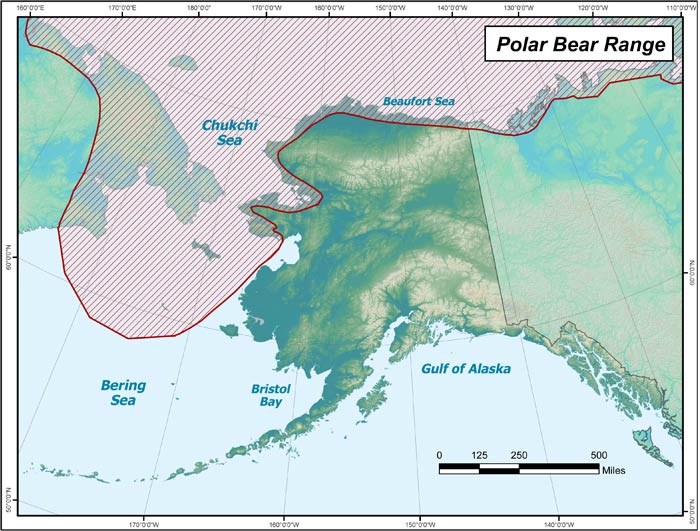
Polar bears in Alaska are primarily found in the Arctic coastal areas, particularly along the Chukchi Sea and Beaufort Sea coasts, which are part of the broader North Slope region. This vast, sparsely populated area is characterized by tundra, frozen coastlines, and, crucially, seasonal sea ice. The polar bears here are part of two distinct populations: the Chukchi/Bering Sea population and the Southern Beaufort Sea population. Their lives are intimately tied to the sea ice, which serves as their primary hunting platform for seals, their main prey. As the ice melts and reforms with the seasons, polar bears adapt their movements, often coming closer to shore in late summer and fall when the ice recedes, particularly around barrier islands and coastal spits.
Key locations where polar bear sightings are more common include the area around Utqiaġvik (formerly Barrow), which is the northernmost city in the United States, and especially Kaktovik, a small Inupiat village located within the Arctic National Wildlife Refuge. In Kaktovik, the presence of bowhead whale carcasses (from subsistence hunts by the local community) often draws numerous bears to the barrier islands nearby, providing exceptional viewing opportunities from boats. Further west, the region around Prudhoe Bay, an important hub for oil production, also sees polar bear activity, though public access and viewing opportunities are more restricted compared to Kaktovik. These remote areas offer a glimpse into an ecosystem that remains largely untouched by human development, emphasizing the delicate balance between nature and the few communities that call this harsh environment home.

Conservation and Indigenous Perspectives
The presence of polar bears in Alaska is a testament to the enduring wildness of the Arctic, but it also highlights significant conservation challenges. Polar bears are listed as a threatened species under the Endangered Species Act, primarily due to the ongoing loss of their sea ice habitat caused by climate change. Organizations like the U.S. Fish and Wildlife Service play a crucial role in monitoring populations, conducting research, and implementing conservation strategies. Their efforts are essential in ensuring the long-term survival of these magnificent animals in a rapidly changing world.
Beyond scientific research and government regulations, the Inupiat people, who have lived in the Alaskan Arctic for thousands of years, possess a profound and intricate understanding of polar bears and their environment. Their traditional knowledge and cultural practices are deeply intertwined with the Arctic ecosystem, including a respectful relationship with wildlife. Subsistence hunting of polar bears, regulated and managed in partnership with federal agencies, is a long-standing tradition that provides food and cultural continuity for Inupiat communities. When traveling to these regions, visitors are encouraged to engage with local communities respectfully, learn about their culture, and understand the complex dynamics of life in the Arctic. Responsible tourism plays a vital role in supporting conservation efforts by raising awareness, funding research, and providing economic opportunities for local populations who are often at the forefront of climate impacts. Choosing tour operators committed to ethical practices and minimal disturbance of wildlife is paramount for anyone planning a polar bear expedition.
Planning Your Polar Bear Expedition: Travel and Logistics
A trip to see polar bears in Alaska is not your average vacation; it’s an expedition requiring careful planning, a spirit of adventure, and a robust travel budget. The remote nature of the habitat means that logistics are a significant part of the experience.
Best Time to Visit and Viewing Opportunities
The prime window for viewing polar bears in Alaska typically falls in the late summer and early fall, roughly from late August through October. During this period, the sea ice has receded significantly, causing many bears to congregate on coastal land and barrier islands while they wait for the ice to return. This makes them more accessible for observation from land-based camps or boat tours.
- Kaktovik: This small village on Barter Island is arguably the most popular and reliable location for polar bear viewing. From early September to late October, numerous bears gather around the barrier islands near Kaktovik, attracted by the remains of bowhead whales harvested by the Inupiat community. Boat tours, led by experienced local guides, offer incredible opportunities to observe bears from a safe distance as they roam the coastline or rest on the tundra. The crisp, clear air of autumn often provides excellent conditions for photography, with the possibility of seeing the Aurora Borealis dancing across the night sky.
- Utqiaġvik: While Kaktovik is more famous for concentrated bear sightings, Utqiaġvik also offers opportunities, though they are generally less frequent and more scattered. Bears can be spotted along the coast throughout the year, but organized viewing tours are less common. Travelers here might combine potential bear sightings with cultural experiences at the Inupiat Heritage Center and exploring the northernmost point of the United States.
Accessing these remote locations typically involves flying into major Alaskan cities like Anchorage or Fairbanks, followed by connecting flights on smaller regional airlines to Kaktovik or Utqiaġvik. Due to the seasonal nature and limited capacity of tour operators and flights, booking well in advance – often a year or more – is highly recommended.
Essential Gear and Safety Considerations
Preparing for an Alaskan Arctic adventure requires careful attention to gear and safety. The weather can be extreme and unpredictable, even in the “warmer” fall months.
- Clothing: Layering is paramount. Pack warm, waterproof, and windproof outerwear, including a heavy parka, insulated pants, thermal base layers, hats, gloves, and waterproof boots suitable for walking on uneven, possibly wet, terrain. Remember that you will spend significant time outdoors on boats or observing from static positions, so staying warm is crucial.
- Photography Equipment: A good camera with a telephoto lens (at least 300mm or more) is essential for capturing high-quality images of bears from a respectful distance. Binoculars are also highly recommended for personal viewing.
- Personal Items: Sunscreen and sunglasses are important, as the sun can be intense even when it’s cold, especially with reflection off snow or water. Bring any personal medications and a small first-aid kit.
- Safety: The most critical safety rule is to always follow your guide’s instructions. They are experts in polar bear behavior and Arctic conditions. Never approach a polar bear on foot, and maintain a safe distance. Reputable tour operators prioritize safety above all else, often carrying satellite phones, bear spray, and firearms as defensive measures (though direct confrontation is exceedingly rare with proper precautions). Be prepared for potential delays due to weather, as flights in and out of remote villages can be grounded. Flexibility and patience are key. Engaging with an experienced guide not only ensures your safety but also enhances your understanding of the polar bears and their environment, making the experience much more enriching.
Accommodation and Lifestyle: Experiencing Alaska’s Wild North
Venturing into the Alaskan Arctic for polar bear viewing is a unique travel experience that combines wildlife adventure with an immersion into a distinct cultural and natural landscape. The “accommodation” and “lifestyle” aspects of this journey are far removed from typical tourist destinations, emphasizing authenticity and rugged comfort.
Unique Stays in the Arctic Frontier
Accommodation options in Alaska’s remote polar bear viewing areas, such as Kaktovik and Utqiaġvik, are generally limited and functional, prioritizing warmth and shelter over luxury. Travelers should temper expectations of upscale resorts; instead, anticipate a more rustic, community-based lodging experience that reflects the frontier lifestyle.
In Kaktovik, for instance, lodging primarily consists of local guesthouses or small, family-run inns. These might include facilities like the Marsh Creek Inn or similar establishments, offering basic but comfortable rooms, shared bathrooms in some instances, and often home-cooked meals. These accommodations are usually booked as part of a tour package, simplifying logistics for visitors. Due to the village’s small size and the high demand during the peak polar bear viewing season, availability is extremely limited, making early booking absolutely essential.
Utqiaġvik, being a larger community, offers slightly more options, including a few small hotels and guesthouses. These provide essential amenities but maintain a modest charm, reflecting their remote location. For example, the Top of the World Hotel is a well-known option here, providing a base for exploring the northernmost city. Regardless of the location, expect clean, warm rooms and a genuine sense of hospitality from the local Inupiat residents. These stays often provide an invaluable opportunity to interact with community members and gain a deeper understanding of their daily lives and traditions. While these aren’t your typical luxury suites or sprawling resorts, they offer an unparalleled authenticity, allowing travelers to truly live and breathe the Arctic experience.
Beyond Bear Sightings: Local Culture and Activities
While the polar bears are undoubtedly the main attraction, a trip to the Alaskan Arctic is also an immersive cultural journey. The remote communities of the North Slope offer a glimpse into a lifestyle shaped by millennia of adapting to one of the harshest environments on Earth.
In Utqiaġvik, visitors can delve into the rich history and traditions of the Inupiat people at the Inupiat Heritage Center. This center provides fascinating exhibits on indigenous art, whaling traditions, clothing, and the challenges and resilience of Arctic life. A visit also offers the chance to stand at the northernmost point of the United States, a unique geographical landmark.
In Kaktovik, beyond the bear tours, visitors can learn about the community’s subsistence whaling practices, which are central to their culture and provide the food source that attracts the bears. Engaging with local guides and residents often provides insights into their deep connection with the land and sea. Depending on the time of year and weather conditions, other activities might include experiencing the ethereal Aurora Borealis, fishing, or simply observing the breathtaking Arctic landscape.
For lifestyle travelers, this journey caters to those seeking authentic, off-the-beaten-path experiences rather than conventional luxury. It’s an investment in a profound connection with nature and culture. While the costs associated with Arctic travel can be significant due to logistics and remoteness, the value lies in the unparalleled encounters and lifelong memories. This is not just a holiday; it’s a transformative adventure that broadens perspectives and fosters a deep appreciation for the natural world and the resilient people who inhabit it. Budget-conscious travelers might find ways to manage costs by opting for shorter tours or focusing on one primary destination, but the overarching experience is inherently premium due to its exclusivity and environmental context.
Responsible Tourism and the Future of Polar Bears in Alaska
Visiting the Alaskan Arctic to witness polar bears is a profound privilege, and it comes with a significant responsibility to protect these magnificent animals and their fragile environment. Responsible tourism is not just a buzzword; it’s a critical component in ensuring that future generations can also experience the wonder of polar bears in their natural habitat.
Supporting Conservation Through Ethical Travel
Choosing to travel ethically is the cornerstone of responsible polar bear tourism. This begins with selecting tour operators who demonstrate a strong commitment to conservation and adhere to strict guidelines for wildlife viewing. Reputable companies will prioritize the safety and well-being of the bears, maintaining respectful distances, avoiding disturbance, and educating their clients on proper Arctic etiquette. They often operate in partnership with local communities, ensuring that tourism benefits the people who call these remote regions home. By supporting such operators, travelers directly contribute to local economies, which can, in turn, reinforce the value of wildlife conservation for residents.
Furthermore, minimizing your environmental footprint is crucial. This includes packing out everything you pack in, being mindful of waste, and respecting designated areas. Learning about the challenges polar bears face, particularly due to climate change, is also an important aspect of responsible travel. The melting of sea ice directly impacts their ability to hunt and survive, making them a poignant symbol of broader environmental concerns. Many tour operators and local organizations are involved in research and conservation efforts, and supporting these initiatives, whether through donations or simply by spreading awareness, can make a meaningful difference. Engaging in dialogue with guides and locals about their experiences and concerns further enriches the understanding of the delicate balance between human activity and wildlife preservation in the Arctic.
A Call to Adventure and Awareness
The question, “Are there polar bears in Alaska?” leads to an exhilarating “yes,” but it also serves as a gateway to a much deeper conversation about adventure, awareness, and stewardship. Embarking on a polar bear viewing expedition is more than just checking an item off a bucket list; it’s an opportunity to connect with one of the planet’s most formidable creatures in an ecosystem that is both breathtakingly beautiful and incredibly vulnerable.
Such a journey instills a profound sense of wonder and urgency. To witness a polar bear gracefully navigate its icy domain, to feel the crisp Arctic air, and to learn about the resilience of the Inupiat culture firsthand, is to experience Alaska at its most authentic and impactful. It’s an adventure for those who seek not just sights, but insights – understanding the interconnectedness of wildlife, environment, and human life. As travelers, we have the unique power to influence the future of these magnificent animals and their pristine habitat. By choosing responsible tourism, educating ourselves, and sharing our experiences, we become advocates for the continued existence of polar bears in the wild, ensuring that the answer to “Are there polar bears in Alaska?” remains a resounding and hopeful “yes” for generations to come. The call of the Alaskan Arctic is for those ready to answer with both their spirit of adventure and their commitment to conservation.
LifeOutOfTheBox is a participant in the Amazon Services LLC Associates Program, an affiliate advertising program designed to provide a means for sites to earn advertising fees by advertising and linking to Amazon.com. Amazon, the Amazon logo, AmazonSupply, and the AmazonSupply logo are trademarks of Amazon.com, Inc. or its affiliates. As an Amazon Associate we earn affiliate commissions from qualifying purchases.