
The allure of the Caribbean is undeniable, and for many, it conjures images of pristine beaches, turquoise waters, and vibrant coral reefs. When planning a tropical getaway, concerns about local wildlife often surface, and one of the most primal fears relates to the presence of sharks. For those dreaming of a vacation in the enchanting island of Puerto Rico, the question naturally arises: are there sharks in Puerto Rico? The short answer is yes, as there are indeed sharks in the waters surrounding this beautiful island. However, a more nuanced understanding dispels the notion of constant peril and highlights the reality of these magnificent creatures in their natural habitat.

Puerto Rico boasts a diverse marine ecosystem, teeming with life, and sharks are an integral part of this delicate balance. They play a crucial role in maintaining the health of the ocean by preying on weaker or sick fish, thus preventing disease from spreading and ensuring the overall vitality of fish populations. Encounters with humans, however, are remarkably rare, and attacks are even rarer. The vastness of the ocean means that sharks generally have ample space to avoid human interaction, preferring to keep to deeper waters or areas where their natural food sources are abundant.
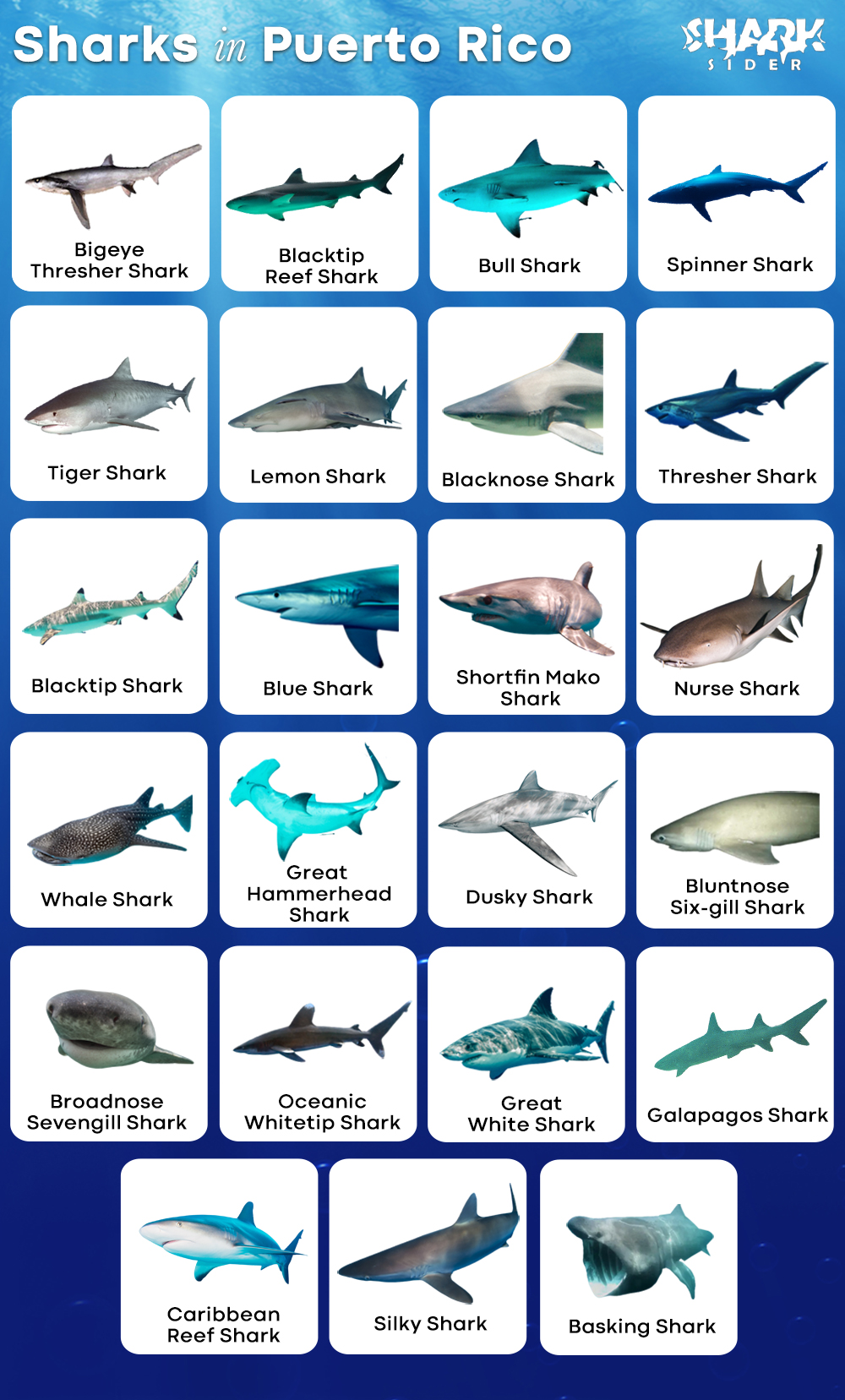
The type of sharks found in the waters off Puerto Rico are predominantly species that are not considered a significant threat to humans. These include various reef sharks, such as the nurse shark, Caribbean reef shark, and blacktip shark. Whale sharks, the largest fish in the sea, are also known to migrate through these waters, though they are gentle filter feeders and pose no danger. Hammerhead sharks and tiger sharks are also present, but sightings are uncommon, and they tend to be found in deeper offshore areas. Understanding the habits and habitats of these species is key to appreciating their presence without undue alarm.
Understanding Shark Presence and Human Interaction
The waters surrounding Puerto Rico are part of the wider Caribbean Sea, a region known for its rich biodiversity. This biodiversity extends to a variety of shark species, each with its own ecological niche. From the shallows where snorkelers and divers explore to the deeper abyssal plains, sharks are a natural component of the marine environment.
Common Shark Species in Puerto Rican Waters
When considering sharks in Puerto Rico, it’s helpful to categorize them by their typical habitat and behavior. This provides a clearer picture of their role in the ecosystem and the likelihood of any interaction.
Reef Sharks: The Most Frequently Encountered
The most common sharks encountered by divers and snorkelers are those that inhabit the coral reefs. These include species like the nurse shark (Ginglymostoma cirratum), often found resting on the seafloor or within reef crevices. Nurse sharks are generally docile and sluggish, and they are not aggressive towards humans. They are bottom-dwellers, feeding primarily on small fish, crustaceans, and mollusks. While they can be approached with caution and respect, it’s always advisable to give them space and avoid provoking them.
The Caribbean reef shark (Carcharhinus perezi) is another species commonly found in Puerto Rico’s reefs. They are more active swimmers than nurse sharks and are often seen patrolling the reef edges. While they are apex predators within their reef environment, they are generally wary of humans. Documented attacks on humans by Caribbean reef sharks are exceedingly rare. Their diet consists mainly of fish and octopuses.
Blacktip sharks (Carcharhinus limbatus) are also present, particularly in coastal waters and areas with good fishing activity, as they are attracted to schools of fish. They are known for their acrobatic leaps out of the water when feeding. While they can be curious, they typically avoid direct contact with humans and are not considered a significant threat.
Pelagic and Deep-Sea Sharks
Beyond the reefs, the open ocean and deeper waters host a different array of shark species. Tiger sharks (Galeocerdo cuvier) and bull sharks (Carcharhinus leucas) are known to inhabit Puerto Rico’s waters. These are larger and more powerful predators. However, their presence is more often in deeper, offshore areas, and encounters with swimmers or recreational boaters are infrequent. Bull sharks are notable for their ability to tolerate freshwater, sometimes venturing into brackish estuaries, but direct human encounters in tourist areas are exceptionally rare.
The magnificent whale shark (Rhincodon typus), the largest shark and indeed the largest fish in the world, is a migratory visitor to Puerto Rico’s waters. These gentle giants are filter feeders, consuming plankton and small fish by swimming with their mouths open. They pose absolutely no threat to humans and are a breathtaking sight for those lucky enough to encounter them, often on boat tours that specifically seek them out.
Safety and Responsible Tourism in Shark-Infested Waters
The presence of sharks in Puerto Rico should not deter visitors from enjoying the island’s incredible marine offerings. The vast majority of shark species are harmless to humans, and even the potentially more dangerous ones actively avoid human contact. The key to safe enjoyment of the ocean lies in understanding and practicing responsible tourism.
Minimizing Risks and Maximizing Enjoyment
Several simple precautions can significantly minimize the already low risk of a negative shark encounter. Firstly, it’s advisable to avoid swimming at dawn or dusk, as these are periods when many shark species are most active in their hunting. Swimming in murky waters should also be avoided, as reduced visibility can increase the chances of mistaken identity by a shark.
Staying in groups is generally a good idea when swimming or snorkeling, as sharks are more likely to approach solitary individuals. If you are fishing, it’s wise to avoid areas where people are swimming, and if you get a fish on your line, reel it in quickly and avoid trailing bait or chum in the water near swimmers.
Many of Puerto Rico’s popular tourist destinations, such as the beaches around San Juan or the waters off Vieques and Culebra, have lifeguards present. Heeding their advice is paramount. They are aware of local conditions and any potential marine life sightings. For those interested in diving, reputable dive operators will be well-versed in local shark behavior and will guide you on how to safely observe these animals. Many dive sites in Puerto Rico, including those near La Parguera and the Mona Passage, offer incredible opportunities to see sharks in their natural environment, often from a safe distance.
Respecting Marine Life
The most important aspect of enjoying Puerto Rico’s marine environment is to foster respect for its inhabitants, including sharks. These animals are vital to the health of the ocean and are not inherently aggressive towards humans. They are often curious but generally shy. Feeding sharks is strictly prohibited as it alters their natural behavior and can lead to them associating humans with food, which can increase risks.
When snorkeling or diving, maintain a safe distance and never attempt to touch or harass a shark. Observe them respectfully from afar, appreciating their beauty and the important role they play in the marine ecosystem. This approach ensures that both visitors and the wildlife can coexist harmoniously, preserving the natural wonder of Puerto Rico for generations to come.
Planning Your Puerto Rican Adventure: Accommodation and Activities
When planning a trip to Puerto Rico, the focus is often on experiencing the island’s vibrant culture, exploring its stunning natural landscapes, and enjoying its world-class beaches. The presence of sharks is a minor consideration for most travelers, as the vast majority of experiences in the water are perfectly safe and incredibly rewarding.
For accommodations, Puerto Rico offers a wide range of options to suit every budget and travel style. From luxurious resorts like the Dorado Beach, a Ritz-Carlton Reserve to charming boutique hotels and comfortable vacation rentals, there’s something for everyone. Many hotels are located directly on or near beautiful beaches, providing easy access to the ocean. For instance, staying near Condado Beach or Isla Verde in San Juan places you in the heart of the action with stunning ocean views and plenty of opportunities for water activities.
Top Attractions and Experiences
Puerto Rico is brimming with attractions that highlight its natural beauty and rich history. Exploring the El Yunque National Forest, the only tropical rainforest in the U.S. National Forest System, offers a chance to see diverse flora and fauna. Historical sites like Old San Juan with its ancient Spanish fortifications, including Castillo San Felipe del Morro and Castillo San Cristobal, provide a glimpse into the island’s past.
For marine enthusiasts, activities such as snorkeling and diving are highly recommended. Destinations like Culebra and Vieques, particularly Flamenco Beach and Bioluminescent Bay (Mosquito Bay), offer unparalleled opportunities to witness the underwater world. While sharks may be present in these areas, they are part of the natural marine life. Responsible snorkeling and diving practices, guided by local experts, ensure a safe and unforgettable experience. Many tour operators offer excursions that focus on marine life, including opportunities to see dolphins, sea turtles, and yes, a variety of shark species in their natural, undisturbed habitat. These tours prioritize education and conservation, emphasizing the importance of sharks in the marine ecosystem.
When considering a trip to Puerto Rico, it’s essential to approach the topic of sharks with a balanced perspective. They are an integral part of the island’s breathtaking marine environment. With proper awareness, respect for nature, and adherence to safety guidelines, visitors can confidently enjoy all that Puerto Rico has to offer, from its vibrant coral reefs to its serene beaches, without fear, and with a newfound appreciation for its wild inhabitants. The island provides a wealth of experiences, from luxurious stays at places like the St. Regis Bahia Beach Resort to budget-friendly explorations, all set against a backdrop of stunning natural beauty and a thriving ocean ecosystem.
LifeOutOfTheBox is a participant in the Amazon Services LLC Associates Program, an affiliate advertising program designed to provide a means for sites to earn advertising fees by advertising and linking to Amazon.com. Amazon, the Amazon logo, AmazonSupply, and the AmazonSupply logo are trademarks of Amazon.com, Inc. or its affiliates. As an Amazon Associate we earn affiliate commissions from qualifying purchases.