
The question, “Are there sharks in the Mississippi River?” might conjure images of a Jaws-like encounter in the heart of America’s heartland. While the thought is certainly sensational, the reality is far less dramatic, though not entirely devoid of intrigue. The Mississippi River, a colossal artery of freshwater that winds its way through the United States, is a vast and complex ecosystem. It’s a place of incredible natural beauty, historical significance, and a surprising diversity of life. But when we talk about sharks, we typically associate them with the vast expanse of the ocean. So, does this apex predator of the marine world ever venture into the freshwater currents of the mighty Mississippi?
The answer, surprisingly, is a qualified “yes,” but with significant caveats that often lead to misconceptions. This article will delve into the fascinating reality of sharks in freshwater environments, specifically focusing on the Mississippi River, exploring the species that might be encountered, the conditions that allow for such unlikely visitors, and what this means for travelers and locals alike. We’ll navigate through the science, the folklore, and the practical considerations, ensuring you have a clear understanding of what truly lurks beneath the surface of this iconic American waterway.
Understanding Sharks and Freshwater Environments
Sharks, as a group, are primarily marine creatures. Their physiology and adaptations are finely tuned to the saline conditions of the ocean. However, a small number of shark species have demonstrated an extraordinary ability to tolerate, and even thrive in, freshwater environments. This remarkable adaptation is known as euryhalinity, the ability of an organism to tolerate a wide range of salinity.
The Science of Euryhalinity in Sharks
The key to a shark’s ability to survive in freshwater lies in its osmoregulation – the process of maintaining the correct balance of water and salt within its body. In saltwater, sharks have specialized glands (like their rectal gland) that help them excrete excess salt. In freshwater, the opposite problem arises: their bodies tend to absorb too much water and lose too much salt.
Species that can handle freshwater have evolved mechanisms to cope with this osmotic imbalance. Some can reduce their salt excretion and even reabsorb salts from their kidneys. Others, like the bull shark, have a remarkable capacity to adjust their internal salt concentrations, allowing them to venture into rivers, estuaries, and even completely freshwater lakes. This flexibility is what opens the door for certain shark species to appear in places far from the open sea.
Dispelling Myths and Misconceptions
The idea of sharks in rivers often sparks sensational headlines and urban legends. It’s important to distinguish between rare, exceptional occurrences and common inhabitants. When people ask if there are sharks in the Mississippi River, they are often envisioning a plentiful population of fearsome predators, akin to what one might find in the Atlantic Ocean. In reality, any shark found in the Mississippi River would be an unusual visitor, likely due to specific environmental factors or migratory patterns.
The vast majority of the Mississippi River’s inhabitants are freshwater species, accustomed to life without salt. Introducing a marine or brackish-water species into this environment is a significant physiological challenge. Therefore, while the possibility exists, it’s crucial to understand the context and the rarity of such events to avoid undue alarm.
Shark Species Capable of Freshwater Entry
Not all sharks are created equal when it comes to adapting to different salinity levels. A select few species are known for their remarkable ability to venture into brackish and even purely freshwater environments. When considering the Mississippi River, two species often come to the forefront of this discussion.
The Bull Shark: A Freshwater Pioneer
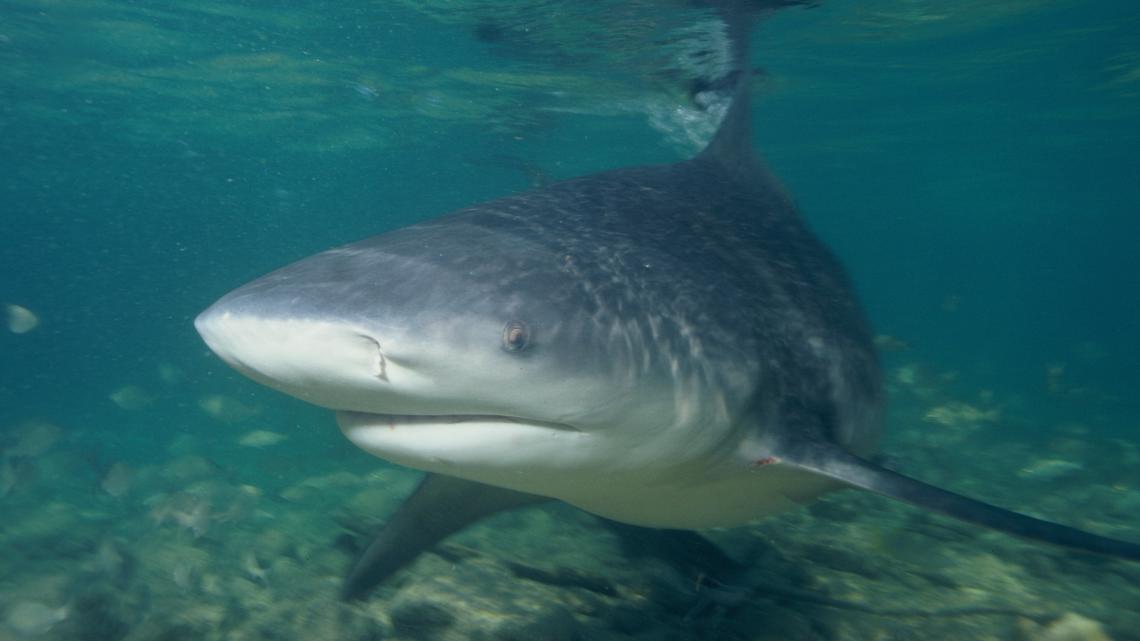
The bull shark (Carcharhinus leucas) is arguably the most famous and well-documented freshwater-tolerant shark. These powerful predators are known for their aggressive nature and their ability to navigate a wide range of water conditions. They are not only found in coastal waters and estuaries but have been documented swimming far up freshwater rivers, including the Mississippi.
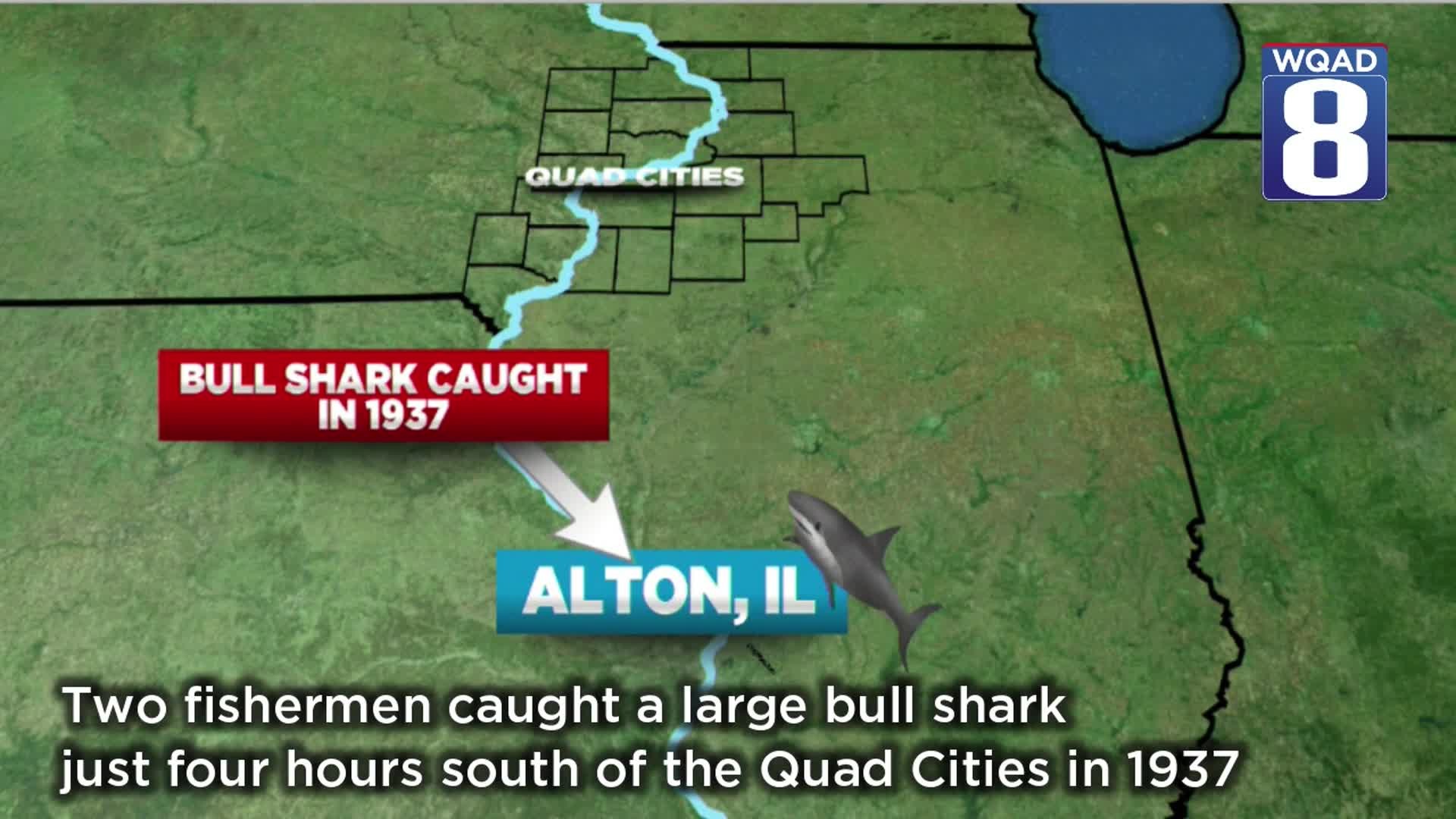
Historically, bull sharks have been reported in the Mississippi River as far north as Illinois. Their presence is often attributed to their opportunistic feeding habits and their physiological adaptability. They can regulate their salt balance to a degree that allows them to survive for extended periods in freshwater. However, their numbers in the river are generally considered very low, and sightings are rare. Their appearance is more likely in the lower reaches of the river, closer to the Gulf of Mexico, where salinity levels can fluctuate more significantly.
Other Potential, Though Less Likely, Visitors
While the bull shark is the primary candidate, other species might, under exceptionally rare circumstances, find their way into the Mississippi. Species like the spinner shark (Carcharhinus brevipinna) and the blacktip shark (Carcharhinus limbatus) are also known to tolerate brackish water and might venture into estuaries. However, their tolerance for purely freshwater environments is generally considered less pronounced than that of the bull shark.
It’s crucial to emphasize that these are very rare occurrences. The further upstream one travels on the Mississippi, the less likely any shark species would be to survive due to the lack of salinity and the different prey base. The main ecosystem of the lower Mississippi River is a dynamic one, influenced by tidal surges and freshwater outflow, creating conditions where a bull shark might temporarily thrive.
Encounters and Safety in the Mississippi River
The possibility of encountering a shark in the Mississippi River, while low, raises questions about safety and what to expect for those who live near or travel along its banks. Understanding the context of these encounters is key to appreciating the river’s complex ecosystem without undue fear.
Factors Influencing Shark Presence
Several factors can influence whether a shark might venture into the Mississippi River:
- Proximity to the Ocean: The lower reaches of the Mississippi, near its delta and the Gulf of Mexico, are more susceptible to saltwater intrusion. This brackish water environment is more conducive to species that can tolerate varying salinity levels.
- Prey Availability: Sharks are predators, and their presence in any waterway is often dictated by the availability of food. If prey species that sharks feed on are abundant in the river, it might attract them.
- Water Temperature and Season: Like many marine animals, sharks’ movements can be influenced by water temperature. Warmer months might see them venturing further inland in search of suitable conditions.
- Natural Disasters and Environmental Changes: Extreme weather events, such as hurricanes, can alter salinity levels and currents, potentially pushing marine life into unexpected areas. Changes in water flow or pollution can also disrupt natural habitats and influence animal migration.

Practical Considerations for Travelers and Locals
For most people visiting or living along the Mississippi River, the concern about shark encounters is minimal. The primary wildlife one is likely to encounter are the abundant fish species, birds, and the occasional alligator or turtle.
- Focus on Freshwater Species: The Mississippi River is teeming with a diverse array of freshwater fish, including catfish, bass, and paddlefish. These are the stars of the river’s aquatic show.
- Safety in Numbers: Shark attacks in freshwater are exceedingly rare. The few documented instances involving bull sharks have typically occurred in areas where freshwater and saltwater mix, or in lakes connected to the sea.
- Heed Local Advice: While sensational stories might circulate, it’s always wise to pay attention to local advisories from wildlife authorities. They are the best source of information regarding any unusual animal activity.
- Enjoy the River: The Mississippi River offers incredible opportunities for travel, tourism, and experiencing nature. From the historic French Quarter in New Orleans to the scenic bluffs of Minnesota, the river is a destination in itself. Accommodations range from charming inns to luxury resorts, catering to every type of traveler. Whether you’re interested in a relaxing cruise, a fishing expedition, or exploring the rich history of the towns along its banks, the river provides a wealth of experiences. Landmarks abound, from the iconic Gateway Arch in St. Louis to the natural beauty of the Delta National Forest.
In conclusion, while the question of sharks in the Mississippi River isn’t a simple “no,” it’s important to maintain perspective. The bull shark is the most probable, and still rare, visitor. For the vast majority of the river’s length and for the overwhelming majority of people who interact with it, the concerns are about freshwater inhabitants and the typical joys of exploring a magnificent river system. The Mississippi River remains a place of wonder, offering endless possibilities for adventure, relaxation, and discovery, largely free from the sensationalized threat of its marine cousins.