
The allure of Hawaii is legendary: a vibrant tapestry of emerald peaks, pristine beaches, and a rich Polynesian culture. It’s a destination synonymous with paradise, where visitors can immerse themselves in exhilarating outdoor adventures, relax in luxurious accommodations, and discover a lifestyle deeply connected to nature. Yet, beneath the surface of this idyllic image lies a unique ecological fact that often surprises first-time travelers and adds an extra layer of peace to their experience: Hawaii is largely free of snakes. For those planning a Hawaiian escape, understanding this distinctive characteristic isn’t just a fun fact; it’s a key element that shapes the islands’ environment, wildlife, and ultimately, the unique travel experiences available.
This absence of terrestrial snakes is no accident but a testament to millions of years of geographical isolation and strict conservation efforts. It profoundly impacts everything from the safety of a hike through a lush rainforest to the serenity of a night spent in a secluded villa. From a travel perspective, it offers a particular kind of freedom – the ability to explore tropical landscapes without the common apprehension of encountering venomous or constricting reptiles. As we delve into Hawaii’s natural history and current biosecurity, we’ll uncover why this serpent-free status is so vital to the islands’ charm and how it enhances every aspect of your Hawaiian adventure, from choosing your perfect accommodation to navigating local attractions and embracing the distinctive island lifestyle.
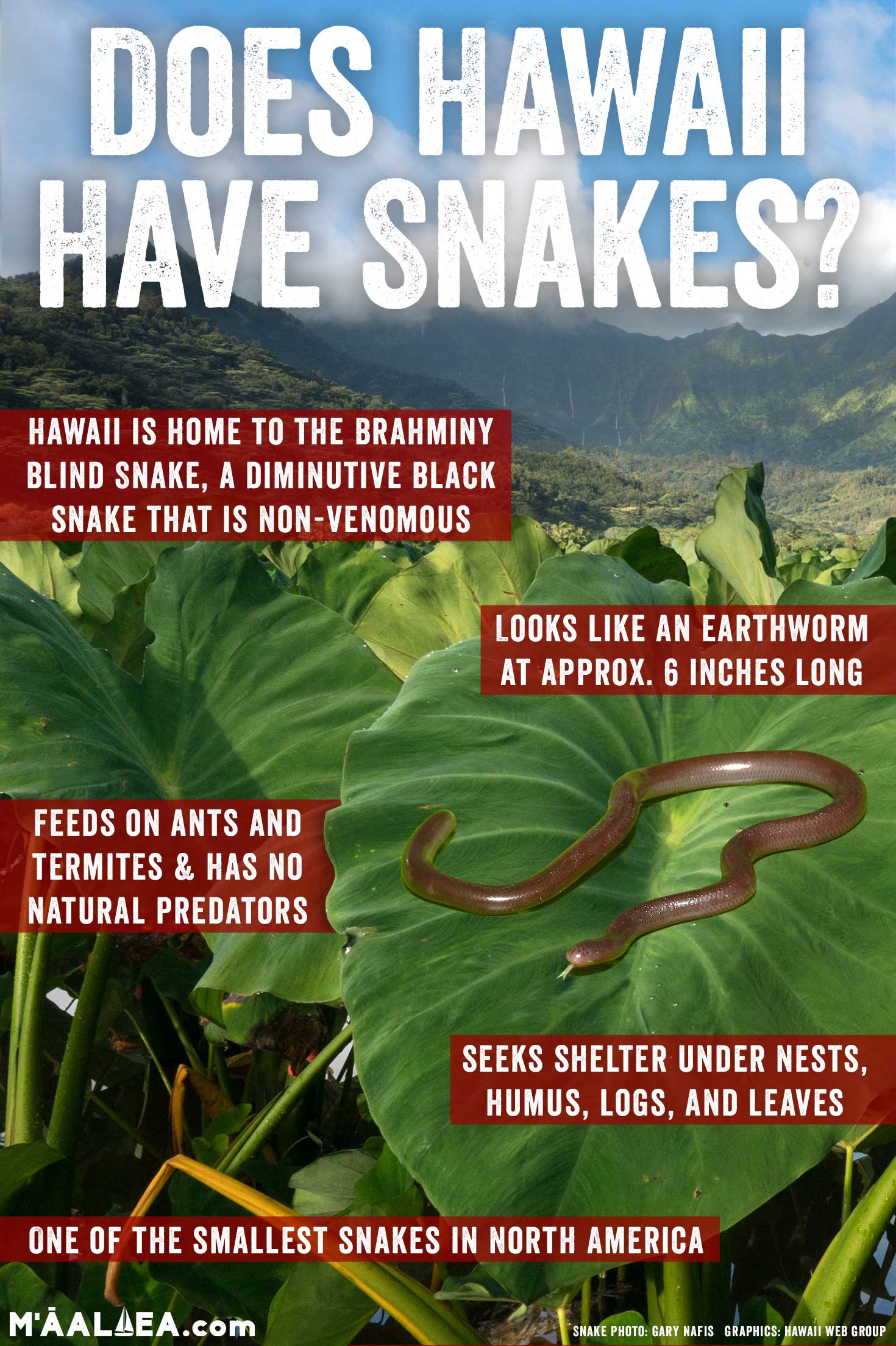
The Unique Absence: Are There Truly No Snakes in Hawaii?
The short answer for most travelers is a resounding “no” – you are highly unlikely to encounter a snake on land in Hawaii. This isn’t just a pleasant coincidence; it’s a cornerstone of the islands’ unique biodiversity and a critical point of pride for conservationists. This anomaly makes Hawaii stand out from almost every other tropical paradise worldwide, contributing significantly to its appeal as a safe and ecologically distinct travel destination.
A Natural Anomaly: Why Hawaii Stands Apart
The primary reason behind Hawaii’s snake-free status is its extreme geographical isolation. Formed by volcanic activity in the middle of the Pacific Ocean, thousands of miles from the nearest continents of North America and Asia, the islands emerged from the sea without any terrestrial flora or fauna. Over millennia, only those species capable of crossing vast stretches of ocean – carried by wind, currents, or birds – managed to reach and colonize the nascent islands. Snakes, particularly terrestrial species, are not well-suited for such epic journeys. Consequently, they never naturally established populations on the Hawaiian archipelago.
This natural barrier allowed for the evolution of an incredibly unique ecosystem, largely devoid of the predators found in other parts of the world. While many tropical environments are characterized by a rich diversity of reptiles, including snakes, Hawaii’s native fauna developed without this particular predatory pressure. The absence of snakes means that ground-nesting birds, insects, and other small creatures evolved without the need for sophisticated anti-snake defenses, making them particularly vulnerable to any potential snake introduction.
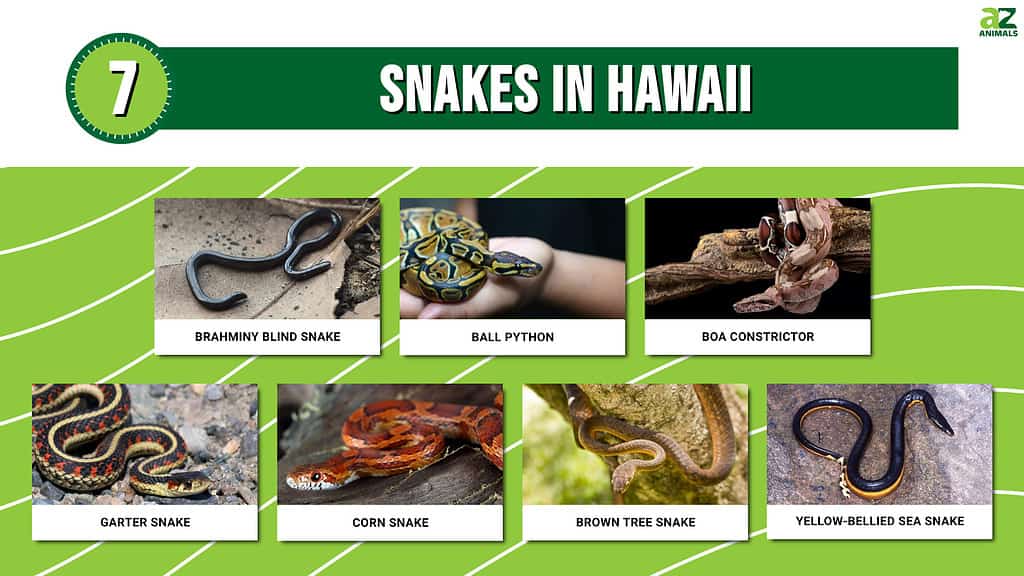
It’s worth noting the technicality that there is one species of sea snake, the yellow-bellied sea snake (Pelamis platurus), that occasionally washes ashore in Hawaii. However, these marine reptiles are rarely seen, primarily live in the open ocean, and are highly venomous but generally not aggressive unless provoked. Encounters are exceptionally rare and typically involve deceased or distressed individuals washed up on beaches. For practical purposes, and from a traveler’s perspective, the islands are considered free of terrestrial snakes. This fundamental difference shapes the local wildlife and guarantees a hiking or beach experience unlike almost anywhere else.
The Brown Tree Snake Threat: Vigilance is Key
While Hawaii is naturally snake-free, the threat of invasive species is a constant and serious concern. The most significant threat comes from the brown tree snake (Boiga irregularis), a highly adaptable and voracious predator native to parts of Australia, Papua New Guinea, and the Solomon Islands. This snake was accidentally introduced to Guam after World War II and subsequently decimated the native bird populations there, driving many species to extinction and causing widespread ecological and economic damage, including power outages due to snakes climbing utility poles.
The ecological catastrophe on Guam serves as a stark warning for Hawaii. If the brown tree snake were to establish itself in the islands, the consequences for Hawaii’s unique and fragile ecosystem would be devastating. Its native birds, many of which are ground-nesting and have evolved without natural predators, would be particularly vulnerable. The economic impact on tourism, agriculture, and infrastructure would also be immense.
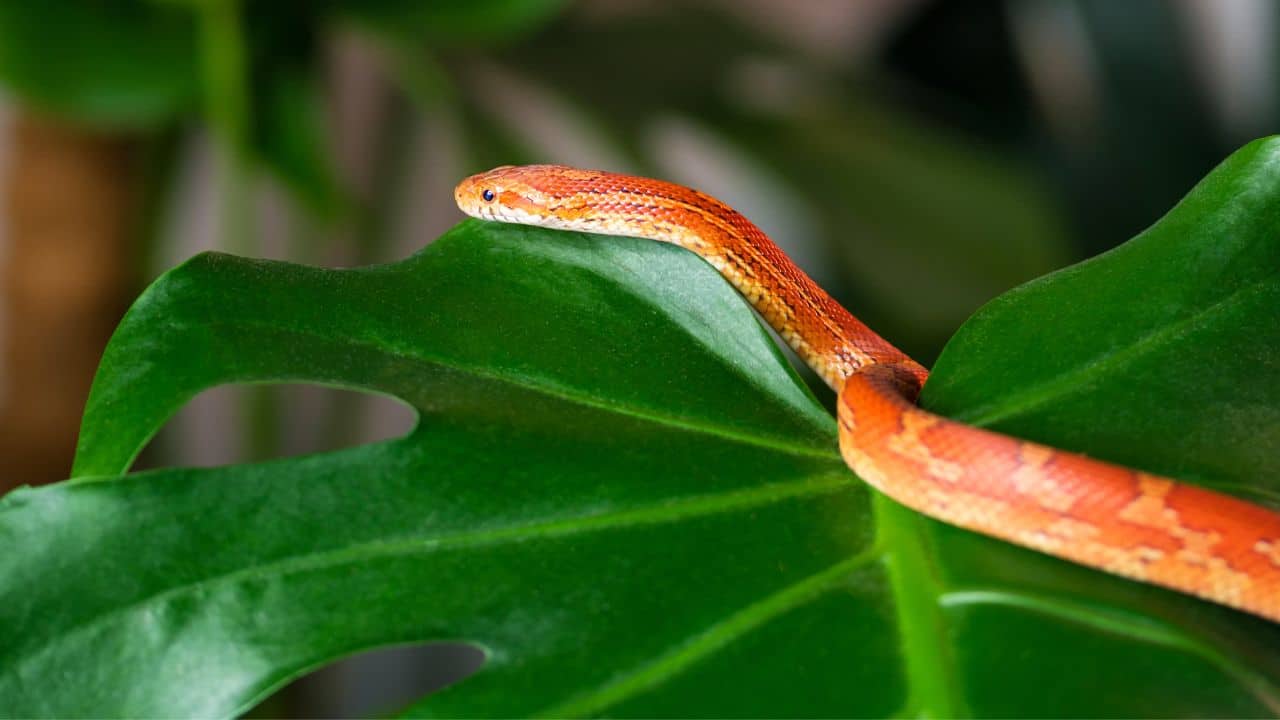
Recognizing this existential threat, Hawaii maintains some of the most stringent biosecurity measures in the world. The Hawaii Department of Agriculture (HDOA), in collaboration with the United States Department of Agriculture (USDA) and other agencies, operates vigilant inspection programs at all ports and airports. Every cargo container, piece of luggage, and aircraft arriving from overseas is subject to scrutiny. Trained dogs sniff out potential stowaways, and public awareness campaigns educate residents and visitors about the dangers of illegal snake introductions. Penalties for importing illegal reptiles are severe, reflecting the state’s unwavering commitment to protecting its natural heritage. These efforts are not just about preventing a potential ecological disaster; they are about preserving the very essence of what makes Hawaii a unique and treasured travel destination – a pristine natural environment where endemic species can thrive without the threat of a slithering predator.
Exploring Hawaii’s Pristine Ecosystems and Unique Wildlife
The absence of terrestrial snakes in Hawaii has not only shaped its evolutionary history but continues to define its present-day ecosystems. This distinct biological heritage is a significant draw for tourists, offering unparalleled opportunities to witness wildlife that exists nowhere else on Earth, and to participate in responsible tourism that helps preserve this precious environment.
A Haven for Endemic Species
Hawaii’s isolation has fostered an extraordinary degree of endemism, meaning that a vast number of its species are found only here. Without terrestrial snakes to prey on them, many native Hawaiian birds evolved to nest on the ground, creating unique behaviors and adaptations. The most famous example is the Nene Goose (Branta sandvicensis), Hawaii’s state bird, which is the world’s rarest goose and nests on lava flows and in dense vegetation. Its survival, along with countless other insect species, snails, and plants, is intrinsically linked to the absence of snake predators.
Beyond birds, Hawaii’s waters teem with vibrant marine life. While not directly related to the lack of terrestrial snakes, the overall health of the ecosystem supports incredible spectacles like the seasonal migration of Humpback Whales to calve in Hawaiian waters and the presence of the critically endangered Hawaiian Monk Seal, one of the two remaining monk seal species. Snorkeling and diving reveal coral reefs bustling with endemic fish species, providing a breathtaking underwater experience for any visitor. Exploring the islands, whether hiking through the lush rainforests of Kauai or traversing the volcanic landscapes of the Big Island, travelers will encounter a natural world utterly distinct from any other. This unique biodiversity is a primary reason many choose Hawaii as their destination, seeking to connect with nature in its purest, most untouched form.
Responsible Tourism: Protecting Paradise
The privilege of experiencing Hawaii’s unique ecosystems comes with a profound responsibility. Every visitor plays a role in protecting this delicate balance. The “Malama Aina” philosophy, which translates to “care for the land,” is deeply ingrained in Hawaiian culture and encourages respectful interaction with the natural environment.
For travelers, this translates into several key practices. Firstly, understanding and cooperating with biosecurity measures is paramount. This includes declaring all agricultural items upon arrival, cleaning hiking boots before and after trails to prevent the spread of invasive seeds or organisms, and never intentionally or unintentionally introducing any foreign plant or animal material. When exploring, sticking to marked trails helps prevent damage to fragile native habitats. Avoiding the collection of natural souvenirs, such as lava rocks or sand, is also crucial, not only out of respect for local beliefs but also to prevent ecosystem disruption.
Many hotels and resorts across Oahu, Maui, and other islands actively promote sustainable tourism practices. These often include water conservation programs, recycling initiatives, and support for local conservation efforts. By choosing eco-conscious accommodations and tour operators, visitors can contribute directly to the preservation of Hawaii’s natural wonders. Engaging with local guides provides deeper insights into the culture and ecology, fostering a greater appreciation for the islands’ unique heritage. The snake-free environment allows for uninhibited exploration of natural areas, making it even more important for visitors to tread lightly and ensure that this pristine state endures for generations to come. Responsible tourism isn’t just a trend in Hawaii; it’s a necessity, woven into the fabric of the travel experience to ensure the longevity of its distinctive paradise.
Planning Your Snake-Free Hawaiian Escape
The knowledge that Hawaii is virtually snake-free enhances the travel experience significantly, offering a level of comfort and freedom for outdoor exploration that is hard to find elsewhere. This peace of mind allows visitors to fully immerse themselves in the islands’ natural beauty, from pristine beaches to volcanic peaks, without the common anxieties associated with tropical environments.
Top Destinations and Attractions Without Slithering Surprises
Hawaii offers a dazzling array of destinations and attractions, each with its unique charm, all enjoyed with the comforting knowledge of no terrestrial snakes.
Oahu, the “Gathering Place,” is home to the bustling city of Honolulu and the iconic Waikiki Beach. Here, you can learn to surf, explore historic sites like Pearl Harbor, or hike to the summit of Diamond Head for panoramic views. The absence of snakes means you can venture off the main paths (where permitted) into lush interiors without concern, perhaps exploring the botanical gardens or jungle trails with greater ease.
Maui, the “Valley Isle,” captivates with its diverse landscapes. Drive the famed Maui’s Road to Hana, a winding coastal road offering breathtaking vistas, waterfalls, and secluded pools, all without worrying about what might be lurking in the dense foliage. Witness a spectacular sunrise from the summit of Haleakala National Park, where the stark volcanic landscape feels otherworldly. Snorkeling in the calm waters of Molokini Crater reveals a vibrant underwater world, a perfect complement to the serene land experiences.
Kauai, the “Garden Isle,” lives up to its name with verdant rainforests and dramatic cliffs. Hike the challenging trails of the Napali Coast (or view it from a boat or helicopter tour), or explore the “Grand Canyon of the Pacific,” Waimea Canyon. The undisturbed natural beauty here is profound, made more accessible by the absence of reptilian threats, allowing hikers to focus on the awe-inspiring scenery.
The Big Island, or Hawaii Island, offers a mesmerizing contrast, from the active volcanoes of Volcanoes National Park (where you can safely witness lava flows, if active) to the snow-capped peak of Mauna Kea and the black sand beaches of Punalu’u. Explore the coffee farms of Kona or the lush waterfalls near Hilo with confidence, knowing the only wildlife you’re likely to encounter are unique birds or gentle marine creatures. The diverse terrain, from the slopes of Mauna Loa to the lava fields of Kilauea, provides unparalleled opportunities for exploration.
Across all these islands, the ability to engage freely with the natural environment, whether on a strenuous hike or a leisurely stroll, significantly enhances the travel experience, allowing for deeper connection with the land.
Accommodations and Lifestyle: Enjoying Your Stay
The peace of mind that comes with Hawaii’s snake-free environment extends to your choice of accommodation and overall lifestyle during your trip. From luxury travel to budget-friendly options, this unique aspect contributes to a worry-free stay.
For those seeking luxury travel, Hawaii boasts world-class resorts and villas where every amenity caters to comfort and indulgence. Imagine staying at a beachfront suite at the Four Seasons Resort Maui at Wailea or experiencing the historic grandeur of The Royal Hawaiian in Waikiki. The meticulously landscaped grounds and open-air designs of many Hawaiian accommodations invite relaxation, often blurring the lines between indoor and outdoor living. Knowing that there are no hidden snakes allows for a truly relaxed experience, whether you’re enjoying a private lanai or strolling through resort gardens at dusk.
Beyond luxury, Hawaii offers a wide range of accommodation options to suit every budget and style. From charming boutique hotels that provide a glimpse into local culture to family-friendly resorts with extensive amenities, and practical apartment rentals for longer stays, booking your ideal retreat is seamless. Reviews and comparison tools on platforms like lifeoutofthebox.com make it easy to find accommodations that match your preferences, all promising a setting free from terrestrial snakes.
The lifestyle on the islands is deeply rooted in outdoor activities and appreciation for nature. Guests can participate in a traditional luau, learn to paddle a outrigger canoe, take a scenic helicopter tour, or simply unwind on a secluded beach. Without the apprehension of encountering snakes, families with children can feel more secure allowing little ones to explore nature trails or play in grassy areas near their resorts. Business stays can also benefit from this serene environment, offering a tranquil backdrop for unwinding after conferences or meetings. The ability to embrace the outdoor Hawaiian lifestyle — hiking, swimming, surfing, or simply picnicking in a park — with this unique peace of mind truly sets Hawaii apart as a premier travel destination, ensuring that your memories are filled with natural beauty and unparalleled serenity.
In conclusion, Hawaii’s status as a virtually snake-free paradise is a unique ecological gift that profoundly enhances the travel experience. It allows for uninhibited exploration of its breathtaking landscapes and contributes to the thriving of its endemic species. By understanding and respecting the islands’ stringent biosecurity measures and embracing responsible tourism, every visitor can play a part in preserving this extraordinary aspect of Hawaiian paradise, ensuring that future generations can also enjoy a truly worry-free tropical escape.
LifeOutOfTheBox is a participant in the Amazon Services LLC Associates Program, an affiliate advertising program designed to provide a means for sites to earn advertising fees by advertising and linking to Amazon.com. Amazon, the Amazon logo, AmazonSupply, and the AmazonSupply logo are trademarks of Amazon.com, Inc. or its affiliates. As an Amazon Associate we earn affiliate commissions from qualifying purchases.