
The question of whether human remains are still entombed within the wreckage of the USS Arizona is a somber and deeply poignant one, resonating with visitors to the Pearl Harbor National Memorial. This iconic landmark, a powerful testament to the sacrifices made during World War II, draws millions of tourists annually, all seeking to connect with history and honor the memory of those lost on December 7, 1941. While the surface of the memorial offers a starkly beautiful tribute, the submerged hull of the USS Arizona holds secrets and a profound human element that continues to captivate and educate.

The sinking of the USS Arizona was one of the most devastating events of the attack on Pearl Harbor. The battleship, a symbol of American naval might, was struck by multiple bombs, leading to a catastrophic explosion and sinking in less than nine minutes. Of the 1,500 men on board, 1,177 were killed, many of them trapped within the vessel as it plunged to the seabed. Today, their remains lie in a watery grave, a silent and permanent monument to their service and ultimate sacrifice.
The Pearl Harbor National Memorial complex itself is a significant attraction, offering a comprehensive historical experience. Visitors can explore museums, exhibits, and the visitor center, all designed to provide context and understanding of the events of that fateful day. However, the focal point, both literally and emotionally, is the USS Arizona Memorial. Accessible by a short boat ride from the visitor center, the memorial stands on stilts above the sunken battleship, offering a place for quiet reflection and remembrance. From the memorial, visitors can peer down at the oil sheen that still rises from the wreck, often referred to as the “tears of the Arizona,” a constant reminder of the lives lost.
The question of human remains within the wreck is not just a morbid curiosity; it is intrinsically linked to the ongoing preservation efforts and the ethical considerations surrounding this sacred site. The national park service manages the memorial and the surrounding waters, ensuring that the site is treated with the utmost respect.
The Underwater Tomb: A Silent Testament
The USS Arizona rests at a depth of approximately 40 feet (12 meters) in the waters of Pearl Harbor. Its hull, though broken and partially submerged, remains remarkably intact in many sections, creating an underwater mausoleum. The sheer number of personnel lost on the ship means that a significant portion of the crew’s remains are still within the wreckage. For many families, the USS Arizona represents the final resting place of their loved ones, and the idea of disturbing these remains is a deeply sensitive issue.
The United States Navy has a policy of not recovering bodies from the USS Arizona. This decision is rooted in a profound respect for the sailors and Marines who perished. Disturbing the wreck would not only be an incredibly complex and expensive undertaking but also, for many, an act of desecration. The belief is that the ship itself has become a tomb, and its integrity should be preserved as such. The wreck is considered a war grave, and international maritime law, as well as ethical considerations, guide the approach to its preservation and remembrance.

The environmental impact of the wreck is also a consideration. While the oil leaks from the Arizona are a tangible reminder of the tragedy, extensive efforts have been made to mitigate any further environmental damage. The focus remains on preserving the site as a historical artifact and a memorial.
The Significance of the USS Arizona Memorial
The USS Arizona Memorial, dedicated in 1962, is a striking concrete structure that spans the sunken hull of the battleship. Its design is intentionally simple yet profound. A central assembly room offers panoramic views of the harbor and the surrounding islands. At either end of this room are doorways leading to a contemplative area, where visitors can look down through openings in the floor to see the remains of the ship below. The names of the 1,177 men who died on the USS Arizona are inscribed on a wall in this contemplative space, allowing visitors to connect with individuals rather than just statistics.
The memorial is more than just a tourist attraction; it is a place of pilgrimage. People from all walks of life, including survivors, veterans, their families, and history enthusiasts, visit to pay their respects. The atmosphere is one of solemnity and reflection. The boat trip to the memorial itself is an experience, as the guide often shares poignant stories and historical context, setting the tone for the visit. The stark white of the memorial against the blue waters of the Pacific creates a visually arresting scene that underscores the gravity of the site.
The visitor center at Pearl Harbor provides invaluable context. It houses artifacts recovered from the wreck, displays detailing the events of the attack, and personal stories of those who served. These exhibits help visitors understand the scale of the tragedy and the human cost of war. The Pearl Harbor Aviation Museum and the Battleship Missouri Memorial are also integral parts of the Pearl Harbor experience, offering different perspectives on the historical events.
A Living Memorial: The Ongoing Presence
The question of whether bodies still lie within the USS Arizona is, in a very real sense, answered affirmatively. The ship is a tomb, and the remains of the vast majority of those lost are still within its structure. This fact lends a unique and powerful authenticity to the memorial. It is not merely a monument built for the fallen; it is a monument built around them, preserving their final resting place.
The living memorial aspect comes from the ongoing connection that families and the nation have with the site. Every year, on the anniversary of the attack, ceremonies are held to commemorate the sacrifices made. These events bring together survivors, veterans, and the public, reinforcing the enduring legacy of the USS Arizona and its crew. For some, the presence of the oil slick, a constant visual and olfactory reminder, is a powerful symbol of the lives still held within the ship.
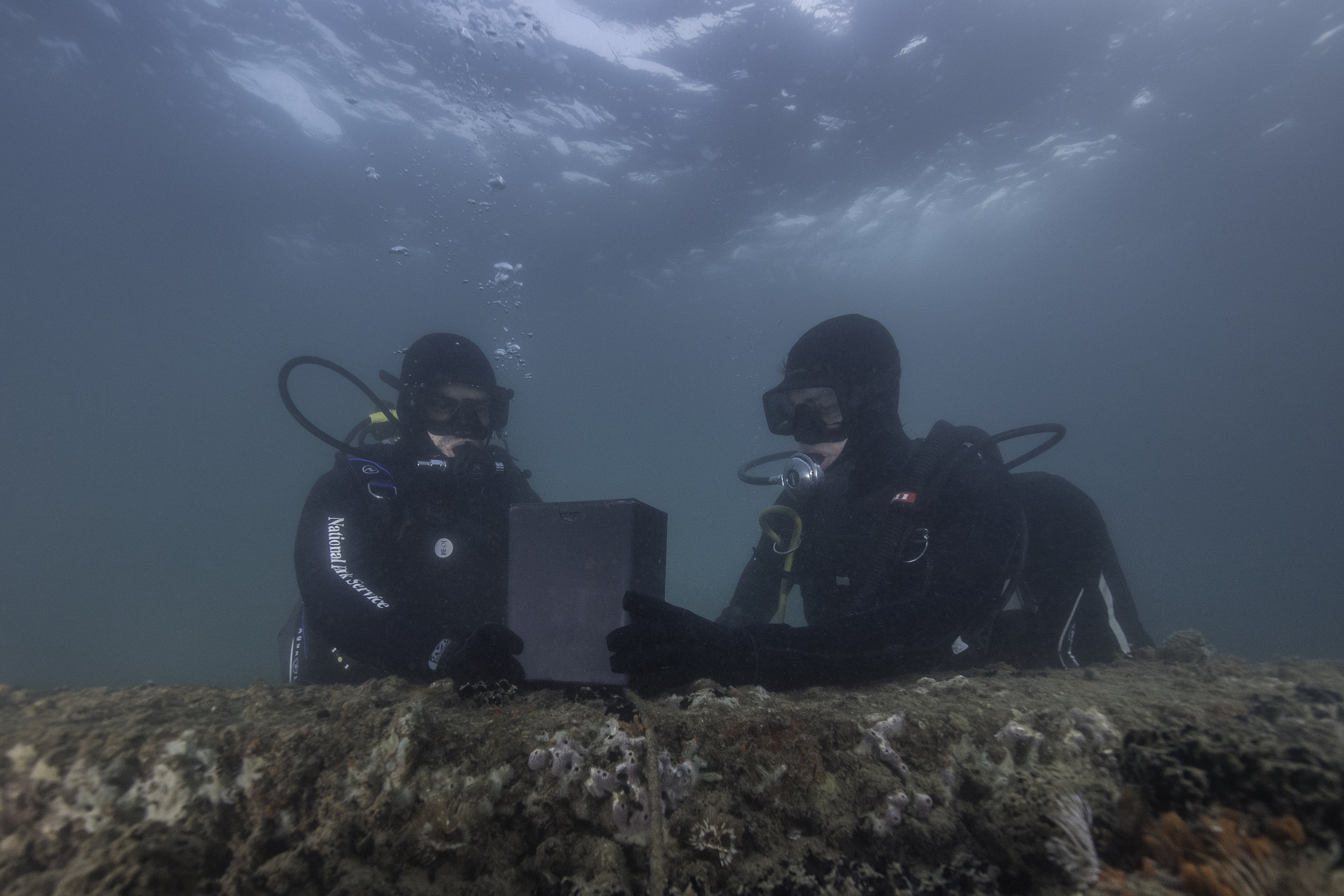
The National Park Service actively works to preserve the USS Arizona wreck, not just as a historical artifact but as a grave. This involves monitoring its structural integrity and the surrounding environment. Decisions about any potential future actions are made with the utmost care and consideration, always prioritizing the respect due to the fallen. The belief is that the best way to honor those lost is to let them rest in peace, undisturbed in their final resting place. The USS Arizona remains a powerful symbol of courage, sacrifice, and the enduring human spirit, its submerged hull a silent testament to a pivotal moment in history.