
For travelers planning an unforgettable adventure to the majestic landscapes of Colorado, a common question often arises amidst the excitement of planning hikes, ski trips, or city explorations: “Are there ticks in Colorado?” The straightforward answer is yes. Ticks are indeed present across the Centennial State, making tick awareness an essential part of responsible travel and outdoor enjoyment. While the thought of encountering these tiny arachnids might seem daunting, understanding their presence, habitats, and the necessary precautions can ensure your visit to Colorado’s stunning natural attractions remains safe, healthy, and entirely memorable.
Colorado beckons with its diverse terrain, from the sprawling plains to the towering Rocky Mountains, offering an unparalleled array of experiences for every type of traveler. Whether you’re an avid hiker tackling challenging trails in Rocky Mountain National Park, a family enjoying a leisurely picnic in Garden of the Gods, or a luxury traveler exploring the high-altitude glamour of Aspen, the outdoors will undoubtedly be a central part of your itinerary. This guide aims to equip you with comprehensive knowledge about ticks in Colorado, transforming potential concerns into actionable steps for a worry-free journey, integrating seamlessly into your travel preparation and on-the-ground lifestyle choices.
Understanding Ticks in the Centennial State
To truly enjoy the outdoor wonders of Colorado, it’s crucial to understand the local tick population. Awareness is the first step in prevention, allowing you to tailor your activities and prepare adequately.
The Types of Ticks You Might Encounter
Colorado is home to several species of ticks, each with its own characteristics and potential health implications. Knowing which ones are prevalent can help travelers identify them and understand the risks involved.
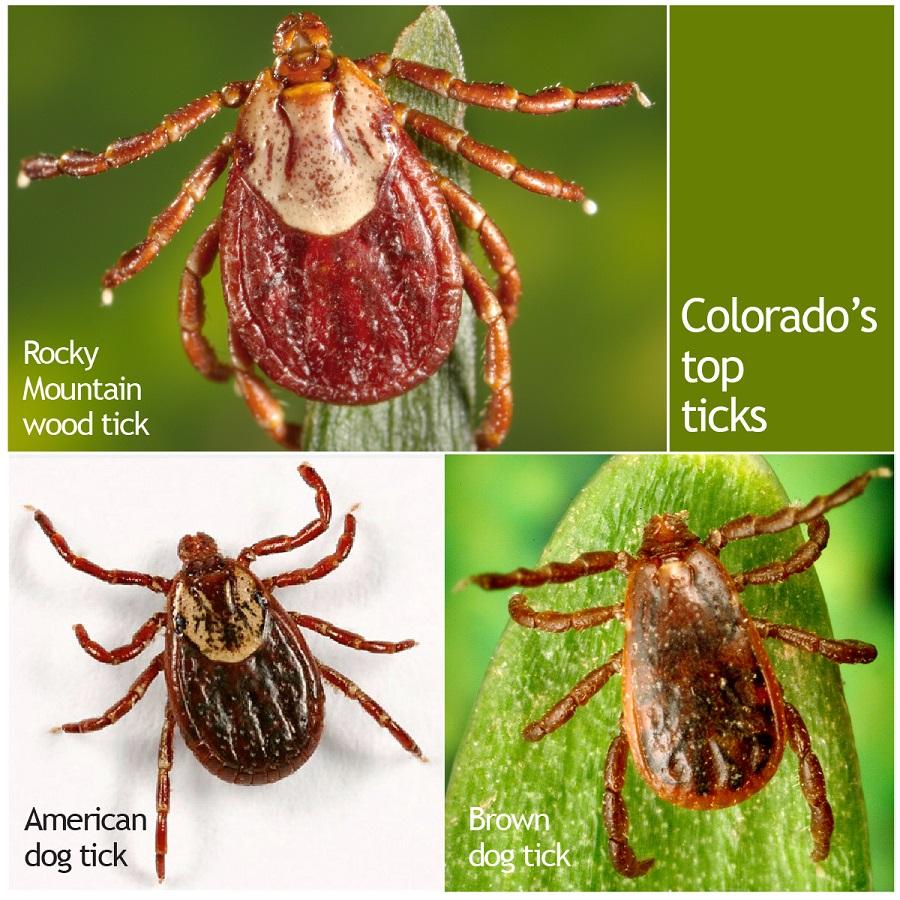
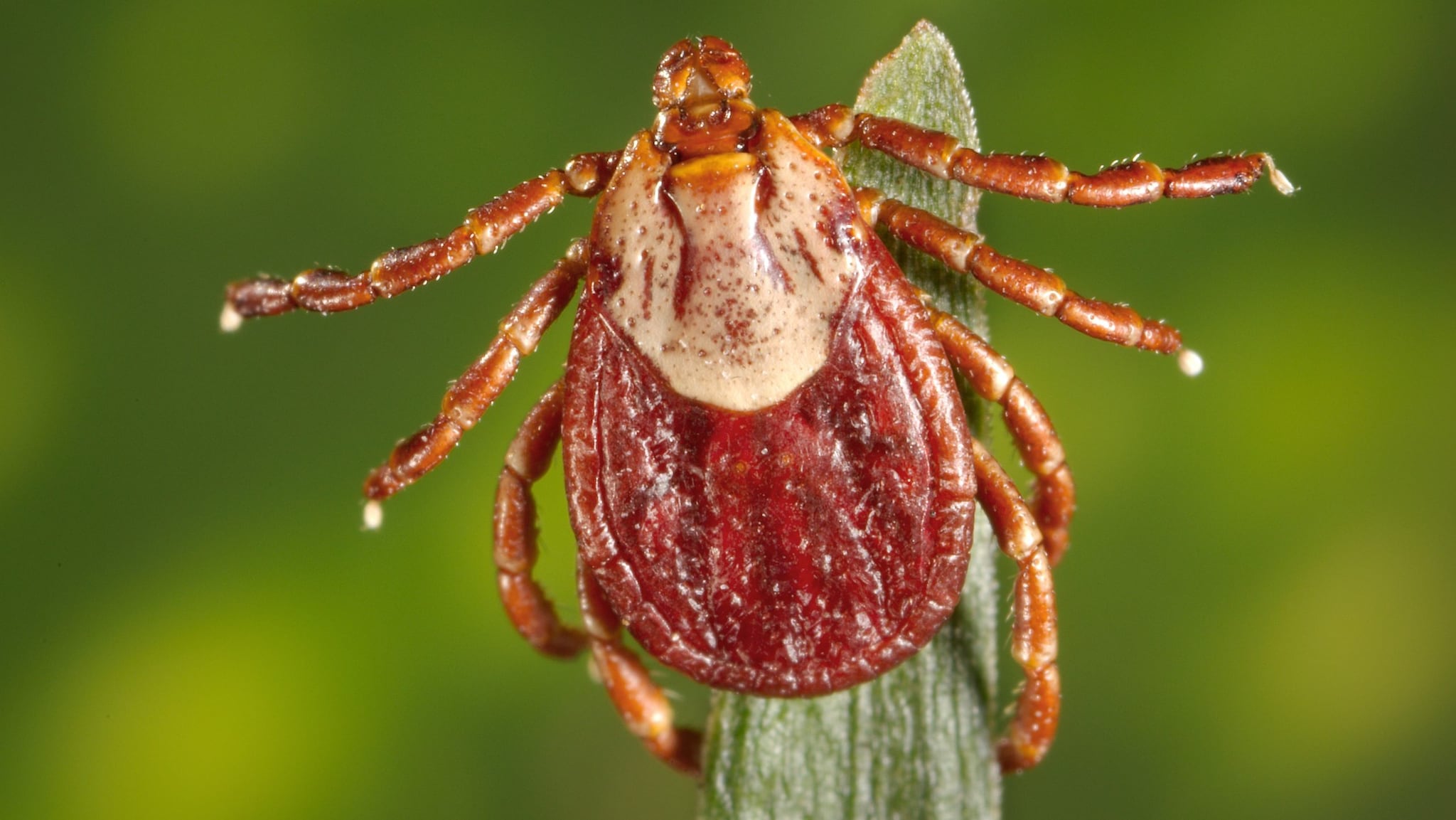
The most common tick encountered by humans in Colorado is the Rocky Mountain Wood Tick (Dermacentor andersoni). These ticks are typically active from early spring through mid-summer, thriving in the warmer months when outdoor activities are at their peak. They are a primary vector for Colorado Tick Fever and can also transmit Rocky Mountain Spotted Fever (RMSF), though RMSF is less common in humans in Colorado itself. Their presence is a significant consideration for anyone planning hiking or camping trips during these seasons.
While less common, the Western Blacklegged Tick (Ixodes pacificus) has been found in Colorado, primarily on the western slope. This species is infamous for transmitting Lyme disease in other parts of the United States. Although Lyme disease cases acquired within Colorado are historically rare, and usually associated with ticks from other regions, vigilance is still advised, especially as tick populations and distributions can shift over time. Travelers should be aware of this tick, particularly if their itinerary includes remote or heavily wooded areas on the western side of the state.
Other species that may occasionally be encountered include the American Dog Tick (Dermacentor variabilis) and the Brown Dog Tick (Rhipicephalus sanguineus). The American Dog Tick can also transmit Rocky Mountain Spotted Fever, while the Brown Dog Tick is primarily a pest of dogs but can bite humans if populations are high. Understanding these various types provides a comprehensive picture of the potential encounters during your Colorado journey.
Where Ticks Reside in Colorado
Ticks are not uniformly distributed throughout Colorado; their habitats are closely tied to vegetation, moisture, and elevation. Knowing their preferred environments helps travelers identify high-risk areas. Generally, ticks in Colorado are found in lower to mid-elevations, typically below 9,000 feet. This means that many popular tourist destinations and hiking trails fall within tick territory.
Their preferred habitats include grassy areas, brushy woodlands, areas with dense shrubs, and leaf litter. These are common features of many state parks, national forests, and open space areas surrounding cities like Denver, Boulder, and Colorado Springs. Hikers venturing off-trail or those exploring areas with tall vegetation are at a higher risk of encountering ticks. Even well-maintained trails can border areas where ticks thrive, so remaining aware of your surroundings is paramount.
Ticks are most active during specific seasons. For the Rocky Mountain Wood Tick, peak activity is from March through July, making spring and early summer prime seasons for tick exposure. However, some ticks can remain active into the fall, especially during warmer spells. Travelers planning spring or summer trips focused on hiking, camping, fishing, or wildlife photography in areas like the San Juan Mountains, the Front Range, or near Pikes Peak should be particularly vigilant. Even visitors staying at luxurious mountain resorts may find themselves exposed to tick habitats if they venture out for a nature walk or a round of golf near natural vegetation.
Navigating Colorado Safely: Tick-Borne Diseases and Prevention for Travelers
While the presence of ticks might add a layer to your travel planning, the actual risks can be significantly mitigated with proper knowledge and precautions. The key is not to avoid Colorado’s natural beauty but to engage with it safely.
The Health Risks for Colorado Visitors
Understanding the specific diseases ticks in Colorado can transmit is vital for recognizing symptoms and seeking timely medical attention if needed.
Colorado Tick Fever (CTF) is the most common tick-borne viral disease reported in humans in Colorado. Transmitted by the Rocky Mountain Wood Tick, symptoms typically appear 1-14 days after a bite and can include fever, chills, headache, muscle aches, and fatigue. While generally not life-threatening, CTF can cause significant discomfort and, in rare cases, more severe complications, particularly in children. There is no specific treatment for CTF; care focuses on managing symptoms. Travelers exhibiting these symptoms after a tick bite should consult a medical professional.
Rocky Mountain Spotted Fever (RMSF) is a more serious bacterial disease, also transmitted by the Rocky Mountain Wood Tick and the American Dog Tick. Although less common in Colorado than in some other parts of the United States, it can be severe and even fatal if not treated promptly with antibiotics. Symptoms often begin 2-14 days after a bite and include fever, headache, and a characteristic rash that typically starts on the wrists and ankles and spreads inward. Anyone experiencing these symptoms after a potential tick exposure should seek immediate medical attention.
Lyme disease, while rare for ticks acquired in Colorado, is a concern due to increasing reports of the Western Blacklegged Tick. The hallmark symptom of Lyme disease is often a “bull’s-eye” rash (erythema migrans), which appears at the site of the bite days or weeks later. Other symptoms can include fever, chills, fatigue, and body aches. Early diagnosis and antibiotic treatment are crucial to prevent the disease from progressing to more severe stages affecting joints, the heart, and the nervous system. Travelers from areas where Lyme disease is endemic should also be mindful of their existing risk factors.
Other rare tick-borne illnesses like Tularemia can also occur. The important takeaway for any traveler is to be aware of the potential for disease transmission and to monitor their health carefully after spending time in tick habitats.
Essential Prevention Strategies for Your Colorado Adventure
Preventing tick bites is the most effective way to avoid tick-borne diseases. Incorporating these strategies into your travel routine will significantly reduce your risk.
Appropriate Clothing: When venturing into tick-prone areas, wear long-sleeved shirts and long pants. Tuck your pants into your socks or boots to create a barrier against ticks crawling up your legs. Light-colored clothing is also recommended, as it makes it easier to spot ticks before they have a chance to attach. This simple habit can be applied whether you’re embarking on a strenuous hike or simply enjoying a scenic walk near your hotel or resort.
Insect Repellents: Use EPA-registered insect repellents that contain DEET, Picaridin, IR3535, Oil of Lemon Eucalyptus (OLE), Para-menthane-diol (PMD), or 2-undecanone. Apply repellents according to product instructions, paying attention to exposed skin. For an added layer of protection, consider treating clothing and gear, such as tents or backpacks, with products containing Permethrin. Permethrin should not be applied directly to skin. Many outdoor and lifestyle brands now offer pre-treated clothing designed to repel ticks, an excellent investment for frequent travelers.
Stay on Trails: Ticks often lurk in tall grasses, dense bushes, and leaf litter. When hiking or walking, stick to designated trails and avoid venturing into overgrown areas. This not only protects you from ticks but also helps preserve Colorado’s delicate ecosystems. For those exploring national parks and landmarks, adhering to marked paths is a key safety measure.
Regular Tick Checks: This is perhaps the most critical prevention strategy. After spending time outdoors, especially in tick habitats, perform a thorough full-body tick check. Pay close attention to areas where ticks love to hide: hair, scalp, ears, armpits, inside the belly button, groin area, behind the knees, and between the toes. A quick shower after outdoor activities can also help wash off unattached ticks. For families traveling with children, make tick checks a fun, routine part of the evening. Even if you’re staying at a luxury hotel, a brief walk in a nearby park could warrant a quick check.
Pet Protection: If you are traveling with pets, remember that they can also pick up ticks and bring them into your accommodation. Consult your veterinarian about tick prevention products for your pet and check them regularly for ticks. Many pet-friendly hotels and resorts appreciate responsible pet ownership that includes tick prevention.
What to Do If You Find a Tick: A Traveler’s Guide
Despite best efforts, a tick bite can sometimes occur. Knowing how to react calmly and correctly is paramount for minimizing health risks.
Safe Tick Removal for Tourists
Prompt and proper tick removal is essential. The longer a tick remains attached, the higher the risk of disease transmission.
- Use Fine-Tipped Tweezers: These are the best tools for tick removal. Always carry a tick removal kit in your travel first-aid supplies.
- Grasp Close to the Skin: Position the tweezers as close to the skin surface as possible, grasping the tick’s body near its head.
- Pull Straight Up with Steady Pressure: Do not twist or jerk the tick. Pull upward with steady, even pressure. Twisting or crushing the tick’s body can cause its mouthparts to break off and remain embedded in the skin, or squeeze infectious fluids into the bite site.
- Avoid Folk Remedies: Do not use petroleum jelly, nail polish, heat, or other folk remedies. These methods are ineffective and can irritate the tick, causing it to potentially release more saliva or regurgitate its gut contents into the bite wound, increasing the risk of infection.
- Clean the Bite Area: After removing the tick, thoroughly clean the bite area and your hands with rubbing alcohol, an iodine scrub, or soap and water.
If you are unsure or unable to remove the tick completely, seek assistance from a local clinic or urgent care center, which are readily available in most Colorado cities like Grand Junction or Fort Collins.
Post-Removal Care and When to Seek Medical Attention
After removing a tick, continue to monitor your health and the bite site.
- Monitor the Bite Site: For several weeks following the bite, keep an eye on the area for any signs of rash, swelling, or changes in color. Specifically, look for the bull’s-eye rash associated with Lyme disease.
- Watch for Symptoms: Be vigilant for any symptoms of tick-borne illness, which can include fever, chills, headache, body aches, joint pain, fatigue, or swollen lymph nodes. These symptoms can appear days or weeks after a bite.
- Consult a Doctor: If you develop any of these symptoms or are concerned about a tick bite, especially if the tick was attached for more than 24 hours, consult a healthcare provider promptly. Inform them about your recent travel to Colorado and any outdoor activities you engaged in. Many tourist-friendly towns have accessible medical facilities or urgent care centers ready to assist visitors. For instance, if you’re staying in Breckenridge, there are local clinics well-versed in outdoor-related health concerns. Early diagnosis and treatment can prevent more serious complications from tick-borne diseases.
It’s also wise to make a note of the date and location of the bite, and if possible, take a picture of the tick (or even save it in a sealed container if medical professionals request it for identification, though this is less common for prevention purposes).
Enjoying Colorado’s Beauty Responsibly: Integrating Tick Awareness into Your Travel Lifestyle
Tick awareness is not about instilling fear, but about fostering a responsible and prepared approach to enjoying the unparalleled beauty of Colorado. It’s an integral part of a healthy travel lifestyle.
Planning Your Itinerary with Tick Season in Mind
Thoughtful planning can significantly enhance your travel experience and minimize tick risks. If your primary goal is extensive backcountry hiking, consider traveling during late summer or early fall when tick activity tends to decrease (though is not entirely absent). However, Colorado’s vibrant spring and early summer also offer wildflowers and lush greenery, making these seasons highly attractive. With proper precautions, these times are still perfectly enjoyable.
Consider your choice of accommodation. If you’re opting for backcountry camping, ensure your tent is sealed, and you regularly check your sleeping gear. For those staying in cabins, vacation rentals, or even luxury hotels like the Four Seasons Resort Vail, remember to perform tick checks after returning from any outdoor excursions, as ticks can hitchhike on clothing or gear. Incorporate tick checks into your daily routine, much like you would check the weather or plan your meals.
When engaging in popular outdoor activities such as hiking, mountain biking, fly fishing in the Arkansas River, or wildlife viewing in Estes Park, make tick prevention part of your gear checklist. Just as you pack sunscreen, water, and appropriate layers, ensure you have insect repellent and a tick removal kit. For families, teach children how to look for ticks and make it a game. This proactive approach allows everyone to focus on the joy of the experience rather than worrying about potential hazards.
Resources for Travelers
Before or during your trip, leverage available resources to stay informed. The Colorado Department of Public Health and Environment offers valuable information on tick-borne diseases specific to the state, including current advisories and prevention tips. Park rangers at national and state parks, such as those in Mesa Verde National Park or Golden Gate Canyon State Park, are excellent local resources for current conditions and tick activity in their respective areas. Online travel guides and forums can also provide crowdsourced tips and experiences from fellow travelers. Integrating these resources into your travel planning ensures you have the most up-to-date information for a safe and informed visit.
In conclusion, the answer to “Are there ticks in Colorado?” is a definitive yes, but this fact should in no way deter you from experiencing the unparalleled beauty and adventure the state offers. By understanding the types of ticks present, their habitats, the potential health risks, and, most importantly, implementing effective prevention and response strategies, you can confidently explore Colorado’s diverse landscapes. Tick awareness is simply another facet of responsible tourism and a mindful travel lifestyle, ensuring that your memories of the Centennial State are filled only with breathtaking vistas and thrilling experiences, free from unwanted interruptions. Pack smart, stay vigilant, and embrace the wild heart of Colorado with confidence and peace of mind.
LifeOutOfTheBox is a participant in the Amazon Services LLC Associates Program, an affiliate advertising program designed to provide a means for sites to earn advertising fees by advertising and linking to Amazon.com. Amazon, the Amazon logo, AmazonSupply, and the AmazonSupply logo are trademarks of Amazon.com, Inc. or its affiliates. As an Amazon Associate we earn affiliate commissions from qualifying purchases.