
For many, the mention of Hawaii conjures images of pristine beaches, lush rainforests, volcanic landscapes, and vibrant culture. It’s a dream destination, an escape to paradise. Yet, for the discerning traveler, especially those planning to delve into the islands’ incredible natural beauty, practical questions often arise. One such query, perhaps surprisingly common, is about the presence of ticks. As you plan your ultimate Hawaiian vacation, understanding the local wildlife, including less glamorous creatures like ticks, is essential for a truly worry-free experience. The short answer is yes, ticks do exist in Hawaii, but the full story is far more nuanced and generally reassuring for human visitors.
Understanding the Tick Landscape in the Aloha State
When considering the wildlife of Hawaii, it’s crucial to distinguish between native species and those that have been introduced. Hawaii’s isolation in the middle of the Pacific Ocean has led to a unique ecosystem with many endemic species. However, over centuries, human activity has brought numerous non-native plants and animals to the islands, some of which have unfortunately become established. Ticks fall into this latter category.
The Good News: No Native Disease-Carrying Ticks for Humans
Perhaps the most significant piece of information for travelers is that Hawaii does not have any native tick species known to transmit diseases to humans. This is a considerable relief compared to many mainland United States regions, where concerns over Lyme Disease or Rocky Mountain Spotted Fever are ever-present during outdoor activities. The ticks found in Hawaii are primarily non-native introductions, and while they can be a nuisance, their capacity to transmit serious human diseases is thankfully very limited, if not entirely absent, in the context of common local species. This contrasts sharply with environments in the Northeast, Midwest, and Southern States of the United States, where various tick species are significant vectors for human pathogens. This favorable situation enhances the appeal of Hawaii as a destination for exploring nature with less underlying apprehension about vector-borne diseases.
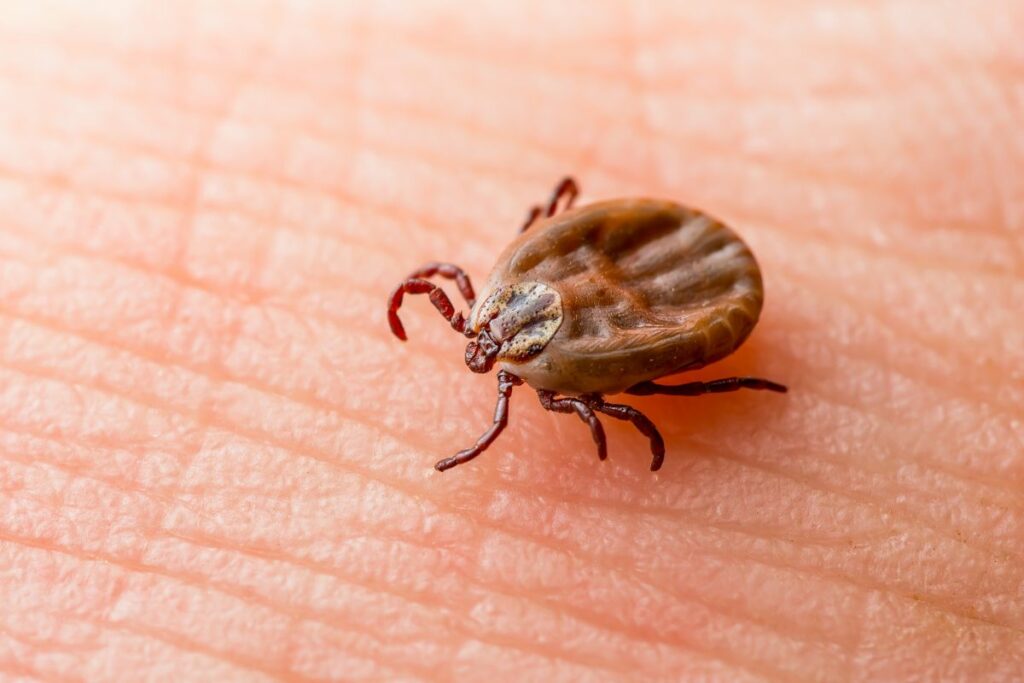
The Reality: Identifying the Ticks You Might Encounter
While the threat to human health from Hawaiian ticks is low, it doesn’t mean the islands are entirely tick-free. The species you might encounter are primarily a concern for pets and livestock, but understanding them can help you remain vigilant. The most common ticks in Hawaii include:
- The Brown Dog Tick (Rhipicephalus sanguineus): As its name suggests, this tick is predominantly found on dogs. It’s the most common tick on the islands and can survive indoors, making it a potential nuisance in homes and kennels. While primarily a canine pest, it can occasionally bite humans. The Brown Dog Tick is a known vector for Ehrlichiosis and Anaplasmosis in dogs, but its role in human disease transmission in Hawaii is considered negligible.
- The Tropical Horse Tick (Dermacentor nitens): This tick is mainly found on horses and other livestock, especially in areas with pastures. It prefers to attach around the ears and mane of its hosts. Human bites are rare, and it’s not known to transmit diseases to humans.
- The Lone Star Tick (Amblyomma americanum): While not widespread, there have been isolated reports of Lone Star Tick detections in Hawaii. This tick is highly aggressive and will readily bite humans. On the mainland, it is associated with several diseases, including Ehrlichiosis and Southern Tick-Associated Rash Illness (STARI). Given its limited presence in Hawaii, the risk is minimal, but its potential for expansion is monitored by local agricultural and health agencies.
The presence of these species underscores the importance of biosecurity and the ongoing efforts by the Hawaiian Department of Land and Natural Resources (DLNR) and other agencies to prevent the introduction and spread of invasive species that could impact the delicate ecosystem or human health. Travelers are part of this ecosystem, and understanding these elements contributes to responsible tourism.
Health Concerns and Potential Risks for Travelers
While the direct risk of tick-borne diseases to humans in Hawaii is low, it’s not zero for all concerns. The primary issue for most visitors would be the general discomfort and potential for localized skin irritation or secondary infection from a tick bite. More significantly, for those traveling with pets, the risk to animal companions is a genuine consideration.
Diseases and Symptoms to Be Aware Of
As mentioned, the ticks currently widespread in Hawaii are not significant vectors for human diseases. However, a bite from any tick, regardless of species, can cause localized itching, redness, and swelling. If a tick remains attached for an extended period, there’s a minor risk of bacterial infection at the bite site.
It’s always wise to be informed about tick-borne diseases in general, even if the risk is minimal in your immediate location. If you develop a fever, rash, or flu-like symptoms after visiting a tick-prone area (whether in Hawaii or elsewhere), it’s advisable to consult a healthcare professional and mention any potential tick exposure. Organizations like the Centers for Disease Control and Prevention (CDC) offer comprehensive information on tick-borne illnesses that can be a valuable reference for global travel.
Protecting Your Pets While Exploring Hawaii
For many, a trip to Hawaii is a family affair, often including beloved pets. Bringing pets to Hawaii has stringent regulations due to the islands’ rabies-free status. Once your pet is cleared through the strict quarantine procedures, protecting them from local pests, especially ticks, becomes important. The Brown Dog Tick is prevalent and can cause significant discomfort and health issues for dogs, including the transmission of canine Ehrlichiosis and Anaplasmosis.
Before and during your stay, consider the following for your furry companions:
- Consult your veterinarian: Ensure your pet is on an appropriate tick preventative medication before traveling and throughout your stay.
- Regular checks: After walks or outdoor play, especially in grassy or wooded areas, thoroughly check your pet for ticks. Pay attention to ears, paws, and under the collar.
- Grooming: Keep your pet’s fur trimmed, especially if they have long hair, to make tick detection easier.
- Local advice: The Hawaiian Humane Society or local vets can provide specific advice on pet care and tick management in the island environment.
Many pet-friendly accommodations in Hawaii are aware of these concerns and may offer advice or have specific cleaning protocols. When choosing your hotel or resort, inquire about their policies regarding pets and pest control if you plan to travel with an animal.
Essential Prevention Tips for a Worry-Free Hawaiian Adventure
Despite the low risk, exercising caution is always a smart approach when exploring any natural environment. Hawaii’s beauty often involves venturing into lush trails, dense forests, and tall grasses – precisely the kind of habitats where ticks can thrive. Integrating simple prevention strategies into your travel routine will allow you to fully immerse yourself in the islands’ wonders without undue concern. This is an integral part of responsible lifestyle and travel planning.
Preparing for Outdoor Excursions
Whether you’re hiking through the volcanic landscapes of Volcanoes National Park on the Big Island, exploring the verdant trails of Kauai‘s Waimea Canyon, or wandering along the famous Hana Highway on Maui, a little preparation goes a long way:
- Dress appropriately: When heading into dense vegetation, wear long pants and long-sleeved shirts. Light-colored clothing can also make it easier to spot ticks. Tuck your pant legs into your socks or boots for an extra layer of protection.
- Use insect repellent: Apply an EPA-approved insect repellent containing DEET, picaridin, IR3535, oil of lemon eucalyptus (OLE), para-menthane-diol (PMD), or 2-undecanone. Always follow product instructions carefully. For clothing and gear, consider products containing permethrin, but never apply permethrin directly to skin.
- Stay on marked trails: Ticks often reside in tall grasses, leaf litter, and dense brush. Sticking to designated trails reduces your exposure.
- Avoid prime tick habitats: If possible, steer clear of heavily wooded or overgrown areas, especially if you see signs of livestock.
Embracing these practices doesn’t diminish the spontaneity of your adventure; rather, it enhances it by providing peace of mind. Many guided tours and attractions in Hawaii focus on safety and responsible exploration, often advising similar precautions.
Post-Activity Checks and Care
After enjoying Hawaii’s outdoor activities, it’s crucial to perform a thorough tick check:
- Full body check: Inspect all parts of your body, paying close attention to areas where ticks like to hide: hair, scalp, ears, armpits, inside the belly button, behind the knees, between the legs, and around the waist. A mirror can be helpful, or have a travel companion assist.
- Shower promptly: Showering within two hours of coming indoors has been shown to reduce the risk of acquiring tick-borne diseases. It can help wash off unattached ticks and provides another opportunity for a thorough body check.
- Check gear and clothing: Don’t forget to examine your backpack, outer clothing, and any other items that might have come into contact with vegetation. Tumble dry clothes on high heat for 10 minutes to kill any remaining ticks.
- Tick removal: If you find a tick, remove it immediately using fine-tipped tweezers. Grasp the tick as close to the skin’s surface as possible and pull upward with steady, even pressure. Do not twist or jerk the tick. After removal, clean the bite area and your hands with rubbing alcohol or soap and water.
While instances of ticks on popular beaches like Waikiki Beach on Oahu or Kaanapali Beach on Maui are highly unlikely, these precautions are particularly relevant if your itinerary includes more secluded natural landmarks or hiking trails far from urban centers like Honolulu.
Enjoying Hawaii’s Natural Beauty Responsibly
The allure of Hawaii lies in its unparalleled natural beauty – from the dramatic cliffs of the Na Pali Coast to the majestic summit of Diamond Head. Concerns about ticks should certainly not deter you from exploring these incredible environments. Instead, they should reinforce the importance of informed and responsible travel choices, ensuring your journey is not only memorable but also safe and respectful of the local ecosystem.
Choosing Tick-Aware Accommodations and Activities
When selecting your accommodation in Hawaii, consider properties that prioritize pest management, especially if they are nestled in more verdant areas or offer direct access to nature trails. While five-star resorts like the Grand Hyatt Kauai Resort & Spa or the Four Seasons Resort Maui at Wailea maintain meticulous grounds, smaller villas or boutique hotels might vary in their pest control efforts. Reading reviews on accommodation websites can sometimes offer insights into guest experiences regarding pests.
Many travel guides to Hawaii emphasize engaging with local operators for activities. These local experts are typically well-versed in the specific environmental conditions of their areas and can provide up-to-date advice on safety, including any rare pest concerns. Whether you’re planning a visit to the Dole Plantation, exploring the Honolulu Zoo, or hiking to the Kilauea caldera, staying informed through reputable sources and local guidance is key.
Supporting Local Conservation Efforts
Understanding the presence of non-native ticks in Hawaii also highlights a broader issue: the vulnerability of island ecosystems to invasive species. Every traveler has a role to play in supporting Hawaii’s unique biodiversity. This extends beyond tick prevention to general practices of responsible tourism:
- Clean your gear: Before and after hiking, clean your shoes and gear to remove any seeds, soil, or hitchhiking organisms that could introduce or spread invasive species.
- Respect natural areas: Stay on marked trails, don’t disturb wildlife, and pack out everything you pack in.
- Support local initiatives: Consider donating to or learning about organizations dedicated to conservation and invasive species control in Hawaii. The National Park Service in Hawaii, for example, works tirelessly to protect the unique flora and fauna of its parks, including efforts to manage invasive threats.
In conclusion, while ticks are present in Hawaii, the good news for human travelers is that the risk of serious tick-borne illness is remarkably low compared to many other popular destinations. By understanding the types of ticks found, taking sensible precautions, and practicing responsible travel, you can fully enjoy the breathtaking natural wonders that make Hawaii an unforgettable destination, from the historic depths of Pearl Harbor to the serene shores of Lanai and Molokai. Your Hawaiian adventure can, and should, be filled with joy and discovery, not apprehension.
LifeOutOfTheBox is a participant in the Amazon Services LLC Associates Program, an affiliate advertising program designed to provide a means for sites to earn advertising fees by advertising and linking to Amazon.com. Amazon, the Amazon logo, AmazonSupply, and the AmazonSupply logo are trademarks of Amazon.com, Inc. or its affiliates. As an Amazon Associate we earn affiliate commissions from qualifying purchases.