
Florida, the Sunshine State, beckons millions of travelers each year with its sun-drenched beaches, vibrant theme parks, and lush natural landscapes. From the bustling streets of Miami to the serene waters of the Florida Keys, and the family-friendly attractions of Orlando, the state offers an unparalleled array of experiences. However, as with any destination, understanding the local climate and potential natural phenomena is crucial for a safe and enjoyable trip. This leads many visitors to ponder: are tornadoes common in Florida?
While not as notorious for tornadoes as states in the notorious “Tornado Alley” like Kansas or Oklahoma, Florida does experience a notable number of tornado events each year. It’s a misconception to believe that the state is entirely immune to these powerful storms. Understanding the nuances of Florida’s tornado activity is key to preparing for a visit, especially when considering accommodation options and planned activities. This article delves into the frequency, characteristics, and geographical distribution of tornadoes in Florida, providing essential insights for travelers and residents alike.
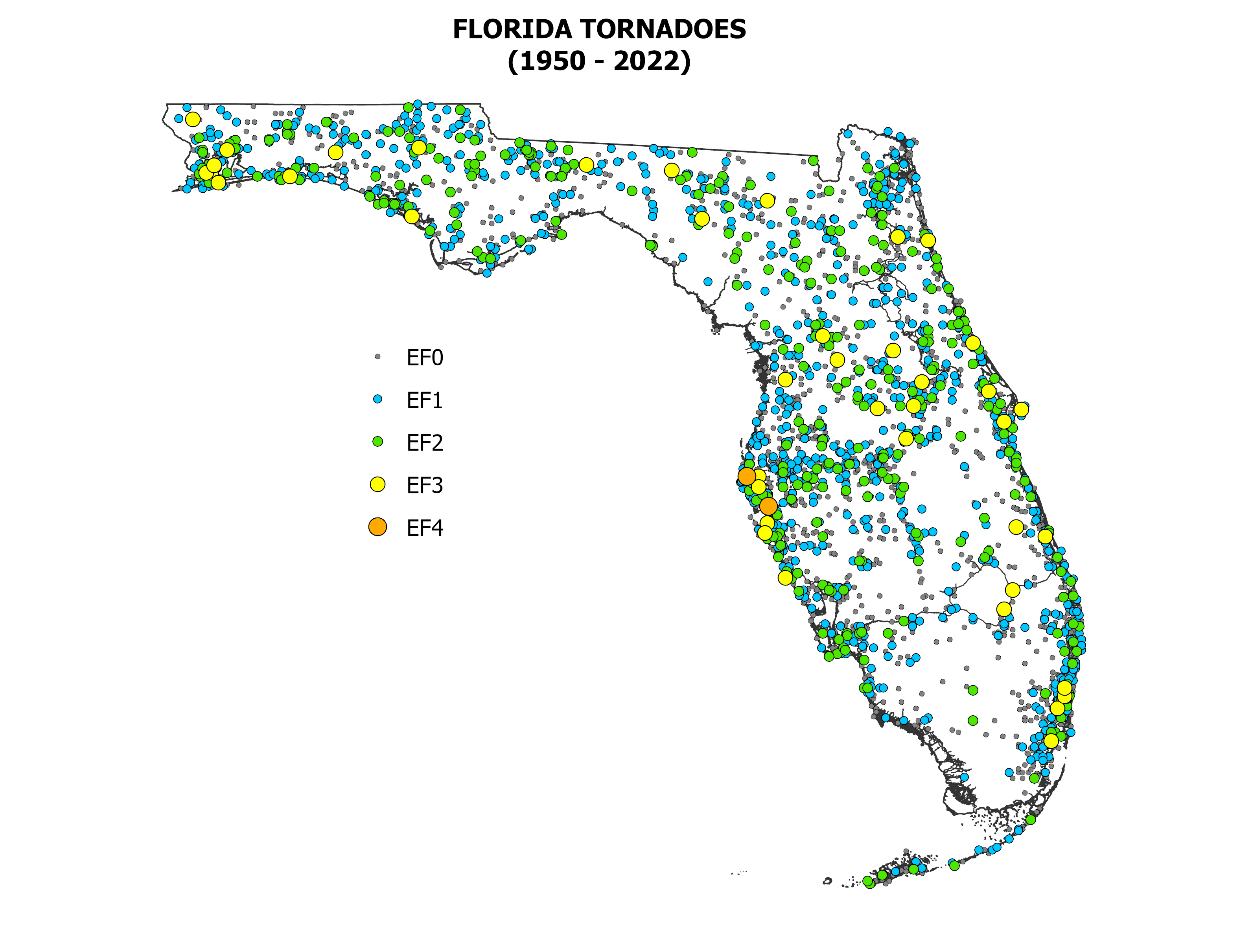
Understanding Florida’s Tornado Landscape
The perception of tornadoes in Florida often stems from a comparison to the more severe and frequent outbreaks seen in other parts of the United States. However, statistics paint a different picture, one that requires careful consideration. Florida consistently ranks among the top states for tornado frequency, though the intensity and associated damage can vary significantly.
Frequency and Intensity
Florida averages around 50-60 tornadoes per year, placing it within the top 10 states for tornado occurrences. This number, while substantial, is often accompanied by a caveat: many of these tornadoes are weak, characterized by short lifespans and minimal damage. These are often classified as EF0 or EF1 on the Enhanced Fujita scale, capable of causing minor property damage, uprooting trees, or downing power lines, but rarely leading to widespread devastation or loss of life.
However, this doesn’t mean Florida is immune to stronger tornadoes. While less frequent, EF2 and EF3 tornadoes, which can cause significant structural damage and pose a serious threat, do occur. The state has seen its share of devastating tornado events throughout history, reminding us that the potential for danger is always present. These more powerful storms, though rarer, are the ones that often make headlines and contribute to the public’s awareness of tornado risk in the region.
The Role of the Gulf and Atlantic Oceans
Florida’s unique geographical position between the Gulf of Mexico and the Atlantic Ocean plays a significant role in its weather patterns, including tornado formation. The warm, moist air emanating from these bodies of water provides the necessary ingredients for thunderstorm development. When these moisture-laden air masses collide with cooler, drier air, and are influenced by atmospheric instability, the conditions become ripe for severe weather, including tornadoes.
Furthermore, Florida’s warm climate means that the tornado season is not confined to a single period as it is in some other regions. While spring (March to May) is typically the peak season for tornado activity across much of the United States, Florida can experience tornadoes throughout the year. However, the most active periods tend to be from February through May, coinciding with the transition from cooler to warmer weather and increased atmospheric instability. The latter half of the year, particularly during hurricane season, can also see an uptick in tornado activity associated with tropical systems making landfall.
Tornadoes Associated with Tropical Cyclones
A unique aspect of Florida’s tornado risk involves tropical cyclones. Hurricanes and tropical storms, while primarily known for their high winds, heavy rainfall, and storm surge, can also spawn tornadoes. These tornadoes are often embedded within the rain bands of the storm as it approaches or crosses the state. They can be difficult to predict and can occur at any point within the tropical system, not just near the eyewall. This means that even if a direct hurricane impact is not anticipated, residents and visitors should remain aware of potential tornado threats when tropical activity is present. Experiencing a tornado from a hurricane can be particularly disorienting as the atmospheric conditions are already extreme.
Where Tornadoes Are Most Likely to Strike
While tornadoes can occur anywhere in Florida, certain areas tend to experience them more frequently due to geographical and meteorological factors. Understanding these regional patterns can help in planning travel and staying informed about potential risks.
The Florida Panhandle and Northern Florida
The northern part of the state, often referred to as the Florida Panhandle and extending into northern Florida, sees a higher concentration of tornado activity. This region is more directly in the path of cold fronts that move eastward from the Great Plains and the Midwest. These fronts are often responsible for the severe thunderstorms that can produce tornadoes. Cities like Tallahassee, Pensacola, and Jacksonville can experience these events.
Central Florida and the I-4 Corridor

The densely populated I-4 Corridor, which runs from Tampa Bay on the west coast to Daytona Beach on the east coast, also experiences a significant number of tornadoes. This stretch is a major hub for tourism, home to world-famous theme parks and a vast array of hotels and resorts. The convergence of moist air from both coasts and the interaction with frontal systems can lead to robust thunderstorm development. While many tornadoes here are weak, the high population density means that even minor tornadoes can impact tourist areas and accommodations. The proximity of attractions like Walt Disney World and Universal Orlando Resort means that visitors should be aware of weather alerts.
South Florida’s Unique Tornado Threat
While often associated with hurricanes, South Florida, including areas like Fort Lauderdale and West Palm Beach, also faces a tornado risk, particularly during the spring and summer months. Tornadoes here are often associated with sea breeze fronts interacting with inland moisture or with tropical systems. These tornadoes can be difficult to forecast and can occur with little warning. The flat terrain of South Florida means that any tornado, regardless of strength, can travel considerable distances unimpeded.
Preparing for Tornadoes in Florida: Travel and Accommodation Tips
Understanding that tornadoes are a possibility in Florida, even if not as frequent or severe as in other regions, is crucial for responsible travel planning. Being prepared can significantly enhance safety and peace of mind.
Staying Informed and Weather Awareness
The most critical step in preparing for tornadoes is to stay informed. Before and during your trip, monitor weather forecasts from reliable sources. The National Weather Service provides vital information through its local offices and online platforms. Pay attention to:
- Severe Thunderstorm Watches: These indicate that conditions are favorable for severe thunderstorms, which could produce tornadoes, in your area.
- Tornado Watches: These are issued when tornadoes are possible in your region. It’s time to review your safety plan.
- Tornado Warnings: These mean a tornado has been spotted or indicated by radar. Immediate action is required.
Many hotels and resorts in Florida offer weather alerts through their in-room systems or front desk. Familiarize yourself with your accommodation’s emergency procedures. When booking hotels, especially during the active tornado seasons, consider properties that offer storm shelters or have robust safety protocols in place. Many modern resorts, like the Ritz-Carlton Orlando, are built with guest safety as a top priority and have designated safe areas.
Accommodation Choices and Safety
When choosing accommodation in Florida, consider the following:
- Structural Integrity: Newer buildings are generally constructed to more rigorous building codes that can withstand stronger winds.
- Location within the Property: If a tornado warning is issued, you will be advised to seek shelter in the lowest level of the building, away from windows. Basements or interior rooms on the ground floor are typically the safest.
- Proximity to Storm Shelters: Some hotels, particularly those in tornado-prone areas, may have designated storm shelters. Inquire about these when booking or upon arrival. For larger resorts, understanding the layout and designated safe zones is important.
- Ground-Floor Suites vs. Higher Floors: While tornadoes can impact all levels, being on a higher floor can increase risk in a tornado event. Ground-floor rooms or suites in sturdy buildings are generally preferable if a tornado is imminent.
For those planning longer stays or looking for more independent accommodation, apartments or villas should also be assessed for their safety features. Understanding the local building codes and typical construction materials in areas like Tampa or Fort Myers can offer additional insight.
Activities and Travel Plans
The timing and nature of your planned activities can also be influenced by tornado awareness:
- Outdoor Attractions: When visiting outdoor attractions like Everglades National Park or amusement parks, always be aware of changing weather conditions. Parks often have procedures for severe weather, including temporary closures or announcements for guests to seek shelter.
- Driving: If you are driving during a tornado warning, pull over to a safe location if possible and seek sturdy shelter. Do not attempt to outrun a tornado in a vehicle, as they can be faster than you think and can easily toss cars. If no shelter is available, get out of your car and lie down in a ditch or other low-lying area, covering your head.
- Boating and Water Activities: If you are enjoying water activities in the Florida Keys or along the coast, severe weather warnings should prompt an immediate return to shore.
Conclusion: Enjoying Florida Safely
Florida’s allure as a premier travel destination is undeniable. The state offers a diverse range of experiences, from its vibrant cities and luxury resorts to its stunning natural landmarks and family-friendly attractions. While the Sunshine State experiences tornadoes, the vast majority are weak and cause minimal damage. However, the potential for stronger storms, particularly those associated with tropical systems, necessitates a level of preparedness.
By staying informed about weather forecasts, understanding regional tornado patterns, and making informed choices about accommodation and activities, travelers can significantly mitigate risks. The proactive approach to safety ensures that your visit to Florida, whether for a quick getaway or a long-term stay, remains a memorable and enjoyable experience, filled with sunshine and adventure, not anxiety. Florida’s beauty and attractions are best enjoyed when tempered with an awareness of its dynamic climate.