
The dilemma of the modern traveler is constant: how do you capture stunning, high-quality images without carrying a heavy, cumbersome camera bag? Travel photography demands a specific blend of performance, portability, and durability. The professional-grade DSLR setup, while capable, often discourages spontaneity and adds serious weight to your best travel backpacks.
Fortunately, the camera industry has listened. Today, the market is saturated with powerful, pocketable cameras that deliver image quality rivaling—and sometimes surpassing—larger systems. This guide dives deep into the best small cameras for travel photography, focusing on models that excel in image quality, form factor, features, and value for money in 2025.
Why Small Cameras Dominate Travel Photography
The size of your camera directly influences how often you use it and the types of shots you capture. A camera that fits in a jacket pocket or easily tucks into a daypack encourages you to bring it everywhere, from crowded markets in complete food guide Vietnam to quiet sunrise hikes.
Size vs. Sensor: The Balance
The primary factor determining image quality is the sensor size. Larger sensors capture more light, leading to better dynamic range, superior low-light performance, and the pleasing shallow depth of field (bokeh) that separates professional photos from smartphone snapshots.
- 1-Inch Sensors: Found in premium compact cameras. Offer a massive leap in quality over smartphones while remaining pocketable. Excellent for most travel scenarios.
- Micro Four Thirds (MFT) & APS-C: Found in mirrorless cameras. Offer interchangeable lenses and near-DSLR quality in a significantly smaller body. This is the sweet spot for serious enthusiasts.
- Full-Frame: The gold standard, now available in surprisingly compact mirrorless bodies. Offers the best image quality but comes with a higher price tag and larger lenses.
Key Features for the Modern Traveler
When evaluating small cameras, travelers should prioritize these three features:
- In-Body Image Stabilization (IBIS): Essential for sharp photos and smooth video when shooting handheld, especially in low light (e.g., street scenes at night).
- Fast Autofocus (AF): Crucial for capturing fleeting street scenes, wildlife, or action shots without missing the moment. Look for hybrid AF systems (Phase Detection + Contrast Detection).
- Tilting/Articulating Screen: Great for shooting low to the ground, high overhead, or for vlogging/self-portraits.
Premium Pocket Compacts (1-Inch Sensor)
These cameras are the ultimate “always-with-you” devices. They offer superior quality to any smartphone while maintaining true pocketability.
Sony RX100 Series (Mark V, VI, VII)
[cta img=”61sDlyi3d4L.jpg” alt=”Sony RX100 VII Premium Compact Camera” asin=”B07VPQV7BY” rating=”5.0″]
The RX100 series set the standard for premium compacts. The Mark VII is the current pinnacle, featuring Sony’s renowned Real-time Tracking AF and an incredible burst speed (up to 20 fps).
- Pros: Truly pocketable, world-class autofocus, sharp zoom lens (24-200mm equiv. on Mark VI/VII).
- Cons: Expensive, small controls can be fiddly, no dedicated grip.
- Best For: Travelers prioritizing extreme portability and fast-action shooting (e.g., street photography, wildlife glimpses).
Canon PowerShot G Series (G5 X Mark II / G7 X Mark III)
[cta img=”81ydAYKR1ZL.jpg” alt=”Canon PowerShot G7 X Mark III Digital Camera” asin=”B0FGZ241X5″ rating=”4.9″]
Canon’s G-series offers a compelling blend of features and usability. The G5 X II features a built-in Electronic Viewfinder (EVF), which is fantastic for shooting in bright daylight. The G7 X III is beloved by vloggers for its clean HDMI output and microphone jack.
- Pros: Excellent color science (great JPEGs), intuitive touchscreen interface, dedicated vlog features (G7 X III).
- Cons: Autofocus is generally slower than Sony, shorter zoom range.
- Best For: Vlogging-focused travelers and those who prefer Canon’s user-friendly interface.
Mid-Range Mirrorless (APS-C / MFT Sensor)
Mirrorless cameras offer the flexibility of interchangeable lenses without the bulk of a DSLR. The APS-C and Micro Four Thirds (MFT) systems provide the best balance of lens size and image performance.
Fujifilm X-T30 II / X-S20
[cta img=”61Vg-BuIhrL.jpg” alt=”FUJIFILM X-T30 II Mirrorless Camera” asin=”B0FBTF3CHL” rating=”4.8″]
Fujifilm cameras are celebrated for their tactile controls, retro styling, and exceptional color reproduction (Film Simulations). The X-T30 II is a small powerhouse, offering nearly the same image quality as its flagship X-T5 in a smaller, lighter package. The X-S20 focuses more on video and handling, featuring a deep grip and IBIS.
- Pros: Stunning Film Simulations (Velvia, Astia, etc.), superb image quality, excellent handling. The X-S20 adds IBIS and better battery life.
- Cons: Battery life can be average (X-T30 II), system performance relies heavily on lens choice.
- Best For: Travelers who love the process of photography, appreciate classic camera design, and want beautiful JPEG colors straight out of the camera.
Sony a6700
[cta img=”81Zo7A1N1iL.jpg” alt=”Sony Alpha a6700 Mirrorless Camera” asin=”B0DHYFZFFY” rating=”4.7″]
Sony continues to dominate the APS-C sensor market with its lightning-fast AF and cutting-edge video features. The a6700 is built around the same AF technology as the full-frame A7R V, making it unbeatable for tracking moving subjects. It’s a superb hybrid camera for both stills and 4K video.
- Pros: Best-in-class autofocus, 4K video capabilities, large established lens ecosystem.
- Cons: Handling can feel cramped for large hands, rolling shutter visible in some video modes.
- Best For: Serious photographers and videographers who need professional speed and performance in a small body.
Olympus/OM System OM-5 (Micro Four Thirds)
[cta img=”81K9M+aLxSL.jpg” alt=”OM-5 Mark II Body Silver Compact Camera” asin=”B0FDH2Z69X” rating=”4.6″]
While smaller than APS-C, the MFT sensor benefits from significantly smaller lenses, making the total system (camera + lens) much more portable. The OM-5 is famous for its industry-leading weather sealing and exceptional In-Body Image Stabilization (IBIS).
- Pros: Outstanding weather sealing (great for the tropics or wet climates), superior IBIS (can shoot handheld at very slow shutter speeds), highly compact lenses.
- Cons: Smaller sensor means slightly more noise in extreme low light.
- Best For: Adventure travel, hiking, and travelers needing extreme durability and weather resistance (e.g., trips to the rainforest or mountainous regions).
Full-Frame Compacts (Ultimate Quality)
For those who simply cannot compromise on quality, recent full-frame cameras have shrunk to near-APS-C size.
Sony a7C II
[cta img=”81GRnkVZJoL.jpg” alt=”Sony a7C II Mirrorless Camera” asin=”B0FJSCYJFT” rating=”4.6″]
The a7C II packs the massive 33MP full-frame sensor and the incredible AF of the A7 IV into a body the size of an APS-C camera. This offers the ultimate combination of image quality and portability, though the lenses will still be larger than those used on smaller systems.
- Pros: Unmatched image quality, fantastic low-light performance, professional features (4K video, IBIS).
- Cons: Higher price point, the size/weight of full-frame lenses can defeat the purpose of the small body.
- Best For: Professional photographers or enthusiasts who demand the absolute best sensor quality and budget is not the main constraint.
The Smartphone Challenge: Why Carry an Extra Camera?
While modern smartphones are capable, a dedicated small camera still offers crucial advantages that significantly enhance travel photography:
- Zoom: Optical zoom (especially the 24-200mm range in premium compacts) allows for creative framing and detail capture that digital zoom cannot replicate.
- Low-Light Performance: The larger sensor size (1-inch and up) captures far more light, resulting in cleaner, less noisy images in poor lighting.
- Ergonomics and Control: Dedicated physical dials and comfortable grips offer faster, more precise manual control over settings like aperture and shutter speed.
- Battery Life: A dedicated camera won’t drain your phone battery, which you need for maps, communication, and emergencies (a critical part of being a digital nomad).
Gearing Up: Accessories for Your Small Camera
Once you select your perfect camera, a few minimal accessories will complete your setup:
Memory and Storage
A fast U3 V30 SD card (at least 128GB) is necessary for high-bitrate 4K video and fast burst shooting. Always carry a secondary backup card, especially if you plan on long travel without immediately backing up to an external hard drive or cloud storage.
Camera Straps and Protection
Ditch the wide, branded neck strap that came with the camera. Opt for a slim, adjustable wrist strap or a Peak Design-style sling strap that keeps the camera secure yet accessible. A small, durable neoprene camera case is often sufficient for padding when the camera is packed inside your travel bag.
Batteries
The compact size of these cameras often comes at the expense of battery capacity. Always carry at least one spare battery. For extended trips, consider a third-party USB charger that allows you to top up batteries via a power bank or laptop, especially useful when navigating remote areas like those detailed in guides on ultimate guide visiting Bali.
Conclusion: The Best Camera Is the One You Have With You
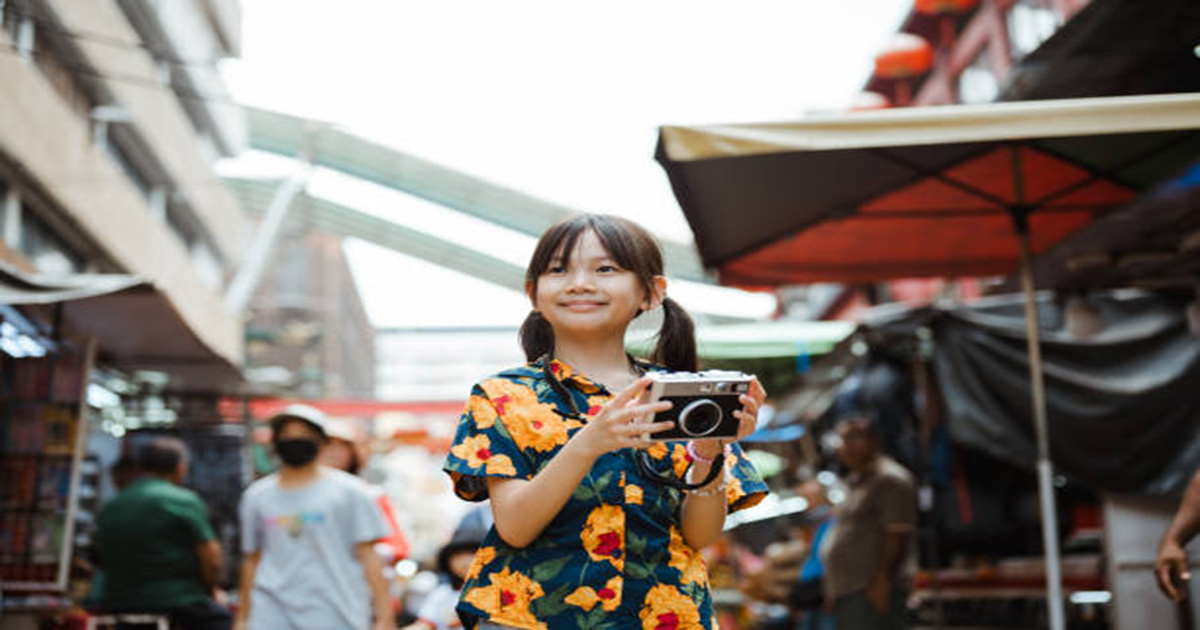
The true measure of a great travel camera is its ability to be forgotten until the exact moment you need it. For 2025, the best contenders are those that strike the perfect balance between sensor quality and minimal footprint.
Whether you choose the pocket rocket performance of the Sony RX100 VII, the stunning color of the Fujifilm X-S20, or the ultimate portability of the OM System OM-5, any of these small cameras will empower you to return home with sharp, compelling memories that simply cannot be captured with a smartphone.
The goal of minimalist packing for long trips is to reduce weight and friction. A small, powerful camera perfectly fits this philosophy, ensuring your focus remains on the experience, not on the gear.