
For many prospective travelers, the question “Are the California fires still going?” remains a persistent concern when planning a trip to the Golden State. While major, widespread active wildfires are not a constant feature throughout the year, the indelible mark of past fire seasons and the ongoing risk have fundamentally reshaped the travel and tourism landscape across California. Understanding this evolving environment is crucial for any visitor hoping to explore its diverse destinations, from the bustling cities to its serene natural wonders. This article delves into the current situation, offers vital advice for planning your trip, and highlights how responsible tourism plays a pivotal role in supporting California’s communities and preserving its breathtaking natural beauty.

Understanding the Wildfire Situation: A New Normal for the Golden State
The notion of a “fire season” has become increasingly fluid in California, extending beyond traditional summer and autumn months due to changing climatic conditions. While immediate, large-scale fires may not be burning at the exact moment of your travel, the impact of wildfires is a year-round consideration for residents and visitors alike.
A Historical Perspective on California’s Fire Season
California’s Mediterranean climate naturally features dry summers, making it susceptible to wildfires. However, in recent decades, factors such as prolonged droughts, warmer temperatures, and an accumulation of dry vegetation have intensified the frequency, size, and severity of these events. Historically, fires were a natural part of the ecosystem, clearing brush and allowing for new growth. Today, they pose significant threats to communities, infrastructure, and natural habitats. Agencies like CAL FIRE provide critical updates and resources, continually monitoring conditions and preparing for potential incidents. Understanding this historical context helps travelers appreciate the resilience of the state and the proactive measures taken to mitigate risks. It also informs why certain areas, particularly wildland-urban interfaces, are more prone to seasonal closures or advisories.
The Immediate and Lingering Impact on Air Quality and Travel Routes
One of the most immediate and widespread impacts of active wildfires, even those far from major tourist hubs, is the degradation of air quality. Smoke plumes can travel hundreds of miles, affecting cities like Los Angeles, San Francisco, and even areas around Lake Tahoe. This can significantly impact outdoor activities, from hiking in Yosemite National Park to strolling along Santa Monica Beach. Health advisories are often issued, recommending that sensitive groups stay indoors.
Furthermore, wildfires can lead to road closures, particularly in rural or mountainous regions, disrupting travel plans and access to popular attractions. Iconic routes like sections of the Pacific Coast Highway near Big Sur or roads leading into Sequoia National Park can be affected. Even if a fire is contained, infrastructure damage may keep certain areas inaccessible for an extended period. Travelers should always check local road conditions and park alerts before embarking on their journey.
Planning Your California Getaway: What Travelers Need to Know
Despite the challenges, California remains an unparalleled destination, offering an incredible array of experiences. Careful planning, however, is more important than ever.
Monitoring Fire Incidents and Official Alerts
The key to a safe and enjoyable trip is staying informed. Before and during your travel, regularly check official sources for wildfire information:
- CAL FIRE Incident Map: This provides real-time updates on active fires, containment levels, and evacuation orders.
- National Park Service (NPS) Websites: For visits to national parks like Yosemite National Park, Joshua Tree National Park, or Death Valley National Park, check their official sites for specific closures, fire restrictions, and air quality advisories.
- Local County and City Emergency Management Websites: These offer hyper-local information relevant to specific destinations like Napa Valley or Sonoma County.
- AirNow.gov: For detailed air quality information, allowing you to gauge conditions in your chosen destination.
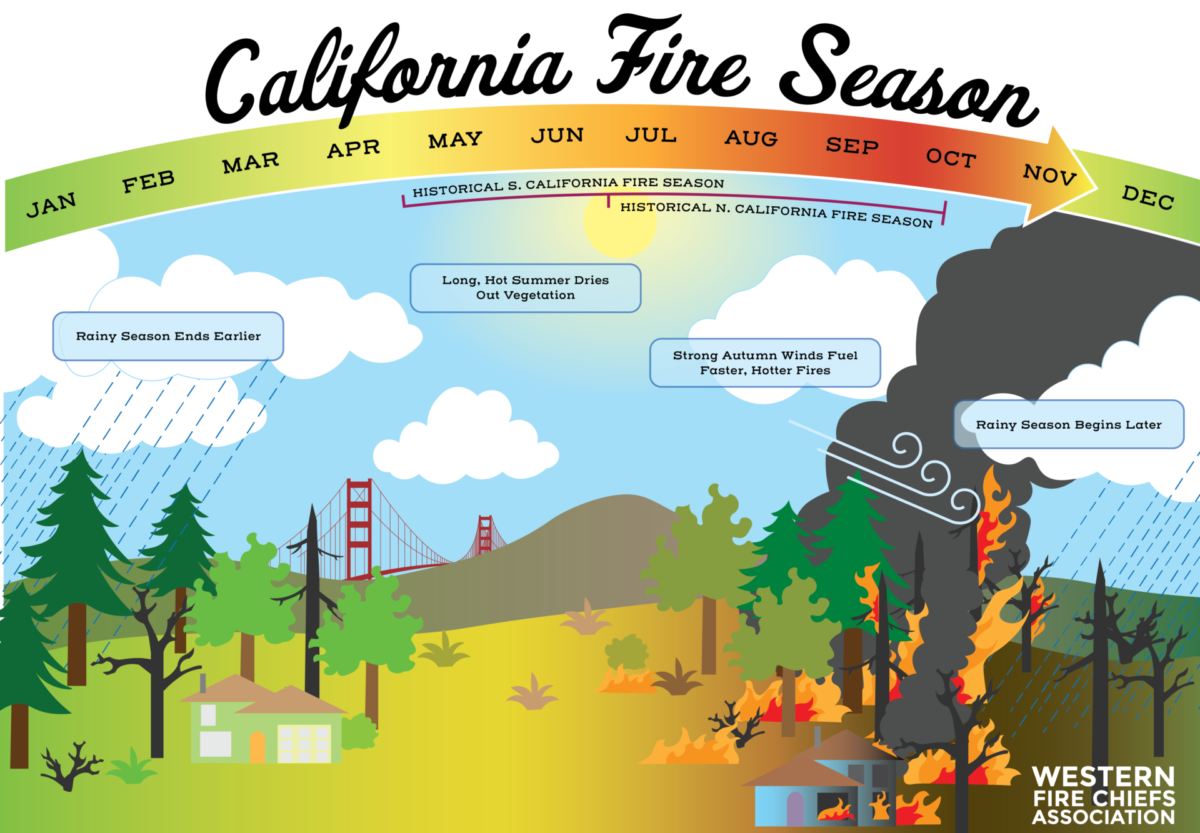
Consider traveling during the cooler, wetter months (typically late fall through spring) when wildfire risk is generally lower, especially if your itinerary focuses heavily on outdoor activities in rural or forested areas. Flexibility is also paramount; have alternative plans in mind should your primary destination be affected.
Key Considerations for Accommodation and Attractions
When booking accommodation, whether it’s a luxury resort in Beverly Hills, a charming Airbnb in Carmel-by-the-Sea, or a boutique hotel in Palm Springs, inquire about their specific policies regarding fire season, cancellations, and air quality. Some high-end hotels and resorts may have advanced air filtration systems, which can be a significant advantage during smoky periods. For those seeking long-term stays or apartments, ensure you understand the emergency procedures for the building and area.
Many attractions, particularly those outdoors, may alter operations during fire season. Wineries in Napa Valley or Sonoma County might offer indoor tastings if outdoor areas are impacted. Beach towns like San Diego or Laguna Beach typically offer a reprieve from smoke due to ocean breezes, but even these areas can be affected depending on wind patterns. Always confirm opening hours and any special conditions with attractions directly. Consider travel insurance that covers cancellations due to natural disasters, offering an added layer of protection for your investment.
For those planning family trips, especially with young children or individuals with respiratory conditions, monitoring air quality becomes even more critical. Cities offer a multitude of indoor attractions, from world-class museums in San Francisco like the De Young Museum to the theme parks in Anaheim, which might be excellent alternatives if outdoor conditions are unfavorable elsewhere.
Responsible Tourism in Fire-Prone Regions
Traveling responsibly in California means more than just staying safe; it involves understanding your impact and contributing positively to the communities and environment you visit.
Supporting Local Communities and Conservation Efforts
When fires strike, local businesses, including hotels, restaurants, and tour operators, can suffer immense losses, even if their properties are not directly burned. Supporting these businesses when it’s safe to do so is vital for their recovery and the overall economic health of the region. Consider dining at local eateries, purchasing from local artisans, and booking tours with local guides. Your tourism dollars directly contribute to the rebuilding efforts and the livelihoods of those affected.
Additionally, consider donating to or volunteering with reputable organizations focused on wildfire relief, forest restoration, or conservation efforts in California. Many state and national parks rely on visitor fees and donations to fund crucial maintenance and fire prevention programs. Engaging in agritourism in regions like the Mendocino Coast or supporting sustainable wineries can also help ensure the long-term viability of these areas.
Fire Prevention Tips for Travelers and The Future of California Tourism Amidst Climate Change
As a visitor, you have a role in fire prevention:
- Campfire Safety: If camping is permitted, ensure campfires are only built in designated fire rings, attended at all times, and fully extinguished before leaving. Check for any “Red Flag Warnings” or fire bans.
- Vehicle Safety: Be mindful of where you park, avoiding dry grass where hot exhaust pipes could spark a blaze. Ensure your vehicle is properly maintained to prevent sparks from faulty equipment.
- No Fireworks or Smoking in Wildland Areas: These are prohibited in most natural areas and during dry conditions.
- Pack it In, Pack it Out: Don’t leave any trash, especially glass, which can magnify sunlight and start fires.
The long-term outlook for California tourism is inextricably linked to climate change and the state’s ongoing efforts to adapt. Destinations are investing in resilient infrastructure, promoting fire-safe landscaping, and educating both residents and visitors. The future may see more emphasis on off-peak travel, greater promotion of urban attractions, and a heightened focus on eco-tourism that aligns with conservation principles. Areas like Mammoth Lakes in the Eastern Sierra region are increasingly highlighting activities that are less impacted by fire season, such as lake recreation and specific high-elevation trails. Travelers looking for budget travel options might find that visiting during the shoulder seasons can also offer advantages in terms of crowds and pricing, while also potentially reducing wildfire risk.
By staying informed, exercising caution, and supporting local economies, travelers can continue to enjoy the unparalleled beauty and vibrant culture of California responsibly. The question isn’t just “Are the California fires still going?” but rather, “How can we travel safely and sustainably in a state that is learning to live with fire?” The answer lies in awareness, adaptation, and a shared commitment to preserving this magnificent destination for generations to come.
LifeOutOfTheBox is a participant in the Amazon Services LLC Associates Program, an affiliate advertising program designed to provide a means for sites to earn advertising fees by advertising and linking to Amazon.com. Amazon, the Amazon logo, AmazonSupply, and the AmazonSupply logo are trademarks of Amazon.com, Inc. or its affiliates. As an Amazon Associate we earn affiliate commissions from qualifying purchases.