
California, a land of unparalleled natural beauty, vibrant cities, and diverse cultures, stands today as one of the most iconic states in the United States. From its sun-drenched beaches and towering redwood forests to its bustling metropolises like Los Angeles and San Francisco, it offers an endless array of destinations, attractions, and experiences for every kind of traveler. Whether you’re seeking luxury travel, a budget-friendly adventure, a family trip, or even a business stay, California holds a unique charm. However, the story of how this vast and valuable territory came to be an American state is a complex and fascinating tale rooted in exploration, ambition, and conflict. It’s a journey that transformed a sparsely populated frontier into a global economic and cultural powerhouse, and understanding its past enriches any visit to its many historical landmarks.

From Untamed Wilderness to Spanish Colony
The history of California as we know it today began long before European arrival, with numerous indigenous communities thriving across its varied landscapes. The first European to extensively explore the California coast was Juan Rodríguez Cabrillo, a Portuguese explorer sailing under the Spanish flag, in 1542. He claimed the territory for Spain, though formal colonization efforts were delayed for over two centuries. The Spanish Crown, primarily concerned with protecting its silver fleet routes and preventing Russian and British incursions, eventually initiated the colonization of “Alta California” (Upper California) in the late 18th century.
The primary instruments of Spanish control were the missions, presidios (forts), and pueblos (towns). Spearheaded by Franciscan missionaries like Father Junípero Serra, a chain of 21 missions was established along the coast, stretching from San Diego to Sonoma. The first of these, Mission San Diego de Alcalá, was founded in 1769, marking the true beginning of European settlement. These missions aimed to Christianize the native population and integrate them into Spanish colonial society, while simultaneously securing Spain’s claim to the land. Today, many of these mission sites are iconic landmarks, offering a poignant glimpse into California’s foundational history and serving as popular tourist attractions. Visitors can explore their preserved architecture, serene gardens, and historical artifacts, often finding accommodation in charming hotels or boutique resorts nearby that echo the region’s rich past.
Mexican Rule and the Dawn of American Interest
By 1821, after a decade-long war of independence, Mexico successfully broke away from Spain, and Alta California became a remote northern province of the new Mexican Republic. The Mexican government secularized the missions in the 1830s, redistributing their vast lands to prominent Mexican citizens, known as Californios, who established large ranchos. This period saw the rise of a distinctive Californio culture, characterized by a pastoral lifestyle centered around cattle ranching and horseback riding. Towns like Monterey, which served as the capital of Alta California, flourished as centers of trade and governance. Monterey State Historic Park today preserves many of the adobe buildings from this era, allowing visitors to walk through a living museum of early Californian life.
Despite its vastness, Alta California remained sparsely populated, with its remote location making it difficult for the Mexican government to exert strong control. This power vacuum, combined with its strategic Pacific coastline, began to attract the attention of American traders, whalers, and settlers. The concept of Manifest Destiny – the belief that the United States was destined to expand across the North American continent – fueled a growing American desire for California’s valuable ports, especially San Francisco Bay. American pioneers, often following routes like the Oregon Trail and then branching south, began to trickle into the territory, establishing small settlements and cultivating ties with the Californios. These early interactions, a blend of trade and cultural exchange, laid the groundwork for future geopolitical shifts, shaping the landscape that travelers explore today.
The Bear Flag Revolt and the Mexican-American War
The mid-1840s marked a pivotal turning point in California’s destiny. Tensions between the United States and Mexico were escalating, primarily over the annexation of Texas by the United States. This simmering conflict provided the backdrop for events that would irrevocably alter California’s future.
In June 1846, a group of American settlers, encouraged by the actions of U.S. Army Captain John C. Frémont and his mapping expedition, launched a rebellion against Mexican authorities in Sonoma. This event, known as the Bear Flag Revolt, saw the rebels seize the Sonoma Barracks, capture the Mexican commandante, and declare the independent California Republic. They hoisted a crudely fashioned flag featuring a grizzly bear and a star, a symbol that endures in California’s state flag today. This bold act of defiance, though short-lived, signaled the growing American assertion in the region. Visitors to Sonoma Plaza can still see the historic barracks and imagine the dramatic events that unfolded there, perhaps staying in one of the charming local hotels or enjoying the area’s renowned food and wine tourism.
Just weeks after the Bear Flag Revolt began, news arrived that the United States and Mexico were officially at war. U.S. Commodore John D. Sloat, commander of the U.S. Pacific Squadron, learned of the declaration of the Mexican-American War and, on July 7, 1846, sailed into Monterey Bay and raised the American flag over Monterey, effectively claiming California for the United States. This marked the end of the California Republic and the formal beginning of American military occupation. Over the next few months, American forces, including Frémont’s men and newly arrived troops, consolidated control over California, overcoming pockets of Californio resistance, most notably during the Siege of Los Angeles. The strategic importance of coastal towns like Monterey and San Diego during this period underscores their continuing significance as historical landmarks and tourist destinations today, offering rich insights into military and maritime history.
The Treaty of Guadalupe Hidalgo and the Gold Rush Explosion
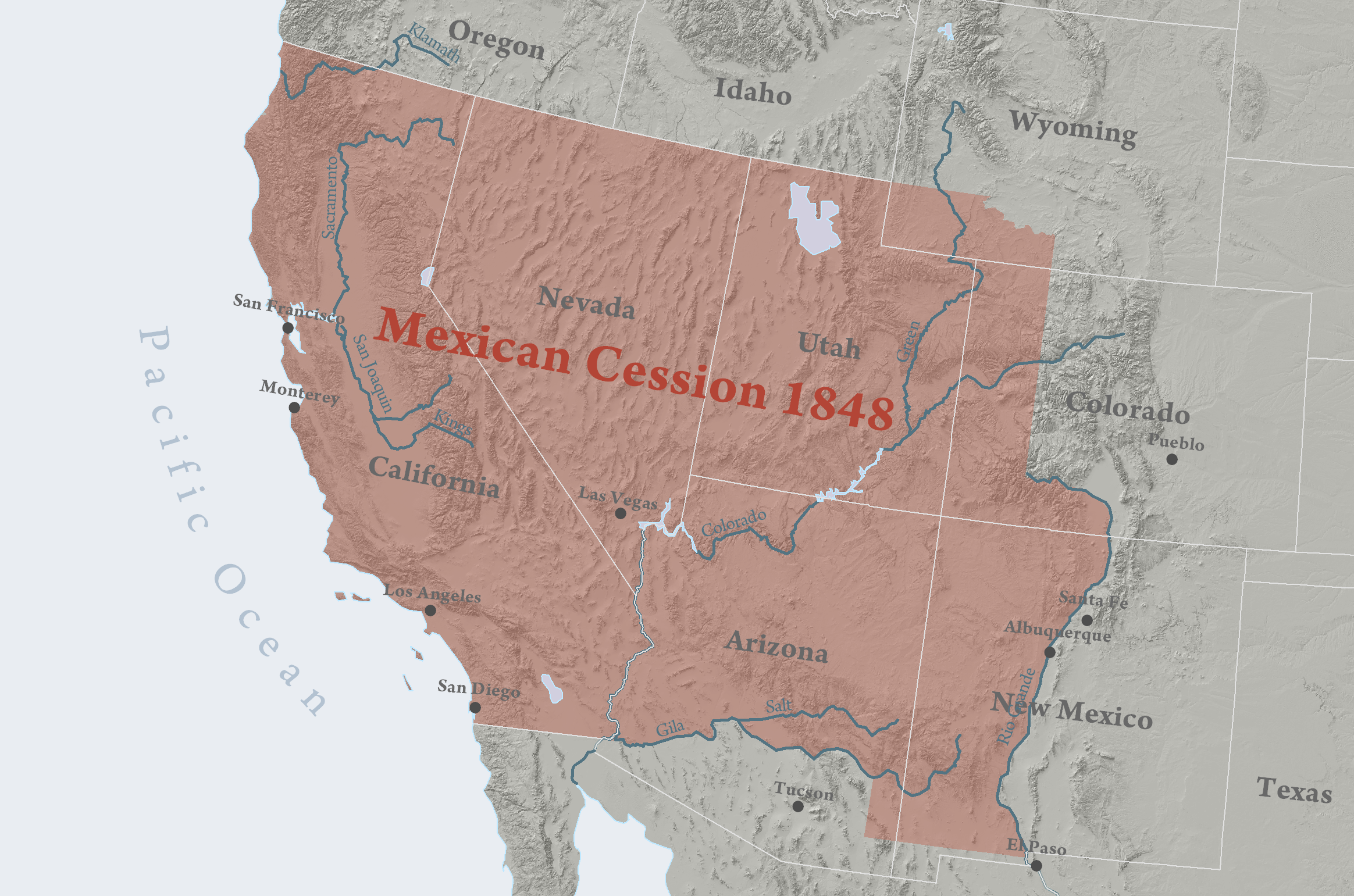
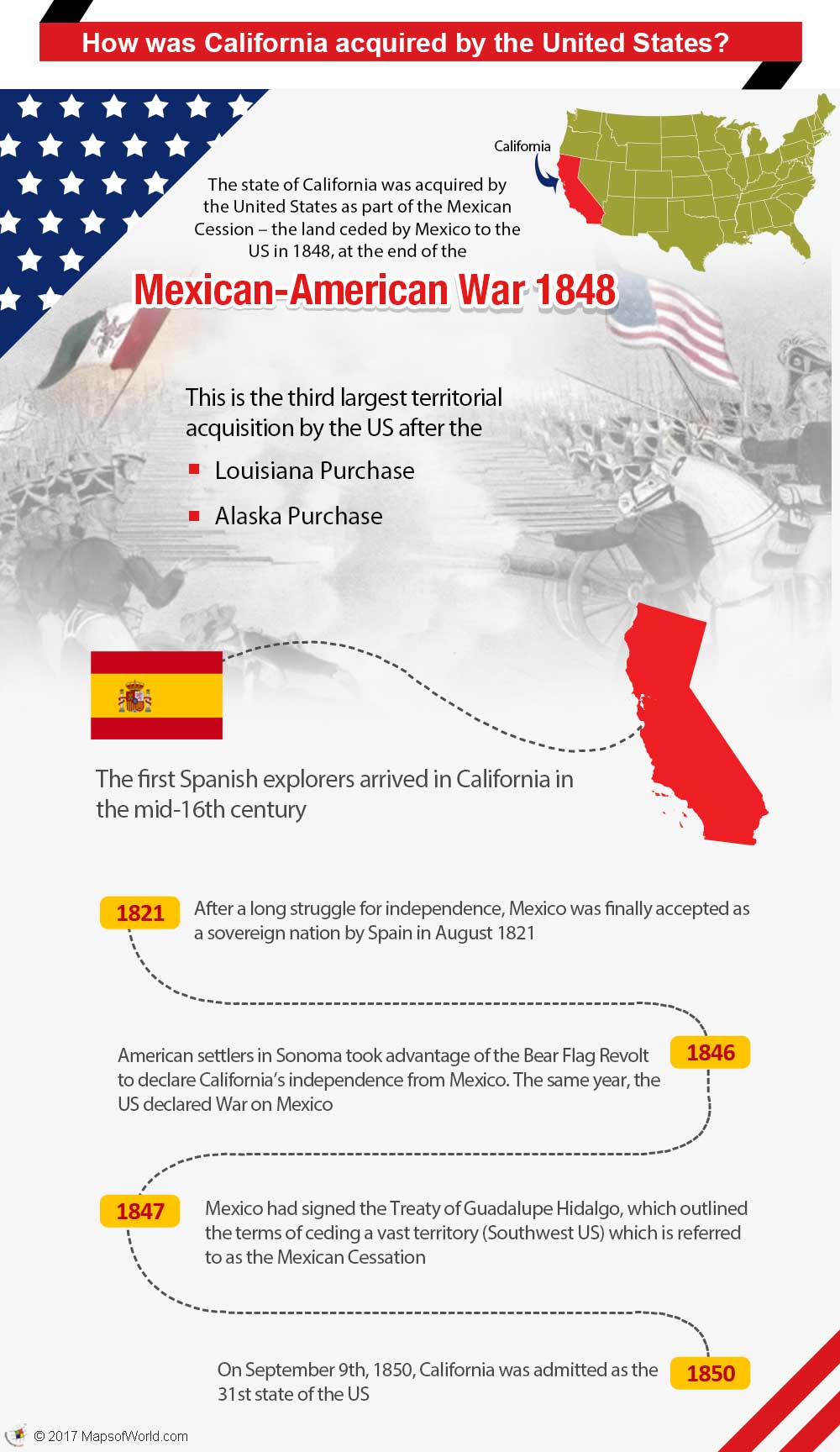
The Mexican-American War officially concluded with the signing of the Treaty of Guadalupe Hidalgo on February 2, 1848. Under the terms of this treaty, Mexico ceded vast territories, including all of Alta California and New Mexico, to the United States for $15 million. This massive land transfer, known as the Mexican Cession, fundamentally reshaped the map of North America and established the present-day border between the United States and Mexico. For the United States, the acquisition of California was the fulfillment of Manifest Destiny, providing access to the Pacific Ocean and opening up new frontiers for trade and settlement.
However, the ink on the treaty was barely dry when an event of monumental significance occurred that would catapult California into the global spotlight and accelerate its integration into the United States beyond anyone’s wildest predictions. Just nine days before the signing of the Treaty of Guadalupe Hidalgo, on January 24, 1848, James W. Marshall discovered flecks of gold at Sutter’s Mill near Coloma in the Sierra Nevada foothills.
The Rush for Gold and Rapid Statehood
News of the gold discovery spread like wildfire, first locally, then nationally, and finally internationally, sparking the legendary California Gold Rush. Within months, hundreds of thousands of “Forty-Niners” from across the United States and around the world streamed into California by land and sea, dreaming of instant wealth. The population surged from approximately 15,000 non-native residents in 1848 to over 200,000 by 1852. This unprecedented influx transformed California almost overnight, leading to the rapid establishment of boomtowns, the development of new transportation routes, and a complete restructuring of its society and economy.
Cities like San Francisco, once a sleepy port, exploded in size and activity, becoming a bustling hub of commerce, shipping, and diverse cultures. The infrastructure that emerged during this period, from hotels and accommodation options catering to hopeful prospectors to supply stores and entertainment venues, laid the foundation for California’s future urban centers. The sheer speed of population growth and the need for organized governance forced the United States Congress to fast-track California’s entry into the Union. On September 9, 1850, less than three years after the signing of the Treaty of Guadalupe Hidalgo, California was admitted as the 31st state, a free state, as part of the Compromise of 1850.
Today, visitors can explore the remnants of the Gold Rush era in places like Marshall Gold Discovery State Historic Park in Coloma and the charming historic towns of the Gold Country, such as Columbia State Historic Park. These landmarks offer unique experiences, from panning for gold to exploring preserved 19th-century buildings, and provide a tangible connection to the frantic energy and transformative power of the Gold Rush.
A Legacy of Transformation and Opportunity
The journey of California from a remote Spanish outpost to a vibrant American state is a testament to the powerful forces of history – exploration, geopolitical ambition, conflict, and the allure of untold riches. Its acquisition by the United States was not a single event but a culmination of centuries of international rivalries, frontier expansion, and ultimately, a war that redefined national borders.
Today, the legacy of this rich history is evident throughout California. From the enduring Spanish mission architecture that dots the coastline to the historic gold towns nestled in the foothills of the Sierra Nevada, the landmarks of its past invite exploration and offer a deeper understanding of its present-day character. California continues to be a land of opportunity, innovation, and diverse experiences, attracting millions of visitors and residents alike.
Whether you’re planning a trip to immerse yourself in the local culture and food of San Diego, seeking luxury resorts in Napa Valley, exploring the natural wonders of Yosemite National Park, or delving into the vibrant arts scene of Los Angeles, California’s historical roots continue to shape its unique appeal. Its story is a vivid reminder that beneath the modern facade of innovation and entertainment lies a profound history, waiting to be discovered by every traveler who ventures to its shores. The blending of these historical narratives with modern tourism experiences makes California a truly exceptional destination, where every road trip and every hotel stay offers a chance to connect with a storied past.
LifeOutOfTheBox is a participant in the Amazon Services LLC Associates Program, an affiliate advertising program designed to provide a means for sites to earn advertising fees by advertising and linking to Amazon.com. Amazon, the Amazon logo, AmazonSupply, and the AmazonSupply logo are trademarks of Amazon.com, Inc. or its affiliates. As an Amazon Associate we earn affiliate commissions from qualifying purchases.