
For anyone considering a move, an extended stay, or simply taking an interest in the civic landscape of the Sunshine State, understanding the nuances of voting rights is paramount. Florida, a state renowned for its pristine beaches, vibrant cities, and diverse attractions, also has a compelling and often complex history when it comes to the civic participation of its residents. The question “Can felons vote in Florida?” has been at the forefront of legal and political discourse for decades, culminating in significant changes that have reshaped the electorate and ignited passionate debates about justice, rehabilitation, and the fundamental right to participate in democracy.
This isn’t merely a legal technicality; it’s a question that delves into the heart of what it means to be a contributing member of society, especially for those seeking to reintegrate after serving their time. Whether you’re exploring the vibrant culture of Miami, the theme parks of Orlando, or the historic streets of St. Augustine, understanding the laws that govern the lives of millions of Floridians offers a deeper insight into the state’s unique character and its ongoing journey toward a more inclusive future.
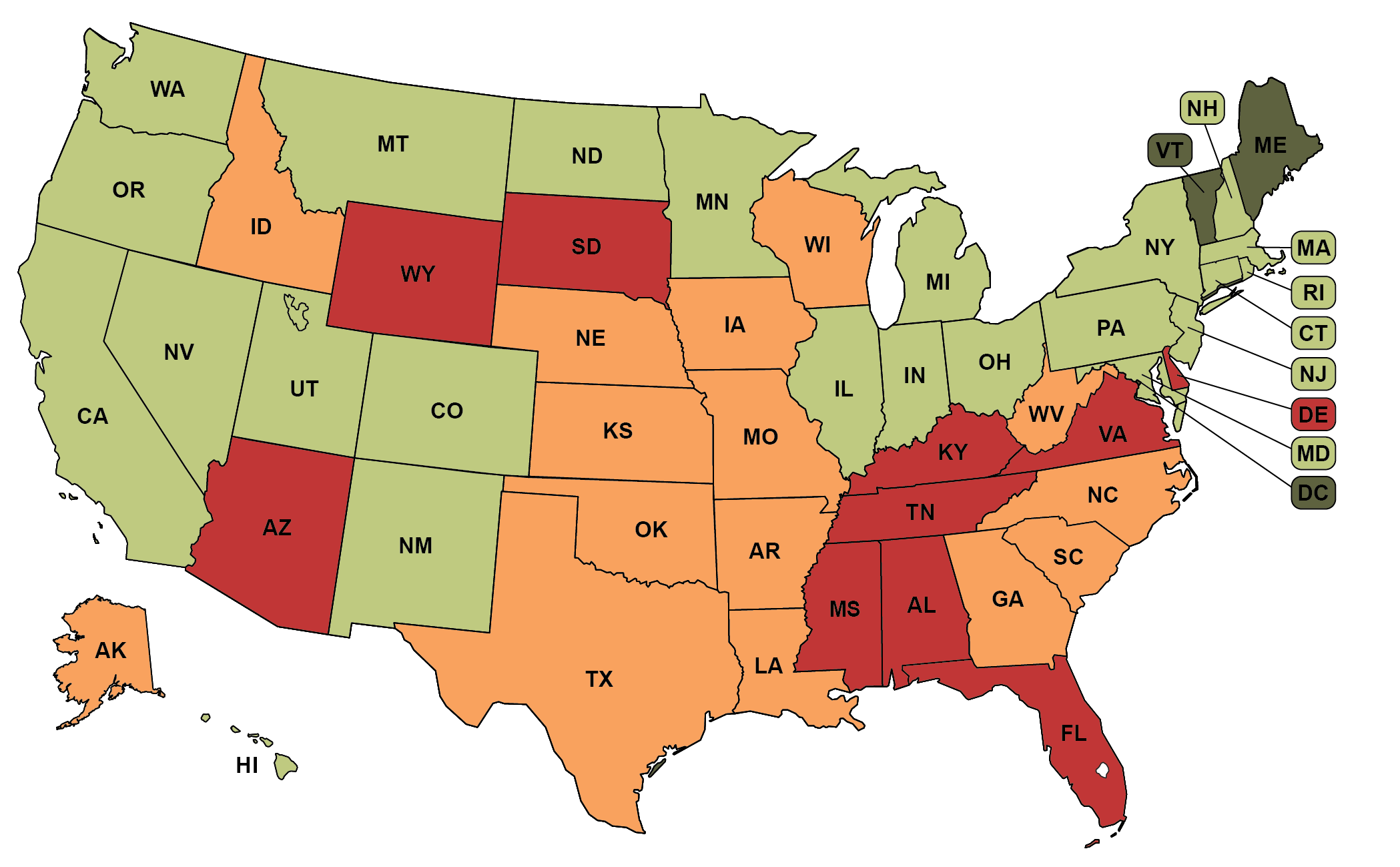
The Shifting Sands of Civic Participation in the Sunshine State
The right to vote is often considered the cornerstone of democratic citizenship. However, for a significant portion of its history, Florida maintained some of the most restrictive laws in the United States regarding the voting rights of individuals with felony convictions. This legacy profoundly impacted hundreds of thousands of Floridians, effectively silencing their voices in elections and shaping the socio-political fabric of the state.
A Historical Overview of Felon Disenfranchisement
For nearly a century and a half, following the Civil War, Florida’s constitution effectively barred individuals with felony convictions from ever voting again unless their rights were individually restored by the governor and Cabinet. This was not a simple administrative process; it was an arduous, discretionary, and often politically charged endeavor. The process involved waiting periods, applications, public hearings, and the arbitrary discretion of officials, leading to vastly inconsistent outcomes.
Before 2018, Florida was one of only a handful of states that maintained this near-total, lifelong ban for most felony convictions. The consequences were staggering: it meant that over 1.6 million Floridians, many of whom had completed their sentences and paid their debt to society, were permanently disenfranchised. This figure represented a disproportionately large segment of the population, particularly African Americans, due to historical systemic biases within the criminal justice system. The impact extended beyond individual rights, influencing election outcomes in a state known for its razor-thin margins in national and local races. Understanding this historical context is crucial to appreciating the magnitude of the changes that would eventually sweep across the state. It underscores a period where rehabilitation often stopped at the prison gates, failing to extend fully into civic life.
The Genesis of Amendment 4: A Movement for Restoration
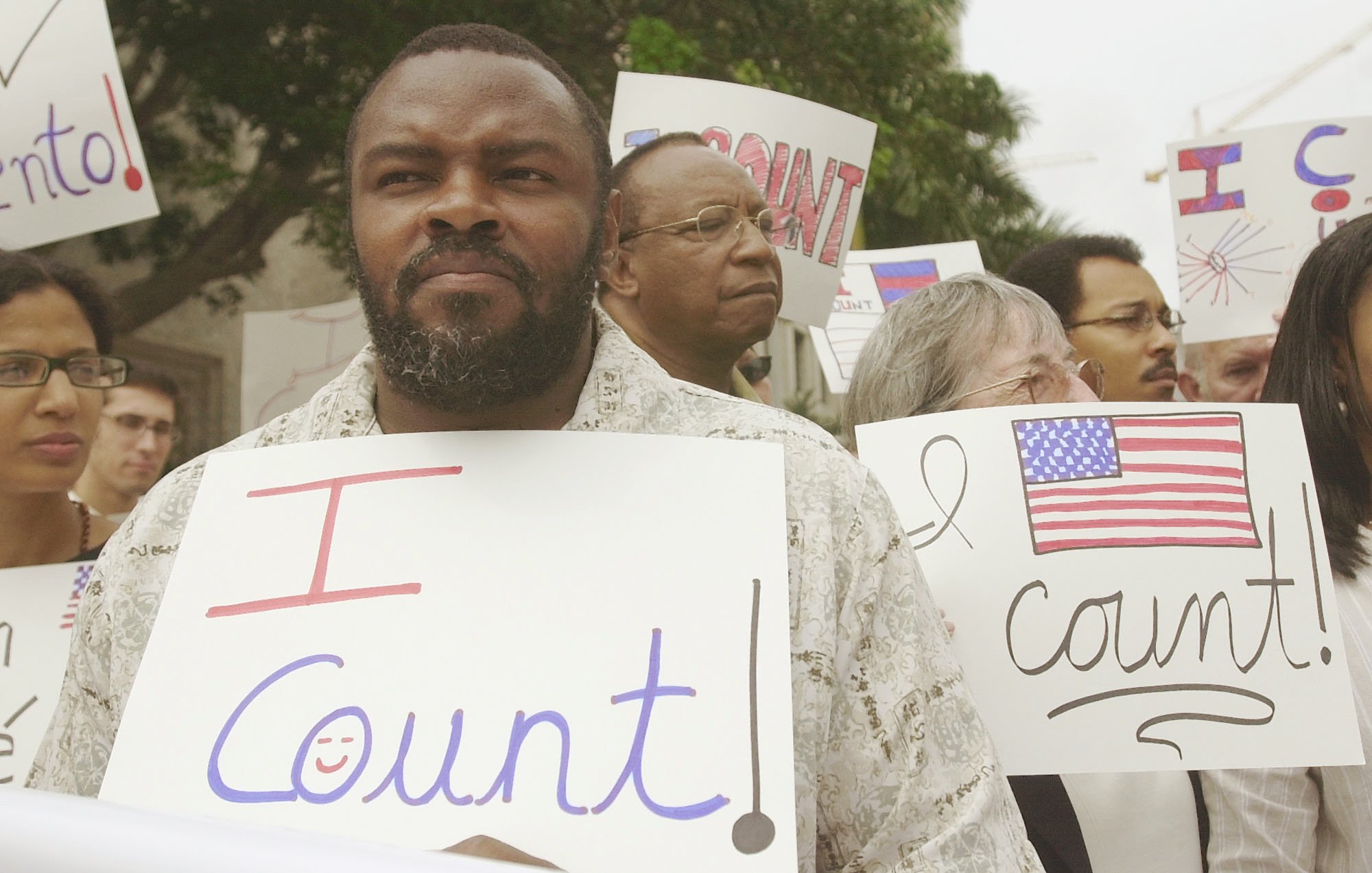
The widespread disenfranchisement in Florida eventually spurred a powerful grassroots movement dedicated to restoring voting rights. Advocates, many of whom were formerly incarcerated individuals themselves, championed the idea that once a person had served their time, they should regain all the rights and responsibilities of citizenship, including the right to vote. This movement argued that denying the ballot after release hindered rehabilitation, perpetuated a second-class status, and weakened the democratic process by excluding a large segment of the population.
The campaign to pass Amendment 4 began years before its eventual success, building momentum through community organizing, public education, and tireless advocacy across the state. Organizations like the Florida Rights Restoration Coalition (FRRC) played a pivotal role, bringing together a diverse coalition of support from across the political spectrum. They collected hundreds of thousands of signatures to get the initiative on the ballot, traveling to cities from Tallahassee to Key West, engaging with everyday Floridians.
By 2018, the ballot initiative gained significant bipartisan support, appealing to principles of fairness, redemption, and fiscal responsibility. Voters were asked to consider whether individuals convicted of felonies, who had completed all terms of their sentence, should automatically have their voting rights restored. The campaign resonated with many who believed in second chances and the idea that the punishment should fit the crime, but not extend indefinitely into civil life. The stage was set for a historic vote that would dramatically alter the landscape of civic participation in Florida.

Amendment 4: A Landmark Decision and Its Unintended Complexities
On November 6, 2018, Florida voters overwhelmingly approved Amendment 4 with nearly 65% of the vote, far exceeding the 60% threshold required for constitutional amendments. This monumental decision was hailed as a victory for democracy and a beacon of hope for hundreds of thousands of Floridians seeking to regain their voice. Yet, the path to full implementation proved to be anything but straightforward, quickly becoming entangled in legislative interpretation and legal challenges.
The Promise of Restoration: What Amendment 4 Initially Envisioned
The language of Amendment 4 was seemingly clear and direct. It stated that “any disqualification from voting arising from a felony conviction shall terminate and voting rights shall be restored upon completion of all terms of sentence, including parole or probation.” Critically, it carved out exceptions for individuals convicted of murder or sexual offenses, for whom restoration would still require an application to the governor and Cabinet. For all other felonies, the amendment envisioned automatic restoration upon the completion of one’s sentence.
This meant that individuals who had served their time, including any required probation or parole, would no longer need to navigate the state’s cumbersome and often arbitrary clemency process. The intent was to create a clear, defined pathway back to the ballot box, integrating formerly incarcerated individuals fully into civic life. Organizations like the Florida Rights Restoration Coalition immediately began working to educate the public and assist eligible individuals in registering to vote, anticipating a significant influx of new voters across the state, from Tampa to Jacksonville. The spirit of the amendment was one of inclusion, rehabilitation, and the strengthening of democratic principles.
Legislative Response and the “Pay-to-Vote” Controversy
Despite the overwhelming mandate from voters, the Florida Legislature, controlled by Republicans, passed an implementing bill, SB 7066, in 2019 that significantly narrowed the scope of Amendment 4. The core of the controversy lay in the Legislature’s interpretation of “completion of all terms of sentence.” The bill asserted that this phrase included the payment of all financial obligations associated with a conviction, such as fines, fees, and restitution.
This legislative interpretation effectively created a “pay-to-vote” system. While the original intent of the amendment’s proponents was that “completion of all terms” primarily referred to incarceration, probation, and parole, the state argued that financial penalties were integral parts of a sentence. This immediately disenfranchised hundreds of thousands of Floridians who had served their time but still owed outstanding court costs or restitution, many of whom faced significant financial hardships and struggled to find employment upon release. The passage of SB 7066 sparked immediate outrage from civil rights groups and voting advocates, who argued it undermined the will of the voters and created an unconstitutional poll tax.
Legal challenges swiftly followed. The most prominent case, Jones v. DeSantis, argued that requiring the payment of all financial obligations was unconstitutional. A federal district court initially sided with the plaintiffs, ruling that the state could not bar people from voting simply because they could not afford to pay their legal financial obligations. However, this decision was ultimately overturned by the 11th Circuit Court of Appeals in September 2020. The appellate court upheld the state’s interpretation, stating that if a person cannot afford to pay their financial obligations, their voting rights remain unrestored under Amendment 4 until those obligations are met or converted to civil liens by a court. This ruling was a significant setback for advocates and left many Floridians in a state of uncertainty regarding their eligibility. The Florida Supreme Court also weighed in, confirming the Legislature’s interpretation, solidifying the requirement to pay all fines and fees.
Navigating the Current Landscape: Who Can Vote Now?
The journey from overwhelming voter approval to a nuanced and legally complex reality has left many Floridians questioning their eligibility. The current state of affairs reflects the legislative and judicial interpretations of Amendment 4, solidifying specific requirements for the restoration of voting rights.
Understanding the Eligibility Requirements Today
As it stands, a person with a felony conviction in Florida can vote if:
- They have completed all terms of their sentence, including any incarceration, probation, and parole.
- They have paid all fines, fees, and restitution associated with their conviction. This is the most contentious and often prohibitive requirement. If a court has converted these financial obligations into a civil lien, that lien must also be satisfied or judicially waived.
- Their conviction was not for murder or a sexual offense. Individuals with these specific convictions still must apply to the governor and Cabinet for restoration of their voting rights, a process that remains discretionary and rare.
For those who meet these criteria, the next step is to register to vote with their local Supervisor of Elections office. It is crucial to be accurate and truthful when registering, as falsifying information on a voter registration form can carry severe penalties. Many eligible individuals may not be aware of their status or may find it challenging to ascertain if all their financial obligations have been met, especially for older cases or those involving multiple jurisdictions like Broward County or Lee County.
The complexity of determining one’s exact financial obligations can be daunting. Court systems in counties like Hillsborough County or Palm Beach County may have varying record-keeping systems, making it difficult for individuals to get a clear, consolidated statement of what they owe. This administrative hurdle often presents as significant a barrier as the financial obligation itself.
Resources and Support for Re-Enfranchisement
Given the intricate nature of the current law, several organizations and legal aid groups have stepped up to assist Floridians in navigating the process of voting rights restoration. The Florida Rights Restoration Coalition (FRRC) continues to be a leading voice and resource. They provide guidance on checking eligibility, understanding financial obligations, and even offer financial assistance to help individuals pay off their court debts through initiatives like the “Fines and Fees Fund.” Their work highlights the commitment of many in Florida to ensure that the spirit of Amendment 4 can still be realized, despite legislative obstacles.
Additionally, legal aid societies and pro bono attorneys across the state offer assistance to individuals who need help determining their exact financial obligations or verifying their eligibility. Consulting with legal counsel can be invaluable, especially for those with complex cases or convictions from multiple counties. These resources are vital for upholding the democratic principles of the state and ensuring that individuals who have completed their sentences can truly reintegrate into society. The impact of restoring these rights extends beyond the individual, strengthening families and communities by fostering a sense of belonging and civic responsibility. It’s a testament to the idea that even in the face of complex legalities, the drive for justice and equal participation persists.
Beyond the Ballot Box: Civic Engagement and the Florida Lifestyle
The debate and evolution of felon voting rights in Florida offer a fascinating lens through which to view the state’s broader socio-political landscape. For anyone experiencing the Florida lifestyle, whether as a permanent resident, a snowbird, or a frequent visitor, understanding these significant legal shifts provides a deeper appreciation for the local culture and the ongoing dialogue about justice and participation. This isn’t just about a legal technicality; it’s about how a community defines second chances and the responsibilities of citizenship.
The Broader Implications for Florida Residents and Visitors
Understanding local laws and the civic process is an integral part of truly immersing oneself in any destination. For Florida, a state with a vibrant and diverse population, the journey of Amendment 4 reflects broader themes of social justice, rehabilitation, and the power of direct democracy. Whether you’re exploring the historic landmarks of Pensacola, the natural beauty of the Everglades, or the bustling urban centers, the civic engagement of its residents shapes the very fabric of the state.
For those considering moving to Florida or even just engaging in longer stays, being aware of such significant legal and social developments offers a more complete picture of the state. It highlights the dynamic nature of its governance and the active role its citizens play in shaping public policy. The challenges faced by formerly incarcerated individuals seeking to vote demonstrate the hurdles that can exist in exercising fundamental rights, even after popular mandates. This awareness contributes to a more informed understanding of the “local culture” and the daily realities for many Floridians.
Moreover, the debate around Amendment 4 underscores the importance of civic participation for all residents, directly or indirectly. The sheer number of individuals affected, estimated at over a million at various stages, has a tangible impact on communities across Duval County, Orange County, and beyond. When a significant portion of the population is disenfranchised, their concerns may be underrepresented, leading to policies that do not fully reflect the needs of all community members. Conversely, when more people are empowered to vote, it enriches the democratic dialogue and encourages a government more responsive to a broader electorate.
A Reflection on Rights, Responsibilities, and the Future
The question of whether felons can vote in Florida has moved from a simple “no” to a qualified “yes, under specific conditions.” This evolution is a testament to the persistent efforts of advocates and the democratic will of the people, even when faced with legislative and judicial interpretations that have added layers of complexity. It reflects an ongoing societal discussion about what it means to truly pay one’s debt, the extent of rehabilitation, and the fundamental rights that underpin citizenship in a modern democracy.
The journey of Amendment 4 in Florida serves as a powerful reminder that rights are not always static; they can be expanded, challenged, and refined through concerted effort and public engagement. For residents of the Sunshine State, and for those who simply appreciate the intricacies of its governance, this story highlights the enduring importance of advocating for inclusive civic participation. As Florida continues to grow and evolve, so too will its dialogue on how best to balance justice, redemption, and the sacred right to cast a ballot. It’s a compelling chapter in the state’s history, and one that continues to shape its future.