
The question of whether one can carry a gun in the state of California is complex, laden with strict regulations, nuanced laws, and significant legal ramifications. Unlike many other states in the U.S. where firearm possession and carrying might be more permissive, California has some of the most stringent gun control laws in the nation. Understanding these laws is paramount for any individual considering bringing a firearm into the state or acquiring one while residing there. This guide aims to provide a comprehensive overview, focusing specifically on the aspects relevant to travelers and those navigating the legal landscape of firearm possession within California’s borders.
Understanding California’s Firearm Landscape
California’s approach to firearm regulation is rooted in a commitment to public safety, often prioritizing restrictive measures. This stance influences everything from the types of firearms that are legal to possess, to the intricate licensing requirements for carrying them openly or concealed. For individuals planning a visit to California, or even for new residents, grasping the fundamental differences between California law and federal law, or the laws of other states, is the critical first step. The state’s legal framework is detailed and often requires expert interpretation, underscoring the importance of thorough research and, when necessary, legal counsel.
Legal Status of Firearms in California
California classifies firearms into several categories, with varying degrees of legality. The state has an approved roster of handguns that can be legally sold within its borders, known as the Roster of Handguns Certified for Sale. This roster is a significant hurdle, as it restricts the sale of many newer firearm models. Other restrictions apply to assault weapons, short-barreled rifles and shotguns, and magazines with high-capacity limitations. Federal law also plays a role, particularly concerning the interstate transport of firearms, but California’s state laws are generally more restrictive and take precedence within the state.
Interstate Transportation of Firearms
For those traveling to California from another state, the laws governing the interstate transportation of firearms are particularly important. Federal law, specifically the Firearm Owners Protection Act (FOPA), generally allows individuals to transport firearms through states where they are prohibited from possessing them, provided that the firearm is unloaded and cased, and is not readily accessible. However, California’s interpretation and enforcement of these provisions can be complex. It is crucial to ensure that any firearm being transported is unloaded, locked in a container, and separated from ammunition. Even with these precautions, it is advisable to consult the specific laws of California and potentially seek legal advice to avoid any misunderstandings or violations during transit.
Carrying Firearms in Public: A Strict Approach
California’s regulations concerning the carrying of firearms in public are among the most restrictive in the United States. The state generally prohibits the open carry of handguns and has very limited provisions for concealed carry permits. This means that, for the vast majority of individuals, carrying a loaded firearm, whether openly or concealed, in public places is illegal.
Open Carry Restrictions
In California, the open carry of a loaded or unloaded handgun in a public place is generally illegal, with a few limited exceptions. These exceptions are typically for law enforcement officers, individuals engaged in specific recreational activities such as hunting or sport shooting at designated ranges, or those who have obtained a specific permit for open carry. For the average citizen, openly displaying a firearm in cities like Los Angeles or San Francisco is a violation of the law and can lead to severe penalties.
Concealed Carry Permits (CCW)
Obtaining a Concealed Carry Weapon (CCW) permit in California is a rigorous and often challenging process. Unlike some states with “shall-issue” policies where permits are granted if an applicant meets objective criteria, California operates under a “may-issue” system. This means that law enforcement agencies have discretion in deciding whether to issue a permit. Applicants must demonstrate a “good cause” for needing to carry a concealed weapon, which often involves proving a substantial risk of harm that cannot be reasonably mitigated by other means. The process typically involves extensive background checks, firearms training, and interviews. Even once issued, CCW permits are subject to strict limitations on where firearms can be carried, with many sensitive places being off-limits, such as schools, government buildings, and public transportation.
Firearms on Private Property and in Vehicles
While public carrying is heavily restricted, the laws governing firearms on private property and within vehicles in California also carry specific stipulations that must be understood to ensure compliance. The distinction between private and public spaces, and the conditions under which a firearm can be transported in a vehicle, are critical for lawful possession.
Firearms on Private Property
Generally, individuals are permitted to possess firearms on their own private property without a permit. This includes one’s home, business, or any other private land they own or have permission to occupy. However, this right is not absolute. California law still prohibits individuals who are legally prohibited from possessing firearms (e.g., convicted felons, those with domestic violence restraining orders) from owning or possessing them, even on private property. Furthermore, responsible storage laws, often requiring firearms to be unloaded and secured to prevent unauthorized access, are in effect.
Firearms in Vehicles
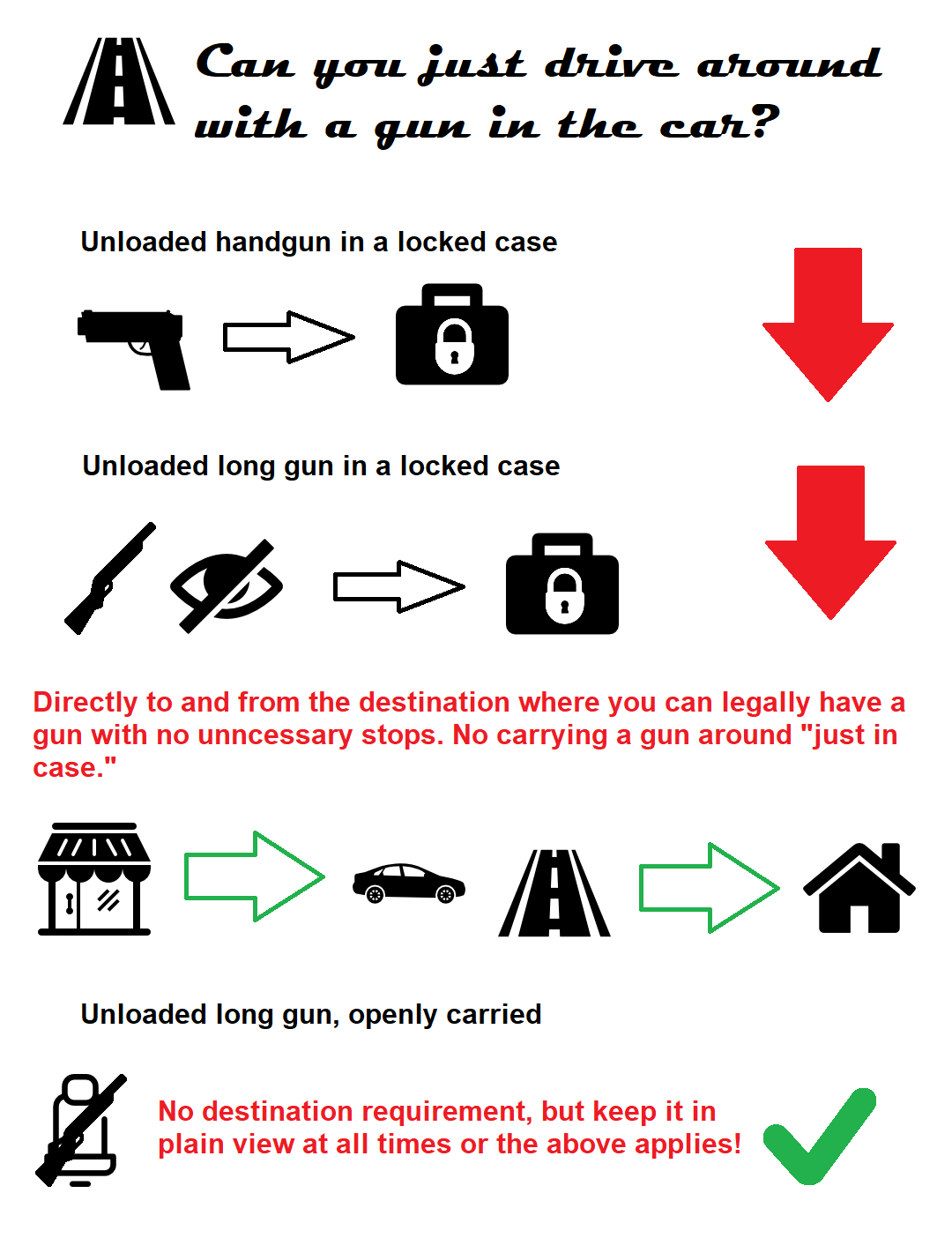
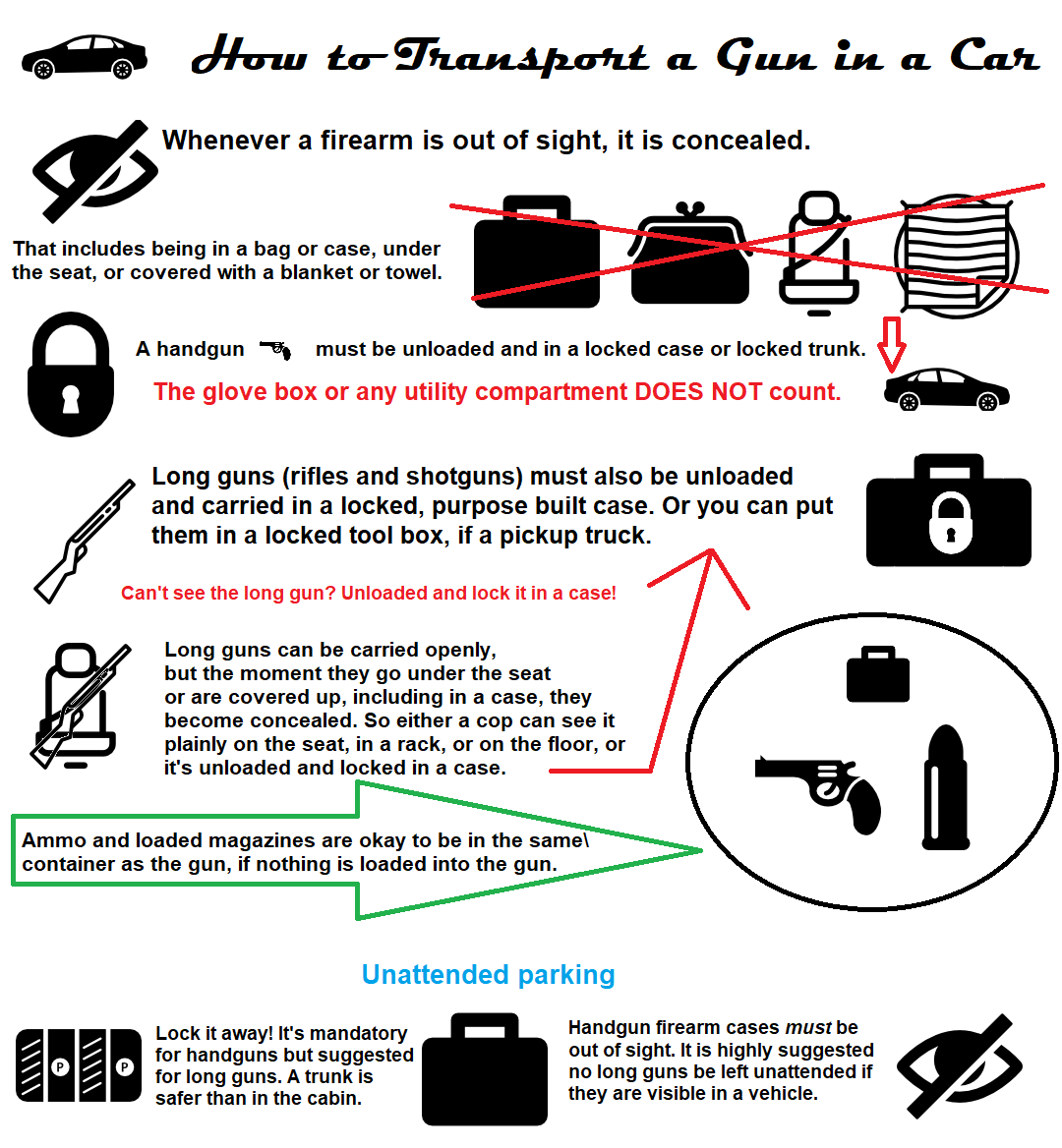
Transporting firearms in vehicles in California is subject to specific rules. Handguns, whether loaded or unloaded, must generally be unloaded and either in a locked container or in the trunk of the vehicle, inaccessible to the driver and passengers. Long guns (rifles and shotguns) also have specific transport regulations, often requiring them to be unloaded and in a locked container. It is crucial to remember that even if you are legally permitted to carry a concealed weapon with a CCW permit, there are many locations where you are still prohibited from carrying your firearm, even within your vehicle, such as near schools or in federal buildings. The interpretation of “inaccessible” and “locked container” can be strict, making it vital to adhere precisely to the legal requirements.
Legal Prohibitions and Consequences
Understanding who is prohibited from possessing firearms and the severe consequences of violating California’s gun laws is essential for anyone interacting with firearms in the state. The penalties for unlawful possession or carrying can be significant, impacting an individual’s freedom and future.
Prohibited Persons
California law, in alignment with federal law, outlines a comprehensive list of individuals who are prohibited from possessing firearms. This includes, but is not limited to:
- Convicted felons
- Individuals convicted of certain misdemeanor domestic violence offenses
- Those subject to a domestic violence restraining order
- Individuals adjudicated as mentally defective or who have been involuntarily committed to a mental institution
- Fugitives from justice
- Unlawful users of or addicted to controlled substances
- Individuals dishonorably discharged from the U.S. Armed Forces
- Those who have renounced their U.S. citizenship
Even if you are not explicitly on this list, California has additional categories of persons who may be prohibited from possessing firearms. It is your responsibility to ensure you are legally permitted to own or possess any firearm.

Penalties for Violations
The penalties for violating California’s firearm laws can be severe and vary depending on the specific offense. These can include hefty fines, lengthy prison sentences, and the permanent loss of firearm rights. For instance, carrying a concealed weapon without a permit is a misdemeanor offense that can result in up to one year in county jail. Brandishing a firearm can lead to more serious charges. Unlawful possession of a firearm by a prohibited person can result in felony charges with significant prison time. Given the complexity and strictness of California’s firearm laws, it is highly recommended that any individual with questions or concerns about firearm possession or transport consult with a qualified legal professional specializing in firearm law in California. Ignorance of the law is not a defense.
LifeOutOfTheBox is a participant in the Amazon Services LLC Associates Program, an affiliate advertising program designed to provide a means for sites to earn advertising fees by advertising and linking to Amazon.com. Amazon, the Amazon logo, AmazonSupply, and the AmazonSupply logo are trademarks of Amazon.com, Inc. or its affiliates. As an Amazon Associate we earn affiliate commissions from qualifying purchases.