
Florida, known globally as the Sunshine State, beckons millions of travelers each year with its pristine beaches, vibrant cities, and world-class theme parks. From the magical allure of Orlando to the art deco charm of Miami, and the historic cobblestone streets of St. Augustine, there’s an endless array of attractions and experiences awaiting every visitor. When planning a trip to such a popular destination, many practical considerations come into play, from booking the perfect accommodation to understanding local culture and customs. For some travelers, particularly those accustomed to carrying firearms for personal protection, a crucial question arises: “Can I open carry in Florida?”

The simple answer, for the vast majority of individuals, is no. While Florida is often perceived as a “gun-friendly” state, its laws regarding open carry are quite restrictive. This is a critical piece of information for anyone visiting or residing in the state, especially if you plan to bring a firearm. Navigating firearms laws can be complex, and misunderstanding them can lead to severe legal consequences, potentially derailing what should be a memorable Florida vacation. This comprehensive guide aims to demystify Florida’s firearms regulations, specifically concerning open carry, and provide essential insights for responsible travelers and residents alike, ensuring your focus remains on enjoying all that this beautiful state has to offer.
Understanding Florida’s Firearms Laws for Visitors
When you embark on a trip to a new place, whether it’s an international journey or a cross-country adventure, familiarizing yourself with local laws is paramount. Firearms regulations vary significantly from state to state within the United States, and what might be legal in one jurisdiction could be a felony in another. Florida has a specific framework governing firearm possession, use, and carry, which is particularly relevant for tourists considering bringing a weapon.
The General Rule: No Open Carry for Handguns
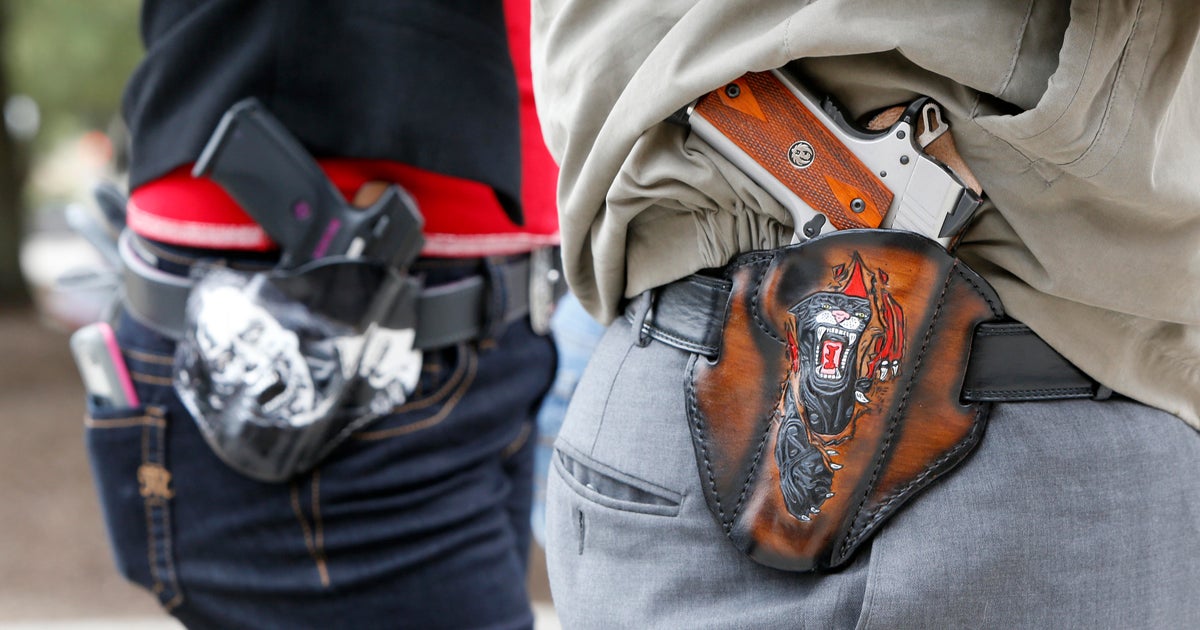
In Florida, the open carrying of handguns is generally prohibited. This means that a firearm carried on your person must not be openly displayed or readily visible to others. The law is quite explicit on this point. Unlike some other states where “Constitutional Carry” or “permitless open carry” is allowed, Florida requires firearms to be concealed if you intend to carry them in public, and even then, only with a valid permit.
There are, however, limited exceptions to the open carry prohibition, primarily for specific activities or individuals:
- Hunting and Fishing: Individuals engaged in lawful hunting or fishing activities, or traveling to and from such activities, may openly carry a firearm.
- Target Practice: Similarly, those traveling to or from a shooting range or gun shop for the purpose of target practice, sport shooting, or repair may openly carry.
- Professional Use: Law enforcement officers, correctional officers, and certain security personnel are exempt while on duty.
- Private Property: Firearms can generally be openly carried on one’s own private property or business, or on the private property of another with their permission.
It’s crucial for visitors to understand that these exceptions are specific and do not grant a general right to openly carry a handgun while strolling through South Beach, exploring Everglades National Park, or visiting a local market. Violating Florida’s open carry law for handguns can result in significant legal trouble, including arrest and felony charges.
Concealed Carry: What Tourists Need to Know
While open carry is largely restricted, concealed carry is permitted in Florida for individuals who hold a valid Concealed Weapon or Firearm License (CWFL). Prior to July 1, 2023, a CWFL was mandatory for concealed carry. After this date, Florida transitioned to “Constitutional Carry” for residents, meaning a permit is no longer required for concealed carry for those who meet the legal requirements to possess a firearm.
However, for non-residents or visitors, the situation typically revolves around reciprocity. Florida has reciprocity agreements with many other states, meaning that if you hold a valid concealed carry permit issued by a state with which Florida has a reciprocal agreement, you may be authorized to carry a concealed firearm within the state.
Key considerations for concealed carry as a visitor:
- Check Reciprocity: Before traveling, verify if your home state’s concealed carry permit is recognized by Florida. The Florida Department of Agriculture and Consumer Services (FDACS) maintains an updated list of reciprocal states. This is a critical step; do not assume your permit is valid.
- Follow Florida Law: Even if your out-of-state permit is recognized, you must adhere to all of Florida’s concealed carry laws, including restrictions on where firearms can be carried. Your permit simply grants you the right to carry concealed, but not to override state-specific prohibitions.
- “Securely Encased”: For individuals without a concealed carry permit (including many visitors whose permits may not be recognized, or who simply do not possess one), a firearm must be “securely encased” if transported in a vehicle. This generally means it must be in a closed box, container, or holster with a snap or similar retention device, or otherwise not readily accessible for immediate use. This applies to both handguns and long guns. Leaving a handgun loaded and unsecured in a glove compartment, for instance, without a valid permit, is illegal.
Understanding these distinctions is vital for any visitor planning to travel to Florida with a firearm. The emphasis for tourists should always be on caution and compliance to ensure a safe and legally sound trip.
Navigating Florida’s Diverse Destinations with a Firearm
Florida’s appeal lies in its incredible diversity, from the bustling urban landscapes to tranquil natural reserves. For travelers considering carrying a firearm, it’s not just about understanding whether open or concealed carry is allowed; it’s also about knowing where firearms are absolutely prohibited, regardless of permit status. Many popular tourist areas and public spaces have specific rules that supersede general carry provisions.
Restricted Locations and “No-Go” Zones
Even with a valid concealed carry permit, certain locations in Florida are designated as “gun-free zones.” Entering these areas with a firearm, even concealed, can lead to serious legal consequences. These restrictions are in place to ensure public safety and peace of mind in sensitive environments.
Common prohibited places include:
- Government Buildings: Courthouses, polling places during elections, government meetings, and any building or part of a building used for governmental purposes.
- Educational Institutions: Public or private elementary or secondary schools, colleges, or universities. This includes carrying on school property, at school-sponsored events, or on school transportation.
- Airports: The sterile (secured) area of any airport, beyond the security checkpoints. While you can transport a firearm in checked luggage if properly declared and secured, carrying it on your person in these areas is strictly forbidden.
- Bars and Establishments Primarily Serving Alcohol: Any portion of an establishment licensed to dispense alcoholic beverages for consumption on the premises, where the primary purpose of the business is the sale of alcohol. Restaurants that serve alcohol but primarily function as eateries are generally permissible, but the distinction can be subtle and is best avoided if unsure.
- Professional Sporting Events: Stadiums and arenas during professional sporting events.
- Federal Buildings: Post offices, federal courthouses, and other federal properties are under federal law, which often prohibits firearms.
- Jails and Prisons: Correctional facilities are obviously strict no-go zones for firearms.
- Private Property Rights: It’s also critical to remember that private property owners, including businesses, hotels, and resorts, have the right to prohibit firearms on their premises. Look for “no firearms” signs, and respect these policies. Even if you have a permit, violating a private property owner’s rules can lead to being asked to leave, trespassing charges, or other issues.
Specific Tourist Landmarks and Attractions:
- Walt Disney World Resort and Universal Orlando Resort: These major theme parks, like most large private entertainment venues, strictly prohibit firearms on their property. Security checkpoints are common, and guests found with firearms will be denied entry and potentially face legal action. The same applies to Busch Gardens Tampa Bay and SeaWorld Orlando.
- Everglades National Park and State Parks: While federal law allows firearms in national parks in accordance with state laws, certain specific areas within parks or visitor centers might have restrictions. State parks generally follow Florida’s concealed carry laws, but always check specific park regulations.
- Kennedy Space Center Visitor Complex: As a federal facility, firearms are strictly prohibited.
When visiting any of these iconic Florida sites, it is always safest to leave firearms securely stored elsewhere. The penalties for violating these restrictions can be severe and could jeopardize your entire travel plans.

Transporting Firearms in Vehicles
For those who choose to bring a firearm to Florida, proper transportation in a vehicle is crucial. Whether you’re driving your own car, renting one for your trip, or utilizing ride-sharing services (though most ride-sharing companies prohibit firearms), adherence to specific rules is essential to avoid legal trouble.
As mentioned earlier, if you do not have a valid Florida concealed carry permit (or a recognized reciprocal permit), any firearm in your vehicle must be “securely encased.” This typically means:
- In a gun case (zipped, snapped, or locked).
- In a closed box or container.
- In a secure holster with a strap or snap.
- In a vehicle glove compartment, console, or trunk.
The key is that the firearm should not be readily accessible for immediate use. A firearm simply sitting on the passenger seat, even unloaded, would likely not meet the “securely encased” requirement and could lead to charges. For long guns (rifles and shotguns), they generally must be unloaded and either in a case, or not readily accessible, such as in the trunk.
Always err on the side of caution. If there’s any doubt about whether a firearm is securely encased, choose a more restrictive and secure method of storage. This attention to detail can prevent significant legal complications while you are traveling through Florida’s beautiful landscapes.
Practical Considerations and Responsible Tourism
A Florida vacation should be a time for relaxation, enjoyment, and creating lasting memories. For travelers who are also firearm owners, integrating this aspect of their lifestyle into their travel plans requires careful thought and adherence to the principles of responsible tourism. The goal is to stay safe and compliant with the law, ensuring an incident-free trip.
Safety and Responsibility for Travelers
Beyond the letter of the law, personal responsibility plays a huge role in firearm ownership, especially when traveling.
- Prioritize Safety: Always practice safe firearm handling. When visiting Florida with children, securing firearms out of reach and unloaded is not just good practice, but often a legal requirement. Many resorts and hotels offer in-room safes, which might be suitable for securing small firearms, but always verify hotel policy first.
- Know Before You Go: Research Florida’s laws in detail before your departure. Websites like the Florida Department of Law Enforcement (FDLE) or the FDACS are reliable sources. Do not rely on outdated information or assumptions.
- Consider Alternatives: For many tourists, the need to carry a firearm while on vacation may be outweighed by the complexities and risks of legal non-compliance. Florida’s tourism infrastructure is robust and generally very safe. Personal safety can often be maintained through vigilance, awareness of surroundings, and avoiding risky situations, without the added responsibility of carrying a firearm.
- Avoid Over-Reliance: Do not assume that carrying a firearm is a guaranteed solution to every potential safety concern. Understanding local laws and being prepared for interactions with law enforcement is just as important as marksmanship.
The Legal Ramifications of Non-Compliance
The penalties for violating Florida’s firearms laws can range from misdemeanors to serious felony charges, depending on the specific offense and circumstances.
- Open Carry (Handguns): Unlawful open carry of a handgun is typically a first-degree misdemeanor, punishable by up to one year in jail and a $1,000 fine.
- Unlicensed Concealed Carry (without permit where required): Carrying a concealed firearm without a valid permit (or without meeting the “Constitutional Carry” criteria for residents) can be a third-degree felony, punishable by up to five years in prison and a $5,000 fine.
- “Gun-Free Zones”: Carrying a firearm into a prohibited place (like a school or courthouse) can also result in felony charges.
- Arrest and Confiscation: Beyond fines and imprisonment, a conviction can lead to the permanent loss of your right to own firearms, difficulty with future travel, and a criminal record that could impact your lifestyle and career.
These are not minor infractions. The judicial system does not typically make exceptions for tourists who claim ignorance of the law. If you are charged with a firearms offense, immediate legal counsel from a Florida-licensed attorney is imperative.
Planning Your Florida Trip: Beyond Firearms
While understanding firearms laws is important for a segment of travelers, the broader context of planning a Florida trip encompasses a myriad of other exciting considerations. Florida’s reputation as a premier travel destination is built on its unparalleled offerings, from natural wonders to man-made marvels, catering to every taste and budget.
Exploring Florida’s Destinations and Attractions
Florida’s diverse geography and rich history provide an endless playground for visitors.
- Theme Park Capital: Orlando reigns supreme with Walt Disney World Resort, Universal Orlando Resort, and SeaWorld Orlando. These attractions are quintessential family trips and offer experiences for all ages.
- Coastal Gems: From the white sands of Siesta Key Beach to the vibrant nightlife of Miami Beach, Florida’s coastline is legendary. Key West offers a unique island vibe, while the Panhandle boasts beautiful emerald waters.
- Historical and Cultural Sites: St. Augustine, the nation’s oldest continuously inhabited European-established settlement, provides a deep dive into history with its Castillo de San Marcos and quaint streets. Tampa offers a blend of history, food, and entertainment, including Ybor City’s historic district.
- Natural Wonders: Beyond the Everglades National Park, explore the crystal-clear springs of Central Florida, perfect for kayaking and snorkeling, or discover diverse ecosystems in the numerous state parks and wildlife sanctuaries.
Whether you’re planning a luxury travel escape to a five-star resort or a budget travel adventure exploring hidden gems, Florida truly has something for everyone.
Choosing Your Accommodation Wisely
Your choice of accommodation significantly impacts your overall travel experience. Florida offers a vast spectrum of options, from opulent suites and sprawling resorts with lavish amenities to cozy apartments and private villas for longer stays.
- Hotels and Resorts: Many establishments cater specifically to tourists, offering a range of services from concierge assistance to onsite dining and recreational activities. If you plan to bring a firearm, always inquire about the hotel’s policy regarding firearms on premises. Some may have secure storage options, while others may prohibit them entirely. Examples like the Grand Hyatt Tampa Bay or the Ritz-Carlton, Amelia Island represent the high end, while numerous boutique hotels and motels offer more economical choices.
- Vacation Rentals: Apartments, villas, and homes booked through platforms like Airbnb or VRBO offer more space and flexibility, often ideal for family trips or extended stays. Again, it’s prudent to communicate with the host about firearm policies.
- Booking and Reviews: Utilize reputable booking sites and read recent reviews to find the perfect fit for your travel style and needs.
Focusing on these aspects will not only make your Florida trip more enjoyable but also ensure you’re compliant with local regulations and well-prepared for any situation.
In conclusion, while the allure of Florida is undeniable, the question “Can I open carry in Florida?” is best answered with a resounding no for general public carry of handguns. For those with valid permits, concealed carry is possible, but always subject to strict rules and numerous prohibited locations. Responsible tourism to the Sunshine State means prioritizing safety, understanding and respecting local laws, and making informed decisions about firearm ownership during your travels. By doing so, you can ensure your visit is filled with positive experiences and free from unforeseen legal complications, allowing you to fully immerse yourself in the magic of Florida.
LifeOutOfTheBox is a participant in the Amazon Services LLC Associates Program, an affiliate advertising program designed to provide a means for sites to earn advertising fees by advertising and linking to Amazon.com. Amazon, the Amazon logo, AmazonSupply, and the AmazonSupply logo are trademarks of Amazon.com, Inc. or its affiliates. As an Amazon Associate we earn affiliate commissions from qualifying purchases.