
Navigating the intricacies of civic participation, especially when it comes to casting your ballot, can often feel like deciphering a complex map. When the question arises, “Can I vote anywhere in Texas?”, it’s natural to seek clarity, particularly for those who travel frequently or reside in diverse communities. While the allure of exploring the vast landscapes and vibrant cities of Texas is undeniable, the fundamental right to vote is tied to your residency, not your itinerary. This article aims to demystify the voting process in Texas, ensuring you can exercise your democratic rights responsibly, regardless of your current location within the Lone Star State.

The core principle governing voting rights across the United States, and by extension within Texas, is established residency. Your ability to vote in a particular election is directly linked to where you are officially registered to vote, which is determined by your permanent home. This means that while you can enjoy the luxurious amenities of a The Ritz-Carlton, Dallas or the rustic charm of a guest ranch near Big Bend National Park, your voting precinct remains fixed to your established domicile.
Understanding Your Voting Precinct and Residency
The concept of residency for voting purposes in Texas is crucial. It’s not simply about where you spend most of your time, but rather where you intend to return and establish your permanent home. This distinction is vital, especially for individuals who might be temporarily residing in different locations for work, leisure, or educational pursuits.
Establishing Legal Residency
In Texas, legal residency for voting purposes is generally defined by a combination of factors, including:
- Physical Presence: You must reside in the Texas county where you intend to vote.
- Intent to Remain: You must have the intention of making that county your permanent home. This means you don’t intend to move away from Texas or that specific county in the foreseeable future.
This means that if you are registered to vote in Dallas, you cannot cast your ballot at a polling station in Austin just because you are visiting a renowned landmark like the Texas State Capitol or enjoying a weekend getaway at a boutique hotel in the South Congress district. Your vote is tied to the address listed on your voter registration certificate.
The Texas Secretary of State’s office provides comprehensive guidelines on voter registration and residency requirements. Understanding these nuances is the first step in ensuring your vote is counted. If you’ve recently moved within Texas, it’s imperative to update your voter registration address to reflect your new home. Failing to do so could lead to complications, potentially preventing you from voting or resulting in your ballot being cast provisionally, which may not be counted.
For those who frequently travel across the state, perhaps exploring the historic sites of San Antonio or indulging in the culinary scene in Houston, it’s essential to maintain an updated voter registration. The Texas Election Code clearly outlines that a voter must be a resident of the county in which they offer to vote. This principle ensures that elections are decided by the permanent residents of a community, who have a vested interest in the local governance and representation.
The Role of Voter Registration
Your voter registration is the official record that verifies your eligibility to vote in a specific precinct. When you register to vote, you provide an address that is considered your legal residence. This address is then used to assign you to a particular polling location for both primary and general elections.
If you are a student attending a university in Texas but maintain your permanent home in another state or even another county within Texas, you will typically vote in the precinct of your permanent home. However, if you intend to make Texas your permanent home while studying, you can register to vote in Texas based on your campus address. This demonstrates the importance of intent in establishing residency.
Similarly, individuals who own multiple properties or spend significant portions of their year in different Texas cities, such as a winter residence in a warmer part of the state and a summer home in a more temperate region, must designate one location as their primary residence for voting purposes. This choice is based on where they consider their true home and where they intend to return after their travels.
For those who are active-duty military personnel stationed in Texas, specific provisions exist. They can register and vote based on their last Texas residence before entering military service, even if they are stationed elsewhere. This ensures that military members can maintain their voting rights in their home state.
Voting Options and Procedures in Texas
Once you’ve established your residency and are registered to vote, Texas offers several ways to cast your ballot, catering to different needs and preferences. Understanding these options can help you plan your voting experience, especially if your travel plans coincide with election dates.
In-Person Voting on Election Day
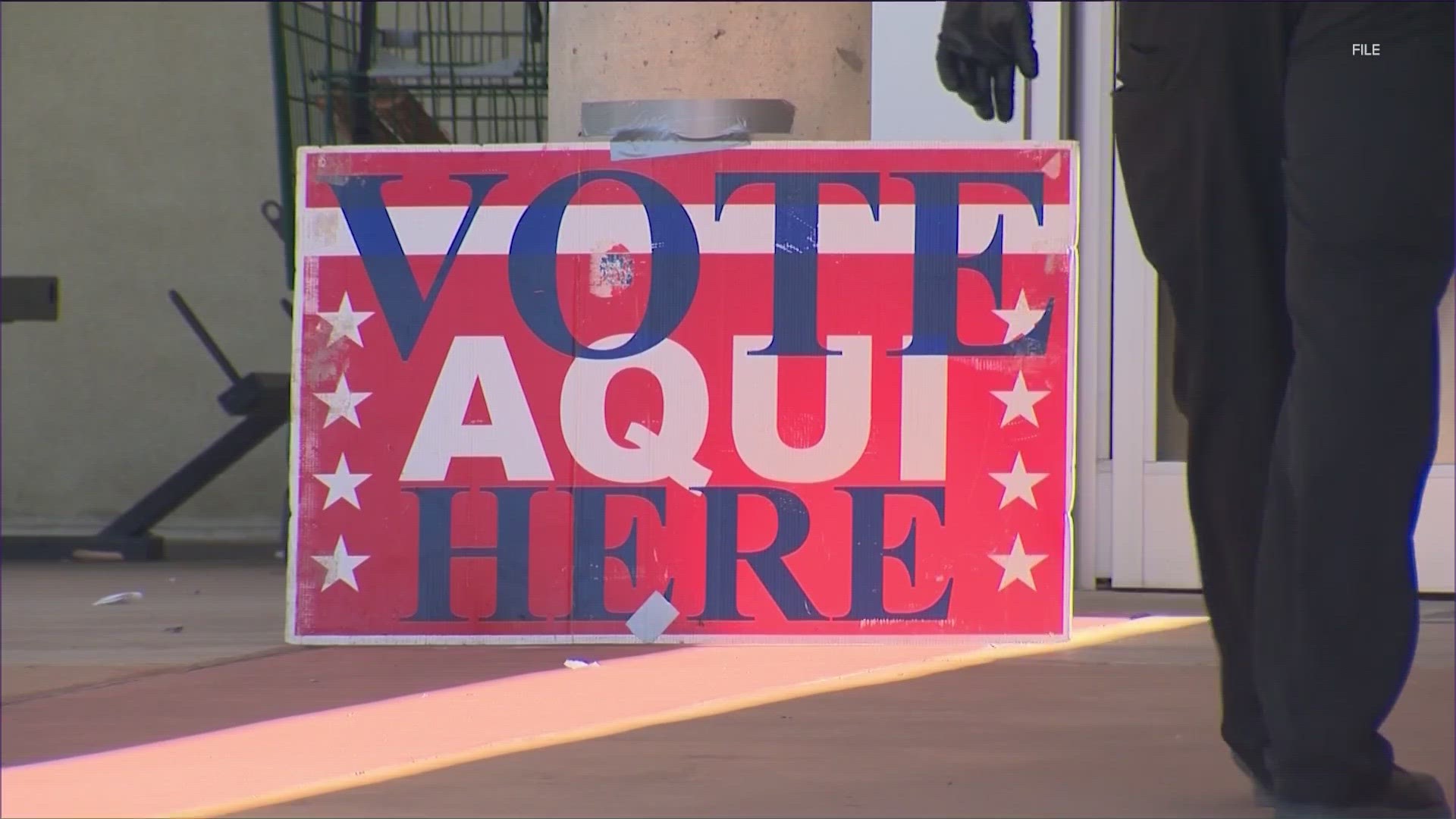
The most traditional method of voting is to cast your ballot in person at your assigned polling place on Election Day. Your voter registration dictates which polling location is designated for your precinct. You can typically find your polling place information through your local County Clerk’s or Elections Office website.
If you are traveling on Election Day and are not at your registered address, you cannot vote at a polling station in a different county or precinct. This reinforces the principle that your vote is tied to your registered address. To vote in person on Election Day, you must be physically present at your assigned polling location.
Early Voting
Texas offers an early voting period, allowing registered voters to cast their ballots in person before Election Day. Early voting polling locations are often more numerous and accessible than Election Day polling places, and they are usually open for a set period, including weekends.
Crucially, during the early voting period, you can vote at any early voting location within your county of residence. This offers a significant degree of flexibility for those who need to cast their ballot before Election Day but may not be able to reach their specific precinct polling place on the actual election day. For example, if you live in Harris County and are registered to vote there, you can cast your early ballot at any designated early voting site throughout Harris County, regardless of which precinct it serves. This is a vital option for individuals who might be traveling within their home county during the early voting period.

However, this flexibility does not extend beyond your county of residence. If you are registered in Harris County, you still cannot vote at an early voting location in Travis County, even if you are visiting Austin during the early voting period.
Mail-In Voting (Absentee Voting)
Texas has specific eligibility requirements for voting by mail. Generally, you must be:
- 65 years or older.
- Disabled.
- Out of your county on election day and during the hours early voting is open.
- In jail, but otherwise qualified to vote.
If you qualify for mail-in voting because you will be “out of your county on election day and during the hours early voting is open,” this is where your travel plans become most relevant. If your travel takes you outside of your county of residence during the entire early voting period and on Election Day, you can request an absentee ballot.
The ballot will be mailed to the address you provide on your application. It is essential to ensure this address is one where you can reliably receive mail, especially if you are traveling. Once completed, the ballot must be returned by mail or delivered in person to your local election official by the deadline.
It’s important to note that the application for a mail-in ballot must be submitted in a timely manner, and the ballot itself must be received by the election office by a specific deadline, typically the close of polls on Election Day. If you are traveling internationally, you may need to make arrangements to receive and return your ballot, which can add an extra layer of complexity.
Provisional Ballots
In situations where your eligibility to vote is in question at a polling place, you may be offered the option to cast a provisional ballot. This allows you to vote, but your ballot is set aside until election officials can verify your eligibility. Common reasons for casting a provisional ballot include voting at the wrong precinct, or issues with your voter registration status.
If you are traveling and mistakenly show up at a polling place outside your registered precinct, you might be offered a provisional ballot. However, it is always best to be informed about your correct polling place in advance to avoid this situation. The provisional ballot will only be counted if election officials determine that you were eligible to vote in that election and in that precinct.
Frequently Asked Questions for Travelers and Voters
For those whose lifestyles involve frequent travel, whether for business, leisure, or family, understanding how these movements impact their voting rights is paramount. Here are some common questions that arise:
What if I live in an RV and travel full-time in Texas?
If you are a full-time RVer in Texas, establishing a domicile for voting purposes is key. Many RVers designate a specific county in Texas as their domicile. This often involves establishing a mailing address with a service that provides a physical street address, even if you don’t physically reside there permanently. This chosen address becomes your legal residence for voting. You will then vote in the precinct associated with that designated domicile.
I’m staying in a hotel in a different city for a few weeks for work. Can I vote there?
No, you cannot vote in the city you are temporarily staying in for work if it is outside your county of residence. Your voter registration is tied to your permanent home address. While you are in Texas and eligible to vote, you must either vote by mail (if you qualify because you will be out of your county during the entire early voting period and on Election Day) or return to your home county to vote early or on Election Day.
I’m visiting family in another state during an election. Can I vote while I’m there?
If you are a resident of Texas and are visiting another state during an election, you cannot vote in that state. You must either vote by mail in Texas (if you qualify) or arrange to vote in Texas before you leave or after you return. You can also check if the state you are visiting allows same-day registration and voting, but you would be voting in their elections, not Texas elections.
How do I update my voter registration if I move within Texas?
If you move to a new address within Texas, you need to update your voter registration. You can do this online through the Texas Secretary of State’s website, by mail, or in person at your local voter registrar’s office. It’s recommended to update your registration as soon as possible after moving to ensure you are eligible to vote in your new precinct.
What if I am registered in one county but currently staying in another, and Election Day is approaching?
If Election Day is approaching and you are staying in a county different from your registered county, you have a few options, assuming you are still within Texas:
- Vote Early in Your Home County: If the early voting period is still open and you can travel back to your home county, you can vote at any early voting location within your county of residence.
- Vote by Mail: If you qualify for an absentee ballot because you will be out of your county of residence during the entire early voting period and on Election Day, you can apply for and cast a mail-in ballot. This is often the most convenient option for those who are traveling extensively.
- Return Home to Vote: If neither of the above is feasible, you will need to plan your travel to be back in your home county on Election Day to vote at your assigned polling place.
In conclusion, while Texas offers a wealth of travel experiences, from the bustling metropolis of Houston to the natural beauty of the Texas Hill Country, the right to vote is firmly anchored to your established residency. By understanding the rules of voter registration, residency, and the available voting methods, you can ensure your participation in democracy remains consistent and effective, no matter where your travels take you within the vast and diverse state of Texas. Always check the official Texas Secretary of State’s website for the most up-to-date information and specific deadlines related to voter registration and elections.