
Navigating the complexities of obtaining a driver’s license can be a significant hurdle for many, and for individuals without legal immigration status, this challenge is amplified. The question of whether undocumented immigrants can acquire a driver’s license in California is a pertinent one, impacting daily life, safety, and the ability to engage fully with the state’s vibrant tourism and lifestyle opportunities. This article delves into the current legal landscape surrounding driver’s licenses for undocumented immigrants in California, exploring the motivations behind such policies, the process involved, and the broader implications for residents and visitors alike.
The Rationale Behind California’s Policy
California’s decision to allow undocumented immigrants to obtain driver’s licenses is rooted in a multifaceted approach to public safety, economic well-being, and social integration. Historically, the state recognized that denying licenses to a substantial portion of its population did not prevent them from driving. Instead, it pushed these drivers into the shadows, operating without insurance or proper training, thereby increasing the risk of accidents and uninsured motorist incidents on California roads.
The primary driver behind this policy change was the enhancement of public safety. By requiring all drivers, regardless of immigration status, to pass driving tests, demonstrate knowledge of traffic laws, and obtain insurance, California aims to create a safer environment for everyone. Licensed drivers are generally more familiar with road rules and are more likely to have vehicle insurance, which is crucial for covering damages in case of an accident. This not only protects other road users but also reduces the burden on public resources that might otherwise be used to address the aftermath of accidents involving uninsured drivers.
Economically, the policy also makes sense. Undocumented immigrants are a significant part of the California workforce, contributing to various sectors, including agriculture, hospitality, and construction. The ability to drive legally allows these individuals to commute to work more reliably and safely, thus supporting their employment and contributing to the state’s economy. Furthermore, obtaining a driver’s license often necessitates purchasing auto insurance, which injects more money into the insurance market and can potentially lead to lower premiums for all insured drivers over time.
From a social integration perspective, a driver’s license is more than just a permit to drive; it is a form of identification that facilitates everyday life. It allows individuals to engage more readily with society, whether it’s picking up children from school, attending appointments, or participating in community activities. This increased mobility and sense of belonging can foster greater social cohesion and reduce the isolation often experienced by marginalized communities. While the term “illegal immigrants” is often used, proponents of the law prefer terms like “undocumented immigrants” to reflect a more nuanced understanding of their situations.
Assembly Bill 60 (AB 60) and its Impact
The landmark legislation that enabled undocumented immigrants to obtain driver’s licenses in California is Assembly Bill 60 (AB 60), signed into law in 2013 and effective from January 1, 2015. This bill amended existing California Vehicle Code sections to allow individuals to obtain a driver’s license regardless of their immigration status. The key change was the removal of the requirement for applicants to provide proof of legal presence in the United States.
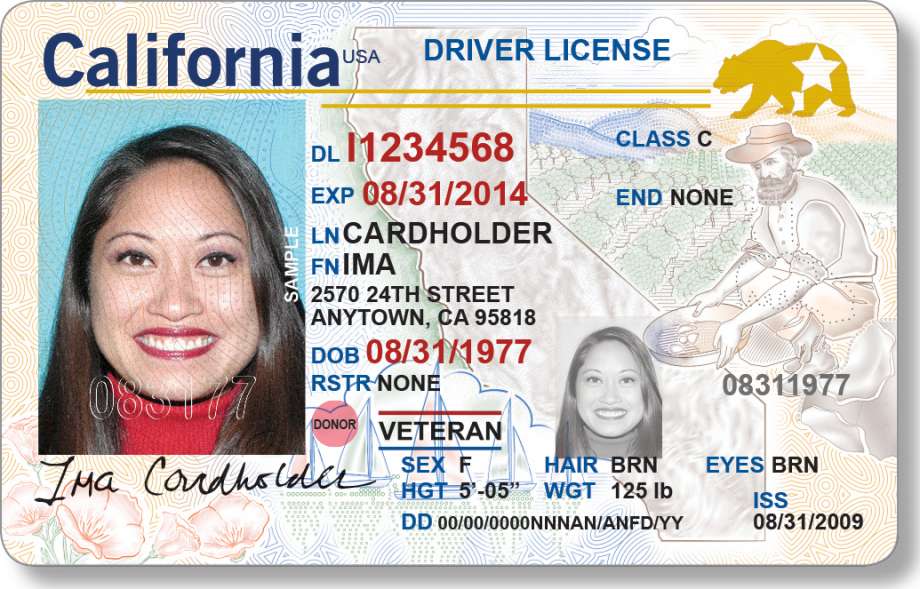
Under AB 60, applicants are still required to meet all other standard licensing requirements. This includes passing a written knowledge test, a vision test, and a behind-the-wheel driving test. They must also provide proof of identity and California residency. The Department of Motor Vehicles (DMV) developed a list of acceptable documents for these purposes, which includes foreign passports, Consular Identification Cards, and other documents that can verify identity and residency. It’s important to note that the license issued under AB 60 is distinguishable from those issued to legal residents, though it permits the holder to drive legally within the state. This distinction helps the federal government differentiate these licenses from those required for federal identification purposes.
The implementation of AB 60 has had a significant impact. The California Department of Motor Vehicles reported a substantial increase in applications from individuals who previously could not obtain a license. This has led to a more inclusive driving population and, as intended, an increase in insured vehicles on the road. The success of California’s AB 60 has also influenced discussions and policy changes in other states, with several others following suit in adopting similar measures to grant driver’s licenses to undocumented immigrants.
The Application Process and Requirements
For an undocumented immigrant seeking a driver’s license in California, the process is designed to be as straightforward as possible, while still upholding safety standards. The core requirements remain consistent with those for any driver applying for a license, with the primary difference being the documentation accepted for proof of identity and residency.
Documenting Identity and Residency
The California Department of Motor Vehicles (DMV) has established a clear set of guidelines for the types of documents that can be used to establish identity and residency for AB 60 license applicants. This is arguably the most critical step, as it requires applicants to gather specific forms of identification that may not be readily available to everyone.
Acceptable documents for proof of identity include, but are not limited to:
- A valid, unexpired foreign passport.
- A Consular Identification Card (Matricula Consular) issued by a consulate of a foreign country.
- A birth certificate (though this alone may not be sufficient for residency).
- A foreign driver’s license.
Proof of residency in California is also mandatory. This can be demonstrated through documents such as:
- Utility bills (electricity, gas, water) in the applicant’s name.
- Rental or lease agreements.
- Mortgage statements.
- Bank statements.
- Pay stubs.
- School documents, such as report cards or transcripts.
The DMV website provides a comprehensive list of acceptable documents, and it is advisable for applicants to review this list carefully before visiting a DMV office to avoid any delays. Having dual documentation, such as a passport and a utility bill, is often the most effective way to meet both identity and residency requirements.
Passing the Tests
Once identity and residency are verified, the applicant must then proceed with the standard driver’s license testing process. This includes:
The Written Knowledge Test
This test assesses the applicant’s understanding of California’s traffic laws, road signs, and safe driving practices. The material covered is the same as for any other driver’s license applicant. Study materials, including the California Driver Handbook, are available in multiple languages from the DMV. Passing this test is a prerequisite for moving on to the behind-the-wheel test.
The Vision Test
A basic vision test ensures that the applicant can see adequately to operate a vehicle safely. Corrective lenses may be permitted if the vision test is passed with them.
The Behind-the-Wheel Driving Test
This is the practical examination where an examiner evaluates the applicant’s ability to drive safely and proficiently in real-world traffic conditions. Applicants must demonstrate skills such as proper lane changes, turning, parking, and adherence to speed limits and traffic signals. The vehicle used for the test must be properly registered, insured, and in safe working condition.
It is crucial for applicants to be well-prepared for all stages of the testing process. Practicing driving in various conditions and thoroughly studying the driver handbook can significantly increase the chances of success.
Broader Implications and Perspectives
The implementation of AB 60 in California has sparked considerable discussion, not only within the state but also across the nation, influencing debates about immigration, public policy, and the definition of responsible citizenship. The policy’s effects are far-reaching, impacting not just those who directly benefit from the licenses but also the broader community and the state’s identity.
Safety, Tourism, and Lifestyle Integration
From a travel perspective, the impact of AB 60 is less about tourists and more about the residents who support the tourism industry. A licensed driver can more easily commute to jobs in hotels, resorts, and restaurants that are vital to California’s tourism sector. This leads to a more stable and reliable workforce for these businesses. For residents, the ability to drive legally opens up opportunities for exploration of California’s diverse attractions, from the beaches of Southern California to the national parks and wine regions of the north. It facilitates access to various lifestyle options, whether it’s enjoying family trips to landmarks like the Golden Gate Bridge or attending local cultural events.
Moreover, enhanced road safety benefits everyone, including tourists who visit California. When more drivers are licensed, insured, and knowledgeable about traffic laws, the overall risk of accidents decreases. This contributes to a safer experience for visitors navigating the state’s extensive network of highways and byways, whether they are heading to a luxury resort in Beverly Hills or a quaint bed and breakfast in Napa Valley.

Addressing Concerns and Future Directions
Despite the aims of AB 60 to improve public safety and integrate communities, concerns have been raised by some segments of the population. These often center on security, the perceived fairness of issuing licenses to individuals who are not in the country legally, and the potential for misuse of the licenses. However, proponents argue that the security measures in place, including the distinct design of the licenses and the verification processes at the DMV, mitigate these risks.
The success of California’s policy has served as a model for other states, demonstrating that it is possible to create a system that balances public safety, economic interests, and humanitarian considerations. As discussions about immigration reform continue at the federal level, California’s experience with AB 60 offers valuable insights into the practical benefits and challenges of allowing undocumented immigrants to obtain driver’s licenses. The policy underscores the idea that comprehensive solutions often involve pragmatic approaches that prioritize the well-being and integration of all residents within a state, ultimately fostering a more secure and prosperous society for everyone.