
The idea of snow gracing the sun-drenched landscapes of Los Angeles often evokes a collective chuckle, a seemingly absurd notion given the city’s reputation for perpetual sunshine and palm-fringed beaches. Yet, the question “Can it snow in Los Angeles?” is more complex than a simple yes or no. While the iconic image of Los Angeles is one of warm weather, the reality is that the geographical diversity of Los Angeles County allows for a surprising range of climatic conditions, and under very specific circumstances, even a dusting of snow is not entirely out of the question.
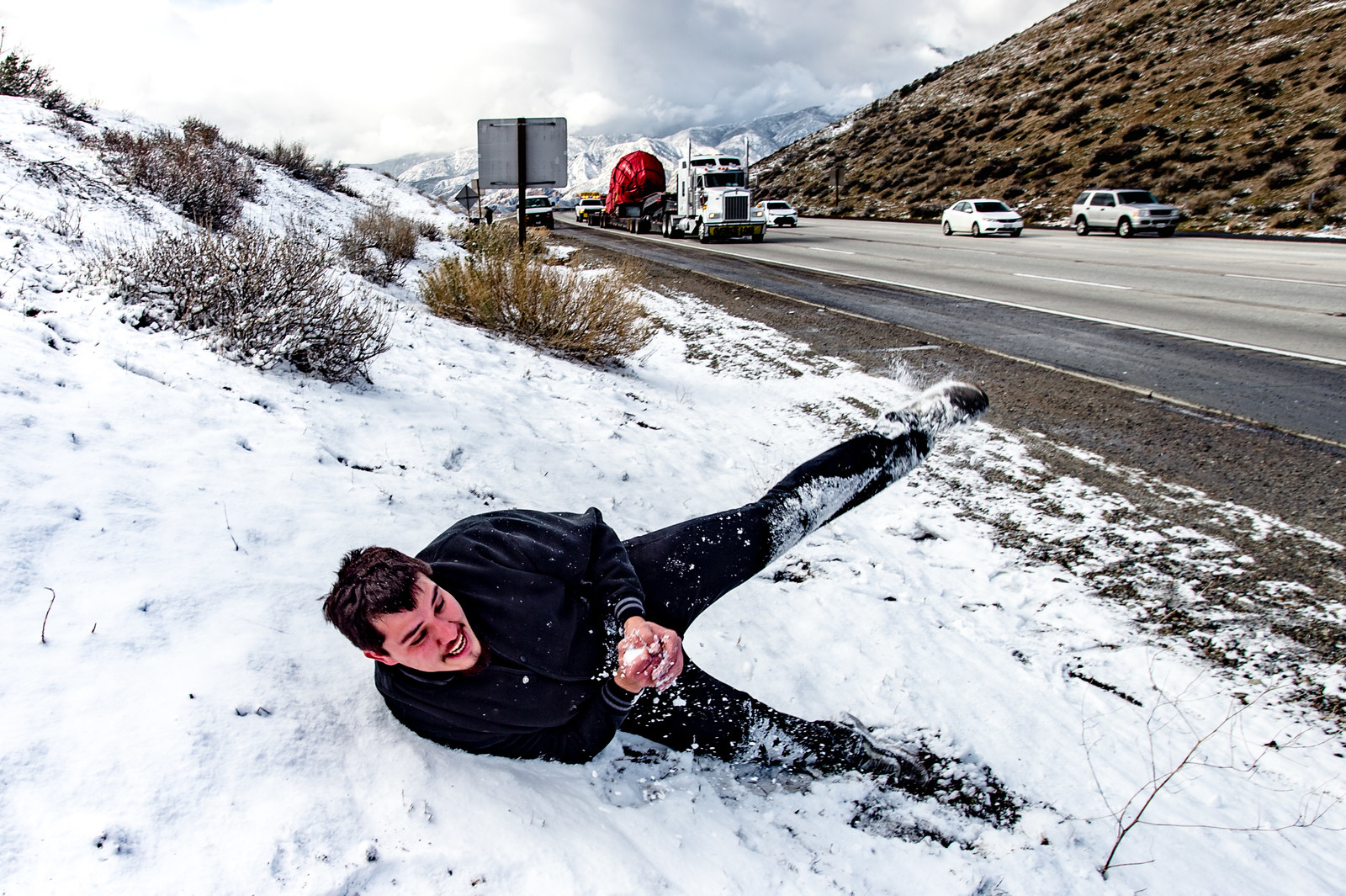
This article delves into the meteorological nuances, historical occurrences, and the ever-present allure of winter wonderlands that are, surprisingly, within reach of Los Angeles residents and visitors. We will explore the elevated terrains where snowfall is a regular, albeit often mild, visitor, and the rare occasions when the magic of snow has touched the more familiar urban sprawl.
The Altitudinal Advantage: Where Snowfall Becomes a Reality
The primary reason why snow in Los Angeles is not an everyday phenomenon is its relatively low elevation in the most populated areas. The city proper sits at an average of just 279 feet (85 meters) above sea level. However, Los Angeles County is a vast and varied region, encompassing mountain ranges that soar to significant heights. It is in these elevated areas that the temperature drops sufficiently for precipitation to fall as snow.
The San Gabriel Mountains: A Winter Playground
The majestic San Gabriel Mountains, forming a dramatic backdrop to the San Gabriel Valley and extending into the northern reaches of the county, are the most consistent purveyors of snow within Los Angeles County. These rugged peaks, including prominent summits like Mount Baldy (also known as Mount San Antonio), regularly experience snowfall during the winter months, typically from November through March.
Mount Baldy, standing at 10,064 feet (3,068 meters), is the highest point in Los Angeles County and transforms into a veritable winter wonderland during the colder seasons. Ski resorts, such as the now-closed Ski Sunrise (formerly Ski Sunrise at Mount Baldy), have historically capitalized on these conditions, offering opportunities for skiing, snowboarding, and other snow sports. Even without established resorts, the higher elevations of Mount Baldy are a popular destination for hikers and outdoor enthusiasts seeking to experience snow firsthand. The drive up to these mountain communities, such as Wrightwood (though technically in San Bernardino County, it’s a common day trip destination from Los Angeles for snow), offers a dramatic visual transition from the arid coastal plains to snow-capped peaks.
Activities in the Snow-Capped Peaks
For those in Los Angeles yearning for a snowy escape, the San Gabriel Mountains offer a surprisingly accessible option.
- Hiking and Snowshoeing: Trails like the Bear Canyon Trail or the ascent to Mount Baldy’s summit become challenging but rewarding snowshoeing or winter hiking routes. Proper gear, including waterproof boots, warm clothing, and potentially microspikes or snowshoes, is essential.
- Sledding and Snow Play: In areas with sufficient accumulation and safe, accessible slopes, informal sledding and snowball fights become popular pastimes. It’s crucial to be aware of local regulations and safety guidelines.
- Photography: The stark beauty of snow-covered mountains against a clear blue sky provides a stunning photographic opportunity, a stark contrast to the typical sun-drenched imagery of southern California.
The experience of seeing snow in Los Angeles County is, therefore, primarily an altitude-dependent one. It requires venturing away from the immediate coastal and valley regions into the higher elevations where temperatures are conducive to freezing.
The Transverse Ranges and Beyond: Expanding the Snowy Horizon
While the San Gabriel Mountains are the most prominent, other mountain ranges within or bordering Los Angeles County can also receive snowfall. The San Bernardino Mountains, to the east, are home to well-known ski destinations like Big Bear Lake and Snow Valley Mountain Resort, which are frequent winter retreats for Los Angeles residents. Although these are technically outside Los Angeles County, their proximity makes them easily reachable for a snowy getaway.
Even the Santa Monica Mountains, which stretch along the coast, can experience frost and, in very rare, intense cold snaps, a light dusting of snow at their highest points. However, this is exceptionally uncommon and would be a fleeting event, more likely observed on the peaks than in the populated areas below.
Rare Moments of White: Snowfall in the Los Angeles Basin
While snow is a regular occurrence in the mountains, its appearance at lower elevations, particularly in the populated Los Angeles Basin, is a noteworthy and infrequent event. These occurrences are often the subject of local news reports and cherished memories for those who witness them.
Historical Snowfall Events
Throughout its history, Los Angeles has experienced several instances of snow falling in areas that are typically warm. These events are usually linked to powerful winter storms that bring exceptionally cold air masses to the region.

-
The Great Snow of 1949: One of the most significant snowfall events recorded in Los Angeles occurred on January 11, 1949. Snow fell in many parts of the basin, blanketing areas from the coast inland. Downtown Los Angeles received a measurable accumulation, and areas like Hollywood Hills and Pasadena reported significant snowfall, leading to widespread disruption and awe. Roads were closed, schools were shut down, and residents ventured out to experience the novelty of snow in their own neighborhoods. This event is often cited as the most substantial snowfall the city has experienced in modern history.
-
Other Notable Occurrences: While less impactful than the 1949 event, other years have seen light snow or graupel (soft hail) fall in lower elevations. These often occur during periods of unusually cold weather, sometimes accompanied by hail, creating a brief illusion of a winter wonderland. For instance, there have been reports of snow flurries in areas like Beverly Hills and Santa Monica during particularly cold winter storms, though these rarely accumulate and quickly melt.
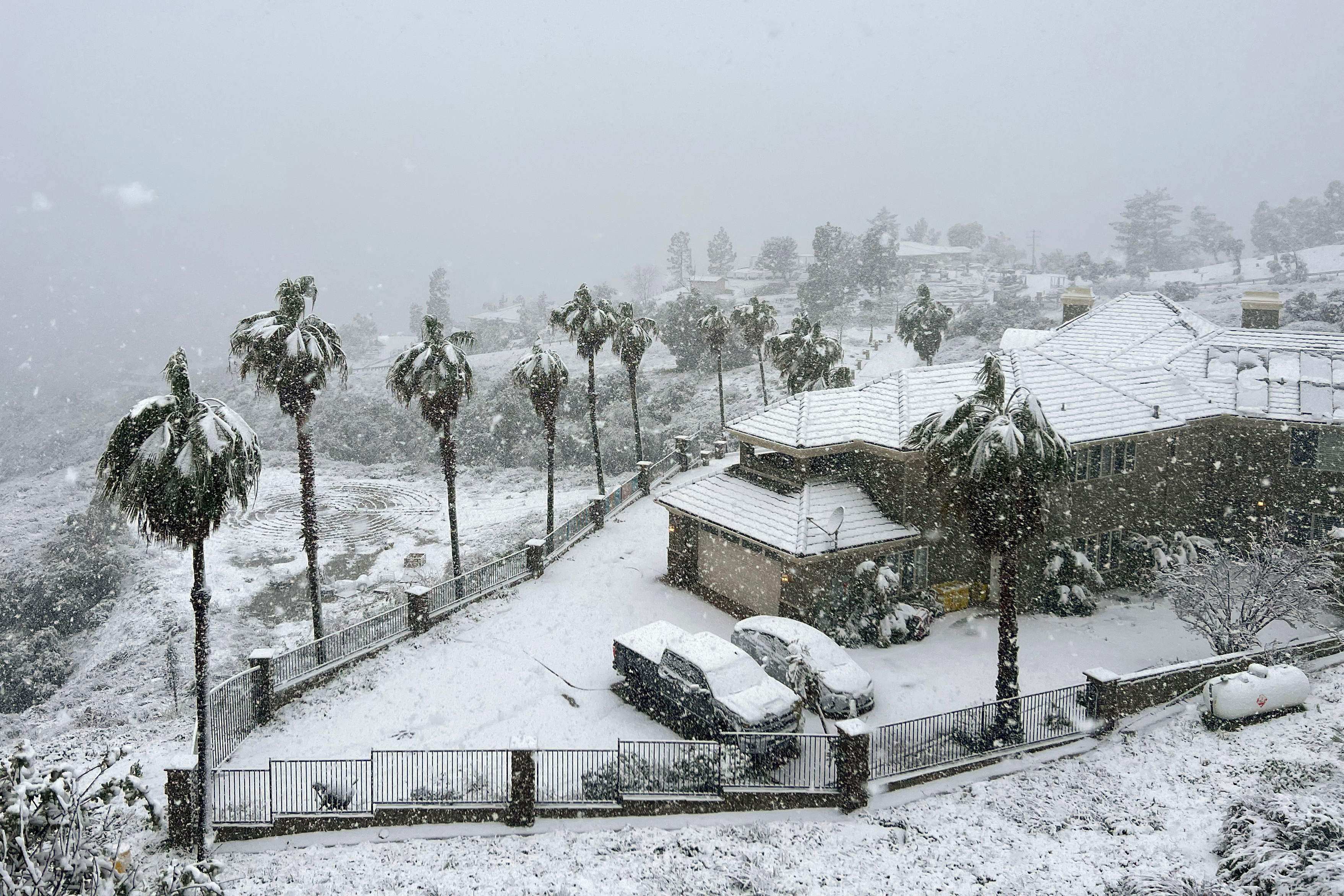
The rarity of these events adds to their mystique. They transform the familiar urban landscape into something otherworldly, prompting a flurry of activity as people capture the unusual sights and share the experience. These moments serve as a powerful reminder of the dynamic nature of weather, even in a region known for its predictable climate.
The Science Behind the Snow
For snow to fall in Los Angeles, a specific set of meteorological conditions must align.
- Cold Air Mass: The most crucial factor is the presence of a sufficiently cold air mass. This typically involves a storm system originating from the north or northwest, bringing frigid air down into southern California.
- Moisture: The cold air mass must also contain ample moisture. This moisture is often drawn from the Pacific Ocean, forming storm clouds.
- Freezing Temperatures at Altitude: For precipitation to fall as snow, the temperature must be at or below freezing (0° Celsius or 32° Fahrenheit) from the cloud level all the way down to the ground. This is why snow typically falls in higher elevations where temperatures naturally drop.
- Lifting Mechanism: A weather system that forces air upward, such as a low-pressure system or a mountain range, helps to create the conditions for precipitation.
When these factors combine in the right way, even the relatively warm air of the Los Angeles Basin can become cold enough for snow. However, the inversion layers that often characterize southern California’s climate can sometimes trap warmer air at lower levels, preventing snow from reaching the ground even when it’s falling at higher altitudes. This is why a storm might bring snow to the San Gabriel Mountains while only producing rain in Los Angeles proper.
Planning Your Snowy Escape from Los Angeles
For those who find themselves captivated by the idea of experiencing snow without venturing too far from the urban allure of Los Angeles, several practical options exist, blending the convenience of a short trip with the magic of winter.
Day Trips and Weekend Getaways
The proximity of the San Gabriel Mountains makes a snowy day trip a feasible reality, particularly during the winter months.
-
Mount Baldy: As mentioned, Mount Baldy is the most accessible high-altitude location within Los Angeles County for potential snow. Checking local weather forecasts and road conditions is paramount before embarking. The drive itself is scenic, and once at higher elevations, the possibility of encountering snow, especially in the winter months, is significant.
-
Big Bear Lake: A more established winter destination, Big Bear Lake in the San Bernardino Mountains offers a more guaranteed snowy experience with ski resorts, snow play areas, and charming mountain villages. It’s a popular weekend getaway for Los Angeles residents, often accessible within a 2-3 hour drive, depending on traffic and road conditions. Options for accommodation range from cozy cabins and vacation rentals to hotels and lodges.
-
Wrightwood: Situated in the San Gabriel Mountains and offering access to areas like Mountain High Resort, Wrightwood is another excellent option for a day trip or overnight stay. It provides a more rustic mountain town feel compared to Big Bear.
Where to Stay for a Snowy Experience
If a dedicated snowy vacation is on the cards, or if you prefer to combine your search for snow with a comfortable stay, numerous accommodations cater to these desires.
-
Mountain Resorts: Ski resorts in areas like Big Bear Lake often have lodges and hotels on-site or in nearby villages, offering direct access to winter activities. These can range from luxurious suites to more budget-friendly options, many featuring amenities like fireplaces, hot tubs, and stunning mountain views.
-
Cabins and Vacation Rentals: For a more private and immersive experience, renting a cabin or a vacation home in mountain towns like Big Bear Lake, Running Springs, or Wrightwood is a popular choice. These often provide a home-away-from-home feel, complete with kitchens, living areas, and sometimes even private hot tubs – perfect for warming up after a day in the snow. Websites specializing in vacation rentals offer a wide array of choices, from rustic bungalows to modern chalets.
-
Hotels and Motels in Mountain Towns: Even if you’re not staying at a ski resort, most mountain towns offer a selection of hotels and motels. These can be a more convenient and budget-friendly option for those who plan to spend their days exploring the snowy landscapes and simply need a comfortable place to rest and recharge.
When planning your trip, always research the specific offerings of different destinations. Some areas are geared more towards hardcore skiers, while others focus on family-friendly snow play and scenic beauty. Regardless of your preference, the possibility of experiencing snow, either as a rare natural event in the city or as a planned excursion to the nearby mountains, makes the question of “Can it snow in Los Angeles?” a surprisingly engaging one. The juxtaposition of the desert-like climate of the basin with the alpine environment of the mountains creates a unique geographical tapestry, allowing for a diverse range of travel experiences within a single metropolitan region.
LifeOutOfTheBox is a participant in the Amazon Services LLC Associates Program, an affiliate advertising program designed to provide a means for sites to earn advertising fees by advertising and linking to Amazon.com. Amazon, the Amazon logo, AmazonSupply, and the AmazonSupply logo are trademarks of Amazon.com, Inc. or its affiliates. As an Amazon Associate we earn affiliate commissions from qualifying purchases.