
The allure of travel often intertwines with the exploration of local culinary delights. For many, a trip isn’t complete without savoring authentic regional dishes. However, when a journey is undertaken by a pregnant woman, these gastronomic adventures require a more cautious approach. The question of whether pregnant women can safely indulge in a popular sushi item, the California Roll, is a common concern for expectant mothers who wish to maintain their adventurous palates while prioritizing the health and safety of their developing baby.
Navigating dietary recommendations during pregnancy can feel like a minefield of “dos” and “don’ts.” While general advice often points towards avoiding raw seafood, the nuances of specific dishes like the California Roll can be confusing. This article aims to demystify the ingredients and preparation of a California Roll, assess the associated risks for pregnant women, and offer practical advice for enjoying this and similar culinary experiences safely. Our focus on travel, tourism, and lifestyle experiences means we often encounter diverse food cultures, and we understand the importance of making informed choices, especially when health is paramount.
Understanding the California Roll
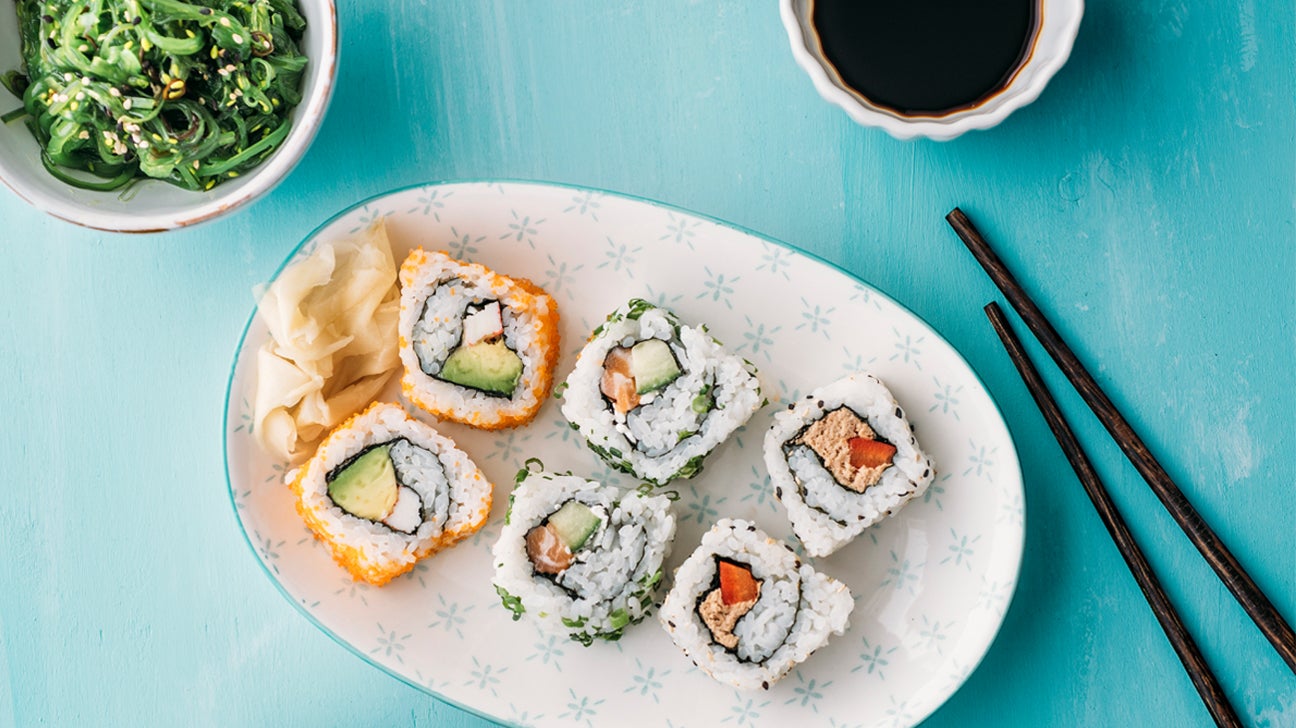
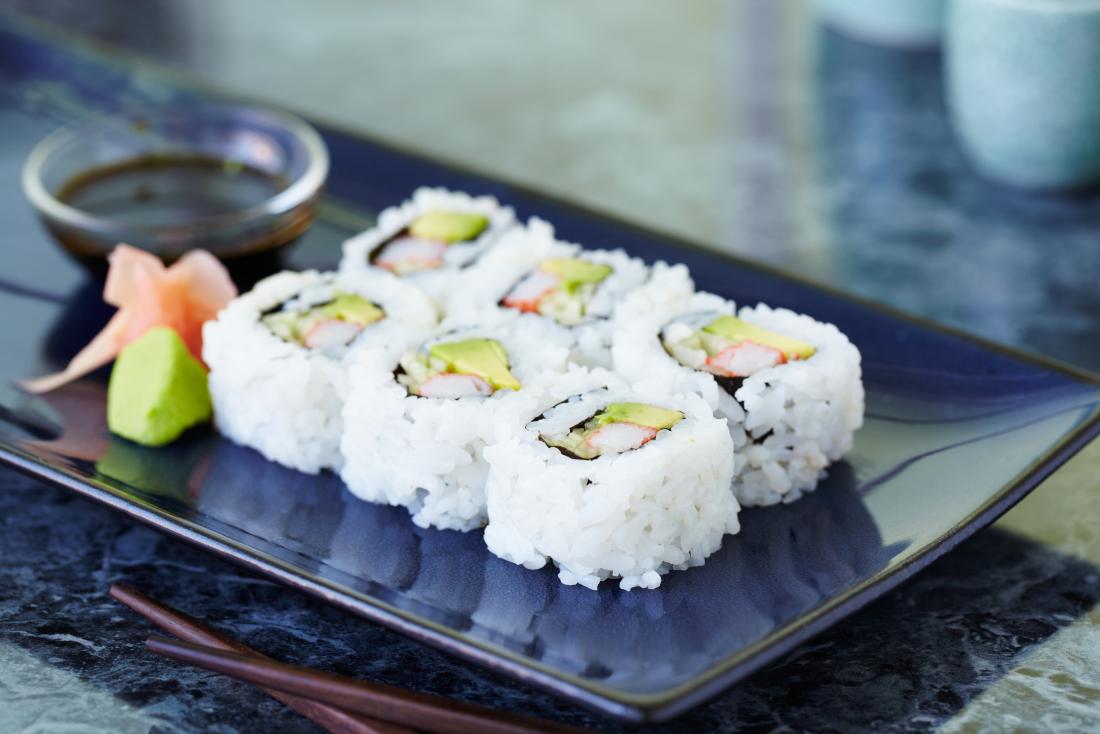
At its core, the California Roll is a type of makizushi, a sushi roll that features ingredients rolled inside seasoned rice and then typically wrapped in nori (seaweed). Unlike many traditional sushi varieties that prominently feature raw fish, the California Roll has distinct characteristics that often lead to it being considered a safer option for pregnant women.
Key Ingredients and Preparation
The defining ingredients of a California Roll are:
- Crab Meat: This is arguably the most crucial element that differentiates it from raw fish rolls. In a traditional California Roll, the “crab” is usually imitation crab, which is made from processed white fish (like pollock) that is cooked and blended with starches, egg whites, and flavorings to mimic the taste and texture of real crab. Crucially, this imitation crab is already fully cooked before it’s used in the roll. In some more upscale or authentic preparations, real crab meat might be used, but it is still always cooked.
- Avocado: This creamy fruit adds richness and healthy fats to the roll. Avocado is a safe food for pregnant women.
- Cucumber: Fresh cucumber provides a refreshing crunch and hydration. It is also a safe ingredient.
- Sushi Rice: This is short-grain white rice seasoned with a mixture of rice vinegar, sugar, and salt. The cooking process for sushi rice involves heat, making the rice itself safe.
- Nori (Seaweed): Thin sheets of dried seaweed are used to wrap the roll. Nori is generally safe and can even offer some nutrients.
The preparation method for a California Roll is also important. The ingredients are typically arranged on a mat, rolled, and then sliced. The key is that the primary protein component, the crab meat (whether imitation or real), is cooked. This cooked nature significantly reduces the risk of foodborne illnesses associated with raw seafood.
Distinguishing from Raw Sushi
It’s vital to distinguish the California Roll from sushi preparations that involve raw fish, such as sashimi (slices of raw fish) or rolls like the tuna roll or salmon roll made with uncooked fish. Raw fish, particularly certain types, can carry a higher risk of contamination with bacteria like Listeria monocytogenes or parasites. These pathogens can pose serious threats to both the pregnant woman and the developing fetus, potentially leading to miscarriage, stillbirth, or severe health problems for the newborn.
The Centers for Disease Control and Prevention (CDC) and the Food and Drug Administration (FDA) in the United States, along with similar health organizations globally, strongly advise pregnant women to avoid raw or undercooked seafood. This advice is rooted in the potential for these contaminants to harm the pregnancy. Because the California Roll primarily features cooked ingredients, it is often considered a lower-risk option.
Safety Considerations for Pregnant Women
While the ingredients of a California Roll are generally safe, there are still several important considerations for pregnant women to ensure their meal is as safe as possible. These revolve around the source of the ingredients, preparation practices, and the context in which the roll is consumed.
Risk of Cross-Contamination
Even if a California Roll itself contains no raw fish, the risk of cross-contamination is a significant concern in any establishment that serves both raw and cooked food. If the same knives, cutting boards, or surfaces are used for preparing raw fish and cooked ingredients like those in a California Roll, bacteria from the raw fish can transfer to the cooked components. This is a primary reason why even seemingly safe dishes can become risky in a contaminated environment.
To mitigate this risk, pregnant women should opt for sushi restaurants that demonstrate stringent hygiene practices. This includes ensuring that separate utensils and preparation areas are used for raw and cooked foods. Observing the cleanliness of the restaurant and the staff’s adherence to food safety protocols can provide reassurance.
Listeria Monocytogenes and Other Pathogens
Listeria monocytogenes is a type of bacteria that can be found in ready-to-eat foods, including seafood, dairy products, and produce. It is particularly dangerous for pregnant women because it can cross the placenta and infect the fetus, leading to serious complications. While Listeria is more commonly associated with deli meats and unpasteurized dairy, it can also be present in contaminated seafood.
Another concern is Salmonella, which can be found in raw or undercooked seafood, eggs, and poultry. E. coli is also a potential risk. Pregnant women have a compromised immune system, making them more susceptible to foodborne illnesses. These infections can cause severe symptoms like fever, diarrhea, vomiting, and dehydration, which can be dangerous during pregnancy.
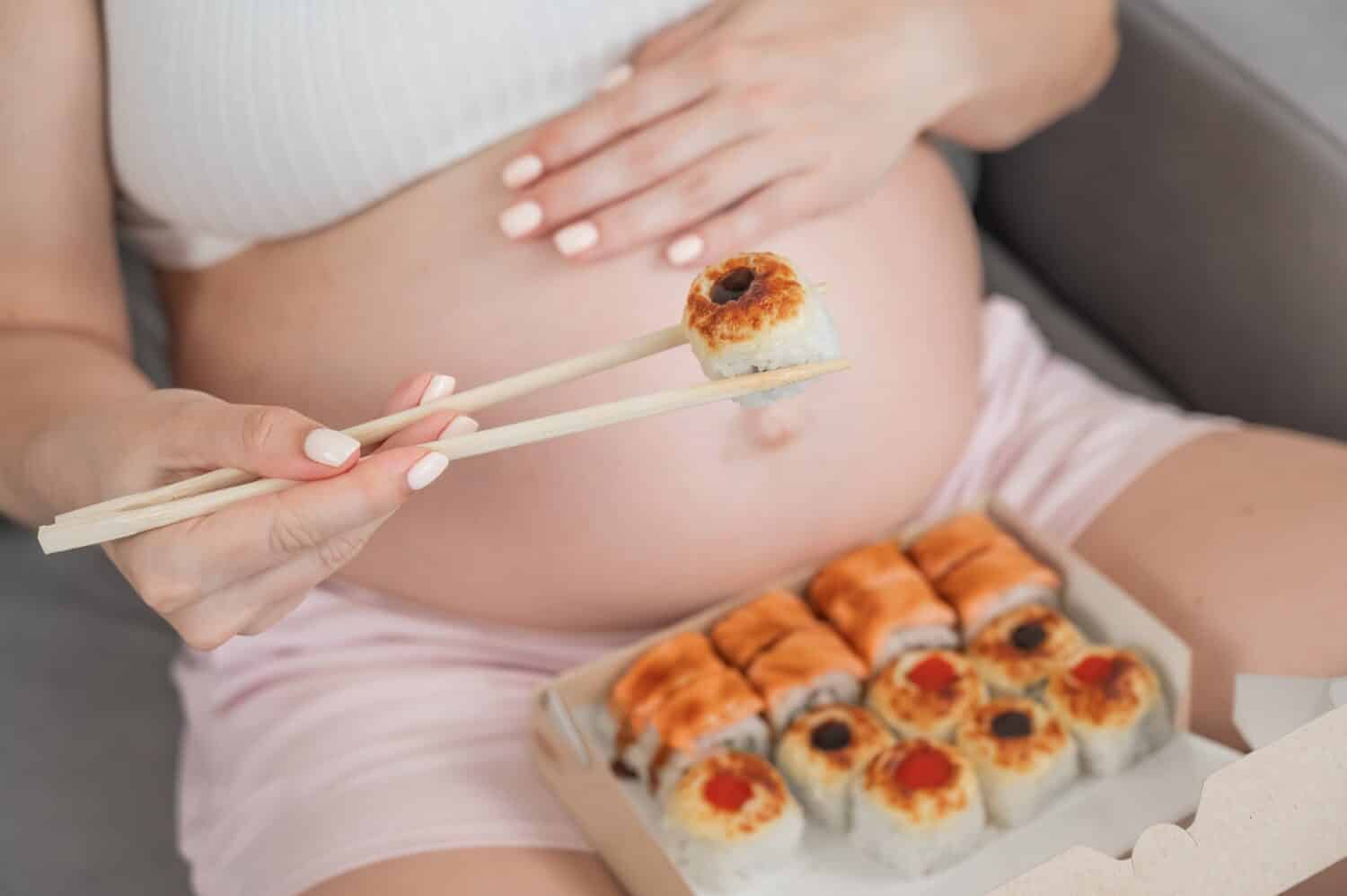
However, as previously emphasized, the key factor for California Rolls is that the crab meat is cooked. This process kills most harmful bacteria, including Listeria and Salmonella, significantly reducing the risk when handled and prepared properly.
Toxoplasmosis and Parasites
Toxoplasmosis is an infection caused by a parasite that can be found in undercooked meat and contaminated water. While less common in sushi than in undercooked meats, it’s another reason why avoiding raw foods is generally recommended during pregnancy. Parasites can also be present in raw fish. Thorough cooking kills these parasites.
Since the crab meat in a California Roll is cooked, the risk of toxoplasmosis and parasitic infections from this specific component is eliminated. The other ingredients, avocado and cucumber, are fruits and vegetables, and the rice is cooked. The nori is dried seaweed. Therefore, the primary risk associated with raw sushi—parasites and certain bacteria that thrive in raw fish—is largely absent in a well-prepared California Roll.
Making Informed Choices While Traveling
When traveling, especially to destinations known for their culinary scenes, the temptation to explore local delicacies is immense. For pregnant women, this often means balancing desires with safety. Understanding the food culture and common practices of a place can be just as important as knowing the ingredients of a dish.
Choosing Reputable Establishments
When craving a California Roll or any other sushi item while traveling, selecting a reputable establishment is paramount. This means looking for:
- Well-established restaurants: Places with a consistent track record and good reviews, particularly those that cater to a wide range of clientele including families, are often a safer bet.
- Cleanliness: A visibly clean restaurant, both in the dining area and potentially the kitchen if visible, indicates a commitment to hygiene.
- Dedicated sushi chefs: Experienced sushi chefs are more likely to understand and implement proper food handling and preparation techniques to prevent cross-contamination.
- High turnover: Restaurants with a high volume of customers tend to have fresher ingredients.
For instance, if you are exploring the vibrant streets of Tokyo, renowned for its world-class sushi, seeking out a restaurant with a Michelin star or one recommended by local guides can ensure a higher standard of food safety and quality. Similarly, in Los Angeles, a city with a rich Japanese culinary heritage, choosing a well-regarded sushi bar in areas like Little Tokyo or Westwood can provide a more assured dining experience.
Alternatives and Modifications
If there is any doubt about the preparation or the freshness of ingredients, or if the pregnant woman is particularly cautious, there are always alternatives and modifications to consider:
- Vegetarian Rolls: Many sushi restaurants offer delicious vegetarian rolls, such as avocado rolls, cucumber rolls, or sweet potato rolls. These are inherently safe as they contain no animal products that could harbor foodborne illnesses.
- Cooked Sushi Options: Beyond the California Roll, many sushi menus feature other cooked options, such as ebi (shrimp) rolls, unagi (eel) rolls (which are grilled and sauced), or tempura rolls.
- Ask About Preparation: Don’t hesitate to communicate with the restaurant staff. You can ask if the crab meat is cooked, how they prevent cross-contamination, and if they have specific preparations for pregnant customers. A good establishment will be happy to accommodate and answer your questions.
- Order “California Roll, no raw fish”: While a standard California Roll already fits this description, explicitly stating it can ensure clarity. If there’s any ambiguity about whether the imitation crab is cooked, this request can prompt confirmation.
For a more relaxed experience, consider staying at a well-appointed resort that offers on-site dining with a focus on fresh, prepared-to-order meals. For example, a stay at the Four Seasons Resort Maui at Wailea might include restaurants that are meticulously managed for food safety, offering peace of mind for expectant mothers.
The Role of “Imitation Crab”
It’s worth reiterating the significance of imitation crab, often referred to as “kani kama.” This product is made from surimi, a processed fish paste, and is always fully cooked during its manufacturing process. This cooking step is the primary reason why California Rolls are generally considered safe. Real crab meat, when used, is also always cooked before being incorporated into sushi. Therefore, the “crab” component of a California Roll is not a source of raw foodborne illness risk.
When planning a trip that involves extensive dining out, such as a culinary tour through Italy, it’s wise to research local food safety standards and popular dishes. While Italy is famed for its pasta and pizza, many Italian cities like Rome or Florence also have diverse international dining options. If you find yourself craving sushi, applying the same principles of choosing reputable establishments and inquiring about preparation methods will serve you well.
When to Abstain
Despite the generally safe nature of a well-prepared California Roll, there are circumstances where abstaining is the wisest course of action:
- Extreme Caution: If you are in a situation where you have zero confidence in the food preparation standards (e.g., a very small, remote eatery with questionable hygiene, or if you are on a strict travel itinerary where getting sick would be detrimental), it might be better to err on the side of caution.
- Existing Health Conditions: If you have any pre-existing health conditions that make you more vulnerable to infections, or if your doctor has given you very specific dietary restrictions beyond the standard pregnancy advice, consult with your healthcare provider.
- Suspicions about Ingredients: If a restaurant cannot confirm that the crab meat is cooked, or if the overall cleanliness is concerning, it is best to avoid the dish.
Ultimately, the decision rests with the individual pregnant woman, in consultation with her healthcare provider and based on her personal comfort level and the specific circumstances of her dining environment. The beauty of travel is the diversity of experiences, and for pregnant women, this includes the ability to enjoy a wider range of foods safely by making informed, deliberate choices. The California Roll, with its cooked ingredients, can indeed be a delightful and safe option when approached with awareness and diligence.