
For many travelers planning a tropical escape or considering a long-term stay in a vibrant locale, Puerto Rico stands out as an enticing destination. Known for its stunning beaches, lush rainforests, rich history, and captivating culture, the island offers an unparalleled experience. However, beneath the surface of its tourist appeal lies a complex political status that often sparks questions, particularly regarding its relationship with the United States. One of the most frequently asked questions is whether Puerto Rico can vote for the U.S. President. The short answer, for residents living on the island, is generally no, but the full explanation delves into the fascinating and often contentious nuances of its territorial status.
Understanding this unique political framework is key not only to appreciating the island’s dynamic identity but also for visitors who wish to grasp the local context beyond the beautiful scenery. While it might seem like a purely political topic, the status of Puerto Rico profoundly impacts its economy, infrastructure, and the daily lives of its citizens—factors that invariably shape the travel and tourism experience. From the availability of specific amenities in hotels to the development of landmarks and the overall lifestyle, the island’s commonwealth status subtly influences every facet of life and, by extension, every visit.
Unpacking Puerto Rico’s Unique Status
To comprehend why Puerto Rico does not participate in the U.S. presidential general election, it’s essential to first understand its designation as a U.S. territory. Unlike states that possess full sovereignty within the federal system, territories exist under the plenary power of the U.S. Congress. This distinction forms the bedrock of its unique political landscape, shaping everything from its governance to its economic ties and, crucially, its electoral rights.
A Commonwealth, Not a State
Puerto Rico has been an unincorporated territory of the United States since 1898, a consequence of the Spanish-American War. In 1952, it adopted its own constitution and established a commonwealth relationship with the United States. This status grants the island a significant degree of self-governance over local affairs, allowing its residents to elect their own governor and legislative assembly. The island has its own judicial system, distinct from the federal judiciary in some aspects, and maintains a unique fiscal relationship with the mainland.
However, despite this autonomy, Puerto Rico remains subject to the authority of the U.S. Congress. Federal laws apply to the island, though not always in the same manner as they do to the states. This intricate balance means that while Puerto Rico manages many of its day-to-day operations, ultimate sovereignty rests with the federal government. This can lead to situations where federal decisions, made without direct electoral input from island residents, have profound effects on their economy and social programs. For travelers, this means a blend of familiar U.S. norms—like the use of the U.S. dollar and federal agencies—intertwined with a distinctly local and Caribbean flavor in culture, language, and everyday life.
U.S. Citizenship Without Full Representation
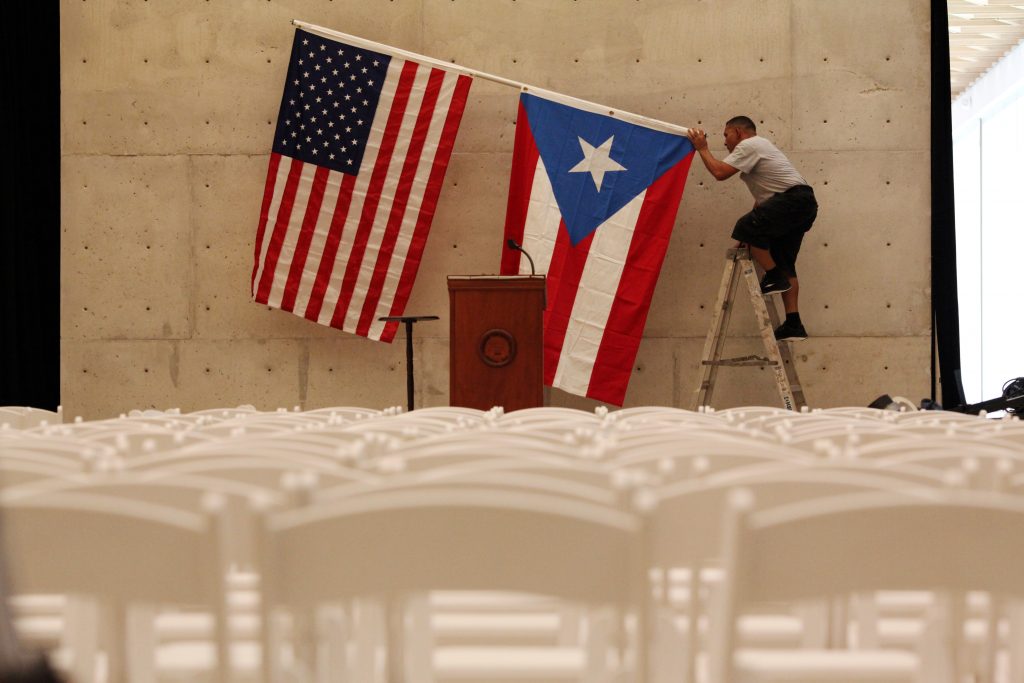
Perhaps the most significant aspect of Puerto Rico’s status is that its residents are, in fact, U.S. citizens. This was granted through the Jones-Shafroth Act in 1917. This act bestowed citizenship upon Puerto Ricans, allowing them to travel freely to the mainland United States, serve in the U.S. armed forces, and work anywhere within the country without requiring a visa or special permit. For visitors from the mainland, this means no passport is required to enter Puerto Rico, making travel incredibly convenient, akin to a domestic trip.
Despite this full citizenship, Puerto Ricans residing on the island do not possess the same federal voting rights as citizens living in any of the 50 states. They do not vote for the U.S. President or Vice President in the general election, nor do they have voting representation in the U.S. Congress. Instead, Puerto Rico is represented by a Resident Commissioner, who can debate and vote in committees but cannot cast votes on the House floor. This lack of full representation in Washington, D.C. is a point of ongoing debate and frustration for many on the island, as decisions affecting their lives are made by elected officials whom they cannot directly elect. This contrasts sharply with a U.S. citizen living in New York City or Florida, who enjoys full voting rights and representation.
The Presidential Vote: A Closer Look
The mechanisms behind U.S. presidential elections are complex, primarily relying on the Electoral College system. Understanding how this system operates helps clarify why U.S. territories, despite their populations of citizens, are excluded from the general election process.
The Electoral College and Territories
The U.S. presidential election is not determined by a national popular vote but by the Electoral College. Each state is allocated a number of electoral votes based on its total congressional delegation (its number of representatives in the House plus its two senators). To win the presidency, a candidate must secure a majority of these electoral votes. The crucial point here is that only states participate in the Electoral College. Since Puerto Rico is a territory and not a state, it does not have any electoral votes. This automatically disqualifies its residents from voting in the general election for president and vice president.
This exclusion also applies to other U.S. territories such as Guam, the U.S. Virgin Islands, American Samoa, and the Commonwealth of the Northern Mariana Islands. While millions of U.S. citizens reside in these territories, their voices are not directly heard in the selection of the nation’s chief executive. This setup has been a contentious issue for decades, with many advocates for territorial rights arguing that it creates a second-class citizenship, especially for those who serve in the military but cannot vote for their commander-in-chief.
Primary Elections and Party Affiliation
While residents of Puerto Rico cannot cast a ballot in the general election, they do play a role in the presidential nomination process through primary elections and caucuses. Both the Democratic Party and the Republican Party hold contests in Puerto Rico to allocate delegates to their national conventions. These delegates then vote to select the party’s presidential nominee.
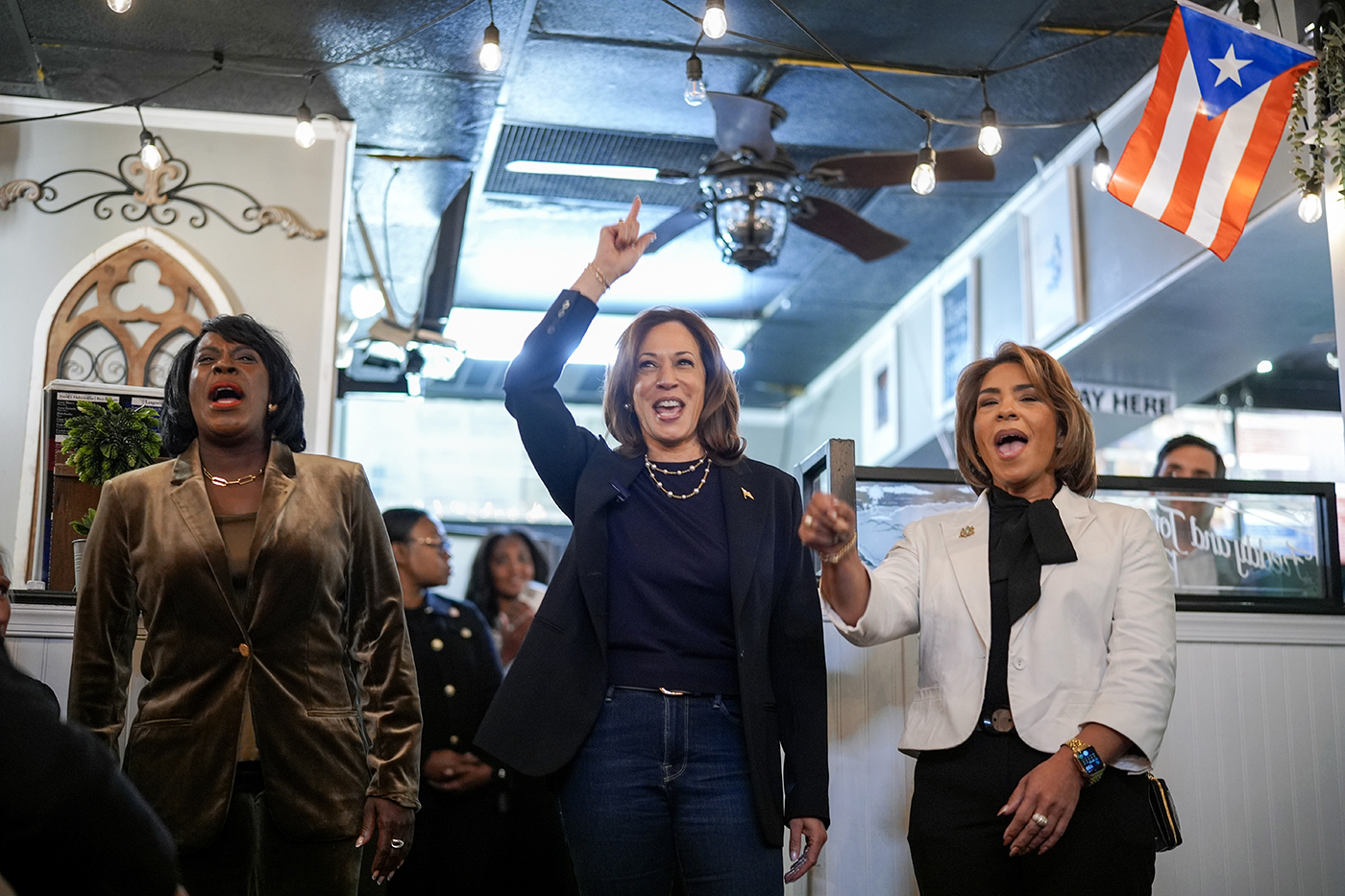
Participating in these primaries allows Puerto Ricans to influence the selection of candidates who will ultimately appear on the general election ballot. For instance, in a hotly contested primary race, the delegates from Puerto Rico could potentially swing the nomination in favor of one candidate over another. This provides a limited, but not insignificant, avenue for the island’s citizens to engage with the federal political process. Many presidential candidates visit Puerto Rico during primary season, engaging with local communities and addressing issues specific to the island, acknowledging the importance of its delegates. This interaction can also offer travelers a unique glimpse into the political culture of the island, a facet of its lifestyle that is deeply felt by its residents.
Exploring Paths to Future Status
The question of Puerto Rico’s political future is a constant undercurrent in the island’s discourse. For decades, debates have raged over whether it should pursue statehood, full independence, or an enhanced commonwealth status. Each option carries significant implications for the island’s economy, culture, and its relationship with the United States. Understanding these potential paths offers insight into the aspirations and challenges facing Puerto Rico and its people.
The Debate for Statehood
Statehood is arguably the most frequently discussed and debated option. Proponents of statehood argue that it would grant Puerto Rico full political equality with the rest of the United States. This would include having two senators and a number of representatives in the U.S. Congress (proportionate to its population), as well as the right for its citizens to vote in presidential general elections. Advocates believe statehood would bring increased federal funding, better access to federal programs, and a stronger, more stable economy due to greater certainty for investors. They also point to the psychological benefit of shedding the “territory” designation and achieving full integration into the American political family.
However, statehood is not without its challenges. Critics voice concerns about the potential loss of Puerto Rico’s distinct cultural identity and the Spanish language, which is dominant on the island. There are also economic considerations, as statehood would mean Puerto Rico would begin paying federal income taxes, which many fear could stifle its economy. Historically, referendums on statehood have shown varying levels of support, often indicating a deeply divided electorate. The path to statehood requires congressional approval, a process that has remained stalled for many years.
Independence and Enhanced Commonwealth Options
Alternative paths to statehood also hold significant support. Independence, while often seen as a less popular option in referendums, is championed by those who believe Puerto Rico should be a sovereign nation, free from U.S. federal oversight. Proponents argue that independence would allow the island to fully control its destiny, forge its own international relations, and develop economic policies tailored specifically to its needs, rather than being constrained by U.S. federal regulations. It would mean the full blossoming of the Boricua identity on the global stage. However, concerns exist about the economic viability of a newly independent nation, particularly regarding trade agreements, defense, and the potential impact on the free movement of Puerto Ricans to the mainland.
An enhanced commonwealth status represents a middle ground, seeking to grant Puerto Rico greater autonomy than its current status without becoming a state or fully independent. The specifics of an “enhanced” commonwealth are often debated, but generally involve more control over international relations, trade, and legal matters, while maintaining a connection with the United States, potentially retaining U.S. citizenship. The ongoing dialogue surrounding these options reflects the diverse perspectives of the Puerto Rican people and the profound importance they place on their future. These discussions are part of the daily fabric of life, often discussed in local cafes, impacting local business decisions, and shaping the island’s future development, including its tourism infrastructure.
Experiencing Puerto Rico: Beyond Politics
While the political status of Puerto Rico is undoubtedly a significant topic, it is crucial not to let it overshadow the island’s immense appeal as a world-class travel destination. For visitors, the unique relationship with the United States often translates into a seamless travel experience, combining the conveniences of home with the exotic allure of the Caribbean Sea and Atlantic Ocean. The island’s rich tapestry of culture, history, and natural beauty creates an unforgettable backdrop for any adventure, whether it’s a luxury escape, a budget-friendly family trip, or a business stay.
A Tapestry of Culture and Natural Beauty
Puerto Rico is often referred to as the “Island of Enchantment,” a moniker it lives up to with breathtaking landscapes and vibrant cultural experiences. From the cobblestone streets and colorful colonial architecture of Old San Juan to the misty peaks of El Yunque National Forest, the only tropical rainforest in the U.S. National Forest System, the island offers a diversity rarely found in such a compact area. History buffs can explore ancient fortresses like Castillo San Felipe del Morro, while nature enthusiasts can hike through lush trails, discover hidden waterfalls, or marvel at the incredible glow of bioluminescent bays, such as Bio Bay Fajardo.
The island’s coastline is dotted with world-renowned beaches, from the iconic white sands of Flamenco Beach on the island of Culebra to the lively shores of Isla Verde and the serene expanse of Luquillo Beach. Beyond San Juan, cities like Ponce, known for its unique architecture and art museums, and Aguadilla, a popular surfing destination, offer distinct regional flavors. The blend of Taino, Spanish, and African influences creates a unique Boricua culture, evident in its music (salsa, reggaeton), vibrant art scene, and, of course, its world-famous cuisine. Visitors can savor mofongo, lechón, and other local delicacies, or even take a tour of the historic Bacardi Distillery for a taste of its famous rum.
Why Travelers Flock to the “Island of Enchantment”
The unique political status, while complex, paradoxically enhances Puerto Rico’s appeal for many U.S. travelers. The convenience of domestic travel—no passport required for U.S. citizens, the use of the U.S. dollar, and English being widely spoken alongside Spanish—makes it an incredibly accessible international-feeling getaway. This ease of access, combined with a robust tourism infrastructure, caters to a wide range of accommodation needs, from luxury hotels and resorts to boutique guesthouses and charming apartments.
Travelers seeking opulent experiences can indulge in the exclusivity of resorts like the Ritz-Carlton Reserve Dorado Beach or the historic elegance of the Condado Vanderbilt Hotel. For those on a more modest budget, countless charming villas and guesthouses offer authentic local experiences. The island is also a hub for adventure, offering activities like surfing in Rincón, kayaking to Palomino Island for snorkeling, or exploring the untouched natural beauty of Vieques and its renowned Mosquito Bay.
From a lifestyle perspective, Puerto Rico offers a blend of relaxation and exhilaration. Whether you’re looking for a romantic escape, an adventurous expedition, or a family-friendly vacation, the island delivers. The political discussions, while important, often fade into the background as visitors immerse themselves in the warmth of the people, the vibrancy of the culture, and the unparalleled natural wonders. So, while Puerto Rico may not vote for the U.S. President in the general election, its undeniable charm, rich heritage, and welcoming atmosphere ensure its place as a premier destination for global travelers seeking a truly unique experience.