
California, a state renowned for its sprawling landscapes, vibrant cities, and diverse culture, has long been a beacon for opportunity and a sought-after destination for travelers worldwide. From the iconic beaches of Southern California to the majestic forests of the north, the Golden State offers an unparalleled array of experiences. For many residents, including undocumented immigrants, the ability to explore these wonders and navigate daily life hinges significantly on one crucial document: a driver’s license. The question of whether undocumented immigrants can obtain a driver’s license in California is not merely a legal one; it deeply impacts their lifestyle, their capacity for travel, and their integration into the state’s economic and social fabric.
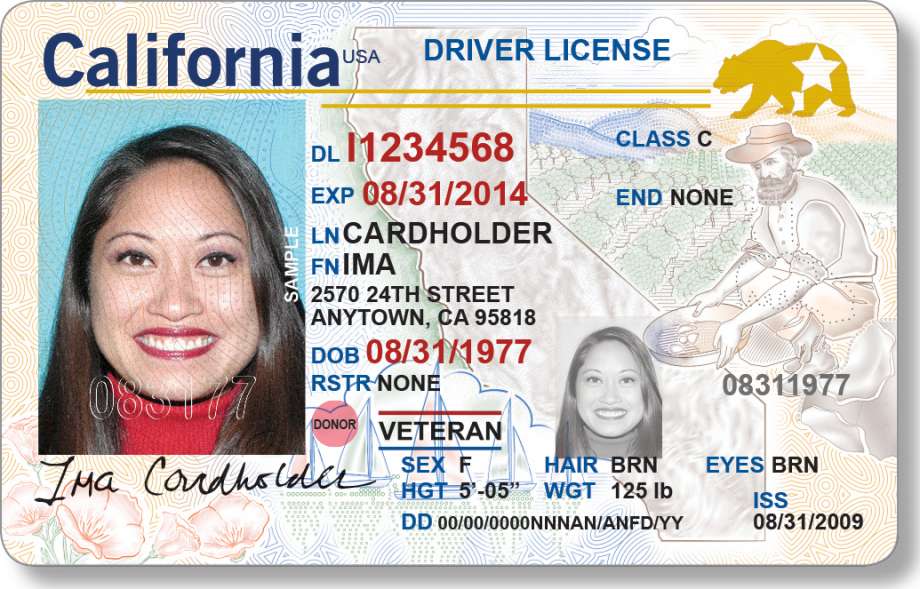
The answer to this pivotal question is a resounding yes, thanks to Assembly Bill 60 (AB 60), enacted on January 1, 2015. This landmark legislation allows all eligible California residents, regardless of their immigration status, to apply for an original driver’s license. This policy shift was not only a move towards greater inclusivity and safety on the roads but also a recognition of the significant role these individuals play in the state’s economy and community. For those who call California home, a driver’s license under AB 60 opens up a world of possibilities, from commuting to work and caring for families to embarking on unforgettable road trips and discovering the state’s myriad attractions. This article delves into the specifics of AB 60, explores the application process, and highlights the profound impact a driver’s license has on the daily lives, travel experiences, and broader lifestyle of undocumented immigrants in California.
The Path to a California Driver’s License: Understanding AB 60
The passage of AB 60 marked a significant moment in California’s history, aligning the state with a growing number of others recognizing the practical and humanitarian benefits of allowing all residents to obtain a driver’s license. Before AB 60, many undocumented individuals drove without licenses, leading to higher rates of uninsured drivers and increased safety risks for everyone on the road. The new law aimed to address these concerns by promoting safer roads through licensing, testing, and insurance requirements for all drivers.
Eligibility and Application Process
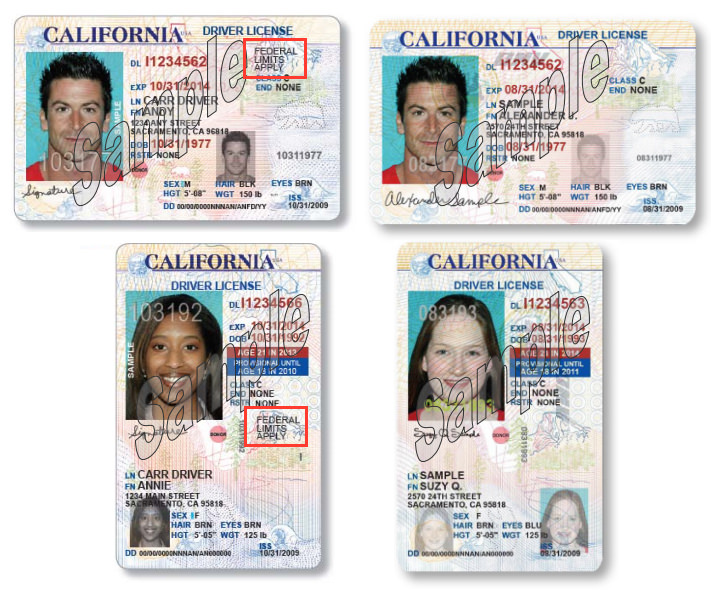
Under AB 60, the process for undocumented immigrants to obtain a driver’s license is largely similar to that for any other California resident, with a key difference in the type of identification documents accepted. Applicants must demonstrate proof of identity and California residency, pass a written knowledge test, a vision test, and a behind-the-wheel driving test. The driver’s license issued under AB 60 looks slightly different from a standard federal-compliant license, bearing a distinctive marking (e.g., “FEDERAL LIMITS APPLY”) to indicate it cannot be used for federal identification purposes like boarding domestic flights (though some airlines may accept it with supplementary ID) or entering federal facilities. However, it is fully valid for driving purposes within the state of California.
The first step involves completing a driver’s license application (DL 44) and scheduling an appointment at a Department of Motor Vehicles (DMV) office. Preparing for the written test by studying the official California Driver Handbook is crucial, as is practicing for the driving test. The accessibility of this process has empowered countless individuals to legally operate a vehicle, transforming their daily routines and expanding their horizons significantly.
Required Documents and Proving Identity
One of the most critical aspects of AB 60 is the flexibility it provides regarding documentation to prove identity and residency. Unlike standard licenses that typically require proof of legal presence in the U.S., AB 60 allows for alternative documents. Accepted forms of identification that do not require proof of U.S. citizenship or legal immigration status include:
- A valid, unexpired foreign passport (e.g., from Mexico, El Salvador, Guatemala).
- A Mexican Consular Card (Matrícula Consular de Alta Seguridad or MCAS).
- Other foreign identification documents, provided they meet DMV requirements and can be verified.
Applicants must also provide proof of residency in California. This can often be demonstrated through utility bills, rental agreements, school documents, or employment records. The DMV has established a robust system to verify the authenticity of these documents, ensuring the integrity of the licensing process while making it accessible to those who previously faced insurmountable barriers. This careful consideration of documentation is what makes AB 60 a truly inclusive and impactful piece of legislation, directly addressing the unique circumstances of undocumented residents.
The Importance of a Driver’s License for Everyday Life and Travel
Beyond the legal aspect, obtaining an AB 60 driver’s license has a profound, ripple effect on an individual’s daily lifestyle and potential for travel and exploration. For many, a driver’s license is a gateway to greater independence and opportunity. It means the ability to drive to work, take children to school or medical appointments, and carry out essential errands without fear of legal repercussions or relying on potentially unreliable and expensive alternatives. This newfound freedom directly enhances their quality of life, reducing stress and improving their capacity to manage household responsibilities.
From a travel and tourism perspective, a driver’s license transforms California’s vast and diverse landscape from an abstract dream into a tangible reality. Without a license, venturing beyond one’s immediate community or relying on limited public transportation can be daunting and impractical. With a license, undocumented immigrants can now join their families and friends in exploring the state’s world-famous attractions, visiting distant relatives, or simply enjoying the freedom of a spontaneous day trip. This empowerment not only benefits individuals but also contributes to the vibrant tapestry of California tourism by expanding the pool of potential travelers and consumers.
Unlocking California’s Treasures: Travel and Exploration with a License
California is a treasure trove of destinations, offering everything from bustling urban centers to serene natural wonders. For undocumented immigrants who now possess an AB 60 driver’s license, these experiences are no longer out of reach. The ability to drive opens up unparalleled opportunities for exploration, enabling them to truly immerse themselves in the state’s diverse offerings.
Iconic Road Trips and Scenic Drives
California is synonymous with the road trip. The freedom to hop in a car and explore the open road is a quintessential American experience, and thanks to AB 60, it’s now accessible to more residents. Imagine driving the breathtaking Pacific Coast Highway (Highway 1), winding along the rugged coastline from San Francisco to Los Angeles, with stops in charming beach towns like Santa Monica or the dramatic cliffs of Big Sur. A driver’s license makes these journeys feasible, allowing individuals and families to create lasting memories.
Beyond the coast, the state offers countless other scenic drives. The lush vineyards of Napa Valley and Sonoma are perfect for a weekend getaway, offering gourmet food and wine experiences that are often best accessed by car. For nature enthusiasts, a driver’s license is essential for visiting California’s magnificent national parks, such as Yosemite National Park with its towering sequoias and granite cliffs, or the unique desert landscapes of Joshua Tree National Park. These landmarks and natural attractions, previously challenging to reach without personal transportation, are now within grasp, fostering a deeper connection to the state’s natural beauty and enriching personal experiences.
Accessing Hidden Gems and Local Experiences
While well-known landmarks draw millions, California also boasts an abundance of hidden gems and authentic local experiences that are often off the beaten path. These smaller towns, unique cultural festivals, and family-owned restaurants are frequently inaccessible by public transport. With a driver’s license, individuals can venture into these less-traveled areas, discover artisanal markets, explore historic districts, or participate in community events that reflect the true spirit of California.
For example, exploring the diverse culinary scenes in various neighborhoods across Los Angeles or San Francisco, each offering a distinct cultural flavor, becomes effortless. Visiting agricultural regions like the Central Valley for fresh produce or exploring the quiet charm of mountain towns near Lake Tahoe are all possibilities opened up by the freedom of personal transportation. This enhanced mobility enriches their understanding of California beyond the tourist brochures, allowing for more profound and personalized travel narratives.
Family Travel and Accommodation Freedom
Family travel often presents unique logistical challenges, especially when relying on public transport or ride-sharing services. A driver’s license significantly eases these burdens for undocumented families in California. Trips to world-class attractions like Disneyland Resort in Anaheim or Universal Studios Hollywood become much more manageable when one can drive directly to the park, control the schedule, and bring along all necessary family essentials.
Furthermore, a valid driver’s license simplifies the process of booking and checking into various forms of accommodation. Whether it’s a bustling city hotel, a serene resort in Palm Springs, an apartment rental, or a cozy Airbnb villa, a state-issued ID is almost always required for check-in. This enables families to choose from a wider range of hotels, suites, resorts, and apartments, based on their budget travel needs and preferences, without the added stress of ID verification issues. The ability to confidently book and utilize different accommodation types greatly enhances their travel flexibility and overall vacation experience, making family outings to destinations like San Diego or the Central Coast more accessible and enjoyable.
Beyond the Wheel: Lifestyle Benefits and Community Integration
The impact of AB 60 extends far beyond the ability to drive; it profoundly shapes the daily lifestyle and integration of undocumented immigrants into California’s vibrant community. It’s a testament to how practical policies can yield broad social and economic advantages.
Enhanced Safety and Insurance Considerations
One of the primary motivations behind AB 60 was to improve road safety for all Californians. By allowing undocumented residents to obtain a license, the state ensures that more drivers undergo proper training, pass driving tests, and understand traffic laws. This leads to a safer driving environment for everyone. Crucially, licensed drivers are also able to purchase car insurance, significantly reducing the number of uninsured motorists on the road. For individuals, having insurance provides peace of mind and financial protection in case of an accident. This commitment to safety benefits the entire state, creating a more secure environment for residents and tourists alike as they navigate California’s extensive road network.
Economic Opportunities and Budget Travel
A driver’s license can be a powerful tool for economic empowerment. For many, it opens doors to jobs that require driving, such as delivery services, construction, caregiving, or other roles in sectors like hospitality and tourism where transportation is essential. This expanded access to employment opportunities can lead to increased income, greater financial stability, and improved living conditions for families.
From a budget travel perspective, owning a car and possessing a license can often be more cost-effective for families and groups traveling within California. Public transport can be limited outside major urban centers, and relying on ride-sharing for longer distances or multiple stops can quickly become expensive. With a personal vehicle and a license, families can plan more affordable trips, carrying their own luggage, snacks, and gear, making destinations like national parks or distant beach towns more accessible without breaking the bank. This aligns perfectly with the website’s focus on practical travel guides and diverse lifestyle choices.
The Broader Impact on California Tourism
The presence of a significant population of licensed drivers, regardless of immigration status, indirectly supports California’s thriving tourism industry. When more residents have the means and freedom to travel within the state, they contribute to local economies by visiting attractions, dining at restaurants, staying in hotels or accommodation rentals, and participating in local culture and activities. This internal tourism helps sustain businesses, creates jobs, and reinforces California’s reputation as a diverse and welcoming destination.
Moreover, the policy sends a strong message of inclusion, contributing to the state’s progressive image. This can indirectly attract visitors and businesses that value such policies, further bolstering California’s tourism and economic strength. By integrating more people safely and legally into society, the state fosters a more harmonious and prosperous environment for everyone, where the joy of exploration and the benefits of a rich lifestyle are accessible to a broader segment of its population.
In conclusion, the answer to “Can Undocumented Immigrants Get A Driver’S License In California?” is a definitive yes, thanks to AB 60. This progressive legislation has not only enhanced road safety and economic opportunities but has also dramatically expanded the horizons for countless individuals and families. It empowers them to fully participate in California’s vibrant lifestyle, explore its breathtaking landmarks, embark on unforgettable travel adventures, and experience the full richness of the Golden State. It is a policy that celebrates mobility, independence, and the spirit of discovery for all.