
When the sun-drenched beaches, vibrant nightlife, and abundant entertainment options of Florida come to mind, a question often arises for travelers seeking a little extra thrill: “Can you bet in Florida?”. The answer, much like the state itself, is a captivating mix of sunshine and shifting sands. While Florida may not be the first place you think of when picturing sprawling casinos like Las Vegas, the landscape of legal betting in the Sunshine State is more nuanced and evolving than a simple yes or no.
For those who enjoy a flutter on the ponies, a spin of the roulette wheel, or a friendly game of poker, understanding the specific regulations and available avenues is key to a fulfilling and legal experience. This exploration delves into the world of betting in Florida, examining the types of wagering permitted, the locations where you can place your bets, and the legal framework that governs this exciting aspect of Florida‘s tourism and entertainment offerings. Whether you’re a seasoned gambler or a curious visitor, this guide aims to illuminate the possibilities and limitations of betting in this popular tourist destination.
The Shifting Sands of Legal Betting in Florida
Florida‘s approach to gambling has historically been a complex interplay of state law, voter initiatives, and tribal sovereignty. Unlike some states where gambling is broadly legalized, Florida has carved out specific niches, leading to a varied and sometimes confusing legal environment for bettors. The key to understanding whether you can bet in Florida lies in recognizing the types of betting that are permitted and the entities that are authorized to offer them.
Horse Racing and Jai-Alai: A Legacy of Wagering
For decades, pari-mutuel wagering has been a cornerstone of Florida‘s legal betting landscape. This form of betting, where participants wager against each other rather than the house, is most commonly associated with horse racing and, historically, jai-alai. Tracks like the now-closed Pompano Park and Gulfstream Park have long been venues for enthusiasts to place bets on their favorite thoroughbreds. Similarly, the fast-paced and thrilling sport of jai-alai, often dubbed the “world’s fastest ball game,” also offered opportunities for pari-mutuel betting at venues like the Magic City Casino in Miami.
While the prominence of jai-alai has waned in recent years, horse racing continues to draw crowds and bettors. These facilities often offer more than just the races themselves; they are entertainment hubs that include simulcast wagering, where patrons can bet on races taking place at other tracks across the country. Many of these venues have also evolved to incorporate other forms of gambling, such as card rooms and slot machines, further enhancing their appeal as entertainment destinations.
The Role of Tribal Gaming and Compacts
A significant portion of Florida‘s legal gambling operations is conducted by federally recognized Native American tribes under tribal-state compacts. The Seminole Tribe of Florida is the most prominent entity in this regard, operating several large casinos across the state. These casinos, most notably the Seminole Hard Rock Hotel & Casino Hollywood and the Seminole Hard Rock Hotel & Casino Tampa, offer a wide array of gaming options that mimic those found in many other U.S. states.
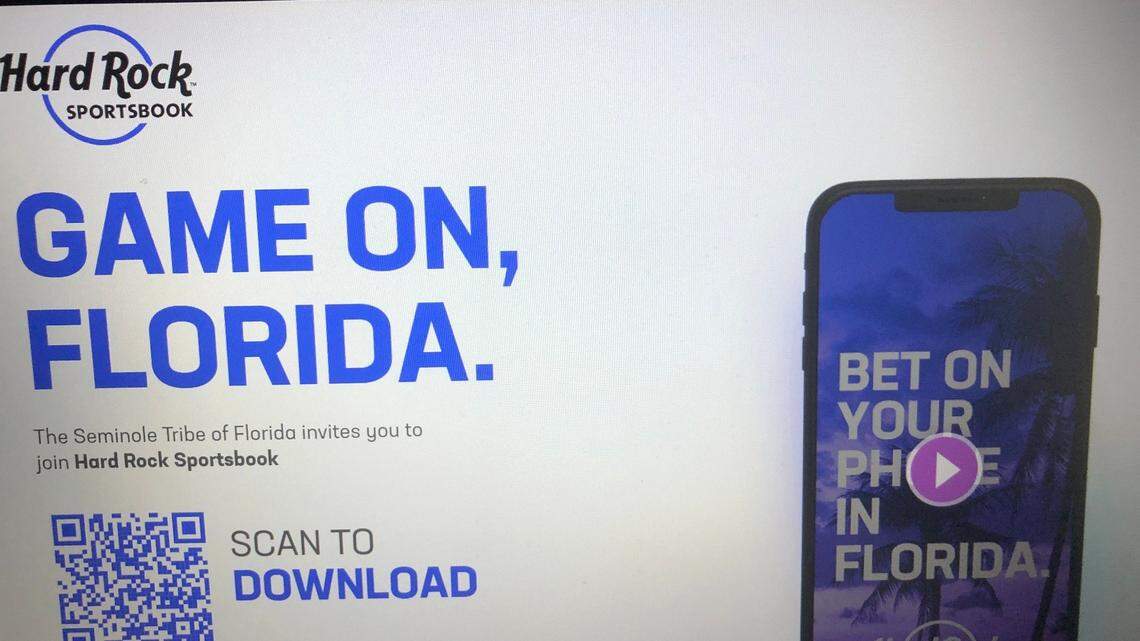
Under the current compacts, these tribal casinos are permitted to offer Class III gaming, which includes slot machines, table games like blackjack and roulette, and, crucially, sports betting. The legality and scope of sports betting, however, have been subject to significant legal challenges and regulatory adjustments. Initially, sports betting was launched by the Seminole Tribe through their “Hard Rock Bet” app, but it faced immediate legal hurdles. Subsequent court rulings have led to periods where sports betting was suspended and then reinstated, highlighting the dynamic and often contested nature of gambling law in Florida.
For visitors and residents interested in placing sports bets, it’s essential to stay updated on the current legal status and the specific platforms authorized by the Seminole Tribe. The compacts grant the tribe exclusive rights to offer certain types of gaming, and these agreements are regularly reviewed and renegotiated, impacting the availability of betting options.
The Casino Experience: Beyond Tribal Lands
Beyond the tribal casinos, Florida‘s gambling landscape includes other types of facilities that offer limited gaming options. Greyhound racing tracks, while facing declining popularity, have historically been authorized to offer pari-mutuel betting on dog races. However, many of these tracks have either ceased operations or transitioned to incorporating slot machines and card rooms.
Similarly, some parimutuel facilities have been permitted to offer slot machines, a concept known as “racino.” These establishments, often located near former or current racing venues, provide a more limited casino experience compared to the full-scale operations of the tribal casinos. They can be found in various parts of the state, offering a convenient option for those seeking a quick gaming session.
The presence of cruises to nowhere also offers a unique betting opportunity. These short excursions, typically departing from Florida ports and sailing into international waters, allow passengers to engage in casino gambling that would otherwise be restricted within state boundaries. Once the ship enters international waters, standard casino games become legal. This provides a temporary escape for those looking to try their luck at slots, poker, or other table games.
Navigating the Legal Framework and Future Possibilities
The legal framework governing gambling in Florida is a patchwork of statutes, constitutional amendments, and tribal compacts, creating a landscape that requires careful navigation for anyone interested in betting. The state constitution plays a significant role, as any expansion of gambling, particularly the introduction of new forms like casino-style gaming outside of tribal lands, typically requires voter approval through a constitutional amendment. This has been a significant hurdle for proponents of broader casino legalization in Florida.
Sports Betting: A Contested Frontier
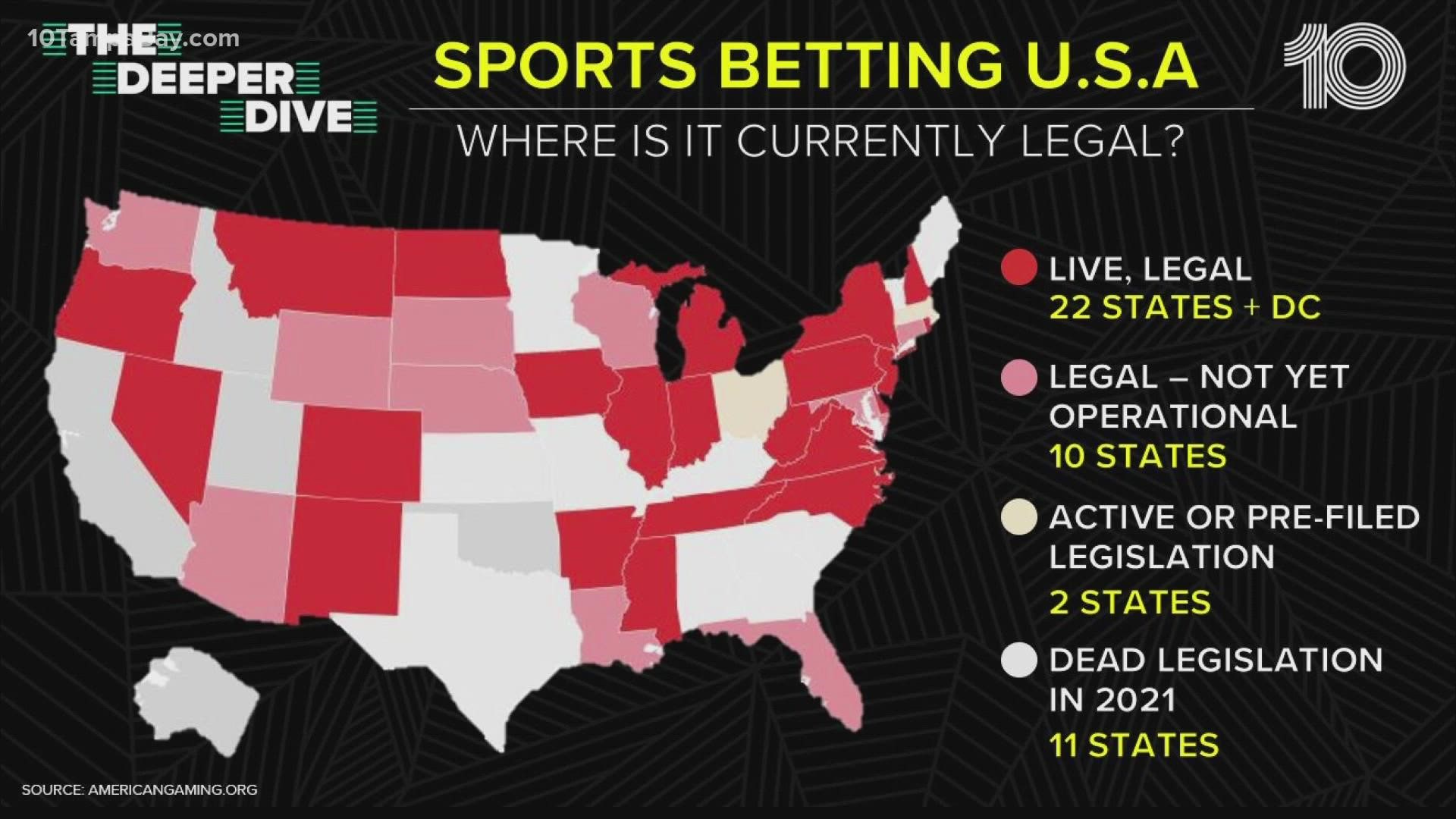
The journey of sports betting in Florida has been particularly turbulent. Following the U.S. Supreme Court’s decision in Murphy v. National Collegiate Athletic Association in 2018, which overturned the Professional and Amateur Sports Protection Act (PASPA), states were free to legalize sports betting. Florida was among the states that saw rapid interest in this new market.
The Seminole Tribe, leveraging their existing gaming compact and subsequent renegotiations, launched online sports betting through the “Hard Rock Bet” app. This move was met with legal challenges from various parties, including competing gaming interests and individuals concerned about the legality of the online model. The court battles that ensued resulted in periods where the app was taken offline, demonstrating the ongoing legal debates surrounding online sports betting in the state, especially concerning its exclusivity for the Seminole Tribe.
Despite these challenges, the trend in many states is towards expanding sports betting. Florida, with its vast population and status as a major tourist destination, is seen by many as a prime market for a more robust and accessible sports betting industry. The future may hold further legislative efforts or legal clarifications that could reshape the landscape, potentially leading to more widespread availability of sports wagering beyond the current tribal offerings.
The Influence of Tourism and Lifestyle Choices
The question of whether you can bet in Florida is not just a legal one; it’s also intertwined with the state’s identity as a premier destination for entertainment and leisure. Florida attracts millions of tourists annually, seeking diverse experiences ranging from theme parks like Walt Disney World and Universal Orlando Resort to its stunning beaches in Miami and the Florida Keys. The availability of legal betting options can enhance the overall visitor experience for those who enjoy a bit of gaming as part of their vacation.
For the luxury traveler, the high-end amenities and exclusive gaming floors at Seminole Hard Rock Hotel & Casino Hollywood or Palm Beach Kennel Club can be an appealing part of a sophisticated getaway. On the other hand, budget travelers might find the accessible pari-mutuel facilities or the unique opportunity of a casino cruise a more fitting addition to their travel plans. The diverse lifestyle choices that Florida caters to are reflected in the varying degrees and types of betting opportunities available.
Furthermore, the growth of sports culture in Florida, with its professional teams in leagues like the NFL, NBA, MLB, and NHL, naturally fuels interest in sports betting. As the legal landscape continues to evolve, it’s plausible that Florida will seek to capitalize on this synergy, integrating sports betting more seamlessly into its broader entertainment and tourism offerings.

Exploring Other Entertainment Avenues
While the focus is often on traditional forms of gambling, it’s worth noting that Florida offers a plethora of other entertainment options that cater to a wide range of interests. For those seeking thrills and excitement without necessarily placing a bet, the world-class theme parks, vibrant South Beach nightlife, exploring the unique ecosystem of the Everglades, or visiting historical landmarks like St. Augustine provide endless possibilities.
For those who do wish to incorporate some form of wagering into their Florida experience, understanding the current legal framework is paramount. The Seminole Tribe‘s casinos remain the primary hubs for comprehensive gaming, including slot machines and table games. Pari-mutuel facilities offer a more limited, but still legal, betting experience on events like horse racing. Sports betting, while available through the Seminole Tribe‘s online platform, is subject to the ongoing legal and regulatory environment.
In conclusion, the answer to “Can you bet in Florida?” is a qualified yes. It depends on what type of betting you are interested in, where you are located within the state, and the current legal standing of various gaming operations. As Florida continues to evolve as a major destination for tourism and entertainment, its gambling laws and offerings are likely to continue adapting to meet the demands of residents and visitors alike. Staying informed about the latest regulations and available options will ensure a responsible and enjoyable betting experience in the Sunshine State.